




A Historic Blockade on Worship
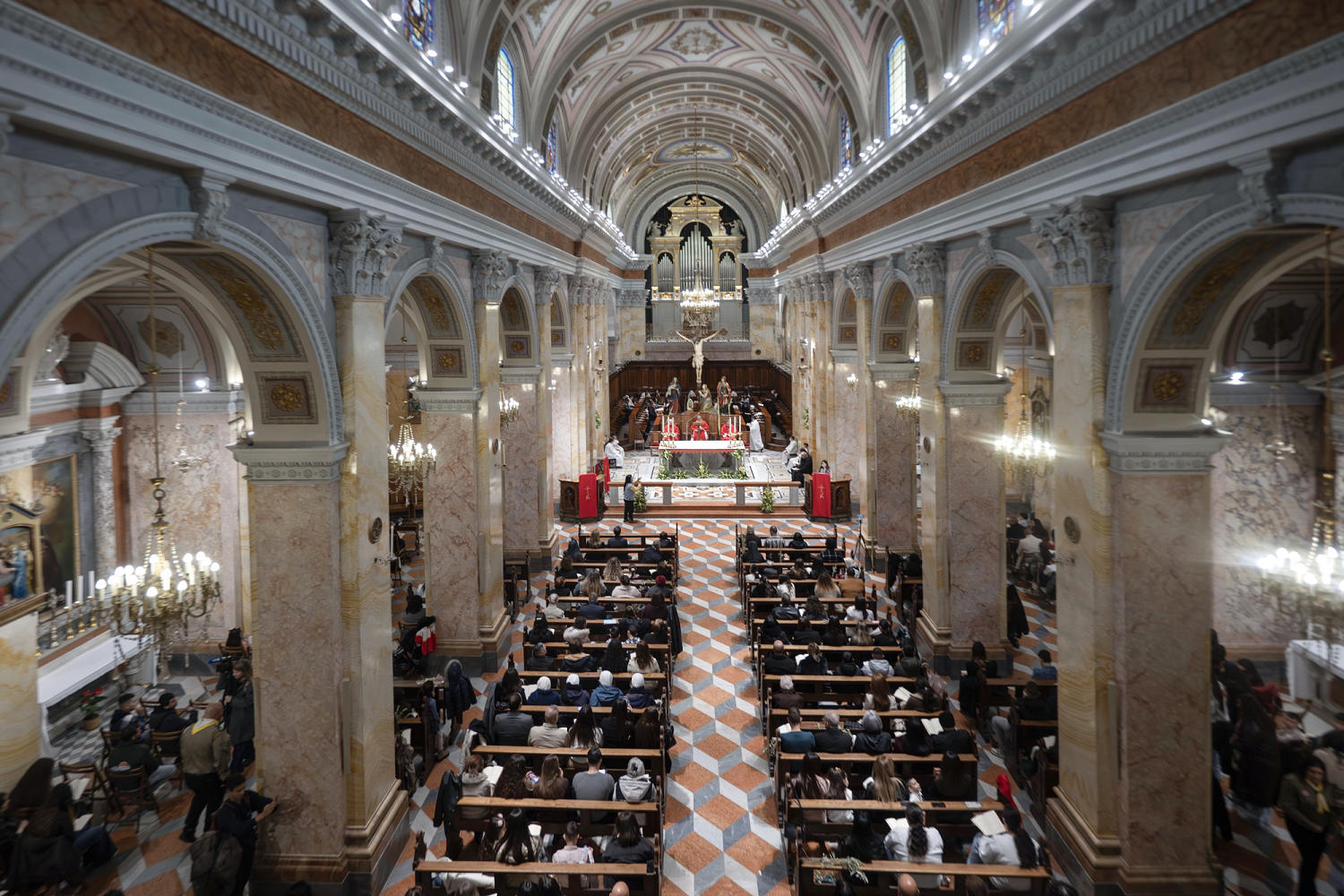
On Palm Sunday, Cardinal Pierbattista Pizzaballa, the Latin Patriarch of Jerusalem, was barred from entering the Church of the Holy Sepulchre, marking the first time in centuries that such an event has occurred. The Latin Patriarchate of Jerusalem confirmed that Pizzaballa and Reverend Francesco Ielpo were stopped by Israeli police while attempting to reach the church for a private Mass. The patriarchate described the incident as "a grave precedent" that disregards the sensibilities of billions of Christians worldwide who turn to Jerusalem during Holy Week.
Security Concerns Cited by Israeli Authorities
Israeli Prime Minister Benjamin Netanyahu stated that the police's actions were motivated by "special concern for [Pizzaballa's] safety," emphasizing that there was "no malicious intent whatsoever." Netanyahu noted that the Church of the Holy Sepulchre and other holy sites in Jerusalem had been closed to worshippers since the onset of the U.S.-Israeli conflict with Iran, which has involved missile strikes targeting various locations in the city. Netanyahu stated that Iran has "repeatedly targeted holy sites" in Jerusalem with ballistic missiles, including one strike that resulted in missile fragments crashing "meters from the Church of the Holy Sepulchre."
Global Leaders Express Outrage
The blockade of the cardinal has drawn significant international condemnation. Italian Prime Minister Giorgia Meloni called the incident "an offense not only to believers but to every community that recognizes religious freedom." French President Emmanuel Macron echoed these sentiments, stating that the police action adds to a "worrying series of violations of the status of holy places in Jerusalem." U.S. Ambassador to Israel Mike Huckabee described the decision as "an unfortunate overreach" and questioned its justification, given that the cardinal was attempting to enter the church privately.
The Church's Response to Restrictions
The Latin Patriarchate criticized the police's decision as "manifestly unreasonable and grossly disproportionate." They highlighted that private Masses had been conducted at the church since the war began, indicating that there was no valid reason for denying access on Palm Sunday. Pizzaballa later held a prayer service at the nearby Monastery of Saint Saviour, where he lamented the absence of traditional processions and the impact of the ongoing conflict on worship.
Pope Leo XIV Addresses the Situation
Pope Leo XIV dedicated his Palm Sunday Mass at the Vatican to Christians in the Middle East, stating that many "cannot live fully the rites of these holy days" due to ongoing conflicts. He made this statement as the blockade in Jerusalem was occurring. He stated, "Brothers and sisters, this is our God: Jesus, King of Peace, who rejects war." The Pope's message resonated with the ongoing struggles of Christians in conflict zones, particularly in light of the restrictions imposed in Jerusalem.

The NPR article adds that Pope Leo XIV insisted God is the 'king of peace' who rejects violence, especially with the U.S.-Israeli war on Iran and Russia's campaign in Ukraine ongoing.
Future Plans for Worship
In response to the backlash, Netanyahu's office announced that Israeli security forces were working on a plan to allow church leaders to worship at the Church of the Holy Sepulchre in the coming days.
The Human Cost of Conflict
As Christians around the world commemorate the beginning of Holy Week, the events in Jerusalem highlight the profound impact of ongoing conflicts on religious freedoms. The inability to celebrate such a significant occasion as Palm Sunday within the sacred walls of the Church of the Holy Sepulchre serves as a poignant reminder of the fragility of peace and the enduring hope for reconciliation among faith communities.
The sources also report that Reverend Francesco Ielpo was also stopped by Israeli police alongside Cardinal Pierbattista Pizzaballa while attempting to reach the Church of the Holy Sepulchre.