The Pentagon has developed plans for weeks of ground operations in Iran, focusing on raids by Special Operations forces and infantry troops, according to officials cited in reports. The arrival of 3,500 US troops on the USS Tripoli adds to the buildup.
Iran's Parliament Speaker Mohammad-Bagher Ghalibaf accused the US of secretly planning a ground attack while publicly seeking talks, stating: "The enemy, openly, sends messages of negotiation and dialogue, but secretly is planning a ground attack." Ghalibaf warned that Iranian forces are "waiting for American soldiers to enter on the ground so they can set them on fire and punish their regional partners forever."
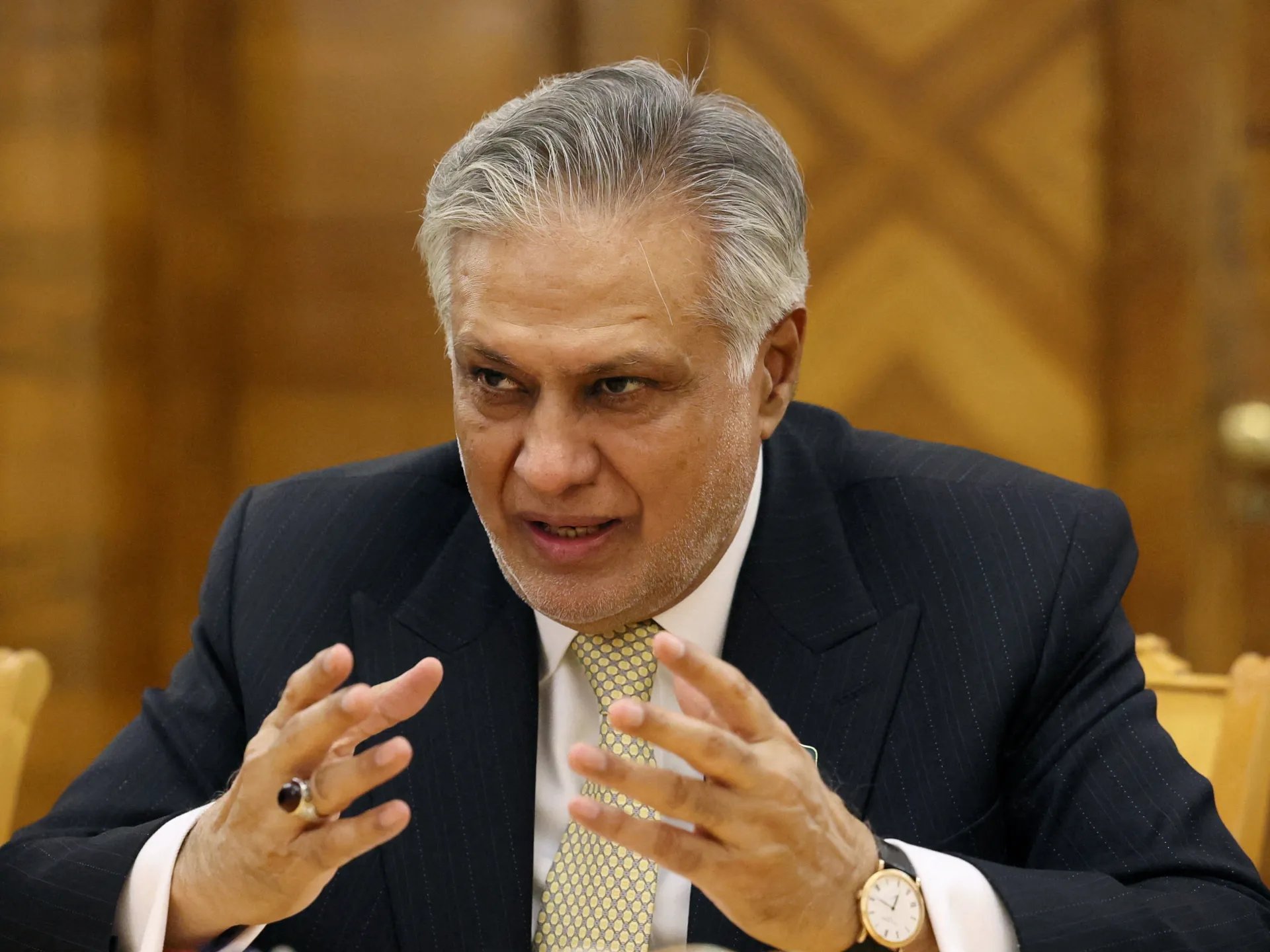
Foreign ministers from Saudi Arabia, Turkey, and Egypt met in Islamabad on Sunday to discuss ending the Iran war, with Pakistan's Foreign Minister Ishaq Dar facilitating the talks. The Egyptian government noted that discussions focused on "recent developments related to regional military escalation and ongoing diplomatic efforts to contain tensions." Dar mentioned that Iran agreed to allow 20 Pakistan-flagged ships through the Strait of Hormuz.
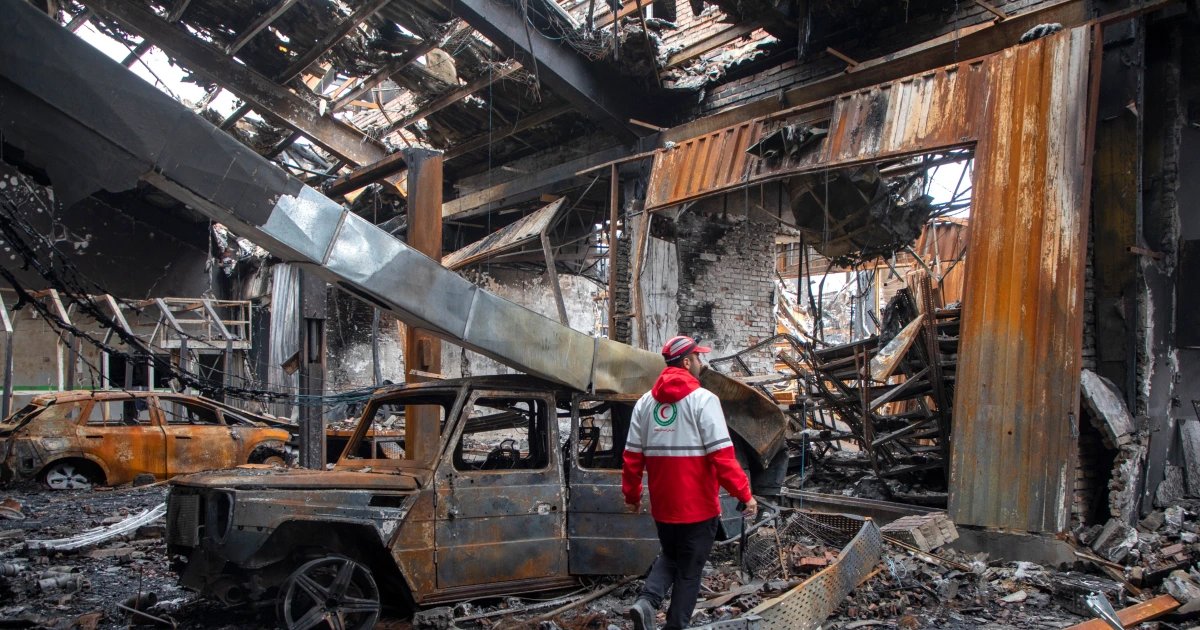
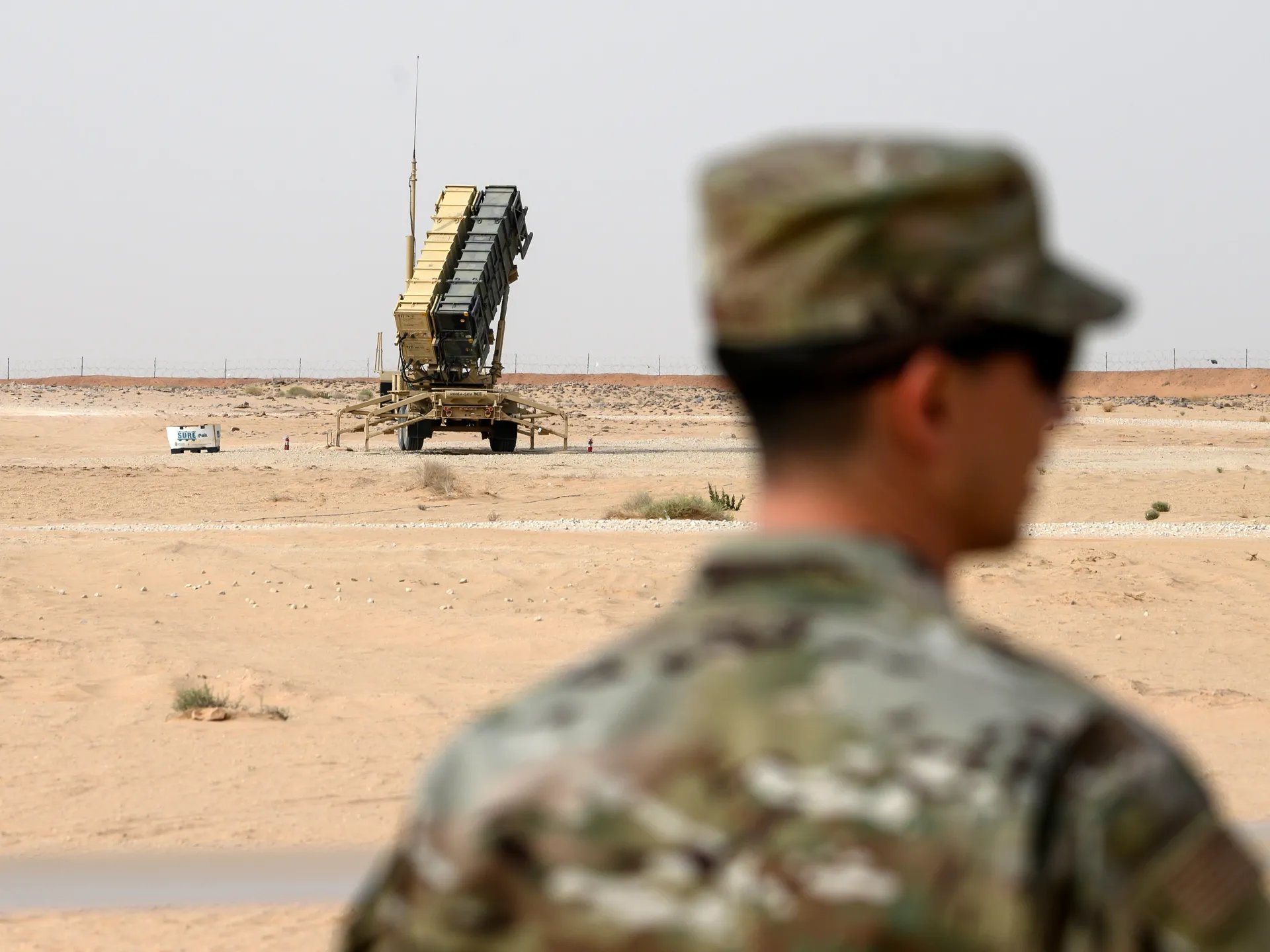
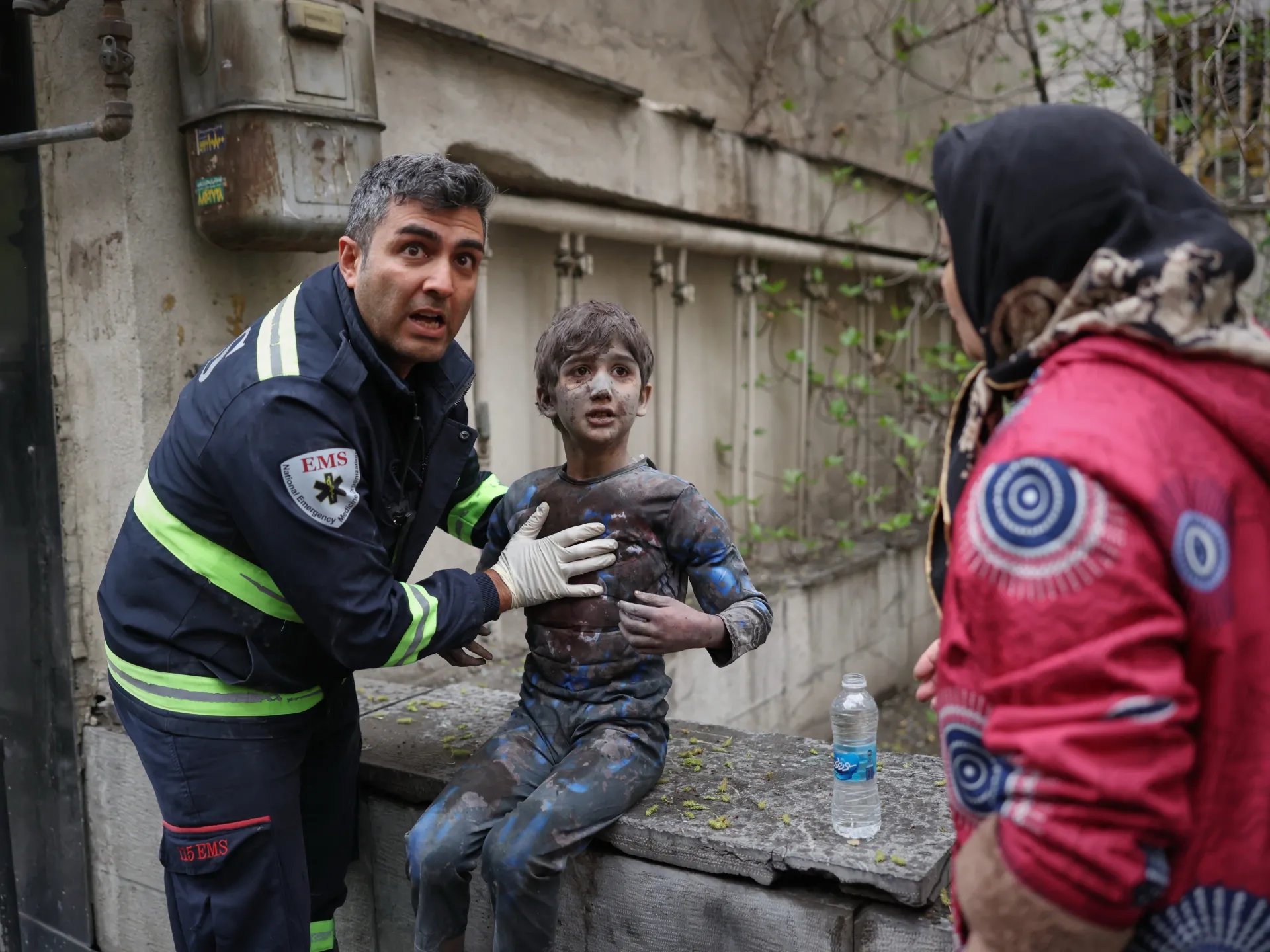
At least 13 US service members have been killed in the war, with more than 300 wounded, as reported by the Pentagon. Iran's attacks included strikes on a Saudi air base hosting US troops, wounding 15 service members, and targeting sites in Bahrain and the UAE, where Emirates Global Aluminium confirmed injuries and damage. Israel's military reported intercepting Iranian missiles and drones, noting that Hezbollah and Houthi forces have joined the fighting, expanding the conflict beyond initial borders.
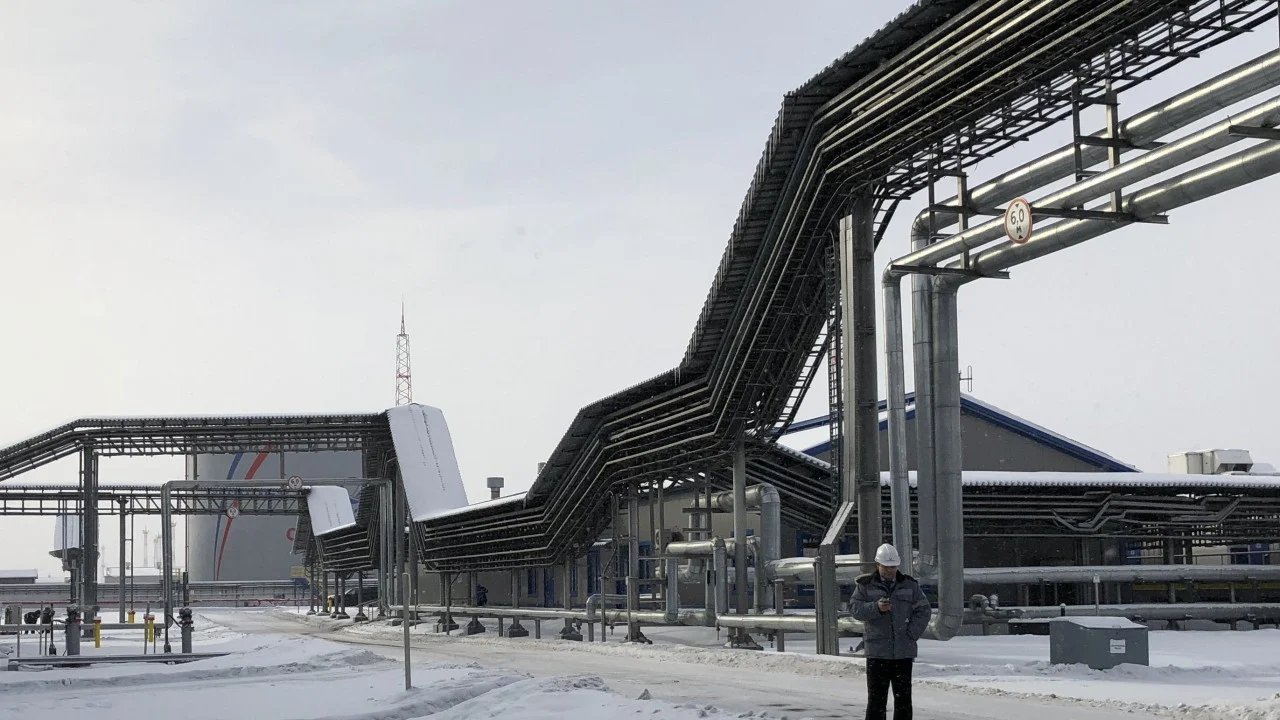
The war has driven up oil prices, with disruptions in the Strait of Hormuz causing fertilizer costs to rise by 20% for ammonia and 50% for urea, impacting US farmers like Lance Lillibridge in Iowa who reported a 25% increase in expenses. This escalation threatens food security and household budgets across America, as higher energy costs affect daily life. The involvement of Yemeni Houthis, launching missiles toward Israel, adds to the risks for global trade and civilian safety in the region.
US Secretary of State Marco Rubio indicated Iran has shown a "willingness to talk about certain things" regarding a 15-point peace proposal, though no formal response has come. This suggests ongoing exchanges could lead to negotiations, providing a way to avoid further escalation and protect American troops. For families of service members, the human cost remains immediate, with the possibility of more deployments highlighting the need for swift diplomatic resolution to prevent additional losses.
The Pentagon has developed plans for weeks of ground operations in Iran, focusing on raids by Special Operations forces and infantry troops, according to officials cited in reports. These plans could involve securing the Strait of Hormuz or targeting Iranian oil facilities, as detailed in the Washington Post. The arrival of 3,500 US troops on the USS Tripoli adds to the buildup, potentially affecting global oil supplies and raising fuel costs for American drivers and farmers.
Iran’s Parliament Speaker Mohammad-Bagher Ghalibaf accused the US of secretly planning a ground attack while publicly seeking talks, stating: “The enemy, openly, sends messages of negotiation and dialogue, but secretly is planning a ground attack.” Ghalibaf warned that Iranian forces are “waiting for American soldiers to enter on the ground so they can set them on fire and punish their regional partners forever.” This rhetoric underscores Iran’s resolve, with the Revolutionary Guard threatening to target US universities in the Middle East if strikes continue.
Foreign ministers from Saudi Arabia, Turkey, and Egypt met in Islamabad on Sunday to discuss ending the Iran war, with Pakistan’s Foreign Minister Ishaq Dar facilitating the talks. The Egyptian government noted that discussions focused on “recent developments related to regional military escalation and ongoing diplomatic efforts to contain tensions.” Dar mentioned that Iran agreed to allow 20 Pakistan-flagged ships through the Strait of Hormuz, offering a potential step toward de-escalating the conflict that has disrupted global shipping lanes.
At least 13 US service members have been killed in the war, with more than 300 wounded, as reported by the Pentagon. Iran’s attacks included strikes on a Saudi air base hosting US troops, wounding 15 service members, and targeting sites in Bahrain and the UAE, where Emirates Global Aluminium confirmed injuries and damage. Israel’s military reported intercepting Iranian missiles and drones, noting that Hezbollah and Houthi forces have joined the fighting, expanding the conflict beyond initial borders.
The war has driven up oil prices, with disruptions in the Strait of Hormuz causing fertilizer costs to rise by 20% for ammonia and 50% for urea, impacting US farmers like Lance Lillibridge in Iowa who reported a 25% increase in expenses. This escalation threatens food security and household budgets across America, as higher energy costs affect daily life. The involvement of Yemeni Houthis, launching missiles toward Israel, adds to the risks for global trade and civilian safety in the region.
US Secretary of State Marco Rubio indicated Iran has shown a “willingness to talk about certain things” regarding a 15-point peace proposal, though no formal response has come. This suggests ongoing exchanges could lead to negotiations, providing a way to avoid further escalation and protect American troops. For families of service members, the human cost remains immediate, with the possibility of more deployments highlighting the need for swift diplomatic resolution to prevent additional losses.
Highlighted text was flagged by the council. Tap to see feedback.