




Lawmakers Act
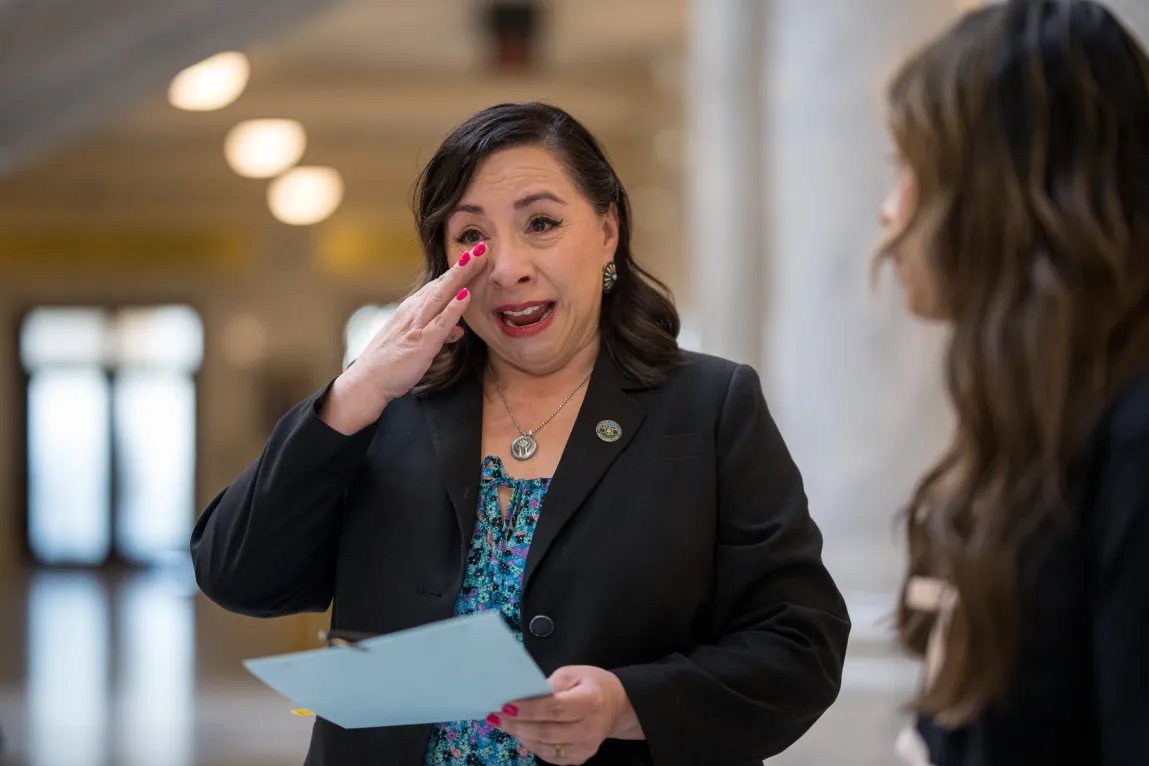
Utah Governor Spencer Cox signed a bill into law this month that prohibits government officials from requesting polygraph tests for people reporting sexual assault, a practice already banned in half of U.S. states. The law, which goes into effect in May, marks a change after state lawmakers passed the bill earlier this month. State Representative Angela Romero, the House minority leader, championed the bill for two years across three legislative sessions.
Unreliable Testing
Experts have stated that polygraph tests are especially unreliable with victims of sexual abuse, because stress and anxiety recounting the assault can be misinterpreted as deception by the polygraph. Steve Burton, with the Utah Defense Attorney Association, said in a recent legislative hearing that polygraph results are valuable for prosecutors and investigators to consider before pursuing criminal charges, even though they are not admissible in court. Romero countered that authorities can use other interview techniques to determine if someone's account is truthful.
Case Details
The bill gained momentum after reporting from news outlets highlighted the case of a man, identified as Andrew, who reported his therapist, Scott Owen, for inappropriate touching. Andrew agreed to take a polygraph test as part of the investigation by state licensors in 2016. The test results indicated deception, leading Andrew to drop his complaint. Owen continued to practice for two more years.
Impact on Victims
Romero stated the bill was specifically for the individual who was not believed, as their perpetrator went on to harm other people. Andrew said the polygraph results suggested he was being deceptive. He explained: "I had so much trauma. And so, certainly, when they asked me questions about the particular things that happened in therapy, it's going to elicit a very strong emotional response." The result affected his mental health, and he told an investigator he no longer wanted to pursue the complaint.
Justice Served
Owen pleaded guilty to felony charges in February 2025, admitting he sexually abused two patients and led them to believe that sexual touching was part of therapy. A judge sentenced Owen to at least 15 years in prison. Cox told Romero at the signing ceremony that she "has been such a champion, and made a difference and saved lives."

For example, Scott Owen pleaded guilty to felony charges in February 2025, admitting to sexually abusing two patients and leading them to believe that sexual touching was part of therapy.
Task Force Created
The state is also creating a task force to look into a rise in sexual misconduct complaints against licensed professionals. The task force will focus on health care, mental health and massage therapy. More than a third of mental health professionals who received discipline from licensors beginning in 2012 were accused of sexual misconduct. The task force will suggest changes to the law and create resources to help victims more easily report misconduct to the state.
This task force plans to develop a standardized process for sharing reports among agencies that might have knowledge of an accusation, something that is not currently legally required, ensuring that future reports are handled more effectively.

The sources also report that Owen declined to take a polygraph test when offered by state licensors, while Andrew agreed to take one after an investigator told him passing would strengthen his case.