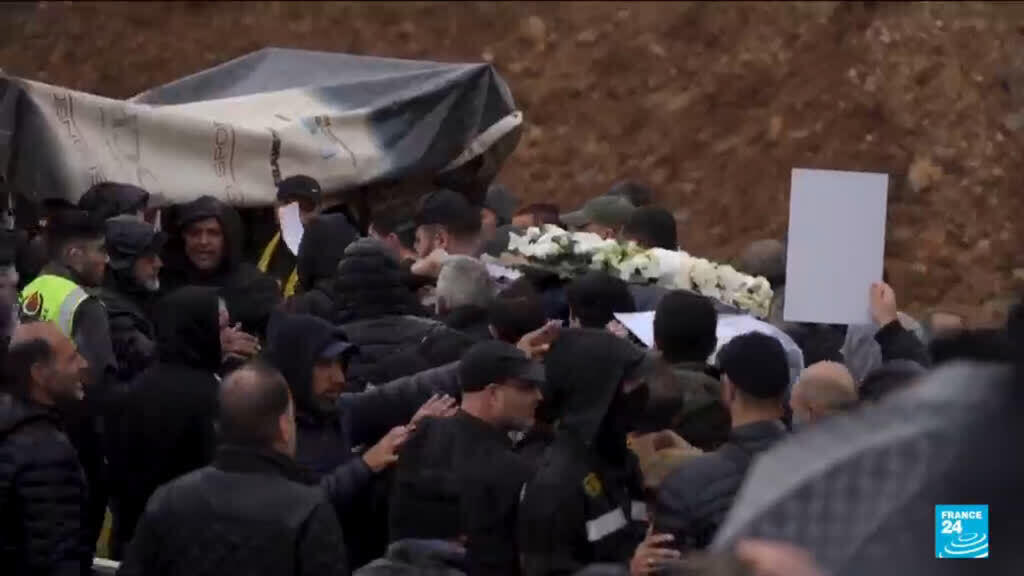
The Israeli military announced it found no negligence in the killing of a farmer near the Lebanon border during an operation against Hezbollah. The incident, which took place in mid-March, involved the death of 36-year-old Mohammad Hafez, who was reportedly caught in crossfire while tending to his fields. The military claimed that troops acted in accordance with operational protocols and that the incident was unfortunate but not negligent.
The military's conclusion has sparked a wave of reactions, particularly from human rights organizations and local residents.
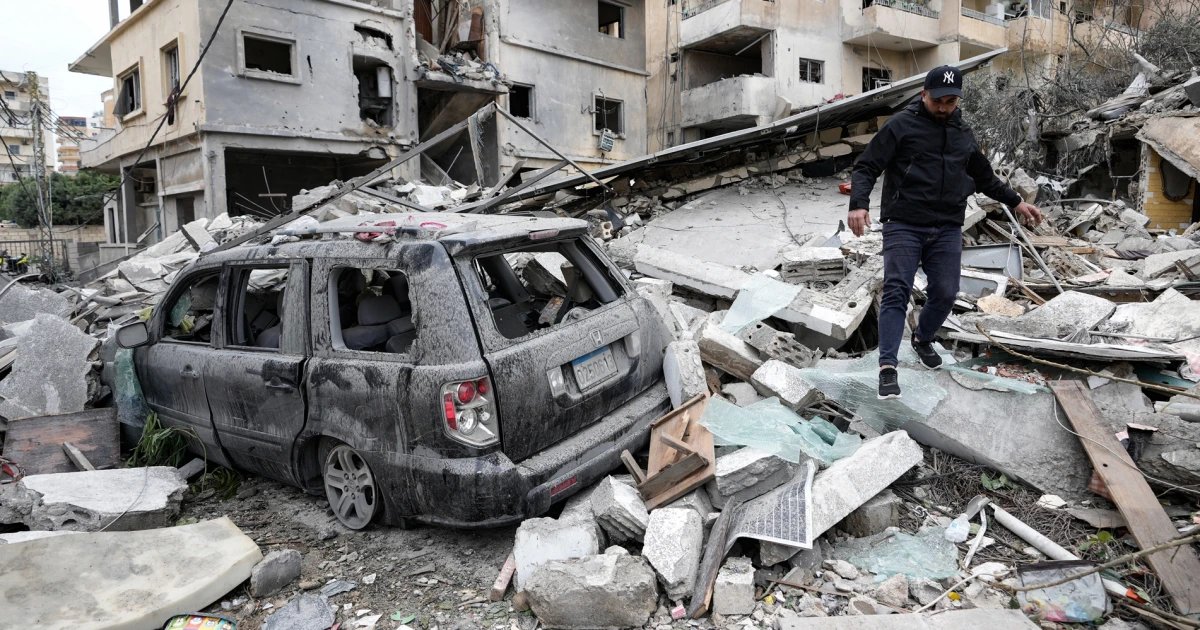
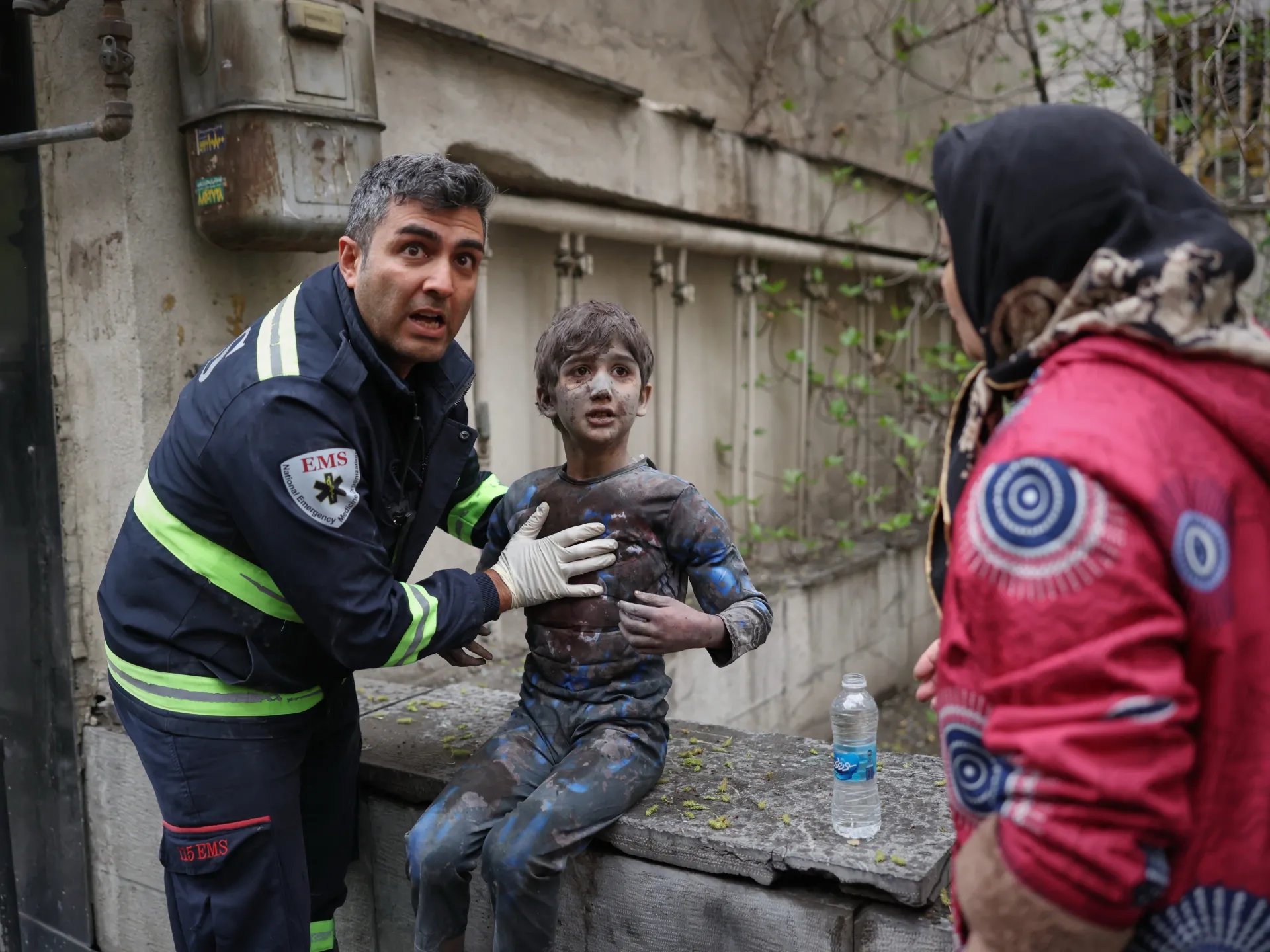
This incident occurs amidst heightened tensions and ongoing military operations in southern Lebanon, where Israel has been engaged in combat with Hezbollah. The United Nations has reported a significant humanitarian crisis, with over a million people displaced from their homes due to the conflict.
The military's operational decisions have also led to tragic outcomes for journalists in the region. Three Lebanese journalists were killed in an Israeli strike in southern Lebanon. Ali Shoeib, a reporter for the Hezbollah-affiliated Al Manar TV, was killed in the town of Jezzine alongside reporter Fatima Ftouni and her brother, cameraman Mohamed Ftouni, both from the channel Al Mayadeen. The Committee to Protect Journalists condemned the targeting of journalists, asserting that they should never be considered legitimate targets.
Israeli Prime Minister Benjamin Netanyahu has ordered the military to expand its operations in southern Lebanon, citing the need to protect Israeli citizens from Hezbollah attacks. This escalation follows a series of violent encounters, resulting in multiple casualties on both sides. The military's strategy includes targeting alleged Hezbollah strongholds, which it claims are being used to launch attacks against Israel.
The findings of the Israeli military investigation could influence international perceptions of Israel's military actions and its accountability regarding civilian casualties. As tensions remain high, humanitarian organizations are calling for increased international scrutiny and intervention to protect civilians in conflict zones. The need for dialogue and resolution remains urgent as the situation continues to evolve, with the international community closely monitoring developments in the region.
The Israeli military announced it found no negligence in the killing of a farmer near the Lebanon border during an operation against Hezbollah. The incident, which took place in mid-March, involved the death of 36-year-old Mohammad Hafez, who was reportedly caught in crossfire while tending to his fields. The military claimed that troops acted in accordance with operational protocols and that the incident was unfortunate but not negligent.
The military's conclusion has sparked a wave of reactions, particularly from human rights organizations and local residents. The Israeli human rights group B'Tselem criticized the military's findings, asserting that the death of civilians in combat zones often results from a lack of accountability. They emphasized the need for transparent investigations into military operations that lead to civilian casualties, arguing that such incidents are symptomatic of broader issues within military conduct.
This incident occurs amidst heightened tensions and ongoing military operations in southern Lebanon, where Israel has been engaged in combat with Hezbollah. The United Nations has reported a significant humanitarian crisis, with over a million people displaced from their homes due to the conflict. The UN High Commissioner for Refugees warned that the situation could deteriorate further, exacerbating an already dire humanitarian landscape.
The military's operational decisions have also led to tragic outcomes for journalists in the region. Just days before the release of the investigation findings, three Lebanese journalists were killed in a targeted Israeli strike in southern Lebanon. This incident has raised serious concerns about the safety of media workers and the ethics of military engagement in populated areas. The Committee to Protect Journalists condemned the targeting of journalists, asserting that they should never be considered legitimate targets.
Israeli Prime Minister Benjamin Netanyahu has ordered the military to expand its operations in southern Lebanon, citing the need to protect Israeli citizens from Hezbollah attacks. This escalation follows a series of violent encounters, resulting in multiple casualties on both sides. The military's strategy includes targeting alleged Hezbollah strongholds, which it claims are being used to launch attacks against Israel.
The findings of the Israeli military investigation could influence international perceptions of Israel's military actions and its accountability regarding civilian casualties. As tensions remain high, humanitarian organizations are calling for increased international scrutiny and intervention to protect civilians in conflict zones. The need for dialogue and resolution remains urgent as the situation continues to evolve, with the international community closely monitoring developments in the region.
Highlighted text was flagged by the council. Tap to see feedback.