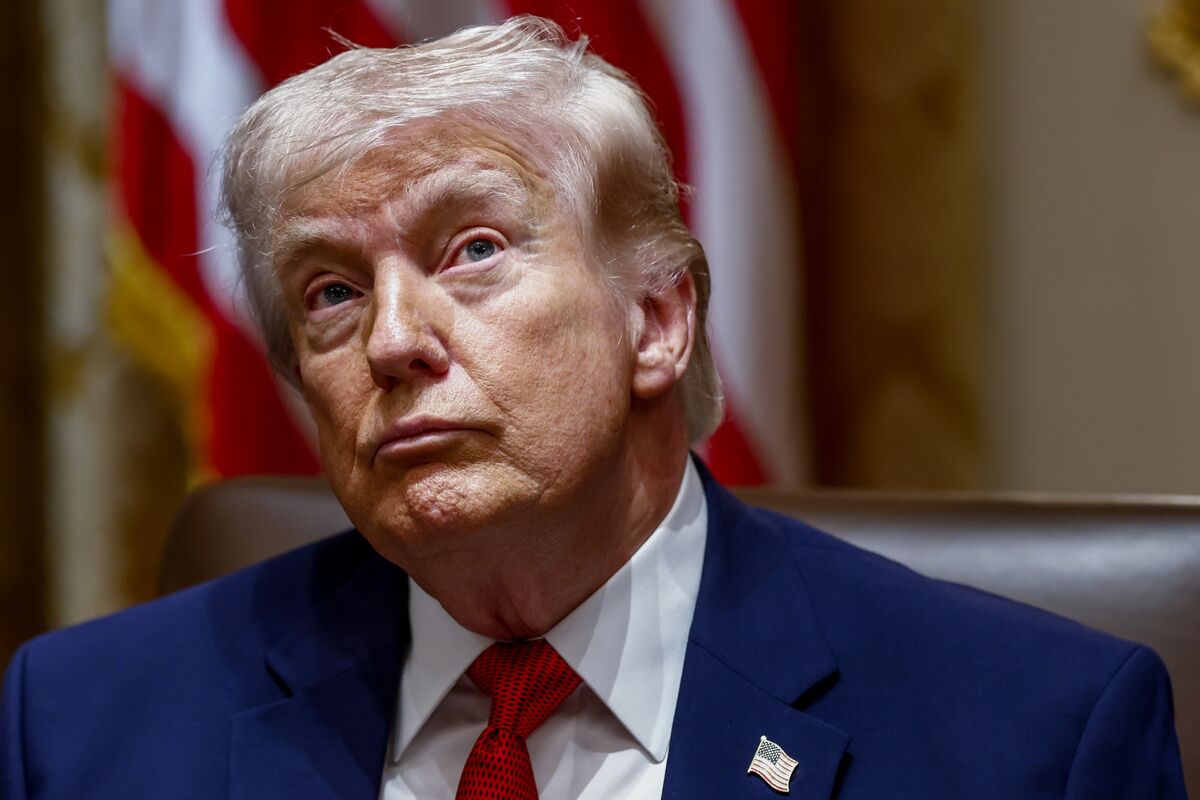
President Donald Trump announced on Sunday he has "no problem" with a Russian oil tanker delivering crude oil to Cuba, a significant easing of U.S. sanctions that have left the island nation in an acute energy crisis. The tanker, Anatoly Kolodkin, is carrying approximately 730,000 barrels of oil and is expected to arrive at the port of Matanzas by Tuesday. "We have a tanker out there. We don't mind having somebody get a boatload because they need… they have to survive," Trump stated while returning to Washington.
The U.S. blockade has had severe consequences for Cuba, which has faced widespread blackouts and fuel shortages that have crippled hospitals and public transport. The anticipated shipment from the Anatoly Kolodkin could provide about 180,000 barrels of diesel, enough to feed Cuba's daily demand for nine or ten days. This shift comes as the U.S. has restricted oil shipments to Cuba in an effort to force regime change, leaving many civilians desperate for resources.
The Anatoly Kolodkin, sanctioned by the United States, European Union, and United Kingdom due to the war in Ukraine, was spotted off the eastern tip of Cuba on Sunday night. Despite previous threats of punitive tariffs against nations supplying oil to Cuba, Trump indicated a willingness to allow the shipment to proceed. "If a country wants to send some oil into Cuba right now, I have no problem whether it's Russia or not," he reiterated.
Cuba has long been a focal point in the geopolitical rivalry between the U.S. and Russia. Trump's recent comments dismissing concerns about aiding Russia's oil supply underscore a potential reevaluation of U.S. policy towards the island. "It doesn't help him. He loses one boatload of oil, that's all it is," Trump said, adding that the Cuban regime is "finished" and that the country has "very bad and corrupt leadership."
The U.S. administration has temporarily eased some sanctions on Russian oil shipments to help stabilize global energy markets amid disruptions in the Strait of Hormuz following U.S. and Israeli military strikes on Iran.
Adnaan Stumo, coordinator of the Nuestra América Convoy, emphasized the importance of solidarity with the Cuban people, stating, "solidarity with the Cuban people doesn't stop at borders. It crosses oceans."
The arrival of the Russian oil tanker could provide temporary relief for Cuba, but experts warn that without a long-term solution, the island will continue to face dire energy shortages. Trump's comments about Cuba being "next" in terms of U.S. focus raise questions about the future of U.S.-Cuba relations and the potential for further interventions. As the situation develops, the humanitarian needs of the Cuban people remain pressing, highlighting the complex interplay of foreign policy and everyday lives.
President Donald Trump announced on Sunday he has "no problem" with a Russian oil tanker delivering crude oil to Cuba, a significant easing of U.S. sanctions that have left the island nation in an acute energy crisis. The tanker, Anatoly Kolodkin, is carrying approximately 730,000 barrels of oil and is expected to arrive at the port of Matanzas by Tuesday. "We have a tanker out there. We don’t mind having somebody get a boatload because they need… they have to survive," Trump stated while returning to Washington.
The U.S. blockade has had severe consequences for Cuba, which has faced widespread blackouts and fuel shortages that have crippled hospitals and public transport. The anticipated shipment from the Anatoly Kolodkin could provide about 180,000 barrels of diesel, enough to meet Cuba's daily demand for nine or ten days. This shift comes as the U.S. has restricted oil shipments to Cuba in an effort to force regime change, leaving many civilians desperate for resources.
The Anatoly Kolodkin, sanctioned by the United States, European Union, and United Kingdom due to the war in Ukraine, was spotted off the eastern tip of Cuba on Sunday night. Despite previous threats of punitive tariffs against nations supplying oil to Cuba, Trump indicated a willingness to allow the shipment to proceed. "If a country wants to send some oil into Cuba right now, I have no problem whether it's Russia or not," he reiterated.
Cuba has long been a focal point in the geopolitical rivalry between the U.S. and Russia. Trump's recent comments dismissing concerns about aiding Russia's oil supply underscore a potential reevaluation of U.S. policy towards the island. "It doesn't help him. He loses one boatload of oil, that's all it is," Trump said, adding that the Cuban regime is "finished" and that the country has "very bad and corrupt leadership."
This policy shift could signal a broader change in U.S. foreign relations, particularly as Trump has also expressed a desire to "take the oil in Iran," indicating a more aggressive stance towards oil-rich nations. The U.S. administration has temporarily eased some sanctions on Russian oil shipments to stabilize global energy markets amid ongoing conflicts in the Middle East, particularly due to military actions in Iran.
As the blockade continues to exert pressure on the Cuban population, civilians have taken matters into their own hands, with some organizing aid missions to deliver essential supplies. Recently, two sailboats carrying aid arrived in Havana after navigating dangerous waters, symbolizing the lengths to which people will go to support those in need on the island. Adnaan Stumo, coordinator of the Nuestra América Convoy, emphasized the importance of solidarity with the Cuban people, stating, "solidarity with the Cuban people doesn't stop at borders. It crosses oceans."
The arrival of the Russian oil tanker could provide temporary relief for Cuba, but experts warn that without a long-term solution, the island will continue to face dire energy shortages. Trump's comments about Cuba being "next" in terms of U.S. focus raise questions about the future of U.S.-Cuba relations and the potential for further interventions. As the situation develops, the humanitarian needs of the Cuban people remain pressing, highlighting the complex interplay of foreign policy and everyday lives.
Highlighted text was flagged by the council. Tap to see feedback.