




The Reversal
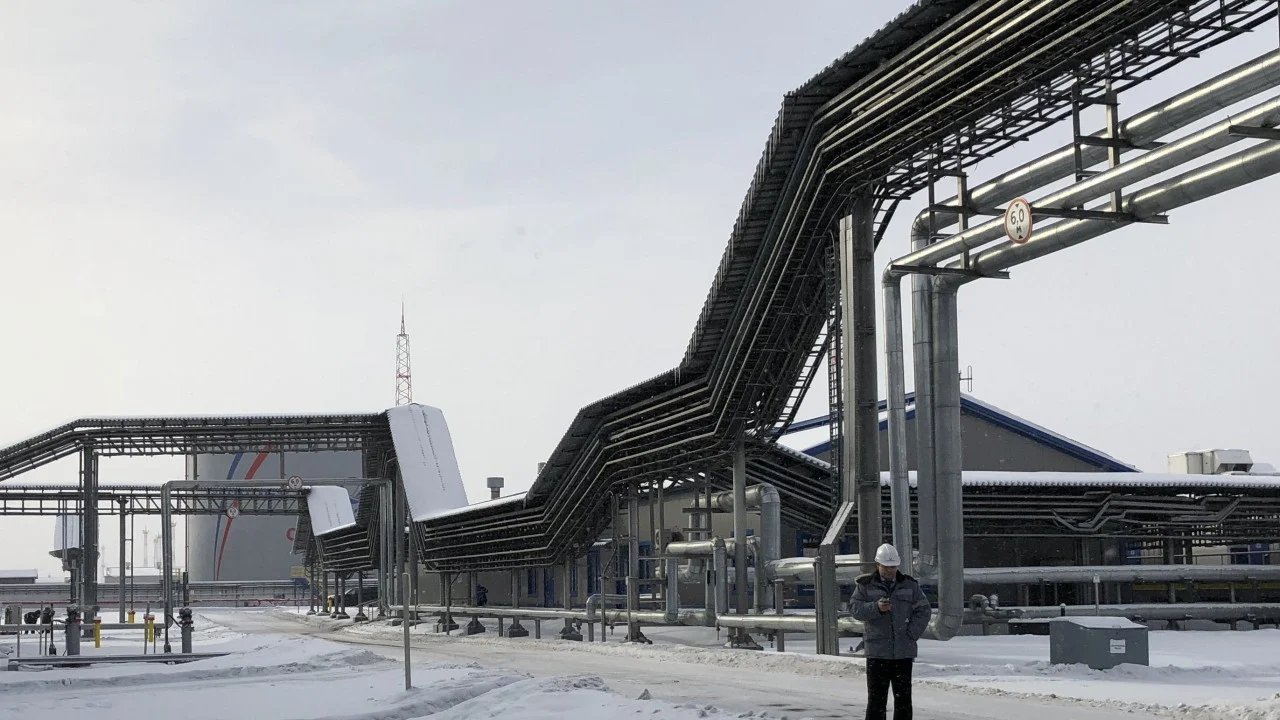
President Donald Trump said Sunday night that he had "no problem" with a Russian oil tanker delivering crude to Cuba, effectively relaxing a de facto blockade his administration had imposed since January. "We have a tanker out there. We don't mind having somebody get a boatload because they need... they have to survive," Trump told reporters aboard Air Force One as he flew back to Washington. The Russian tanker Anatoly Kolodkin entered Cuban waters hours after Trump's statement and arrived at the port of Matanzas on Monday carrying approximately 730,000 barrels of oil, described by Russia's Transport Ministry as "humanitarian supplies."
The reversal marked a sharp departure from Trump's earlier strategy. Just over a week before his Sunday remarks, the U.S. Treasury Department had added Cuba to a list of countries barred from receiving oil deliveries from Russia. Trump also had previously threatened to impose tariffs on any nation sending oil to Cuba.
Cuba's Desperation
Cuba has not received an oil tanker in three months, according to President Miguel Díaz-Canel, leaving the island nation of 10 million people in severe crisis. Petrol rationing and nationwide blackouts have crippled hospitals and public transportation. The World Health Organization warned last week that severe fuel shortages meant Cuban hospitals were struggling to maintain emergency and intensive care services. Cuban health officials reported that the crisis has increased the mortality risk for cancer patients, especially children.
The energy emergency intensified after January 3, when U.S. forces seized Venezuelan leader Nicolás Maduro, a staunch Cuban ally who had provided the island with oil under highly preferential terms. This single event accelerated Cuba's economic deterioration, compounding problems from a drop in tourism after the coronavirus pandemic and government economic mismanagement.
Experts estimate the Russian shipment could produce about 180,000 barrels of diesel, enough to feed Cuba's daily demand for nine or 10 days.
Russia's Role and Messaging
Kremlin spokesman Dmitry Peskov said Monday that Russia had previously discussed the oil shipment with U.S. counterparts. "Russia considers it its duty not to stand aside, but to provide the necessary assistance to our Cuban friends," Peskov told reporters. The vessel itself is sanctioned by the United States, the European Union, and the United Kingdom following Russia's invasion of Ukraine.
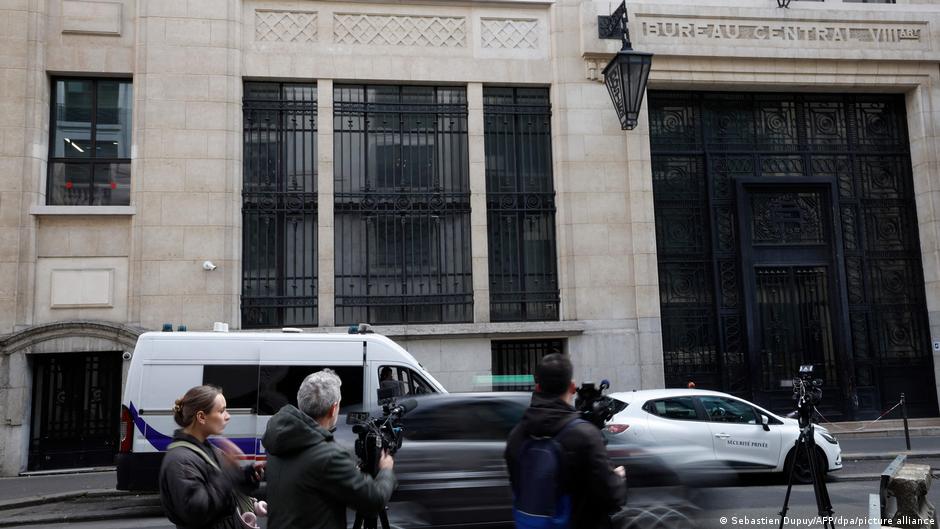
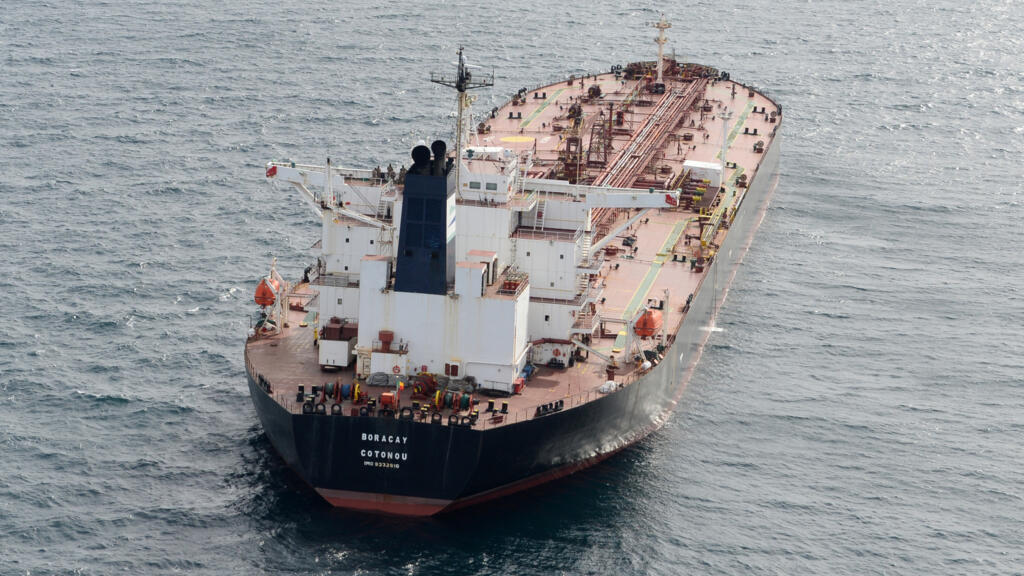
The tanker is part of Russia's "shadow fleet," a network of vessels that frequently change the flags they fly to escape detection and tracking. A French court on Monday sentenced Chen Zhangjie, the Chinese captain of another suspected Russian shadow fleet tanker called the Borocay, to one year in jail and ordered him to pay a €150,000 fine for failing to comply with orders to stop his ship when the French navy approached it in September.
Trump's Mixed Messaging
Trump downplayed the geopolitical significance of allowing the shipment, saying it would not benefit Russian President Vladimir Putin. "He loses one boatload of oil, that's all it is," Trump said. Yet he simultaneously maintained aggressive rhetoric toward Cuba's government, telling journalists that "Cuba's finished" and that the island has "a bad regime" and "very bad and corrupt leadership."
Trump stated he preferred allowing the oil in "whether it's Russia or anybody else because the people need heat and cooling and all of the other things." However, it remained unclear whether his decision represented a permanent reversal of the blockade policy or merely a temporary softening.
Cuban authorities have portrayed the tanker's arrival as "breaking" the U.S.-imposed blockade. Cuba's Communist government, led by Díaz-Canel, has been in talks with the Trump administration to find a route out of the crisis, though both sides have set political and economic red lines that make common ground difficult.