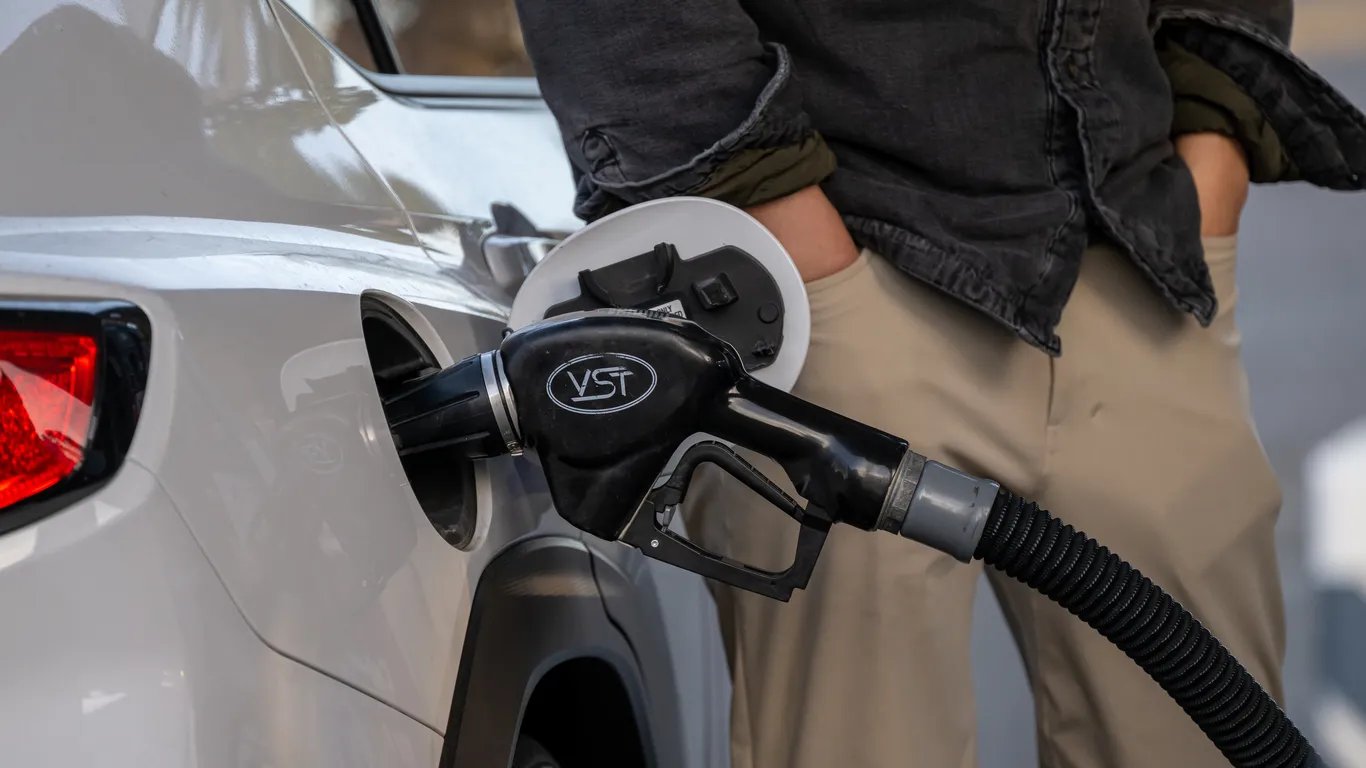
The U.S. average gas price reached $4.018 per gallon for regular fuel on Tuesday, according to AAA data, marking a sharp rise that affects how much Americans spend on driving. This increase stems from disruptions in global oil supplies, pushing costs higher for everyday commutes and family trips. With prices up 35% since last month, households now face tighter budgets for essentials like groceries and bills.
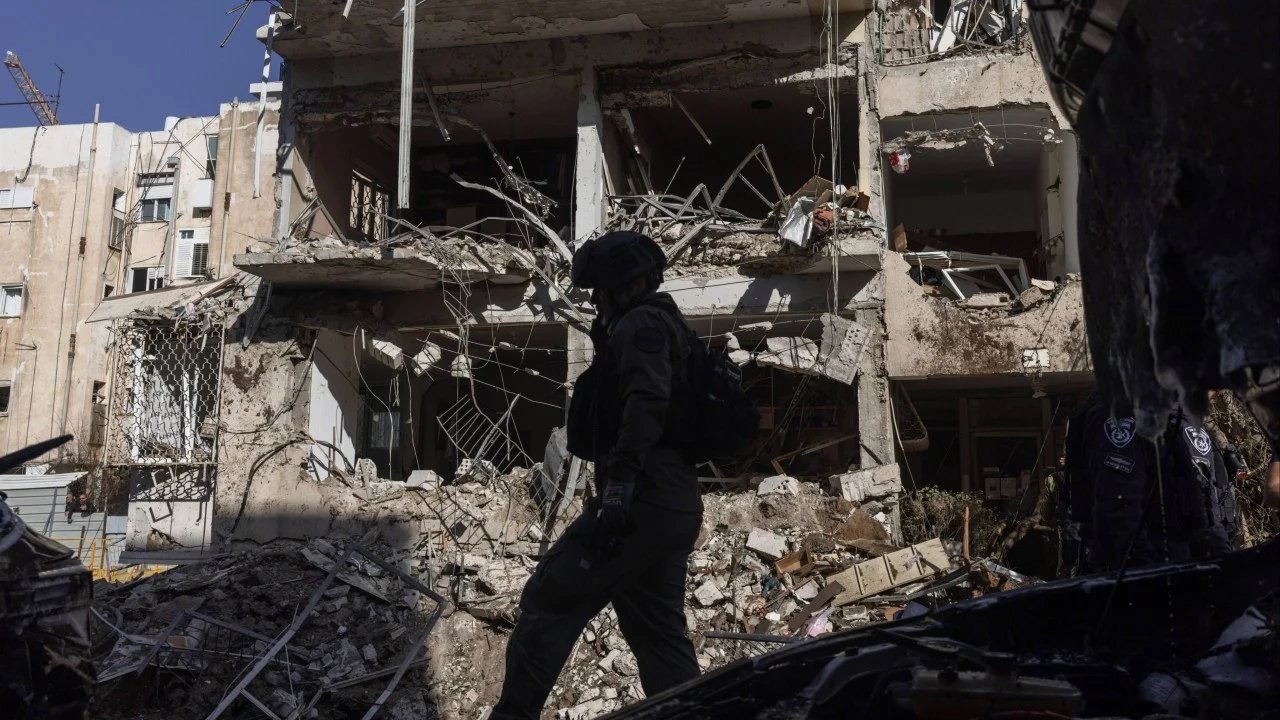
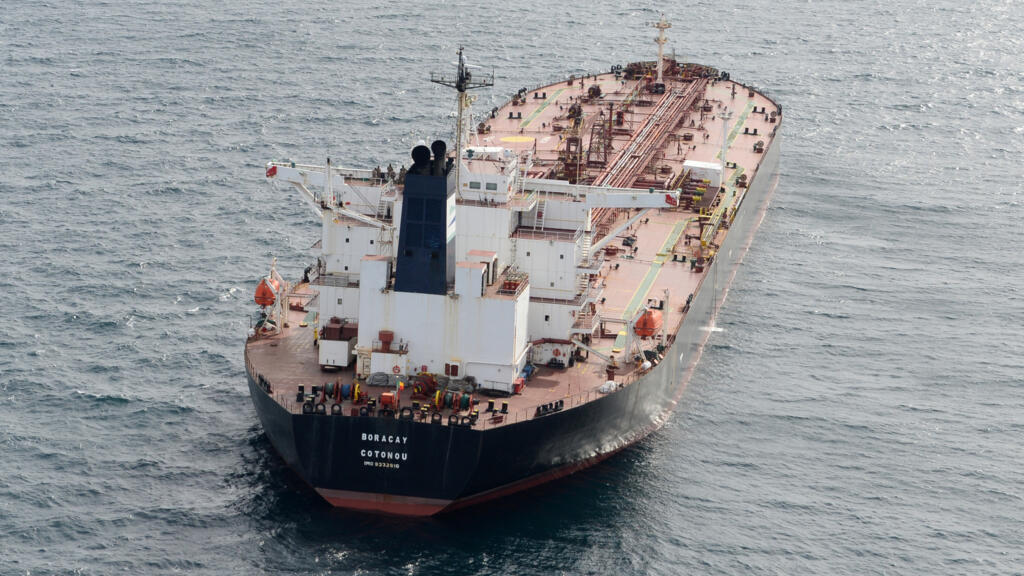
Oil prices climbed to over $100 a barrel amid the ongoing war in Iran, which began last month and closed the Strait of Hormuz to most ships. This closure impacts 20% of the world's oil supply, directly raising what consumers pay at the pump. A month ago, regular gas averaged $2.98, while a year earlier it was $3.17.
In California, the average gas price hit $5.89 a gallon, putting extra strain on residents who rely on cars for work and errands. Washington state saw averages of $5.35, higher than the national figure and affecting local economies dependent on transportation. These regional spikes mean some Americans pay far more than others, altering daily routines like school runs or job commutes.
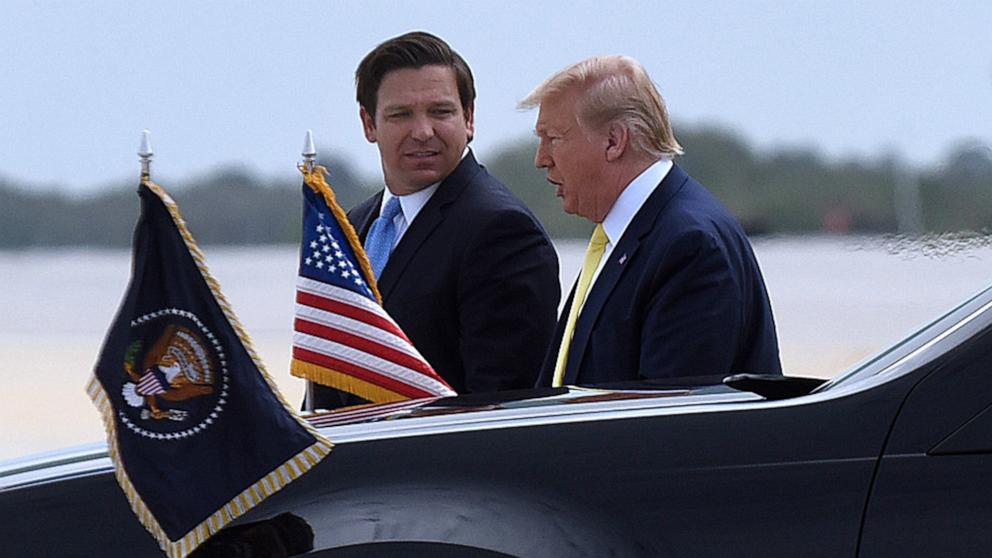
A Morning Consult poll found that 48% of Americans blame President Trump and his administration for the price surge. Meanwhile, 16% pointed to oil and gas companies, 13% to global market forces, and 11% to former President Biden, showing diverse views on responsibility. A separate Reuters/Ipsos survey revealed that 87% of respondents expect prices to keep rising as the conflict continues, with 55% reporting that higher costs have already altered their household spending.
Brent crude reached $115.48 a barrel, a level that translates to pricier fuel and less money for other needs.
The U.S. average gas price reached $4.018 per gallon for regular fuel on Tuesday, according to AAA data, marking a sharp rise that affects how much Americans spend on driving. This increase stems from disruptions in global oil supplies, pushing costs higher for everyday commutes and family trips. With prices up 35% since last month, households now face tighter budgets for essentials like groceries and bills.
Oil prices climbed to over $100 a barrel amid the ongoing war in Iran, which began last month and closed the Strait of Hormuz to most ships. This closure impacts 20% of the world's oil supply, directly raising what consumers pay at the pump. A month ago, regular gas averaged $2.98, while a year earlier it was $3.17, showing how quickly these changes add up for drivers.
In California, the average gas price hit $5.89 a gallon, putting extra strain on residents who rely on cars for work and errands. Washington state saw averages of $5.35, higher than the national figure and affecting local economies dependent on transportation. These regional spikes mean some Americans pay far more than others, altering daily routines like school runs or job commutes.
A Morning Consult poll found that 48% of Americans attribute the price jump to President Trump and his administration, highlighting one perspective on the crisis. Meanwhile, 16% pointed to oil and gas companies, 13% to global market forces, and 11% to former President Biden, showing diverse views on responsibility. A separate Reuters/Ipsos survey revealed that 87% of respondents expect prices to keep rising as the conflict continues, with 55% reporting that higher costs have already altered their household spending.
Many Americans, like those filling up in New Jersey, are dealing with visible price tags that make every trip more expensive, as seen at a Valero station earlier this week. Brent crude reached $115.48 a barrel, a level that translates to pricier fuel and less money for other needs. This shift means families might skip vacations or cut back on activities, underscoring how fuel costs shape personal finances in real time.
Highlighted text was flagged by the council. Tap to see feedback.