Israel's parliament passed legislation on Monday that makes execution by hanging the mandatory sentence for Palestinians convicted of deadly attacks in the occupied West Bank. The Knesset voted 62 to 48 in favor, with Prime Minister Benjamin Netanyahu voting yes in person. The law stipulates that Palestinians convicted in Israeli military courts of carrying out attacks deemed "acts of terrorism" would be executed within 90 days, with possible postponement of up to 180 days. In theory, Jewish Israelis could also face execution under the law, but only if their attack intended to "negate the existence of the state of Israel"—a standard that in practice would almost certainly never apply to Israeli citizens.
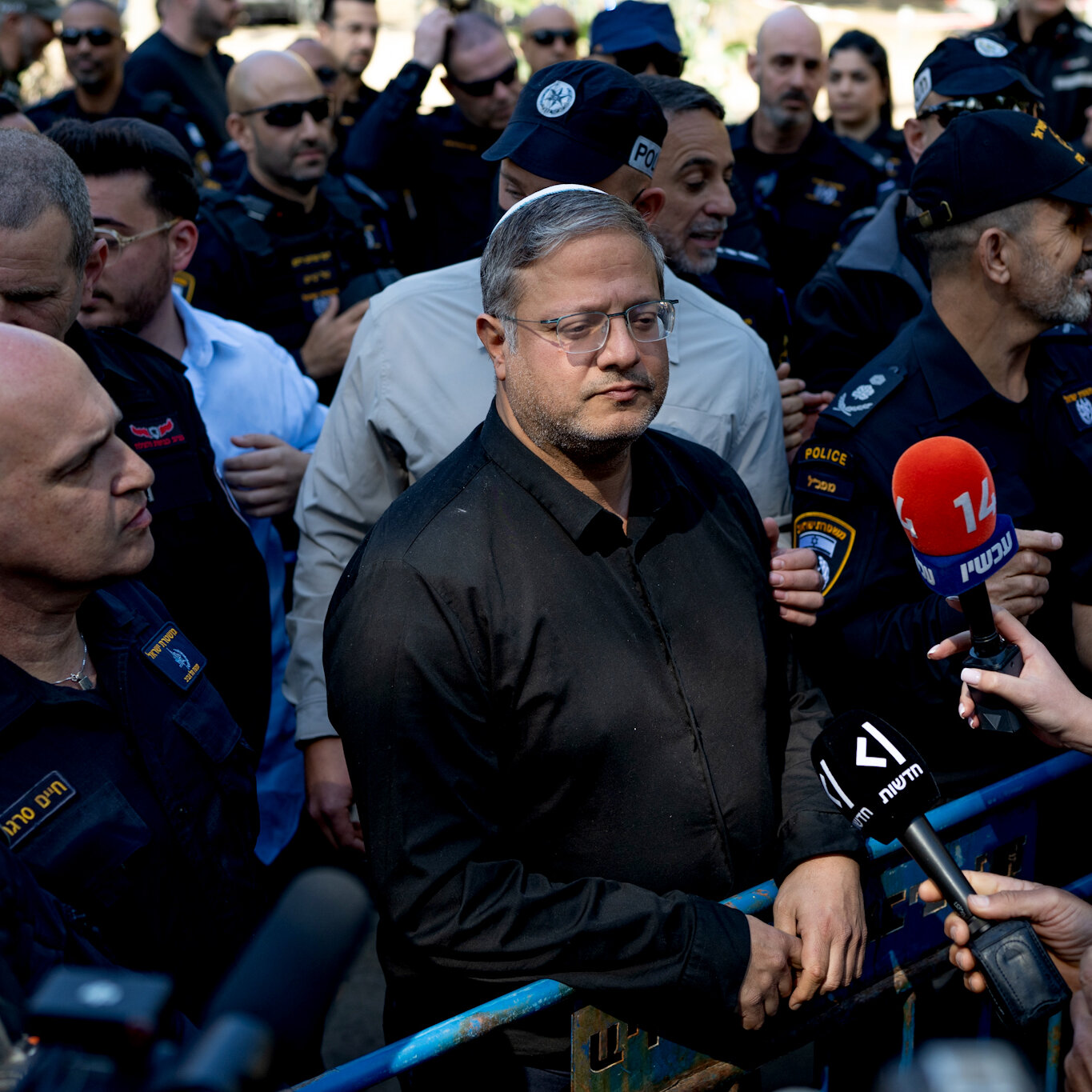
National Security Minister Itamar Ben-Gvir, a West Bank settler whose far-right Jewish Power party introduced the bill, emerged as the law's driving force. After the vote passed, he posted on social media: "We made history!!! We promised. We delivered." He later told the European Union: "We are not afraid, we will not submit." The legislation represents a major victory for Israel's far-right coalition partners, whose support Netanyahu relies on to maintain his government.
The law creates two different tracks for trials in criminal courts in Israel and military courts in the occupied West Bank. For Palestinians in the West Bank convicted of terrorism in military courts, the death sentence becomes mandatory. Courts may only commute it to life imprisonment if they determine "special reasons" exist—a reversal of current practice where such commutations are routine. Consensus among all judges is no longer required; a simple majority will suffice, and avenues for appeal are extremely limited. The Israel Prison Service must carry out executions within 90 days, though the prime minister can request a delay of up to 180 days.
B'Tselem, an Israeli human rights organization, noted that these military courts have an approximately 96 percent conviction rate, based largely on confessions extracted under duress and torture during interrogations.
Opposition lawmakers and Israeli rights groups have already mounted resistance. Gilad Kariv, a Labor party lawmaker, said the government had "subordinated themselves to a miserable, crude, immoral and irrational" election campaign by Ben-Gvir. The Association for Civil Rights in Israel filed a petition with the Supreme Court on Monday, arguing the law is "unconstitutional, discriminatory by design and—for West Bank Palestinians—enacted without legal authority." Ido Ben-Itzhak, a Knesset legal advisor, criticized the bill for failing to provide pardon mechanisms, which he said contradicts international conventions.
The Palestinian Authority called the law a "war crime" that seeks to "legitimise extrajudicial killing under legislative cover." The UN Human Rights Office in Palestine called on Israel to "immediately repeal the discriminatory death penalty law," noting that it violates the country's obligations under international law and entrenches Israel's violation of the prohibition of racial segregation and apartheid. Amnesty International's Erika Guevara-Rosas stated: "For years, we have seen an alarming pattern of apparent extrajudicial executions and other unlawful killings of Palestinians—with the perpetrators also enjoying near-total impunity. This new law which allows for state-sanctioned executions is a culmination of such policies."
On the eve of the vote, the UK, France, Germany and Italy expressed "deep concern," saying the bill risked "undermining Israel's commitments with regard to democratic principles." Ireland's foreign minister said she was "particularly concerned about the de facto discriminatory nature of the Bill as it relates to Palestinians." Alain Berset, secretary-general of the Council of Europe, called the law a "serious regression," stating that any application of the death penalty characterized as discriminatory is "unacceptable in a state governed by the rule of law."
Israel has executed only two people in its history. Meir Tobianski, an army officer falsely accused of espionage, was executed in 1948 and later posthumously exonerated. Adolf Eichmann, a Nazi official, was executed in 1962 following a trial in Jerusalem. The death penalty previously existed in Israel for war crimes but was abolished in 1954 for ordinary crimes in peacetime. On the rare occasions it was handed down in military courts for terrorism, it was commuted to life sentences following appeals.
The Supreme Court is expected to consider whether to hear challenges to the law. A separate bill may still be brought to a vote that would establish a special military tribunal imposing capital punishment on individuals indicted for participation in the October 7 attacks.
Israel's parliament passed legislation on Monday that makes execution by hanging the mandatory sentence for Palestinians convicted of deadly attacks in the occupied West Bank. The Knesset voted 62 to 48 in favor, with Prime Minister Benjamin Netanyahu voting yes in person. The law stipulates that Palestinians convicted in Israeli military courts of carrying out attacks deemed "acts of terrorism" would be executed within 90 days, with possible postponement of up to 180 days. In theory, Jewish Israelis could also face execution under the law, but only if their attack intended to "negate the existence of the state of Israel"—a standard that in practice would almost certainly never apply to Israeli citizens.
National Security Minister Itamar Ben-Gvir, a West Bank settler whose far-right Jewish Power party introduced the bill, emerged as the law's driving force. Ben-Gvir wore a golden noose-shaped lapel pin throughout the campaign to signal his support. After the vote passed, he posted on social media: "We made history!!! We promised. We delivered." He later told the European Union: "We are not afraid, we will not submit." The legislation represents a major victory for Israel's far-right coalition partners, whose support Netanyahu relies on to maintain his government.
The law creates two different tracks for trials in criminal courts in Israel and military courts in the occupied West Bank. For Palestinians in the West Bank convicted of terrorism in military courts, the death sentence becomes mandatory. Courts may only commute it to life imprisonment if they determine "special reasons" exist—a reversal of current practice where such commutations are routine. Consensus among all judges is no longer required; a simple majority will suffice, and avenues for appeal are extremely limited. The Israel Prison Service must carry out executions within 90 days, though the prime minister can request a delay of up to 180 days.
B'Tselem, an Israeli human rights organization, noted that these military courts have an approximately 96 percent conviction rate, based largely on confessions extracted under duress and torture during interrogations.
Opposition lawmakers and Israeli rights groups have already mounted resistance. Gilad Kariv, a Labor party lawmaker, said the government had "subordinated themselves to a miserable, crude, immoral and irrational" election campaign by Ben-Gvir. The Association for Civil Rights in Israel filed a petition with the Supreme Court on Monday, arguing the law is "unconstitutional, discriminatory by design and—for West Bank Palestinians—enacted without legal authority." Ido Ben-Itzhak, a Knesset legal advisor, criticized the bill for failing to provide pardon mechanisms, which he said contradicts international conventions.
Limor Son-Har-Melech, a Knesset member whose husband was killed by Palestinian gunmen, defended the law during debate, citing how one of her husband's killers was later released and participated in attacks on October 7, 2023. She told lawmakers: "For years, we endured a cruel cycle of terror, imprisonment, release in reckless deals, and the return of these human monsters to murder Jews again."
The Palestinian Authority called the law a "war crime" that seeks to "legitimise extrajudicial killing under legislative cover." Hamas said the approval "threatens the lives" of Palestinian prisoners in Israeli jails and called on the international community to ensure their protection. Palestinian lawyer Sahar Francis labeled the bill "very dangerous," explaining that it reflects "the fascist state that Israel is becoming" because it will de facto only apply to Palestinians.
The UN Human Rights Office in Palestine called on Israel to "immediately repeal the discriminatory death penalty law," noting that it violates the country's obligations under international law and entrenches Israel's violation of the prohibition of racial segregation and apartheid. Amnesty International's Erika Guevara-Rosas stated: "For years, we have seen an alarming pattern of apparent extrajudicial executions and other unlawful killings of Palestinians—with the perpetrators also enjoying near-total impunity. This new law which allows for state-sanctioned executions is a culmination of such policies."
On the eve of the vote, the UK, France, Germany and Italy expressed "deep concern," saying the bill risked "undermining Israel's commitments with regard to democratic principles." Ireland's foreign minister said she was "particularly concerned about the de facto discriminatory nature of the Bill as it relates to Palestinians." Alain Berset, secretary-general of the Council of Europe, called the law a "serious regression," stating that any application of the death penalty characterized as discriminatory is "unacceptable in a state governed by the rule of law."
Israel has executed only two people in its history. Meir Tobianski, an army officer falsely accused of espionage, was executed in 1948 and later posthumously exonerated. Adolf Eichmann, a Nazi official, was executed in 1962 following a trial in Jerusalem. The death penalty previously existed in Israel for war crimes but was abolished in 1954 for ordinary crimes in peacetime. On the rare occasions it was handed down in military courts for terrorism, it was commuted to life sentences following appeals.
The Supreme Court is expected to consider whether to hear challenges to the law. A separate bill may still be brought to a vote that would establish a special military tribunal imposing capital punishment on individuals indicted for participation in the October 7 attacks.
Highlighted text was flagged by the council. Tap to see feedback.


























For example, after the vote, Itamar Ben-Gvir, the National Security Minister, posted on X: "We made history!!! We promised. We delivered."