




Sanctions Lifted After Seven-Year Freeze
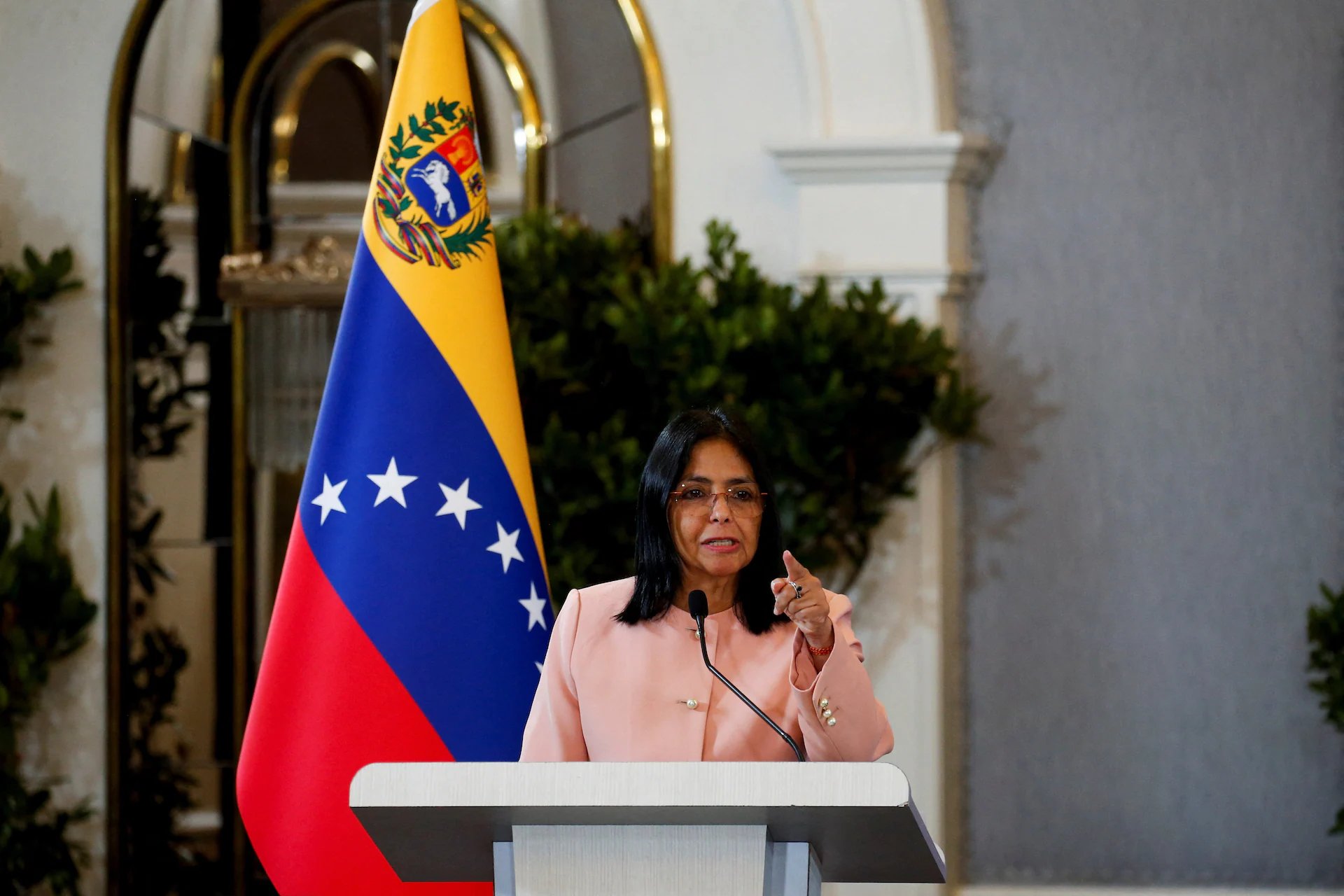
The U.S. Treasury Department removed Delcy Rodriguez from its sanctions list, ending restrictions that had blocked her from accessing American banks and doing business with U.S. companies since 2018. Rodriguez's name disappeared from the Office of Foreign Assets Control's "Specially Designated Nationals List," according to the department's website. The move immediately unfreezes any assets she held in the United States and allows American companies to work with her directly.
Rodriguez Responds With Call for More Relief
Rodriguez celebrated the decision on X, calling it "a significant step in the right direction to normalize and strengthen relations" between the two countries. She urged Washington to go further, asking for the removal of remaining sanctions on Venezuelan entities and individuals. "We trust that this progress will allow for the lifting of the sanctions currently in place on our country," she wrote.
From Sanctioned Vice President to Acting President
Rodriguez had served as Nicolas Maduro's vice president when Treasury first sanctioned her in 2018, accusing her of "enriching themselves at the expense of the Venezuelan people" and helping "destroy democracy in Venezuela." The sanctions froze her U.S. assets and barred American citizens from conducting business with her. She assumed the presidency on January 3 after U.S. forces raided Caracas and captured Maduro, who now faces drug-trafficking and weapons charges in American custody.
Embassy Reopens as Relations Warm
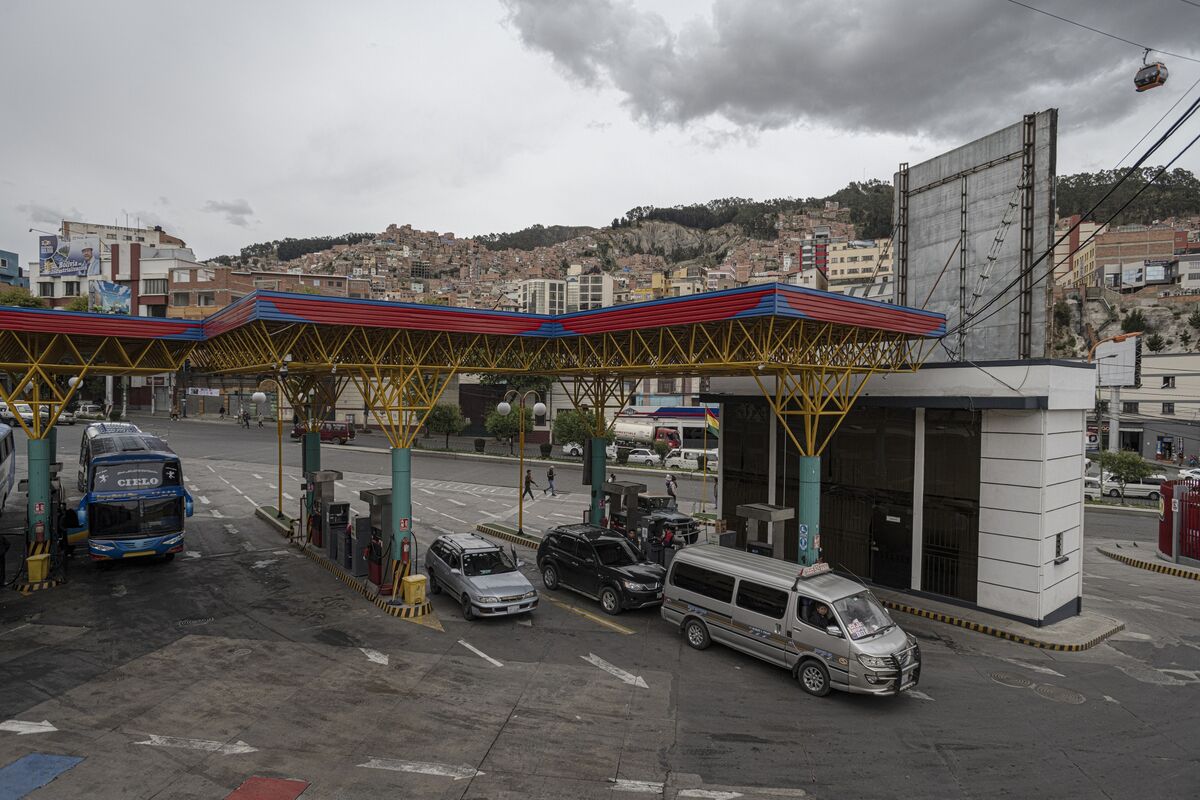
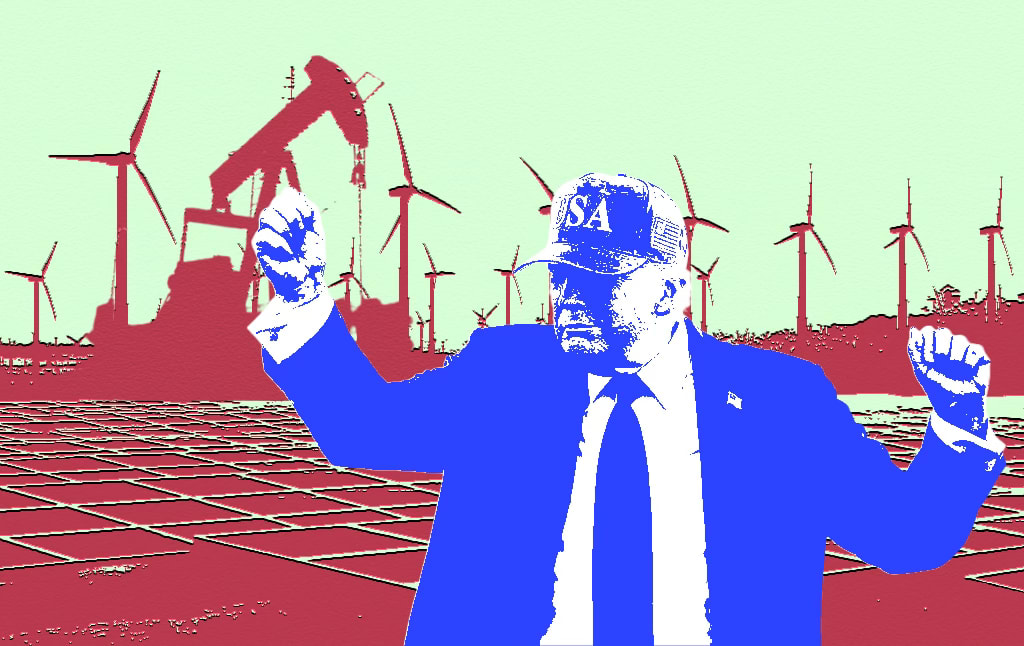
The State Department reopened its embassy in Caracas on Monday after a seven-year closure, marking the latest sign of improving diplomatic ties. Rodriguez has opened Venezuela's energy sector to American companies, complying with demands from Trump, according to Deutsche Welle. In March, Treasury authorized PDVSA, Venezuela's state oil company, to sell crude directly to U.S. firms and international markets.
Economic Reforms Follow Political Shift
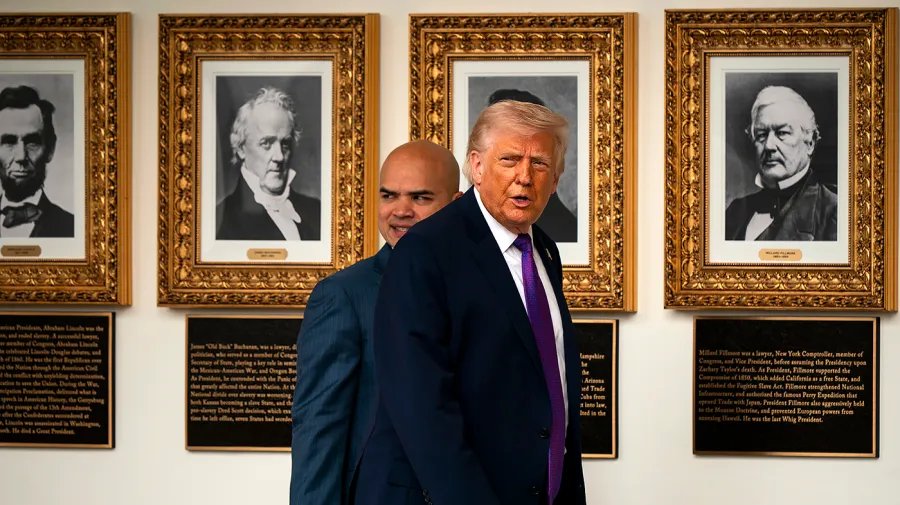
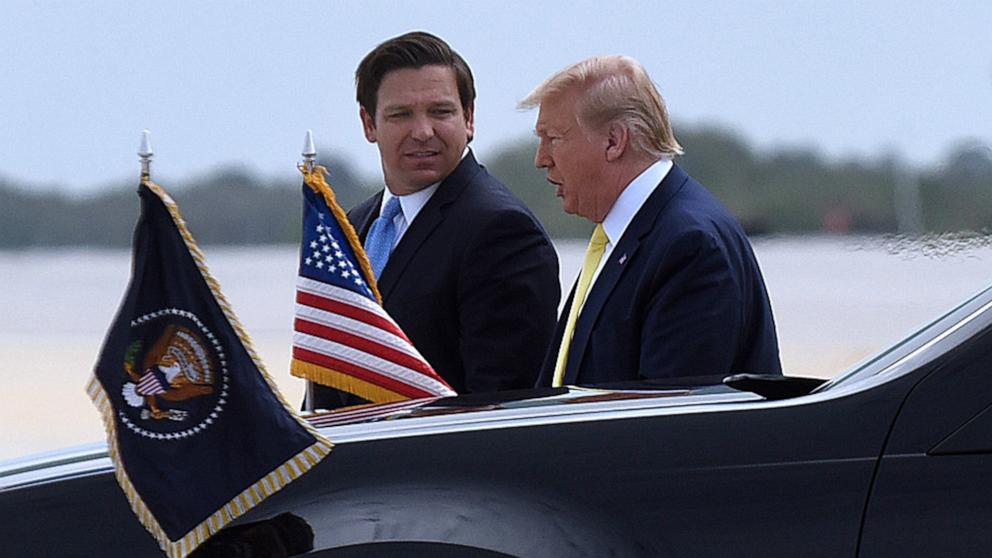
Rodriguez signed legislation in January allowing private investment in Venezuela's oil reserves and advanced a similar bill for the mining sector through an initial vote in March. The acting president has walked a careful line between cooperating with Washington and maintaining support from her political base, while Trump has pledged to "run" Venezuela and threatened further military action if she fails to comply with U.S. demands, according to Al Jazeera.
Legal Questions Surrounding Maduro's Capture
Legal experts have widely condemned the U.S. attack as illegal under international law. Rodriguez has publicly called for Maduro and his wife Cilia Flores, also captured in the January raid, to be returned to Venezuela. Trump warned in a January 4 Atlantic interview that Rodriguez could face consequences "bigger than Maduro" if she fails to meet U.S. expectations.
Human Rights Concerns Persist
Despite the change in leadership, the United Nations reports that human rights violations continue in Venezuela. The government still faces accusations of arbitrary arrests, torture, and extrajudicial killings against political opponents. Critics note that while Trump removed Maduro, he has largely kept the existing government structure intact while demanding economic reforms favorable to U.S. interests.