




The Violation That Landed Agents in Court
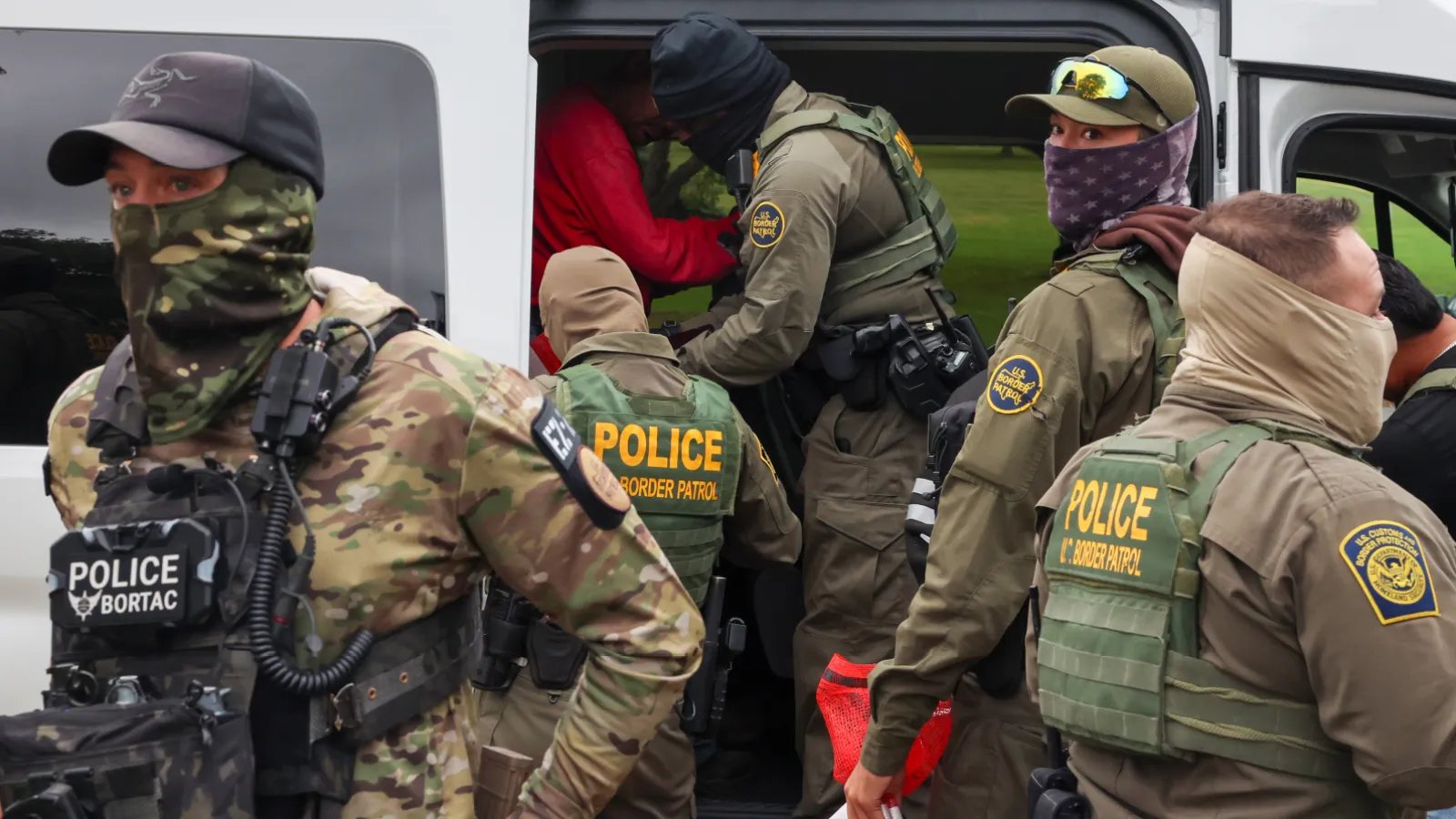
U.S. District Judge Jennifer G. Donato in San Francisco found Customs and Border Protection agents violated her previous order requiring warrants for immigration arrests in a 34-county area stretching from Bakersfield to the Oregon border. The judge's ruling came after agents continued making warrantless arrests in Northern California despite her October injunction that blocked the practice. Court records show agents arrested immigrants without warrants at least three times since the original order took effect.
What the Original Order Required
Donato's October ruling required Border Patrol agents to obtain judicial warrants before arresting immigrants in the region, which includes major cities like Sacramento, San Francisco, and San Jose. The order applied to arrests made more than 100 miles from the border, where agents had claimed expanded arrest powers under federal immigration law. The judge determined these warrantless arrests violated constitutional protections against unreasonable searches and seizures.
How Agents Defied the Court
The Department of Homeland Security's own records revealed agents continued making warrantless arrests in the covered territory. In one instance, agents stopped a farmworker in Fresno County without obtaining a warrant first. Another case involved an arrest in Stockton where agents failed to document why they believed the individual was deportable. The violations prompted immigrant rights groups to file contempt proceedings against the agency.
The Legal Consequences Now Facing Border Patrol
Donato's contempt finding requires Border Patrol to implement new documentation requirements for all future stops within the 34-county region. Agents must now record the legal basis for every stop, including whether they obtained a warrant or relied on a specific exception to the warrant requirement. The agency must submit monthly compliance reports to the court for the next six months. Failure to comply could result in sanctions against individual agents or the agency itself.
What This Means for Immigration Enforcement
The ruling effectively limits Border Patrol's ability to conduct roving immigration arrests throughout most of Northern California, an area larger than many states. Immigration attorneys expect the decision to reduce the number of random stops that have targeted Latino residents for years. The American Civil Liberties Union of Northern California, which brought the original lawsuit, called the ruling a victory for constitutional rights that will protect thousands of residents from unlawful detention.