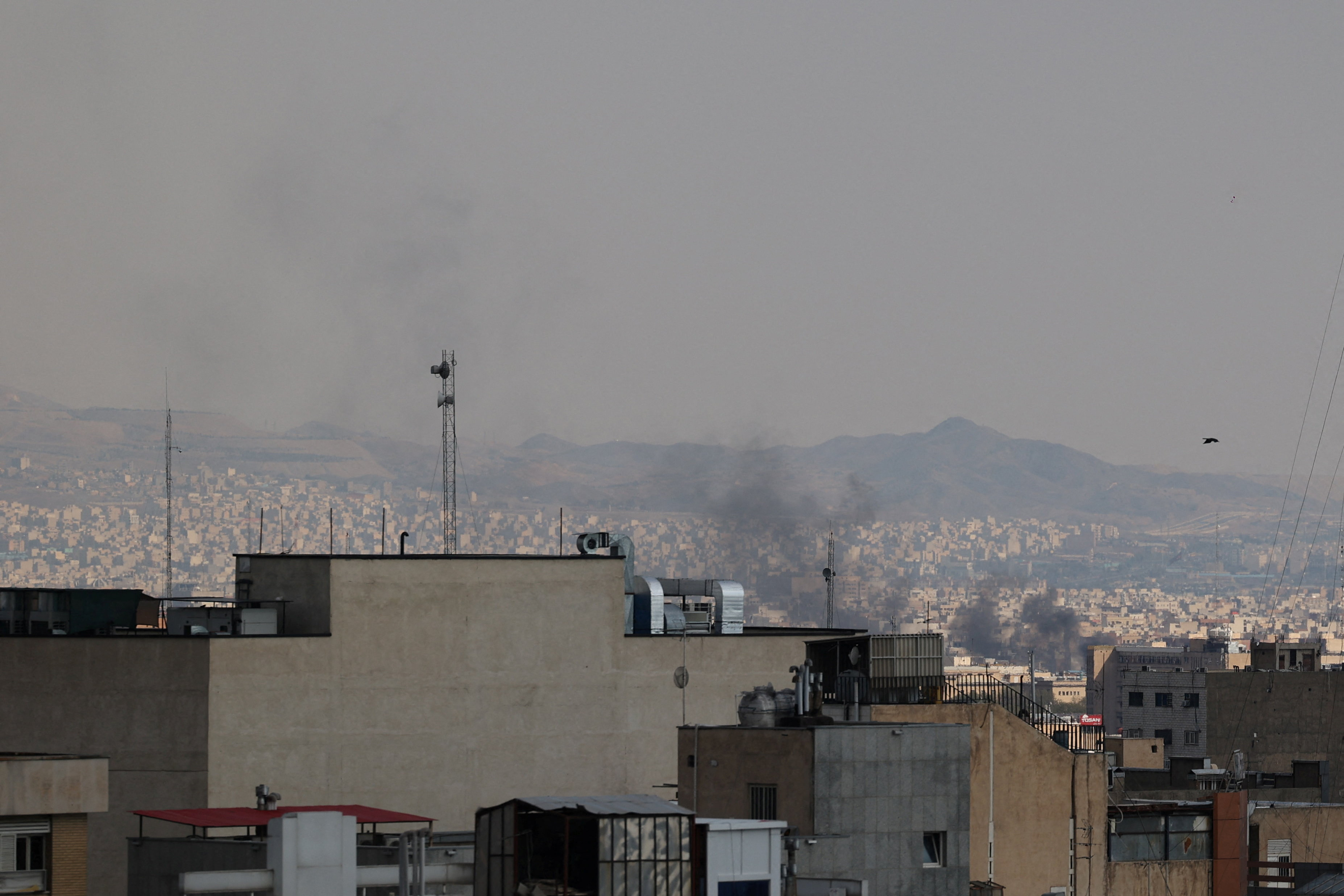





Direct Talks Underway Through Mediators
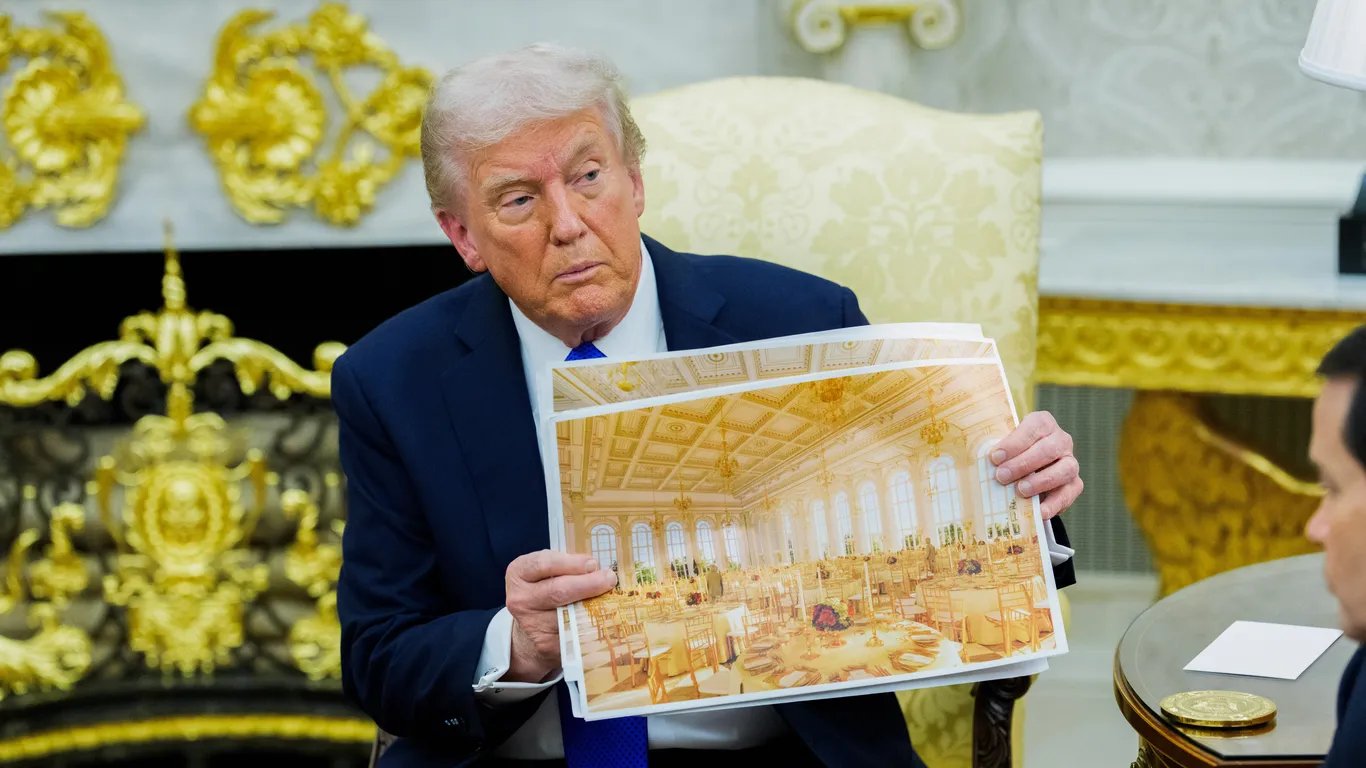
The U.S. and Iran are discussing a potential ceasefire that would reopen the Strait of Hormuz, according to three U.S. officials who spoke to Axios. The officials did not specify whether discussions occurred directly between Washington and Tehran or only through intermediaries, but they confirmed that President Trump has been discussing the possibility with officials inside and outside his administration. Vice President Vance passed a message to Iran via mediators as recently as Tuesday stating the U.S. is open to a ceasefire if its demands are met, including reopening the Strait of Hormuz. Vance also reiterated Trump's threats to attack Iranian infrastructure if no deal is reached.
Pakistan and China Present Joint Framework
Pakistan's Foreign Minister Ishaq Dar and Chinese Foreign Minister Wang Yi unveiled a five-point peace initiative on Tuesday following their meeting in Beijing. The proposal calls for an immediate cessation of hostilities with humanitarian assistance allowed to all war-affected areas, peace talks under the principle of safeguarding Iran's and Gulf states' independence and security, an immediate halt to attacks on critical infrastructure including energy and nuclear facilities, early and safe passage of civilian and commercial ships through the Strait, and conclusion of a comprehensive peace framework based on UN Charter principles. Dar told Axios the proposal was balanced and something all parties would be happy to endorse. Trump told Axios that negotiations with Iran were going well but did not specifically comment on the Pakistani-Chinese initiative.
Trump Claims Iran Requested Ceasefire; Tehran Denies
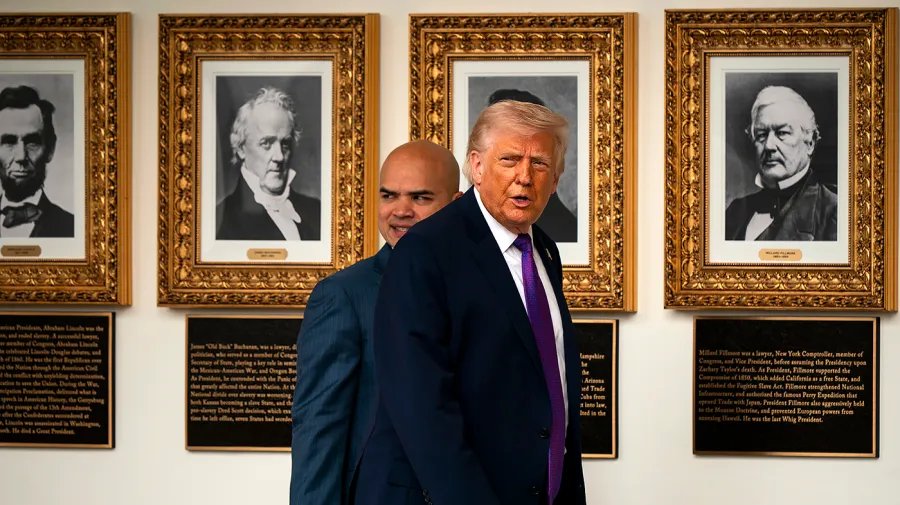
Trump posted on Truth Social on Wednesday that Iran's president had asked for a ceasefire, writing: "Iran's New Regime President, much less Radicalized and far more intelligent than his predecessors, has just asked the United States of America for a CEASEFIRE!" He stated the U.S. would consider the proposal only if the Strait of Hormuz became "open, free, and clear." Trump added that until then the U.S. would continue "blasting Iran into oblivion or, as they say, back to the Stone Ages!!!" Iran's Foreign Ministry spokesman Esmail Baghaei called Trump's remarks "false and baseless." The country's foreign minister had stated on Monday that Iran was not looking for a ceasefire.
Uncertainty Over Who Holds Real Power in Tehran
Experts caution that Trump may be misreading Iran's internal dynamics. Behnam Ben Taleblu, a senior fellow at the Foundation for Defense of Democracies, told Fox News that President Masoud Pezeshkian "clearly does not have the authority to turn on or turn off a major military conflict with the United States." Real power lies with senior figures tied to the Islamic Revolutionary Guard Corps, including Ahmad Vahidi, the new IRGC commander, Parliamentary speaker Mohammad Bagher Ghalibaf, and security official Mohammad Zolghadr. Beni Sabti, an Iran expert at the Israeli Institute for National Security Studies, warned that Vahidi may now be more influential than other prominent figures in Tehran, including Ghalibaf and Supreme Leader Ali Khamenei's son Mojtaba Khamenei.
Vahidi's History Raises Concerns About Hardline Stance
According to analysts, Vahidi has been linked to deadly attacks attributed to Iranian-backed networks abroad, including the 1992 bombing of the Israeli Embassy in Argentina and the 1994 bombing of the AMIA Jewish community center in Buenos Aires. Sabti described Vahidi as part of an early cadre of Iranian operatives who built ties with militant groups in Lebanon before and after the 1979 revolution. Some accounts suggest Vahidi trained in camps linked to Palestinian and Lebanese factions in southern Lebanon, helping lay the groundwork for Iran's long-standing alliance with Hezbollah. Sabti said Vahidi was accused of maintaining connections with al Qaeda figures following the September 11 attacks. Sabti warned that Vahidi's rise could further harden Iran's posture, saying he may not want to stop the war because "it serves the interests of the Revolutionary Guards to continue" and "they could become masters of the region if the United States folds."
Questions About Ceasefire Definitions and Intent
Sabti pointed to the concept of "hudna," describing it as "a ceasefire with deception — they stop when they are weak, rebuild their strength, and then attack again, whether against Israel or the United States." Such pauses can become "a cycle of violence that does not end," driven by ideological motivations, and should not be interpreted as a genuine end to hostilities. Ben Taleblu raised a fundamental question about any Iranian outreach: "The question is what was shared with President Trump genuine, or is it wheeling and dealing of just one ambitious person?" He noted that Iran operates as "a system of men, not a system of laws," where personal ties and informal influence often outweigh formal titles, making unified positions difficult to discern.
Stakes for Global Energy Markets
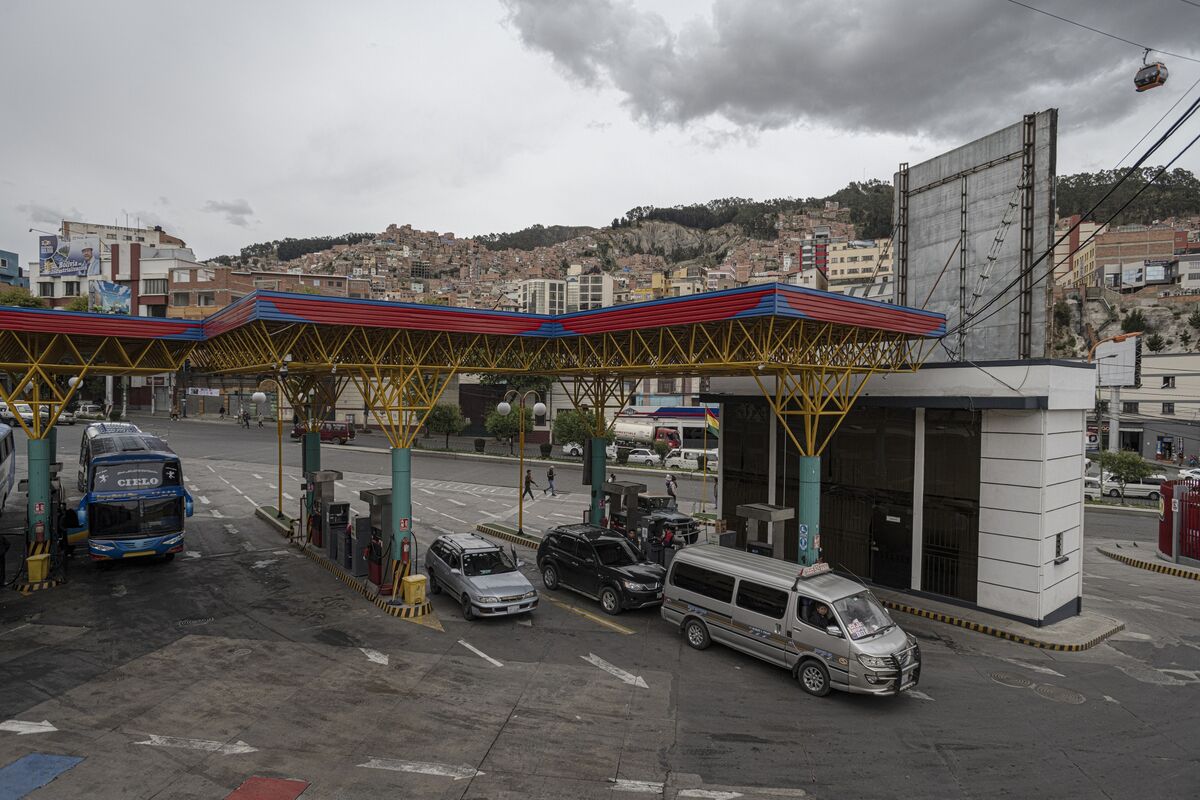
The Strait of Hormuz has been effectively shuttered as a result of the war, with about one-fifth of the world's oil and liquified natural gas supplies normally transiting through the critical Gulf waterway. However, Trump's threat to continue bombing Iran until the Strait reopens raised questions about the timeline. Mohamad Elmasry, a professor at the Doha Institute for Graduate Studies, said Trump was "giving people hope in one breath and taking it away in the next" with his contradictory statements about ending the conflict.