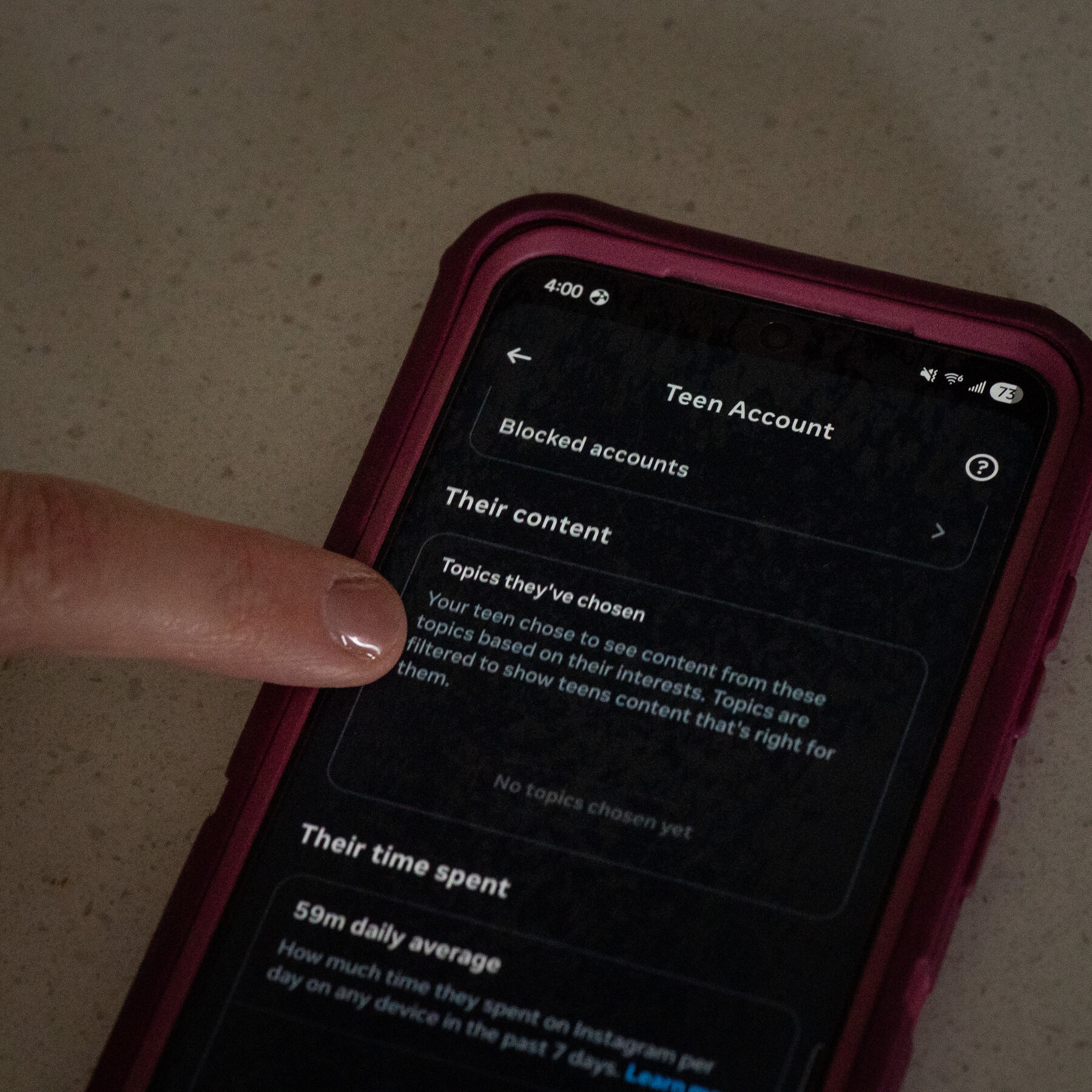
Meta has agreed to limit the prominence and availability of PG-13 rated material to teen accounts under a deal with the Motion Picture Association. The social media giant faced legal pressure from the MPA, which prompted the company to retreat from its use of the movie rating in marketing to younger users. The restriction represents a shift in how Meta manages content moderation for minors on its services.
The Motion Picture Association sought to prevent Meta from using its official film ratings as a branding tool without proper controls. The MPA's movie rating system, which includes categories like G, PG, PG-13, R, and NC-17, was designed for theatrical films and home video, not social media content moderation. By pressuring Meta to restrict PG-13 usage, the MPA moved to protect the integrity of its rating system and ensure the classifications were not misapplied to user-generated social media content.
The deal reflects growing regulatory scrutiny of how platforms manage content for minors. This agreement with the MPA adds another layer of content restrictions the platform must implement, joining existing age-verification and parental control features Meta has developed in recent years.
Meta will restrict how teenagers can access content rated PG-13 on its platforms under a deal with the Motion Picture Association. The social media giant faced legal pressure from the MPA, which prompted the company to retreat from its use of the movie rating in marketing to younger users. The restriction represents a shift in how Meta manages content moderation for minors on its services.
Teenagers will no longer see content labeled with PG-13 ratings displayed as readily accessible on Meta's platforms. The company previously used movie rating categories as part of its content classification system for younger users. Under the new agreement, Meta has agreed to limit the prominence and availability of PG-13 rated material to teen accounts, effectively narrowing the range of content the platform suggests to this user group.
The Motion Picture Association sought to prevent Meta from using its official film ratings as a branding tool without proper controls. The MPA's movie rating system, which includes categories like G, PG, PG-13, R, and NC-17, was designed for theatrical films and home video, not social media content moderation. By pressuring Meta to restrict PG-13 usage, the MPA moved to protect the integrity of its rating system and ensure the classifications were not misapplied to user-generated social media content.
The deal reflects growing regulatory scrutiny of how platforms manage content for minors. Meta has faced increased pressure from lawmakers and advocacy groups over teen safety and content exposure. This agreement with the MPA adds another layer of content restrictions the platform must implement, joining existing age-verification and parental control features Meta has developed in recent years.
Highlighted text was flagged by the council. Tap to see feedback.