
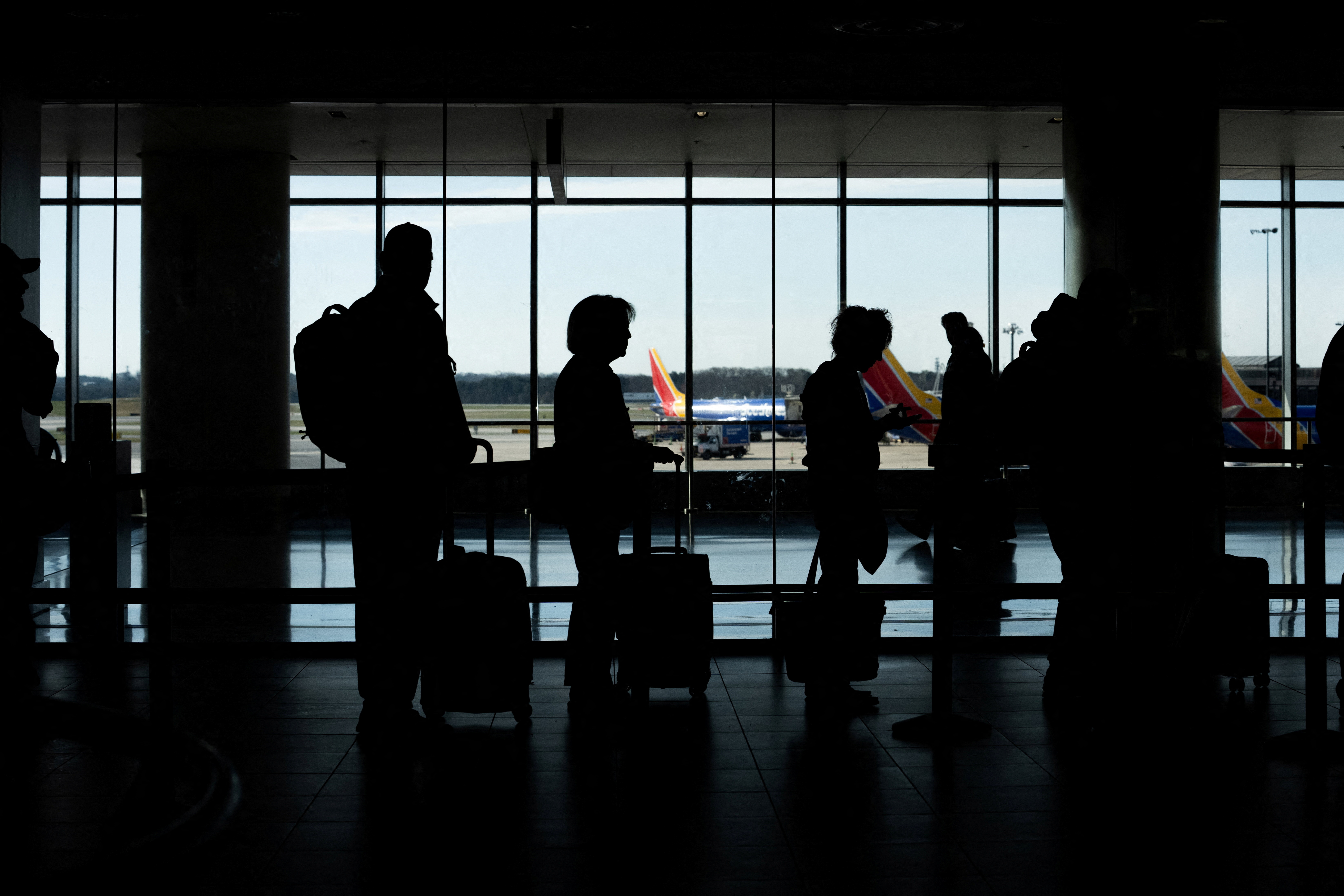





Absences Strain Airport Operations
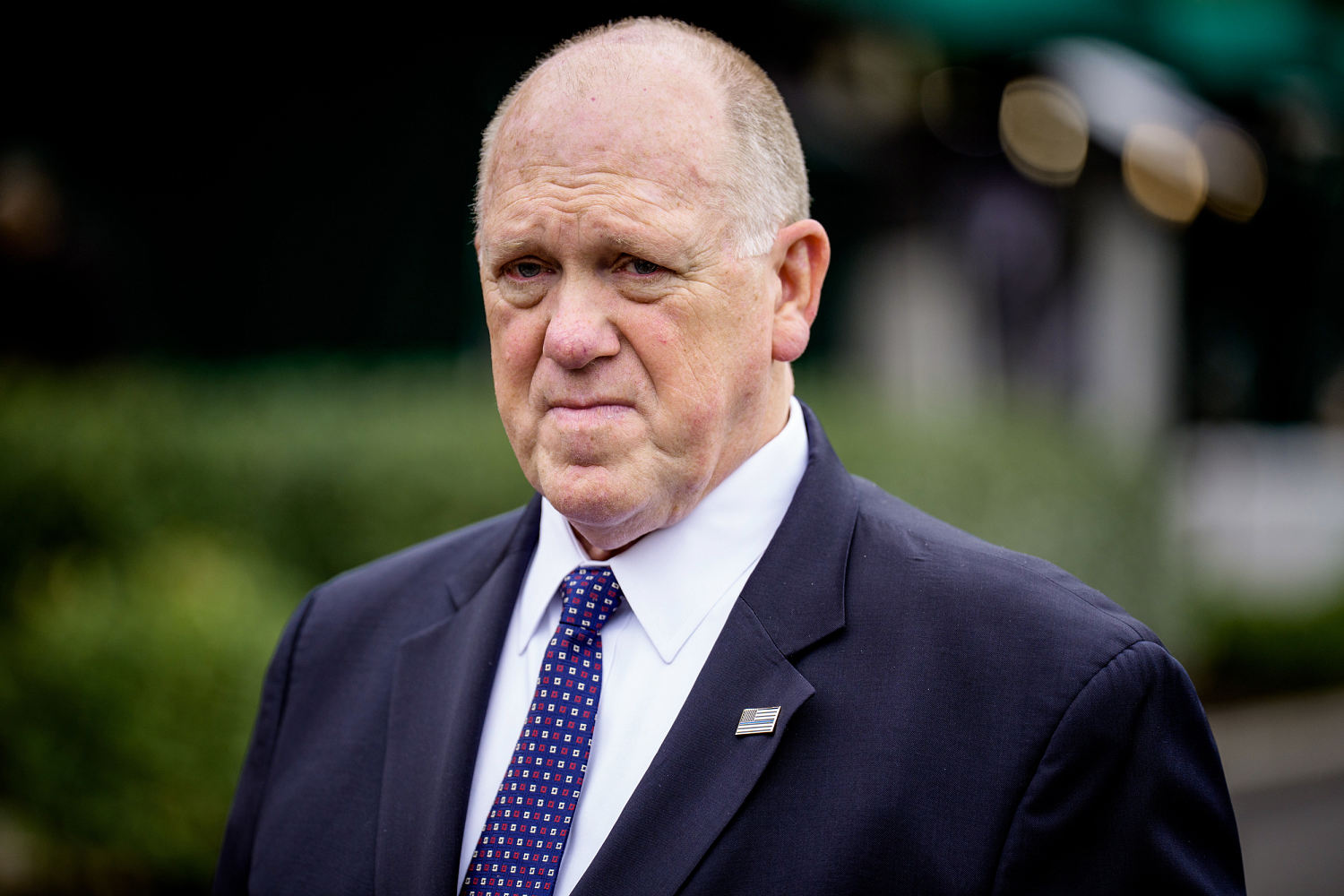
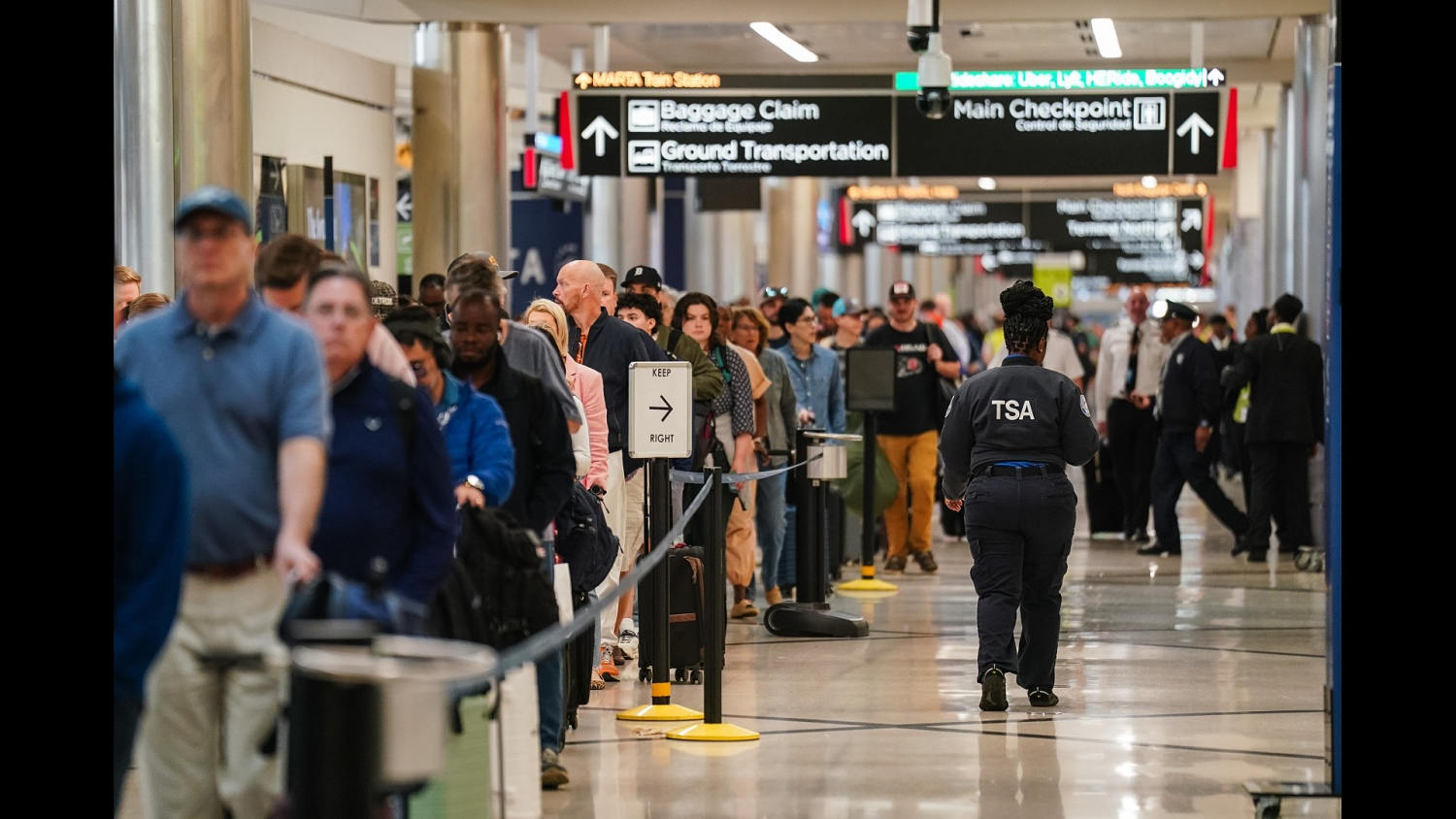
TSA officers called out absent at a 10.6% rate on Sunday, affecting security lines at major hubs and forcing travelers to endure longer waits. Baltimore/Washington International Airport saw the highest rate at 38.5%, while Houston's George Bush Intercontinental reported 36.4% and William P. Hobby Airport 34.1%. Immigration and Customs Enforcement agents stepped in at BWI to keep checkpoints open, as White House border czar Tom Homan promised support until staffing normalized.
Back Pay Reaches Workers
TSA officers received pay for 160 hours covering February 22 to March 21, with some deposits hitting bank accounts as early as Monday. Pasqual Contreras, a TSA officer at Phoenix Sky Harbor Airport, said the back pay covered his rent for March but would not go far into April. The payments followed President Trump's executive order directing the Department of Homeland Security to issue the checks, though workers remained unpaid for February 14 to 21 and awaited clarity on overtime.
Workers Face Financial Hardships
More than 510 TSA officers quit due to the shutdown's financial strain, with Angela Grana, a TSA officer in Colorado and regional vice president for the American Federation of Government Employees, explaining that resigning meant losing security clearance and jobs. Grana received her paycheck early Monday but highlighted ongoing challenges, such as accumulating late fees and struggles with childcare that kept some colleagues from returning. TSA officers start at $40,000 a year. Travelers donated food and gas to help them.
Shutdown's Wider Impact
The Department of Homeland Security shutdown first lapsed on February 14, leaving tens of thousands of workers unpaid, though Immigration and Customs Enforcement agents continued receiving funds from last year's legislation. New Orleans and Atlanta airports reported call-out rates above 33%, contributing to nationwide staffing shortages that disrupted flights and forced some travelers to miss connections. While TSA absences dipped from a peak of 12.4% on March 27, the persistent high rates underscored ongoing operational risks for holiday travel periods.
Human Toll on Daily Life
Grana noted that as a grandmother, she had missed family milestones because she was not allowed to take unscheduled leave, and that most TSA workers would be working on Easter. Contreras said the payment allowed him to afford gas for his two-hour round-trip commute to Phoenix Sky Harbor Airport, which he had previously struggled to pay for. As bills come due on Wednesday, many TSA employees will continue juggling financial recovery, potentially leading to further absences that delay airport processing for everyday passengers.












The summary attributes explanations about resignations to Angela Grana, a TSA officer in Colorado, but the sources do not mention her.