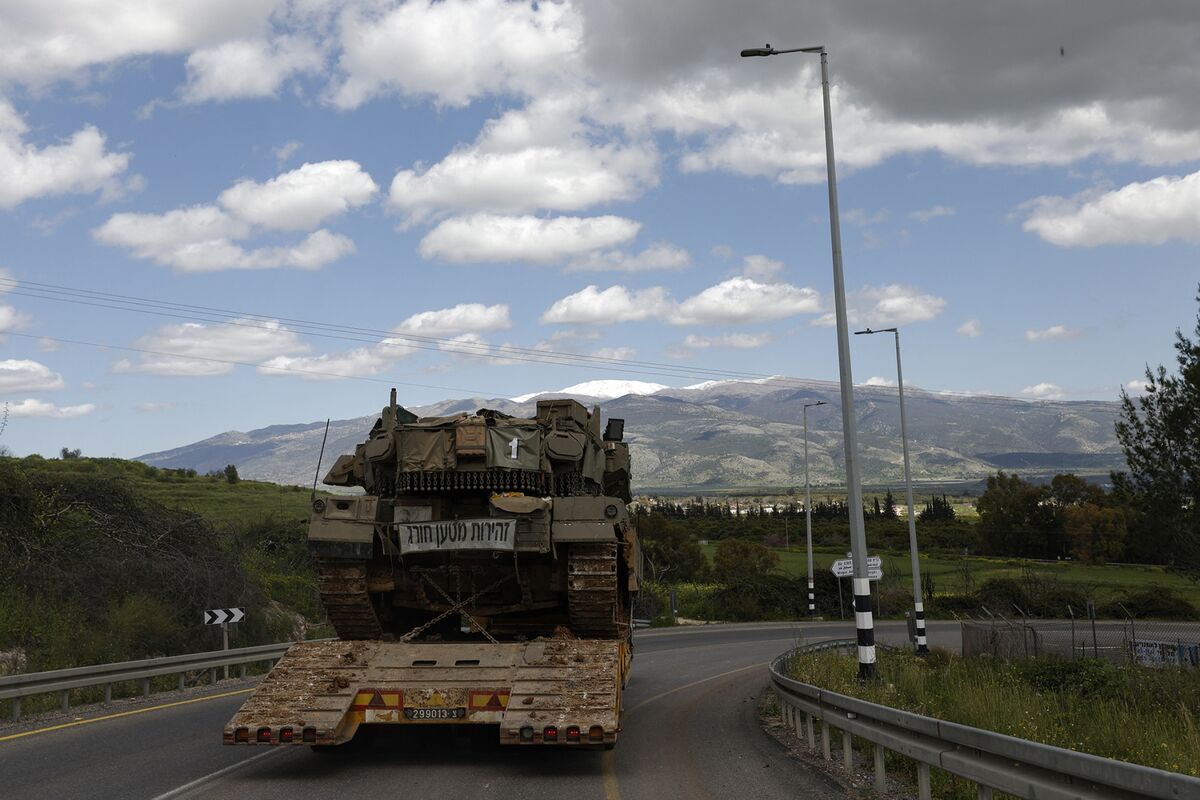
Israel's Defence Minister Israel Katz announced that his country will maintain military control over a large portion of southern Lebanon even after the war with Hezbollah concludes. In a video statement released Tuesday, Katz said the Israeli Defence Forces will establish a security zone inside Lebanon and hold it indefinitely. The occupied territory will extend to the Litani River, roughly 30 kilometers from the Israeli border.
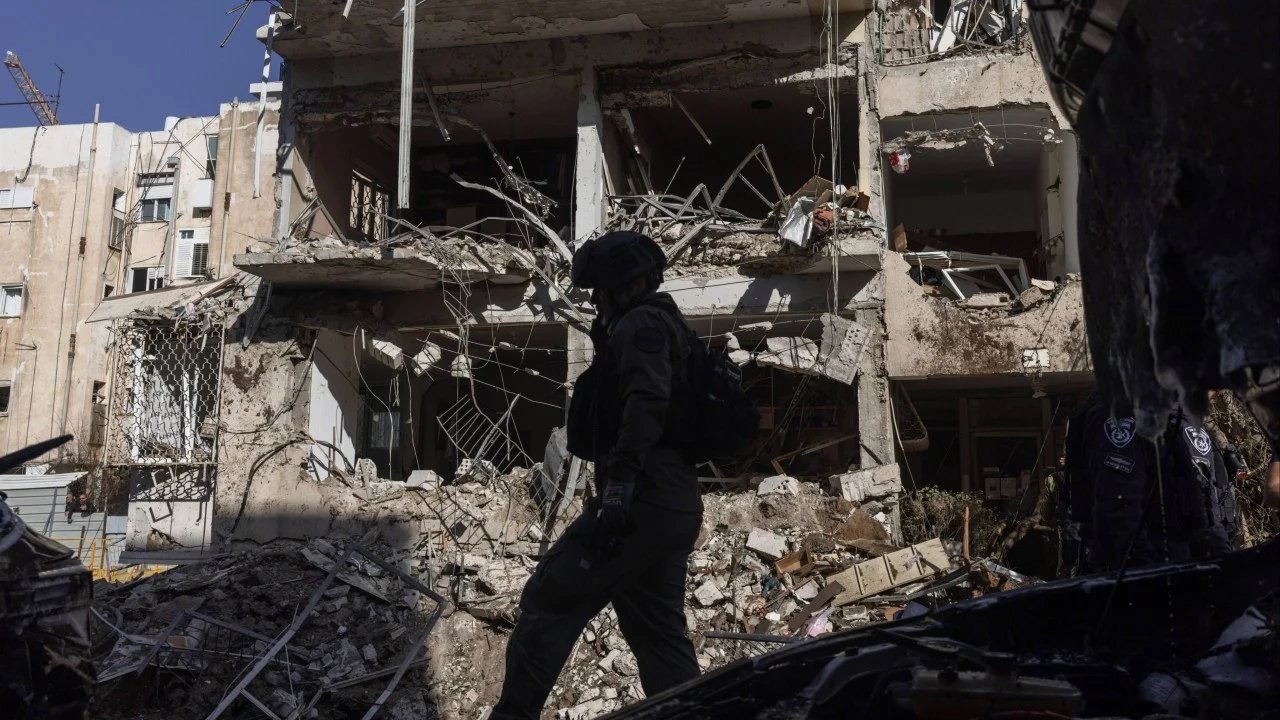
Katz also declared that all houses in Lebanese villages near the border will be demolished, implying the scale of destruction would be similar to what Israel has carried out in Gaza's Rafah and Beit Hanoun.
Israel will prevent more than 600,000 residents of southern Lebanon from returning to their homes south of the Litani River until Israeli officials determine that northern Israel is secure. Katz stated in his video message that "the return of more than 600,000 residents of southern Lebanon who evacuated northward will be completely prohibited south of the Litani until the safety and security of northern residents are ensured."
The displacement has already reached catastrophic proportions. More than 1.1 million people have been displaced across Lebanon since Israel launched intensified attacks on March 2, after Hezbollah fired missiles into northern Israel during the US-Israeli war on Iran. This represents roughly one in every six Lebanese citizens forced from their homes.
Lebanon's Social Affairs Minister Haneen Sayed called Israel's plans "a huge violation" of her country's sovereignty. Speaking to Reuters after Katz's announcement, Sayed said the Lebanese government would prepare for the possibility while working to prevent it. "We hope it does not happen, but as a government, we have to prepare and think about it," she said.
UN humanitarian chief Tom Fletcher raised the prospect of a new occupied territory during an emergency UN Security Council session on Tuesday. "Given the intensity of the coercive displacement that we are seeing, how should we prepare collectively as the international community for a new addition to the list of occupied territories?" Fletcher asked the council. He noted that 51 primary healthcare centres and four hospitals had closed due to hostilities.
Canadian Prime Minister Mark Carney described Israel's ground deployment in Lebanon as an "illegal invasion" that violates the country's "integrity and sovereignty." Foreign ministers from 10 European countries, including the UK, France, and Italy, along with EU foreign policy chief Kaja Kallas, jointly urged Israel to avoid widening military operations and to respect Lebanese territorial integrity. Lebanon's President Joseph Aoun characterized the plans as "collective punishment against civilians."
At least 1,238 people have been killed in Lebanon since early March, including at least 124 children, according to the Lebanese health ministry. The UN's humanitarian affairs office reported that 52 health workers were also killed. An Israeli airstrike in southern Lebanon killed three journalists over the weekend: Ali Hassan Shaib, photojournalist Mohamad Ftouni, and his sister Fatima Ftouni. The Israeli military acknowledged targeting Shaib, claiming he was involved in military activities, an assertion disputed by the Committee to Protect Journalists.
Three Indonesian peacekeepers were also killed in recent days. Two died when an explosion of unknown origin destroyed their vehicle near the southern Lebanese village of Bani Haiyyan on Monday, while another was killed when a projectile struck a UN position near Aadshit al-Qusayr the day before. UN undersecretary-general for peace operations Jean-Pierre Lacroix stated that initial findings "point to a roadside explosion striking the convoy" and emphasized that "peacekeepers must never be a target."
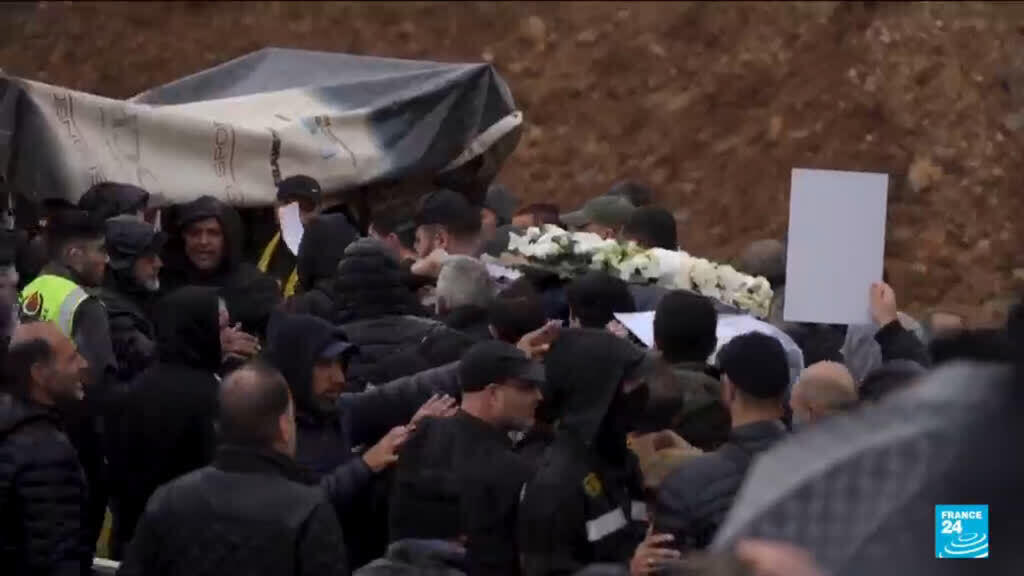
A hospital in southern Lebanon has been subjected to Israeli attacks five times. Despite damage, doctors and healthcare workers continue operating.
Israel's Defence Minister Israel Katz announced that his country will maintain military control over a large portion of southern Lebanon even after the war with Hezbollah concludes. In a video statement released Tuesday, Katz said the Israeli Defence Forces will establish a security zone inside Lebanon and hold it indefinitely. The occupied territory will extend to the Litani River, roughly 30 kilometers from the Israeli border.
Katz also declared that all houses in Lebanese villages near the border will be demolished, comparing the scale of destruction to what Israel has carried out in Gaza's Rafah and Beit Hanoun. The statement represents a significant escalation beyond Israel's earlier announcements about creating a buffer zone, as it commits to a permanent military presence rather than a temporary one.
Israel will prevent more than 600,000 residents of southern Lebanon from returning to their homes south of the Litani River until Israeli officials determine that northern Israel is secure. Katz stated in his video message that "the return of more than 600,000 residents of southern Lebanon who evacuated northward will be completely prohibited south of the Litani until the safety and security of northern residents are ensured."
The displacement has already reached catastrophic proportions. More than 1.1 million people have been displaced across Lebanon since Israel launched intensified attacks on March 2, after Hezbollah fired missiles into northern Israel. This represents roughly one in every six Lebanese citizens forced from their homes.
Lebanon's Social Affairs Minister Haneen Sayed called Israel's plans "a huge violation" of her country's sovereignty. Speaking to Reuters after Katz's announcement, Sayed said the Lebanese government would prepare for the possibility while working to prevent it. "We hope it does not happen, but as a government, we have to prepare and think about it," she said.
UN humanitarian chief Tom Fletcher raised the prospect of a new occupied territory during an emergency UN Security Council session on Tuesday. "Given the intensity of the coercive displacement that we are seeing, how should we prepare collectively as the international community for a new addition to the list of occupied territories?" Fletcher asked the council. He noted that 51 primary healthcare centres and four hospitals had closed due to hostilities.
Canadian Prime Minister Mark Carney described Israel's ground deployment in Lebanon as an "illegal invasion" that violates the country's "integrity and sovereignty." Foreign ministers from 10 European countries, including the UK, France, and Italy, along with EU foreign policy chief Kaja Kallas, jointly urged Israel to avoid widening military operations and to respect Lebanese territorial integrity. Lebanon's President Joseph Aoun characterized the plans as "collective punishment against civilians."
At least 1,238 people have been killed in Lebanon since early March, including at least 124 children, according to the Lebanese health ministry. The UN's humanitarian affairs office reported that 52 health workers were also killed. An Israeli airstrike in southern Lebanon killed three journalists over the weekend: Ali Hassan Shaib, photojournalist Mohamad Ftouni, and his sister Fatima Ftouni. The Israeli military acknowledged targeting Shaib and Ftouni but claimed they were involved in military activities, assertions disputed by the Committee to Protect Journalists.
Three Indonesian peacekeepers were also killed in recent days. Two died when an explosion of unknown origin destroyed their vehicle near the southern Lebanese village of Bani Haiyyan on Monday, while another was killed when a projectile struck a UN position near Aadshit al-Qusayr the day before. UN undersecretary-general for peace operations Jean-Pierre Lacroix stated that initial findings "point to a roadside explosion striking the convoy" and emphasized that "peacekeepers must never be a target."
Tyre hospital in southern Lebanon has been struck five times since the offensive began, yet doctors and healthcare workers continue operating despite elevated dangers.
Highlighted text was flagged by the council. Tap to see feedback.