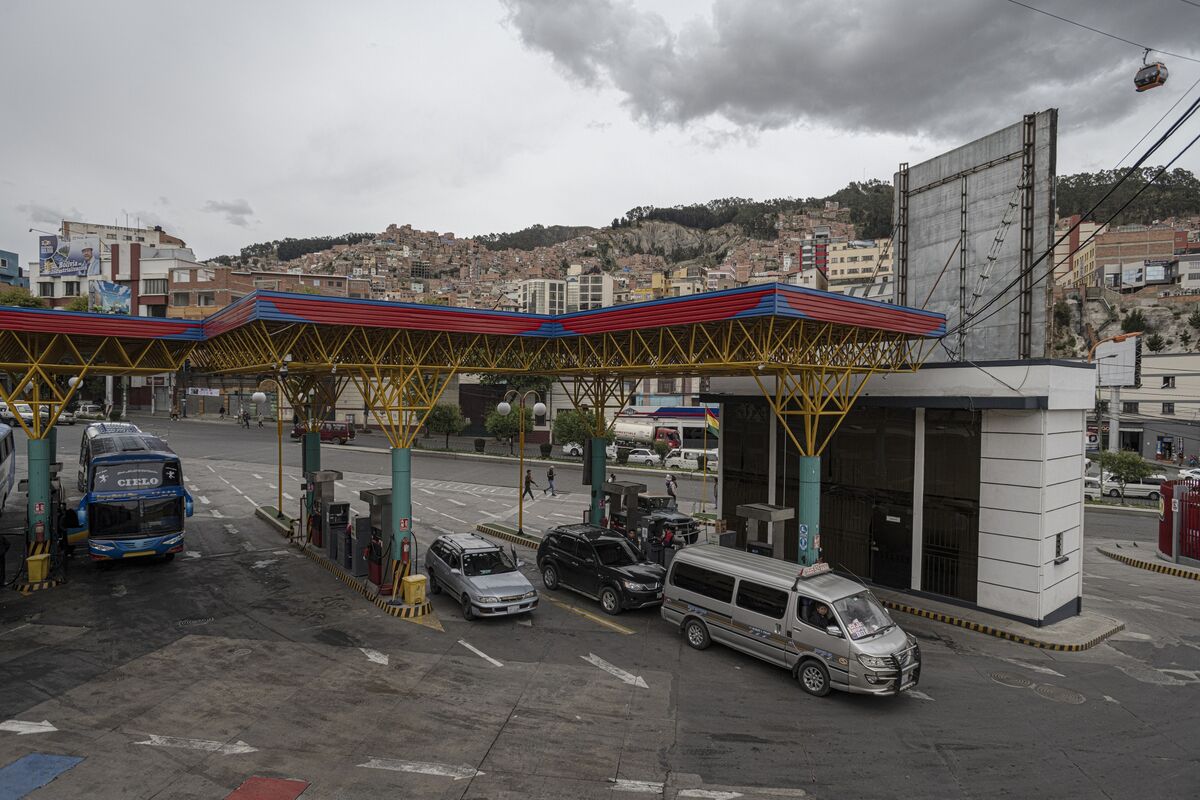
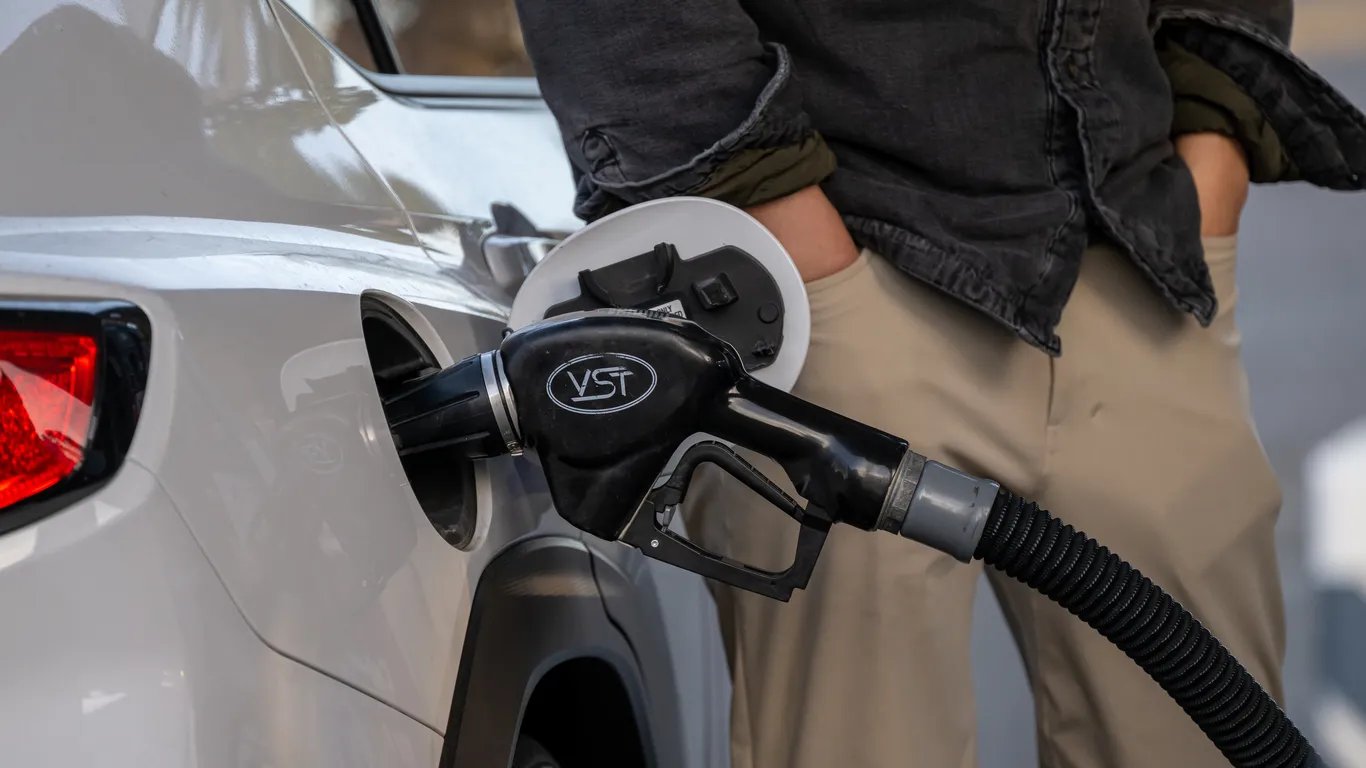
Bolivia's government has suspended its gasoline supply contracts with Vitol and Trafigura. The decision stems from an ongoing investigation into fuel quality and smuggling allegations involving these traders, according to Hydrocarbons and Energy Minister Mauricio Medinaceli. This action could disrupt fuel supply chains and potentially impact gasoline availability for Bolivian consumers.
The investigation focuses on alleged irregularities in fuel trading practices. He stated, "We are taking this very seriously to protect our citizens and ensure they receive quality products."
The suspension of contracts with these major traders raises concerns over potential fuel shortages in Bolivia.
Reactions from the oil trading industry have been mixed. While some support the government's stance on maintaining fuel quality, others worry about the long-term effects on Bolivia's energy market.
The Bolivian government plans to explore alternative suppliers to fill the gap left by Vitol and Trafigura. Minister Medinaceli indicated that they would prioritize partnerships with companies that adhere to strict quality standards. The government aims to stabilize the market while the investigation continues.
This move is part of a larger trend in Latin America, where several countries are scrutinizing fuel quality and trading practices more closely. As governments prioritize consumer protection and transparency, the actions taken by Bolivia may influence neighboring countries to adopt similar measures.
As Bolivia navigates this investigation and its implications, consumers should prepare for potential fluctuations in fuel availability and prices. The government's commitment to quality assurance may ultimately lead to a more regulated and safer fuel market, but the immediate effects could be felt at the gas stations across the country.
Bolivia's government has suspended its gasoline supply contracts with Vitol and Trafigura, effective immediately. The decision stems from an ongoing investigation into fuel quality and smuggling allegations involving these traders, according to Hydrocarbons and Energy Minister Mauricio Medinaceli. This action could disrupt fuel supply chains and potentially impact gasoline availability for Bolivian consumers.
The investigation focuses on alleged irregularities in fuel trading practices. Minister Medinaceli did not disclose specific details about the evidence collected but emphasized the government's commitment to ensuring high fuel quality standards. He stated, "We are taking this very seriously to protect our citizens and ensure they receive quality products."
The suspension of contracts with these major traders raises concerns over potential fuel shortages in Bolivia. With Vitol and Trafigura being significant players in the market, the halt could lead to increased fuel prices and challenges in sourcing gasoline. Industry analysts suggest that without immediate alternatives, consumers might face higher costs at the pump.
Reactions from the oil trading industry have been mixed. While some support the government's stance on maintaining fuel quality, others worry about the long-term effects on Bolivia's energy market. An unnamed source within the industry remarked, "This could set a precedent for how fuel quality is monitored, but it also risks isolating Bolivia from major global traders."
The Bolivian government plans to explore alternative suppliers to fill the gap left by Vitol and Trafigura. Minister Medinaceli indicated that they would prioritize partnerships with companies that adhere to strict quality standards. The government aims to stabilize the market while the investigation continues.
This move is part of a larger trend in Latin America, where several countries are scrutinizing fuel quality and trading practices more closely. As governments prioritize consumer protection and transparency, the actions taken by Bolivia may influence neighboring countries to adopt similar measures.
As Bolivia navigates this investigation and its implications, consumers should prepare for potential fluctuations in fuel availability and prices. The government's commitment to quality assurance may ultimately lead to a more regulated and safer fuel market, but the immediate effects could be felt at the gas stations across the country.
Highlighted text was flagged by the council. Tap to see feedback.