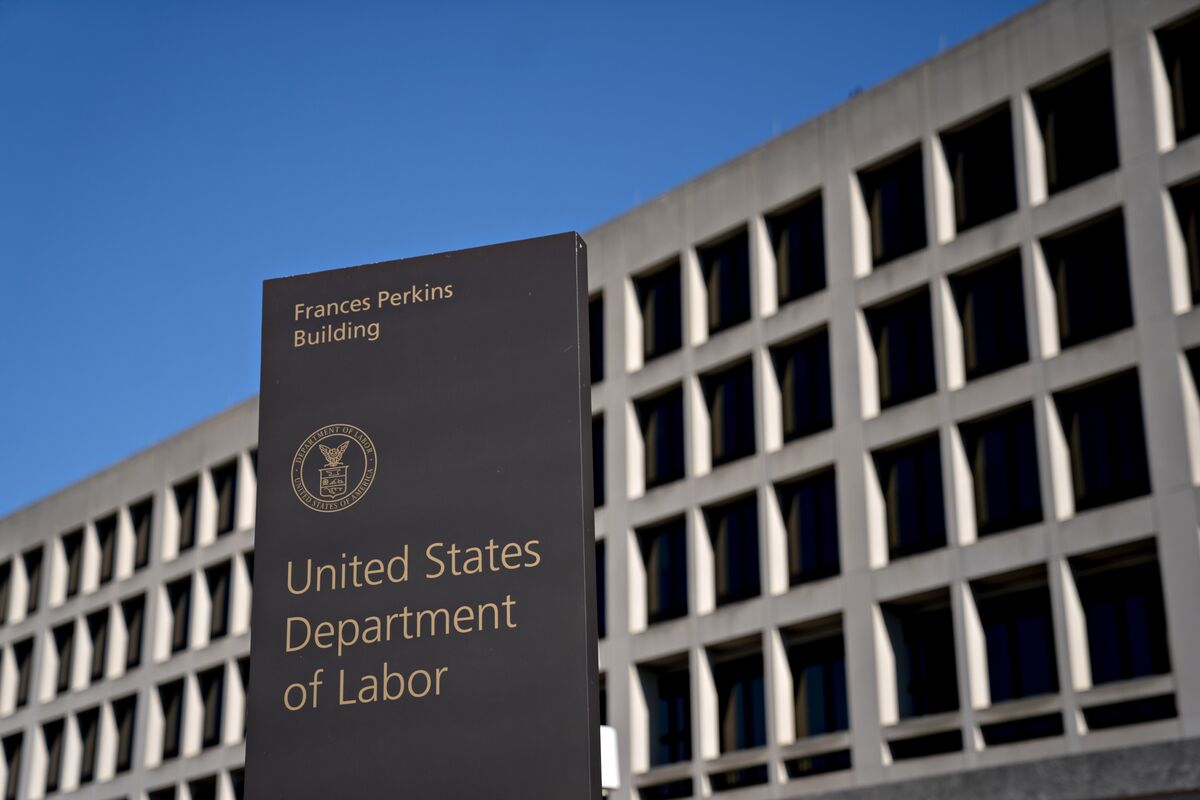
President Trump signed an executive order Tuesday aimed at restricting mail-in voting, a practice he has baselessly called "mail-in cheating." The order directs Homeland Security Secretary Markwayne Mullin, with assistance from the Social Security Administration, to create a list of verified U.S. citizens eligible to vote. Commerce Secretary Howard Lutnick said Trump is "going to make sure that mail-in ballots are safe, secure and accurate."
The executive order also stipulates that the U.S. Postal Service can only send absentee ballots to individuals on a federally prepared, approved mail-in ballot list, with one envelope per ballot. States that do not comply with the order risk losing federal funding, according to a White House official.
Election law scholars argue that Trump lacks the authority to enact such changes, stating that the Constitution grants states the power to run their own elections, with Congress able to set policy. Trump believes the order is "foolproof."
The executive order comes as the Justice Department seeks sensitive voter data from states and is involved in over two dozen lawsuits for that data. The administration claims it needs the data to enforce states' voter list maintenance. NPR reported that some U.S. citizens have been inaccurately flagged by the SAVE system.
A federal judge permanently blocked President Trump's executive order to halt funding to National Public Radio (NPR) and the Public Broadcast Service (PBS). U.S. District Judge Randolph D. Moss prohibited the enforcement of Executive Order 14290, citing the First Amendment. The judge said the president's executive order singles out two speakers and, on the basis of their speech, bars them from all federally funded programs.
White House spokesperson Abigail Jackson said the ruling was an attempt to undermine the law. NPR's lawyer, Theodore Boutrous, said the Court's decision bars the government from enforcing its unconstitutional Executive Order targeting NPR and PBS because the President dislikes their news reporting and other programming.
A federal judge halted the construction of Trump's $400 million White House ballroom. The judge ordered Trump to seek approval from Congress.
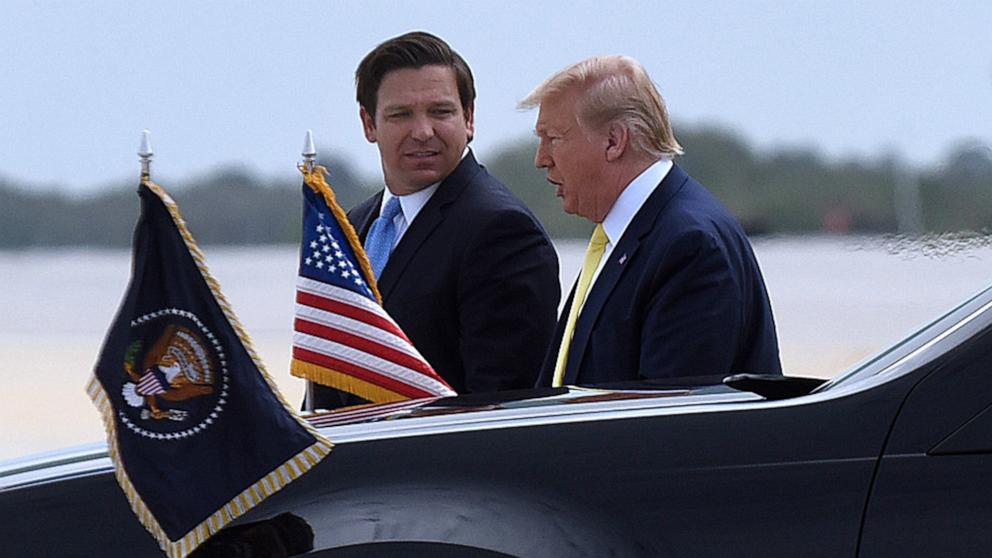
Florida Gov. Ron DeSantis signed legislation renaming Palm Beach International Airport to "Donald J. Trump International Airport." The bill, passed by Republicans in the Florida House and Senate via votes of 81-30 and 25-11, respectively, gives the state the authority to name "major commercial service airports."
President Trump signed an executive order Tuesday aimed at restricting mail-in voting, a practice he has baselessly called "mail-in cheating." The order directs Homeland Security Secretary Markwayne Mullin, with assistance from the Social Security Administration, to create a list of verified U.S. citizens eligible to vote. Commerce Secretary Howard Lutnick said Trump is “going to make sure that mail-in ballots are safe, secure and accurate.”
The executive order also stipulates that the U.S. Postal Service can only send absentee ballots to individuals on a federally prepared, approved mail-in ballot list, with one envelope per ballot. States that do not comply with the order risk losing federal funding, according to a White House official.
Election law scholars argue that Trump lacks the authority to enact such changes, stating that the Constitution grants states the power to run their own elections, with Congress able to set policy. Trump believes the order is "foolproof."
The executive order comes as the Justice Department seeks sensitive voter data from states and is involved in over two dozen lawsuits for that data. The administration claims it needs the data to enforce states' voter list maintenance. A DOJ official admitted in court that the department plans to share that data with the Department of Homeland Security to search for noncitizens. NPR reported that some U.S. citizens have been inaccurately flagged by the SAVE system.
A federal judge permanently blocked President Trump’s executive order to halt funding to National Public Radio (NPR) and the Public Broadcast Service (PBS). U.S. District Judge Randolph D. Moss prohibited the enforcement of Executive Order 14290, citing the First Amendment. The judge said the president's executive order singles out two speakers and, on the basis of their speech, bars them from all federally funded programs.
White House spokesperson Abigail Jackson called it a ridiculous ruling by an activist judge attempting to undermine the law. NPR's lawyer, Theodore Boutrous, said the Court's decision bars the government from enforcing its unconstitutional Executive Order targeting NPR and PBS because the President dislikes their news reporting and other programming.
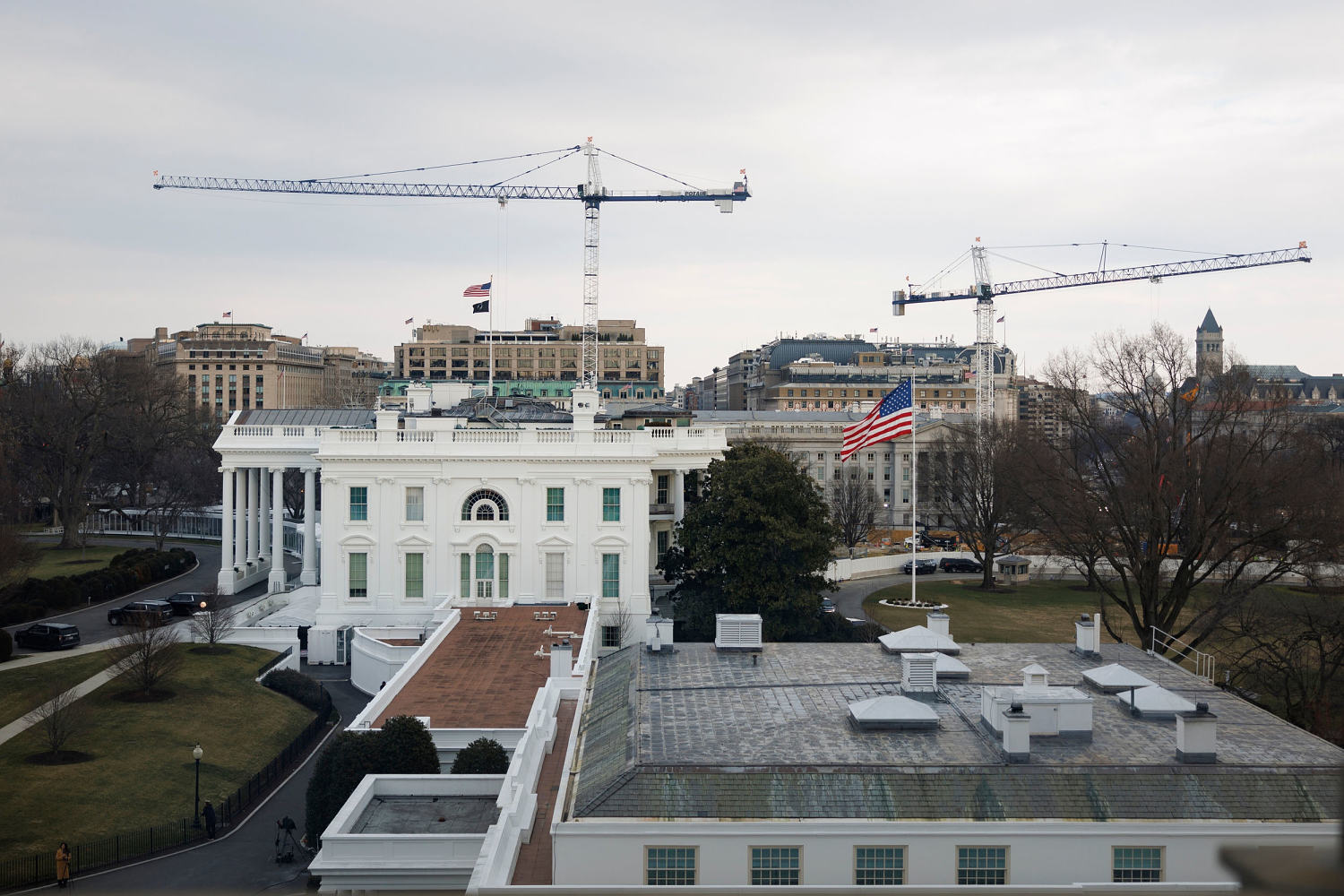
A federal judge halted the construction of Trump’s $400 million White House ballroom. The president demolished the East Wing of the White House last year to make way for the 90,000-square-foot project. The judge ordered Trump to seek approval from Congress.
Florida Gov. Ron DeSantis signed legislation renaming Palm Beach International Airport to “Donald J. Trump International Airport.” The bill, passed by Republicans in the Florida House and Senate via votes of 81-30 and 25-11, respectively, gives the state the authority to name “major commercial service airports.”
With legal challenges expected and data-sharing agreements under scrutiny, the upcoming midterm primary elections could be affected if states choose to comply with the executive order and risk losing federal funding.
Highlighted text was flagged by the council. Tap to see feedback.













For example, the provided sources do not mention Commerce Secretary Howard Lutnick or his statement about mail-in ballots.