





The Tanker's Arrival in Matanzas
The Anatoly Kolodkin oil tanker docked in Cuba's port of Matanzas on Tuesday, carrying 730,000 barrels of crude oil. This shipment marks the first crude oil delivery to the island since early January, following a halt in supplies from Venezuela. Energy and Mines Minister Vicente de la O Levy expressed gratitude to Russia on X, calling it a "valuable shipment" amid ongoing shortages.
Cuba's Immediate Energy Relief
The oil from the Anatoly Kolodkin could sustain Cuba's daily demand for nine to 10 days, according to experts. Jorge Piñón from the University of Texas at Austin noted that the country urgently needs diesel for backup generators and transportation. The arrival ends a three-month period without tankers, easing blackouts that have left most hospitals unable to function normally and forced schools to close.
US Policy on the Shipment
President Trump stated on Sunday that he had "no problem" with countries sending fuel to Cuba because residents "have to survive." However, he added that "Cuba's finished" and that the oil shipment would not change his assessment of the regime, saying "whether or not they get a boat of oil, it's not going to matter." White House Press Secretary Karoline Leavitt explained on Monday that officials permitted this tanker on a case-by-case basis for humanitarian reasons. Despite allowing this tanker, the Trump administration maintained its oil blockade, with Leavitt stating there has been "no firm change in our sanctions policy."

The sources also report that the Anatoly Kolodkin, a Russian-owned tanker carrying crude oil, is under US, EU, and British sanctions over Russia's invasion of Ukraine, yet was allowed to dock.
Effects on Cuban Daily Life
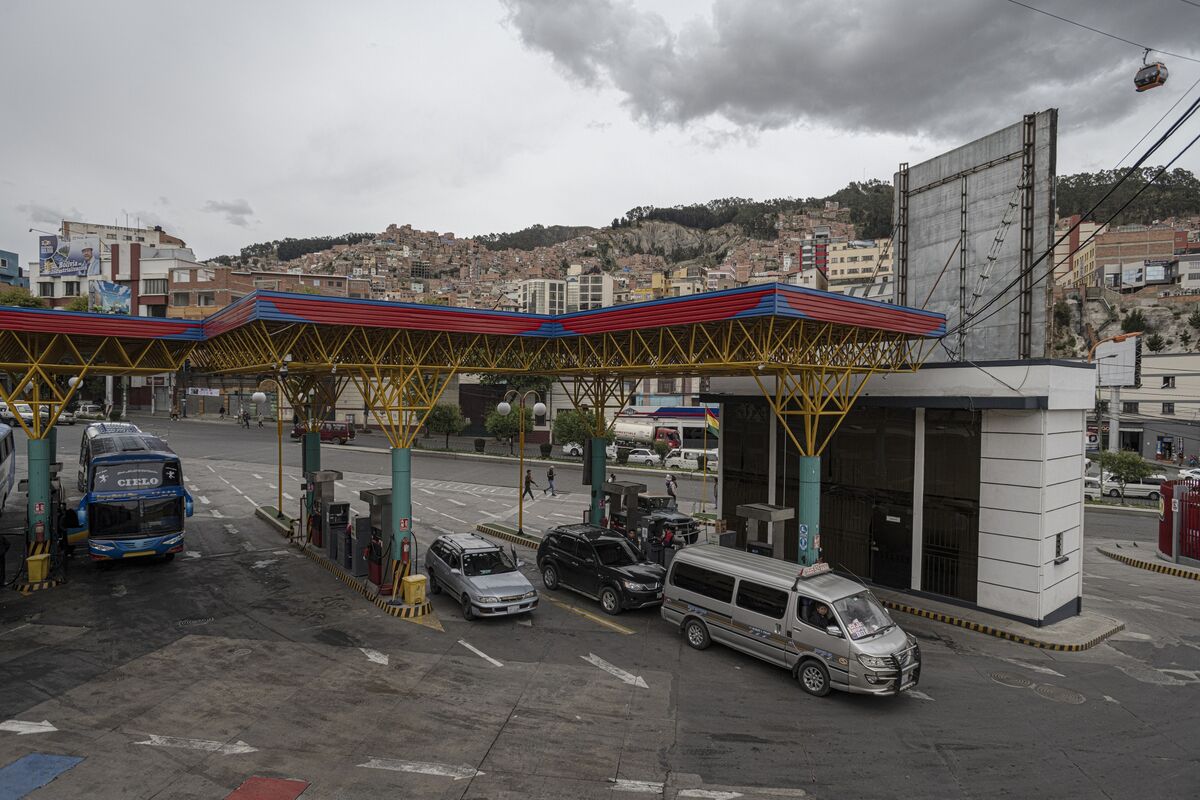
Drivers in Cuba face limits of 20 liters of fuel per purchase, requiring waits of several weeks through a state-run app. The fuel shortage has disrupted tourism, the island's main economic driver, and led to severe rationing of food and medicine. Residents like Armando Ramirez in Matanzas welcomed the tanker, saying it is "needed here for the people, for Cuba."
Expert Assessment of Long-Term Needs
Piñón estimated that the shipment might produce about 180,000 barrels of diesel once refined at Havana's aging refinery, a process that could take over a week. Cuba produces only 40 percent of its required fuel, making imports essential for its energy grid. Cuban Deputy Foreign Minister Carlos Fernández de Cossío wrote on X that the tanker's arrival was "a sign of the brutal siege Cubans endure with heroism and stoicism" and "a demonstration of the criminal cruelty of imperialism against a nation that refuses to be dominated."
What Happens Next for Cubans
The refined oil will support power generation and transportation, potentially allowing hospitals to resume normal operations in the coming days. Mexico has halted its oil shipments to Cuba amid US threats of tariffs, leaving Russia as a key supplier. This delivery is critical for Cuba's 10 million people, as fuel shortages have disrupted hospitals, public transportation, and farm production.




















The sources also report that experts estimate the shipment could produce about 180,000 barrels of diesel, which would sustain daily demand in Cuba for nine to 10 days.