House Speaker Mike Johnson and Senate Majority Leader John Thune announced Wednesday that they will pursue a two-track approach to end the 47-day Department of Homeland Security shutdown. The plan would fund most of DHS through September via the appropriations process, then attempt to secure three years of funding for Immigration and Customs Enforcement and Border Patrol through a separate party-line budget reconciliation bill that requires no Democratic votes.
"In following this two-track approach, the Republican Congress will fully reopen the Department, make sure all federal workers are paid, and specifically fund immigration enforcement and border security for the next three years so that those law-enforcement activities can continue uninhibited," Johnson and Thune wrote in a joint statement. The Senate could move to pass the initial bill as early as Thursday using unanimous consent, a procedure that allows chambers to bypass formal voting if no member objects.
The shutdown has created extraordinary hardship. The Treasury Department announced that DHS employees will have until May 15 to file their taxes without penalties or interest, relief typically reserved for major disasters. TSA officers, FEMA responders, and Coast Guard employees have gone weeks without pay, with many struggling to cover rent, mortgages, and childcare.
The agreement represents a stunning reversal. Johnson called the Senate bill a "joke" on Friday, saying "Republicans are not going to be any part of any effort to reopen our borders or to stop immigration enforcement." Rep. Chip Roy of Texas, a House Freedom Caucus member, declared it "absolutely offensive to the people that we represent that the Senate would send over a bill that doesn't fund Border Patrol and the four core components of ICE."
House Republicans instead passed a 60-day continuing resolution to fund all of DHS, which passed with unanimous Republican backing but faced certain Democratic opposition in the Senate. Johnson was still publicly opposing the Senate approach as recently as Tuesday, telling Fox News: "They sent us a bill that literally put the number zero in the bill for the funding of border security and customs and immigration enforcement. We can't do that."
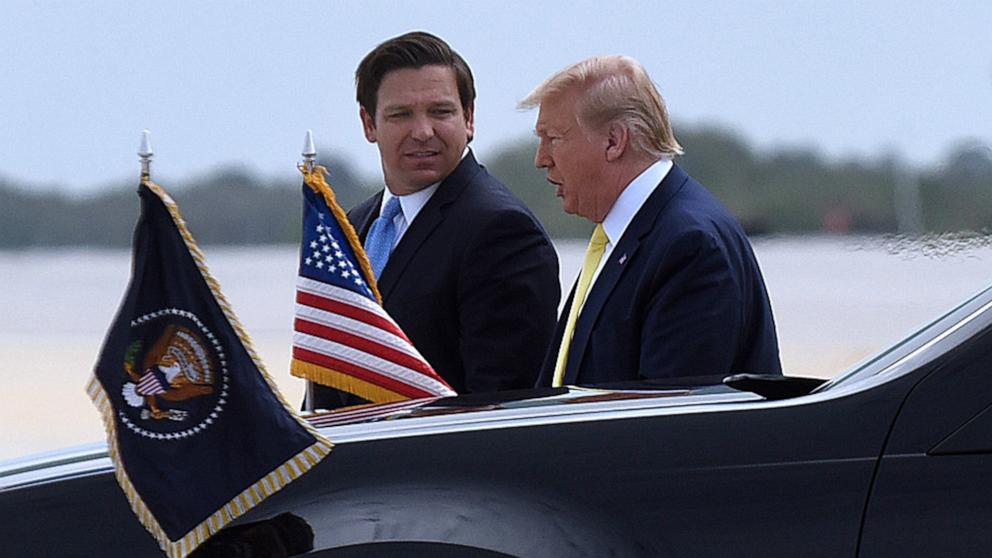
The shift came after President Trump issued a Wednesday social media post calling on Congress to fund ICE and CBP through reconciliation by June 1, essentially endorsing the Senate plan he had declined to support days earlier. A White House official told NBC News that the administration supports the Johnson-Thune plan.
Senate Minority Leader Chuck Schumer said House Republicans "caved," noting that "for days, Republican divisions derailed a bipartisan agreement, making American families pay the price for their dysfunction." However, Democrats did not secure policy changes they sought.
Several House Republicans expressed doubt that a reconciliation bill could succeed. Rep. Eric Burlison of Missouri told Axios it would need to move quickly and include healthcare reforms. Rep. David Valadao of California said Tuesday that "leaving parts of DHS unfunded to be resolved in reconciliation is a bad idea."
Despite the shutdown, ICE has faced minimal operational impact because Republican lawmakers approved $75 billion for the agency through a party-line reconciliation bill last year. The Senate is scheduled to attempt passage Thursday morning, with House action to follow at an undetermined time. Johnson has not yet decided whether to call lawmakers back from a two-week recess that began Monday.
House Speaker Mike Johnson and Senate Majority Leader John Thune announced Wednesday that they will pursue a two-track approach to end the 47-day Department of Homeland Security shutdown. The plan would fund most of DHS through September via the appropriations process, then attempt to secure three years of funding for Immigration and Customs Enforcement and Border Patrol through a separate party-line budget reconciliation bill that requires no Democratic votes.
"In following this two-track approach, the Republican Congress will fully reopen the Department, make sure all federal workers are paid, and specifically fund immigration enforcement and border security for the next three years so that those law-enforcement activities can continue uninhibited," Johnson and Thune wrote in a joint statement. The Senate could move to pass the initial bill as early as Thursday using unanimous consent, a procedure that allows chambers to bypass formal voting if no member objects.
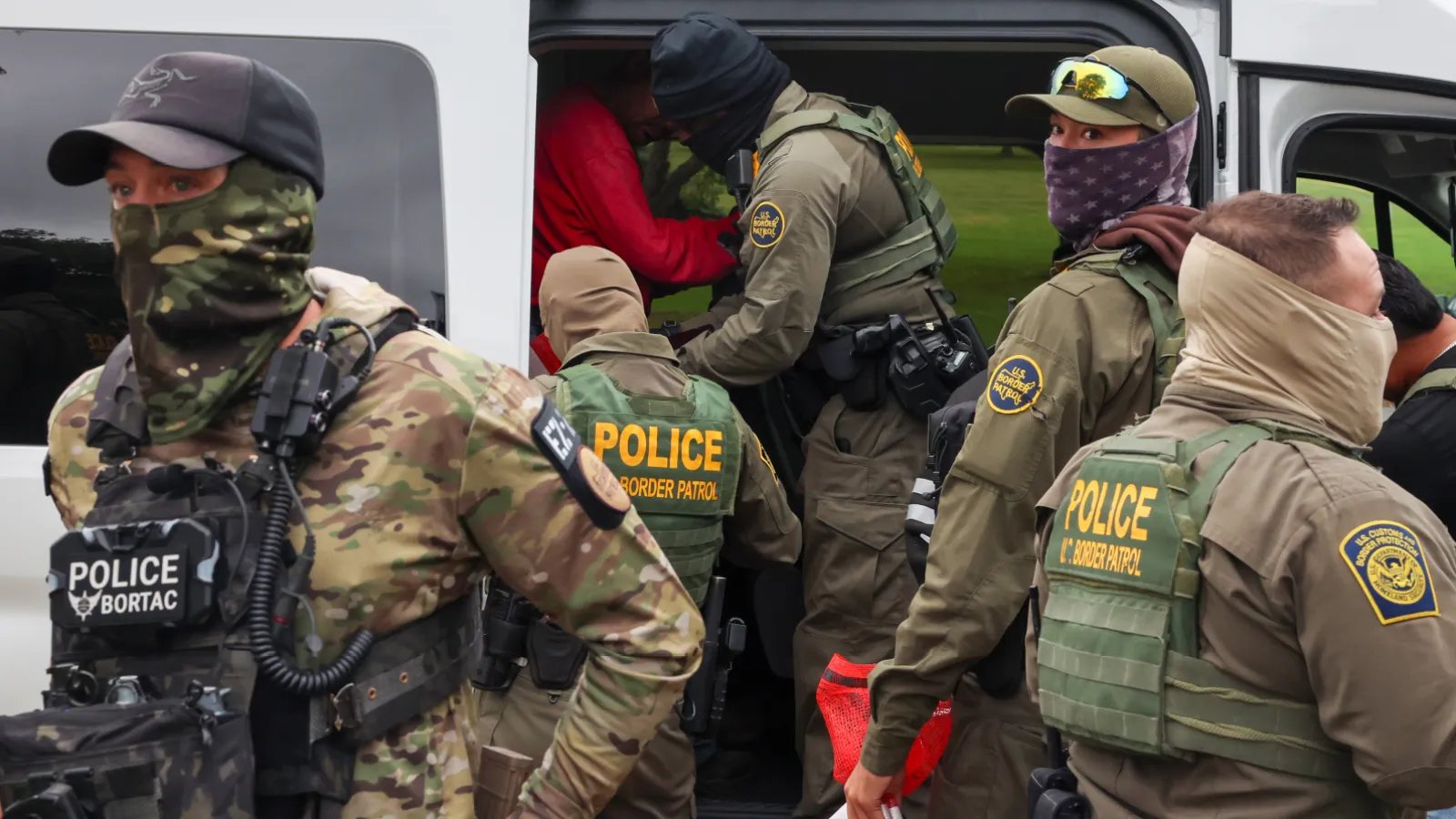
The shutdown has created extraordinary hardship. The Treasury Department announced that DHS employees will have until May 15 to file their taxes without penalties or interest, relief typically reserved for major disasters. TSA officers, FEMA responders, Border Patrol agents, and Coast Guard employees have gone weeks without pay, with many struggling to cover rent, mortgages, and childcare.
The agreement represents a stunning reversal. Just five days before the announcement, House Republicans rejected an identical plan. Johnson called the Senate bill a "joke" on Friday, saying "Republicans are not going to be any part of any effort to reopen our borders or to stop immigration enforcement." Rep. Chip Roy of Texas, a House Freedom Caucus member, declared it "absolutely offensive to the people that we represent that the Senate would send over a bill that doesn't fund Border Patrol and the four core components of ICE."
House Republicans instead passed a 60-day continuing resolution to fund all of DHS, which passed with unanimous Republican backing but faced certain Democratic opposition in the Senate. Johnson was still publicly opposing the Senate approach as recently as Tuesday, telling Fox News: "They sent us a bill that literally put the number zero in the bill for the funding of border security and customs and immigration enforcement. We can't do that."
The shift came after President Trump issued a Wednesday social media post calling on Congress to fund ICE and CBP through reconciliation by June 1, essentially endorsing the Senate plan he had declined to support days earlier. A White House official told NBC News that the administration supports the Johnson-Thune plan.
Senate Minority Leader Chuck Schumer said House Republicans "caved," noting that "for days, Republican divisions derailed a bipartisan agreement, making American families pay the price for their dysfunction." However, Democrats did not secure policy changes they sought. The agreement includes no ban on masks for immigration enforcement officers and no requirement that warrants be issued by judges rather than the agency itself before agents enter homes.
Several House Republicans expressed doubt that a reconciliation bill could succeed. Rep. Eric Burlison of Missouri told Axios it would need to move quickly and include healthcare reforms. Rep. David Valadao of California said Tuesday that "leaving parts of DHS unfunded to be resolved in reconciliation is a bad idea."
Despite the shutdown, ICE has faced minimal operational impact because Republican lawmakers approved $75 billion for the agency through a party-line reconciliation bill last year. The Senate is scheduled to attempt passage Thursday morning, with House action to follow at an undetermined time. Johnson has not yet decided whether to call lawmakers back from a two-week recess that began Monday.
Highlighted text was flagged by the council. Tap to see feedback.





















The sources also report that Trump signed an executive order to pay TSA employees during the shutdown, though NBC News notes the legality and length of that plan remain unclear.