Hyundai Motor has reported disruptions to its export operations due to shipping route challenges from the Middle East conflict. The automaker has cited difficulties in shipping routes, which are crucial for delivering vehicles to international markets.
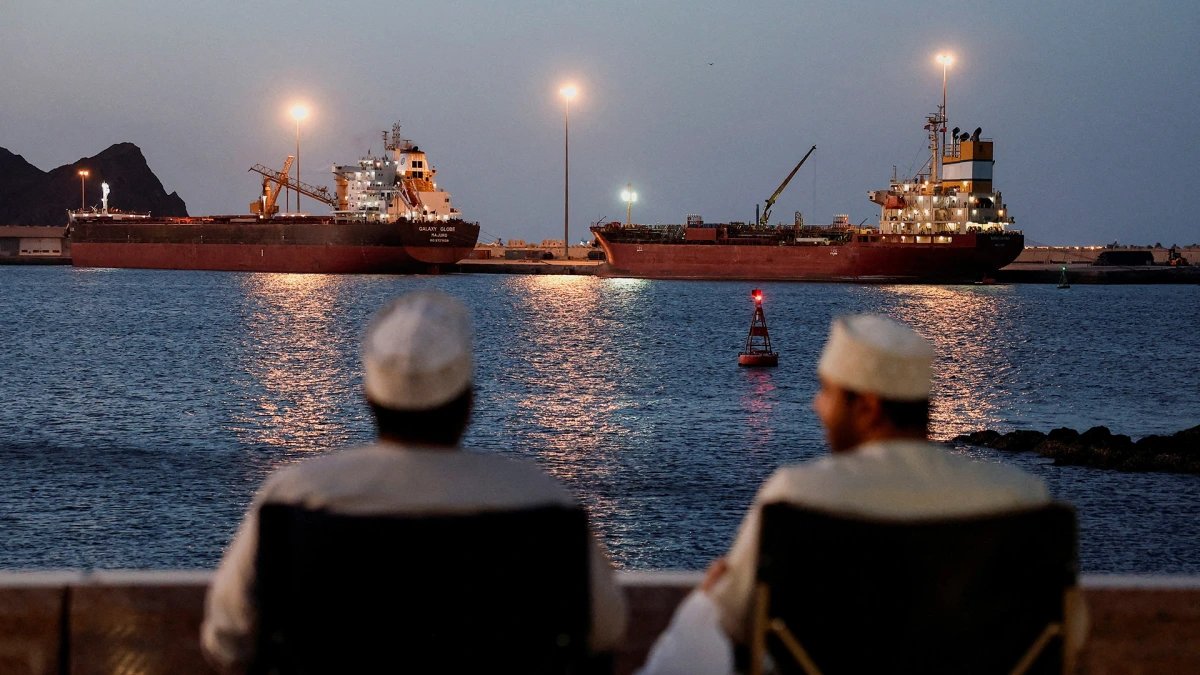
The Middle East conflict has created a volatile shipping environment, affecting the availability of parts and transportation of finished vehicles.
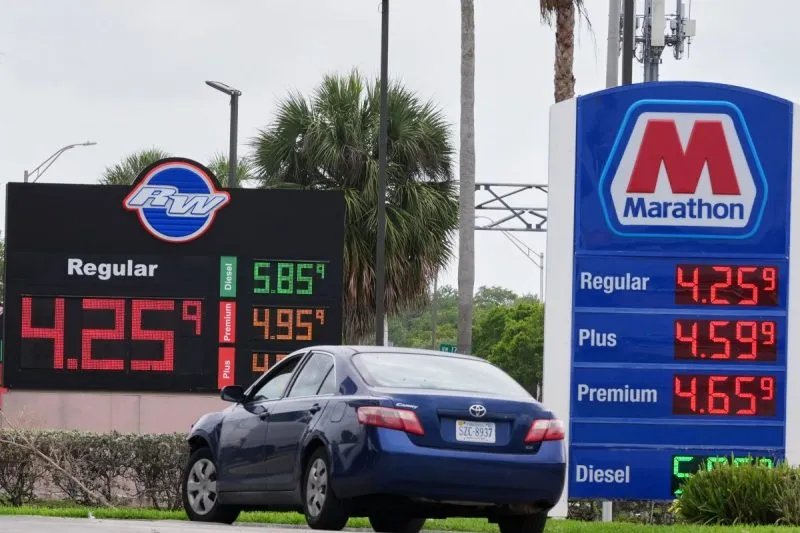
The ramifications of the Middle East conflict extend beyond Hyundai, influencing global supply chains across various industries. Analysts have warned that ongoing disruptions could lead to increased costs for businesses that depend on timely deliveries. The situation has raised concerns about inflationary pressures as shipping costs rise, with some forecasts predicting that oil prices could exceed $150 per barrel if conditions do not improve.
In response to the export disruptions, Hyundai's stock has experienced fluctuations, reflecting investor concerns about the company's ability to maintain its market position. The broader market has also reacted to the conflict, with global companies delaying initial public offerings and slashing dividends as uncertainty looms. This trend underscores the significant impact that geopolitical events can have on corporate strategies and financial performance.
For consumers, the disruptions mean potential challenges in purchasing new vehicles, as inventory levels may dwindle. Hyundai has encouraged customers to check with local dealerships for updates on availability, but the uncertainty surrounding shipping schedules complicates the purchasing process.
Hyundai is actively monitoring the situation and exploring strategies to mitigate the impact of the conflict on its operations. The company is assessing alternative shipping routes and looking to strengthen its supply chain resilience. However, the volatile nature of the situation means that ongoing adjustments may be necessary to navigate these challenges effectively.
As the conflict in the Middle East persists, the repercussions for Hyundai Motor and its customers could intensify, making it essential for all stakeholders to stay informed and adaptable.
Hyundai Motor has reported significant disruptions to its export operations due to the ongoing conflict in the Middle East. The automaker has cited difficulties in shipping routes, which are crucial for delivering vehicles to international markets. This situation threatens to delay production schedules and delivery timelines for consumers and businesses relying on Hyundai vehicles.
The conflict has created a volatile shipping environment, forcing Hyundai to navigate increasingly complicated logistics. The company indicated that the disruptions have affected both the availability of parts and the transportation of finished vehicles, resulting in potential shortages in markets outside South Korea. As a result, consumers may face longer wait times for vehicle purchases, impacting sales and customer satisfaction.
The ramifications of the Middle East conflict extend beyond Hyundai, influencing global supply chains across various industries. Analysts have warned that ongoing disruptions could lead to increased costs for businesses that depend on timely deliveries. The situation has raised concerns about inflationary pressures as shipping costs rise, with some forecasts predicting that oil prices could exceed $150 per barrel if conditions do not improve.
In response to the export disruptions, Hyundai's stock has experienced fluctuations, reflecting investor concerns about the company's ability to maintain its market position. The broader market has also reacted to the conflict, with global companies delaying initial public offerings and slashing dividends as uncertainty looms. This trend underscores the significant impact that geopolitical events can have on corporate strategies and financial performance.
For consumers, the disruptions mean potential challenges in purchasing new vehicles, as inventory levels may dwindle. Hyundai has encouraged customers to check with local dealerships for updates on availability, but the uncertainty surrounding shipping schedules complicates the purchasing process. As the conflict continues, consumers may need to consider alternative options, including different models or brands, to meet their transportation needs.
Hyundai is actively monitoring the situation and exploring strategies to mitigate the impact of the conflict on its operations. The company is assessing alternative shipping routes and looking to strengthen its supply chain resilience. However, the volatile nature of the situation means that ongoing adjustments may be necessary to navigate these challenges effectively.
As the conflict in the Middle East persists, the repercussions for Hyundai Motor and its customers could intensify, making it essential for all stakeholders to stay informed and adaptable.
Highlighted text was flagged by the council. Tap to see feedback.