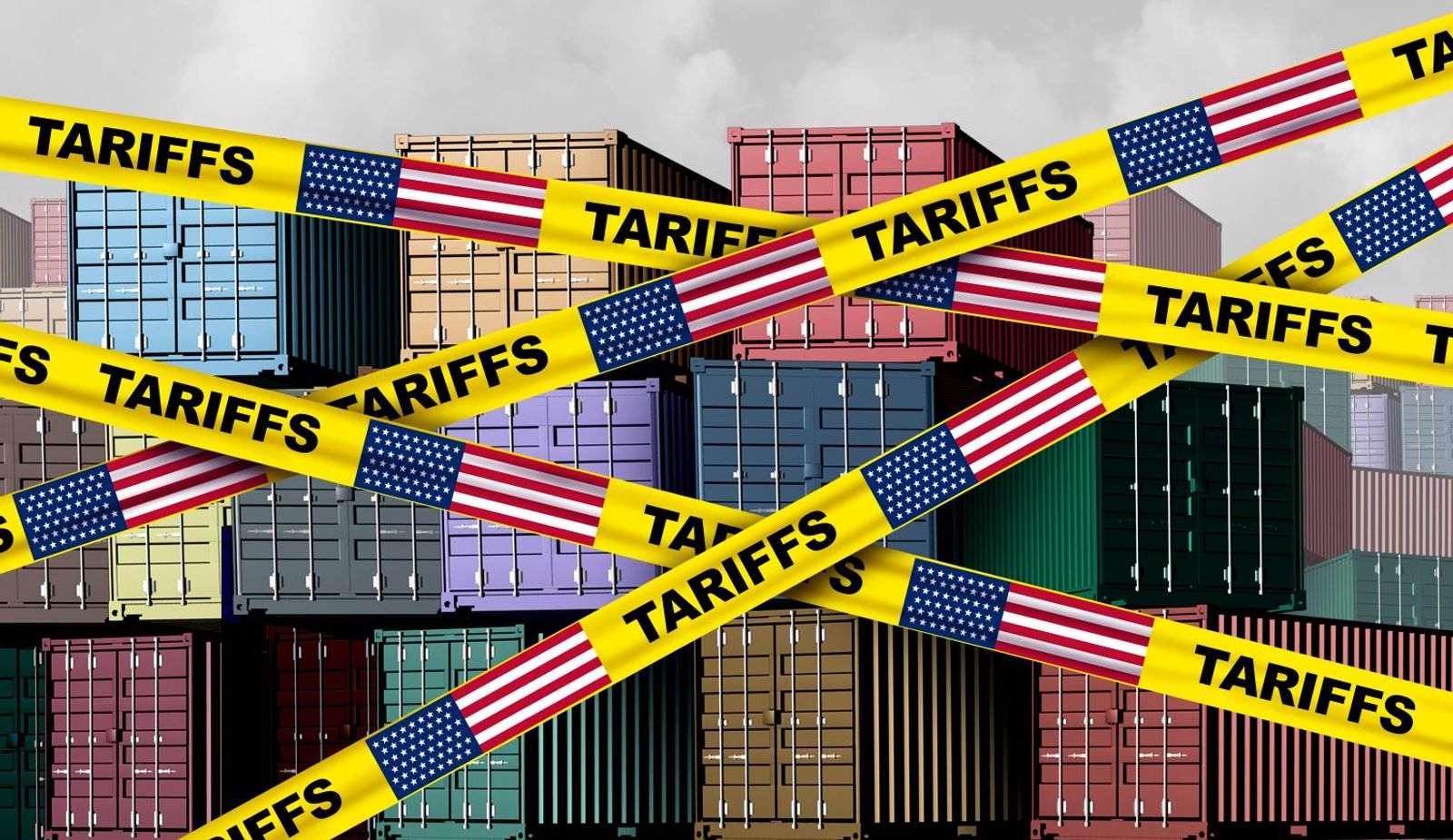





Gold Imports Drive February Imbalance
Canada's trade deficit widened to its largest level in six months during February, driven primarily by a surge in gold imports. The country posted a merchandise trade deficit as gold shipments increased significantly, reshaping the monthly balance of exports and imports. This shift marks a notable change in Canada's trade patterns and will force economists to revise their forecasts for gross domestic product growth.
Economic Ripple Effects
The widening deficit carries implications for currency markets and consumer costs across Canada. When a country imports more than it exports, the trade deficit can pressure its currency and affect the pricing of goods for households. The February figures will feed into broader assessments of Canada's economic health and influence discussions around trade policy in coming months.
Gold's Outsized Role
Gold imports accounted for the primary driver of the February deficit surge. The precious metal's volatility and global demand patterns mean that monthly trade figures can swing sharply based on commodity shipments alone. This concentration in a single commodity highlights how Canada's trade balance remains sensitive to resource sector fluctuations rather than reflecting steady growth or decline in manufactured goods or services.