
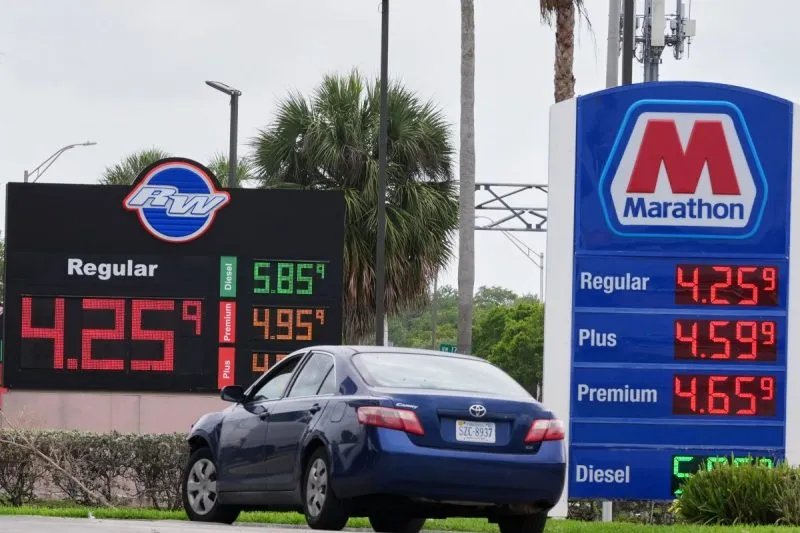




Price Spike at the Pump
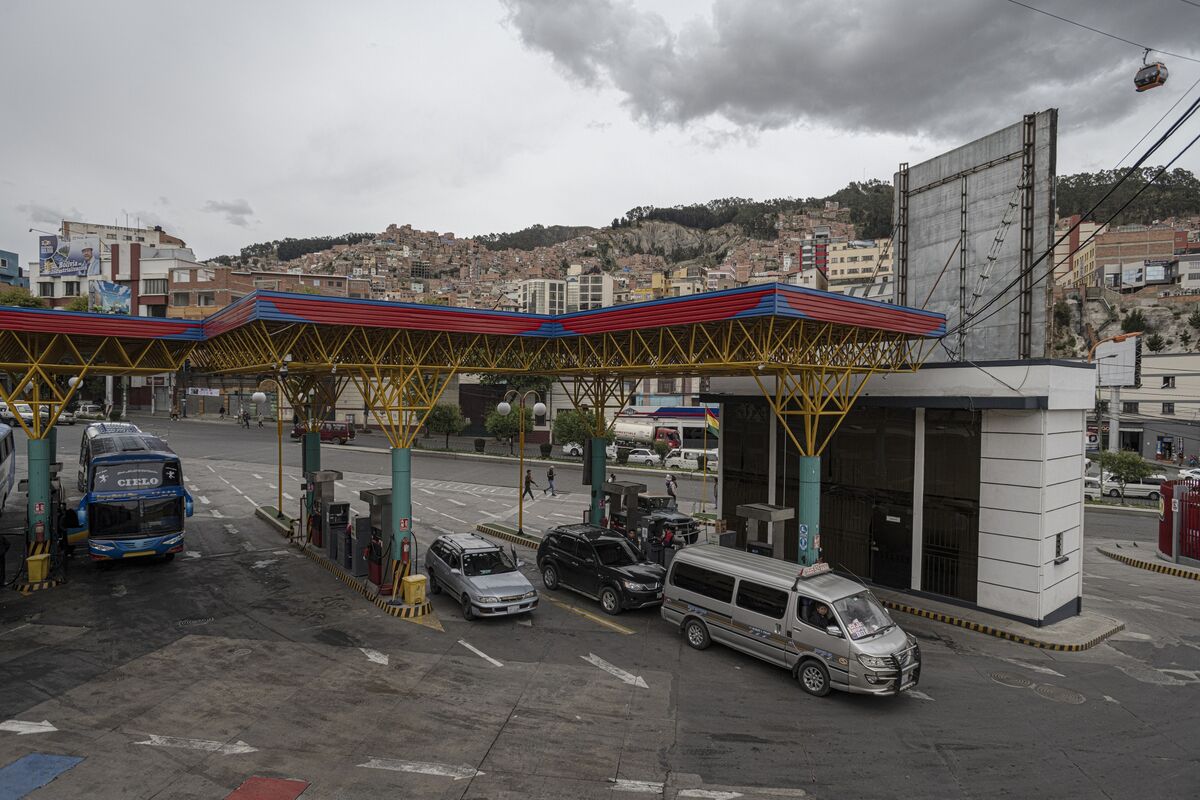
U.S. crude oil prices had their largest one-day increase in six years, rising nearly 12% to more than $111 per barrel. This surge has directly impacted consumers, with the average cost of unleaded gas climbing to $4.08 per gallon. This increase marks a rise from the average of $2.98 per gallon before the war.
Economic Implications
The sharp rise in oil prices has sent ripples through the economy, raising concerns about renewed inflation. Analysts from Bank of America predict that headline inflation, as measured by the Federal Reserve's preferred PCE index, could peak at close to 4% this quarter. 30-year fixed rate mortgages were averaging 6.41% on Thursday, up from 5.99% the day before the war began.
Market Reactions
Financial markets reacted sharply to the news, with major indexes swinging throughout the day. The S&P 500 ended up 0.11%, while the Nasdaq Composite saw a modest rise of 0.18%. However, the Dow Jones Industrial Average fell by 61 points. Market analysts noted that traders were seeking clarity on the situation, with UBS Global Wealth Management's Chief Investment Officer Paul Donovan stating that "markets wanted something different" from the President's recent address regarding the war.
Rising Prices Across States
Gas prices have surged across the nation, with 18 states reporting prices above $4 per gallon. Over the past month, gas prices have spiked by more than $1 a gallon in 30 states. This widespread increase is affecting consumer spending and transportation costs, raising concerns about the broader economic impact, particularly as inflationary pressures mount.
Ongoing Conflict and Oil Supply
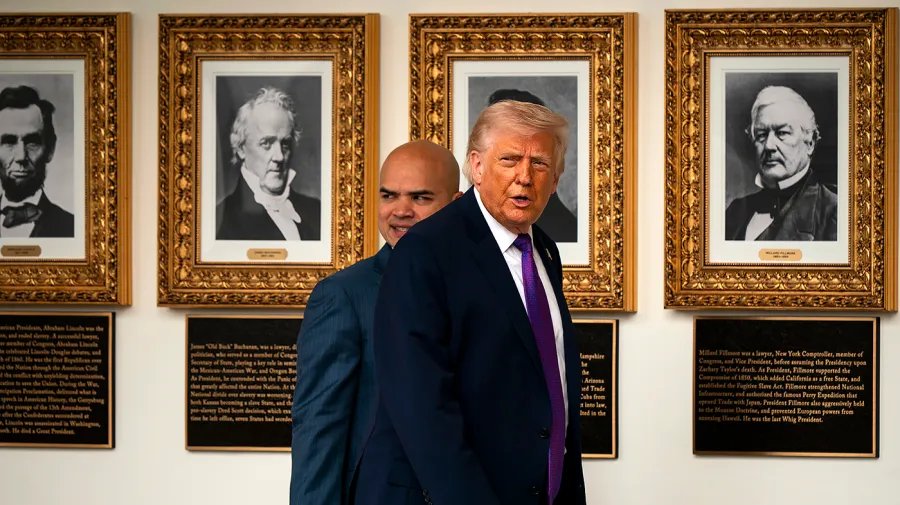
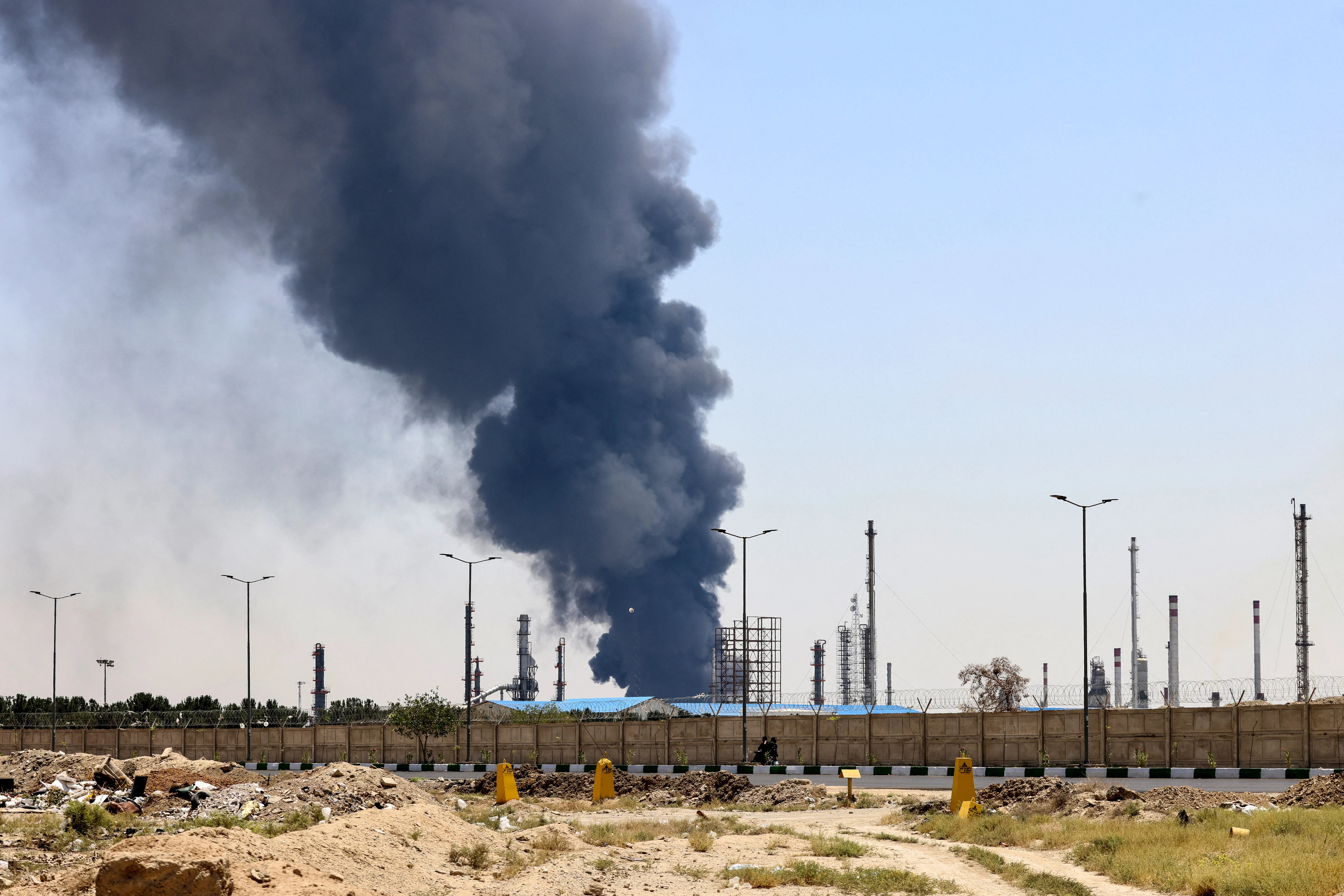
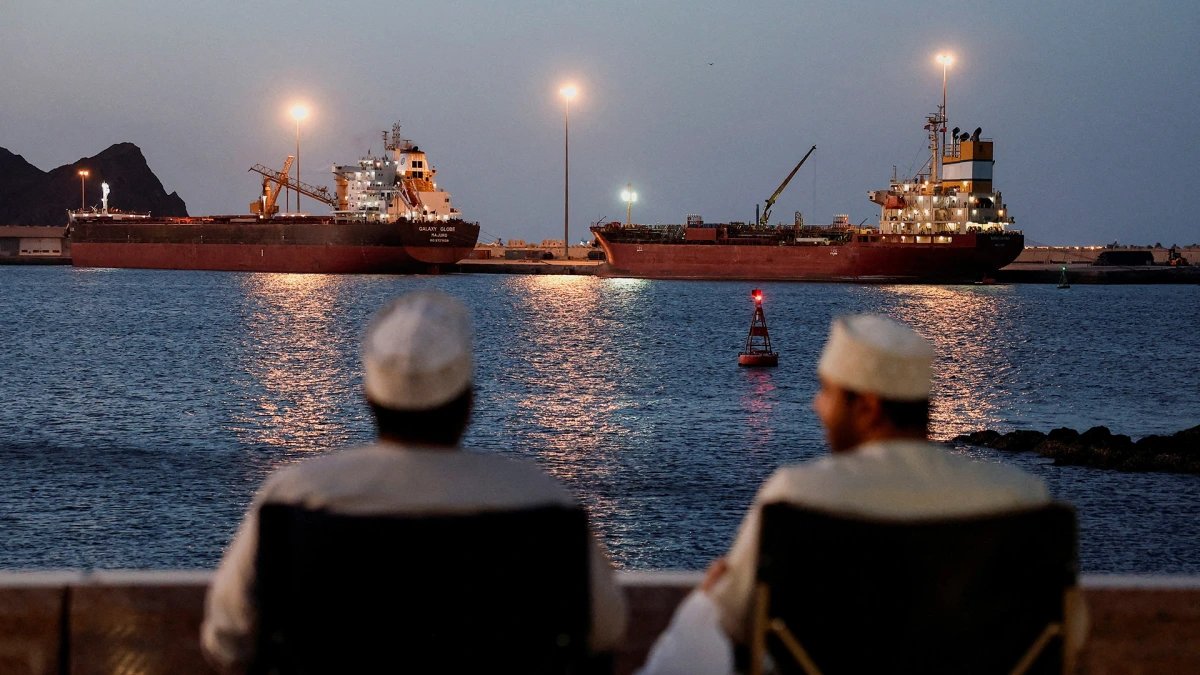
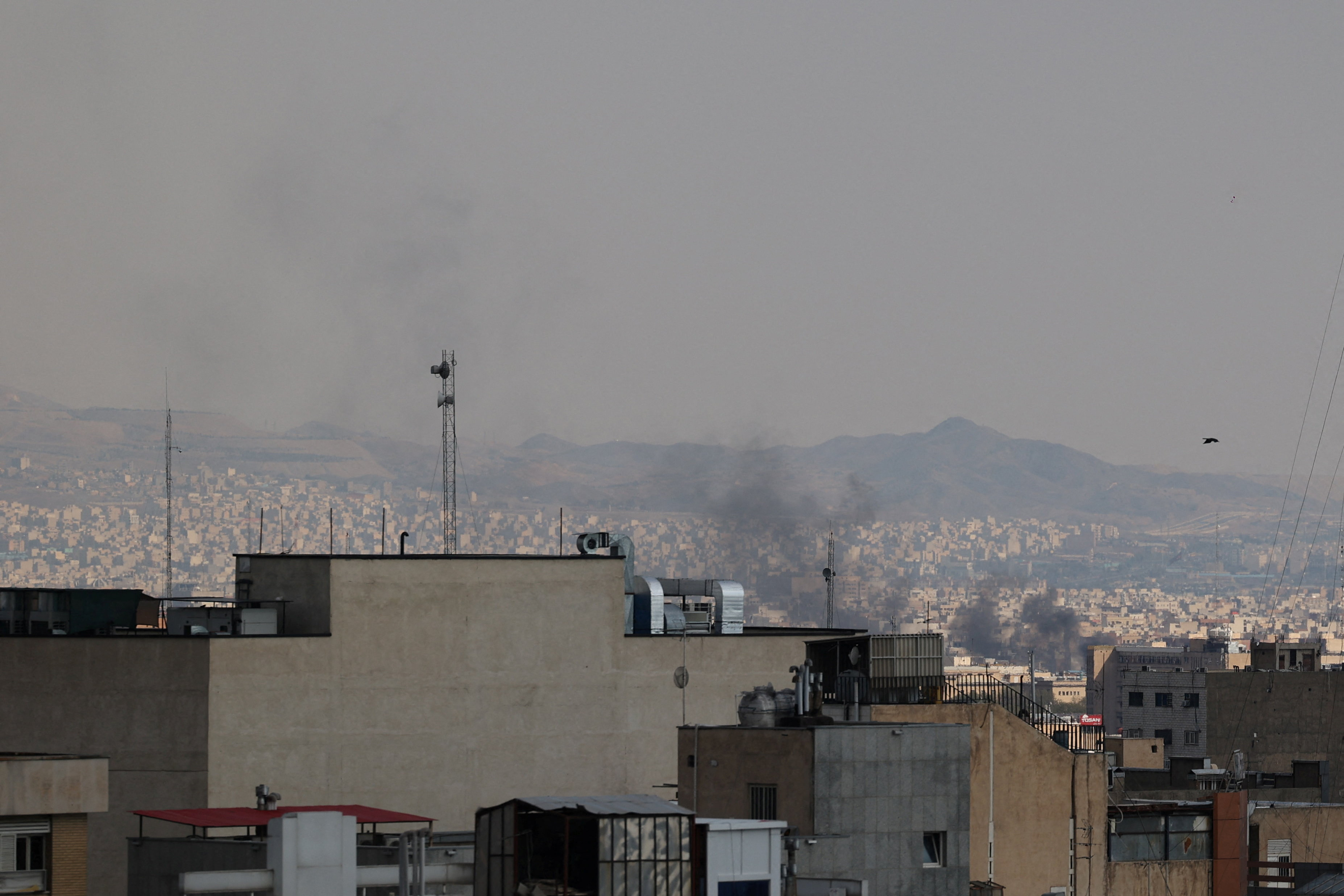
The surge in oil prices follows President Donald Trump's address, where he pledged to conduct further military strikes in Iran without outlining a clear path to a ceasefire. His comments failed to reassure markets, especially regarding the Strait of Hormuz, a critical waterway for global oil supply. The Iranian deputy foreign minister said his nation would outline a "new navigation regime" in the Strait of Hormuz after the war ended.
International Discussions
In response to the escalating situation, British Foreign Secretary Yvette Cooper convened a video call with representatives from 35 nations to discuss reopening the Strait of Hormuz. The United States did not participate in this meeting, which highlighted the need for a halt to fighting for noncombatant nations to consider deploying defensive military capabilities.

The NBC report specifies that Yvette Cooper, the British Foreign Secretary, indicated fighting would need to stop before nations deployed military capabilities.
Consumers are now left grappling with rising gas prices, which not only affect daily commuting costs but also have implications for goods and services across the economy. As oil prices remain volatile, the ripple effects on household budgets and the broader economy are likely to continue.













The sources also report that inflation in the eurozone surged to 2.5% in March, up from 1.9% in February.