





Federal Lawsuit Seeks to Block State Prediction Market Restrictions
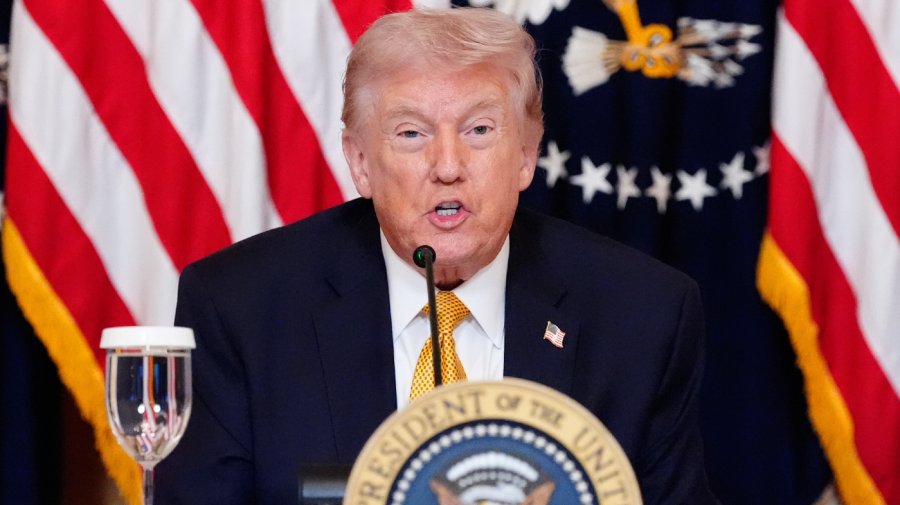
The Trump administration on Thursday sued Arizona, Connecticut and Illinois to stop the states from enforcing new restrictions on prediction markets, arguing that only the federal government can regulate platforms like Kalshi and Polymarket where users bet on everything from election outcomes to military strikes. The lawsuits, filed by the Commodity Futures Trading Commission, seek to block state-level enforcement actions.
Arizona AG Filed Criminal Charges Against Kalshi in March
Arizona Attorney General's Office filed criminal charges against Kalshi last month, alleging the platform violated state gaming laws by operating an unlicensed gambling site. The state contends that Kalshi and similar platforms are circumventing gaming taxes that competitors like DraftKings and FanDuel must pay, while offering bets on political events, White House personnel changes and military conflicts. The federal lawsuit directly challenges Arizona's authority to bring such charges, asking courts to declare that prediction markets fall under federal jurisdiction as financial derivatives known as "swaps."
CFTC Chairman Vows to Defend 'Exclusive Authority'
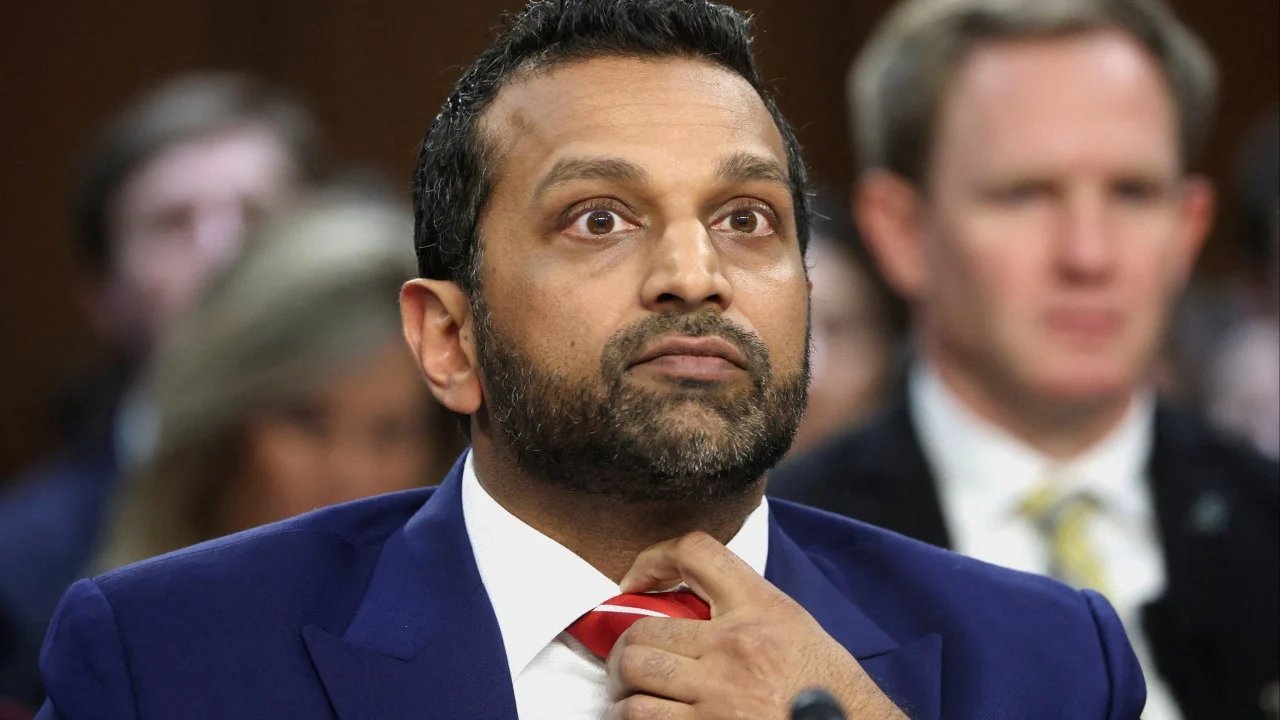
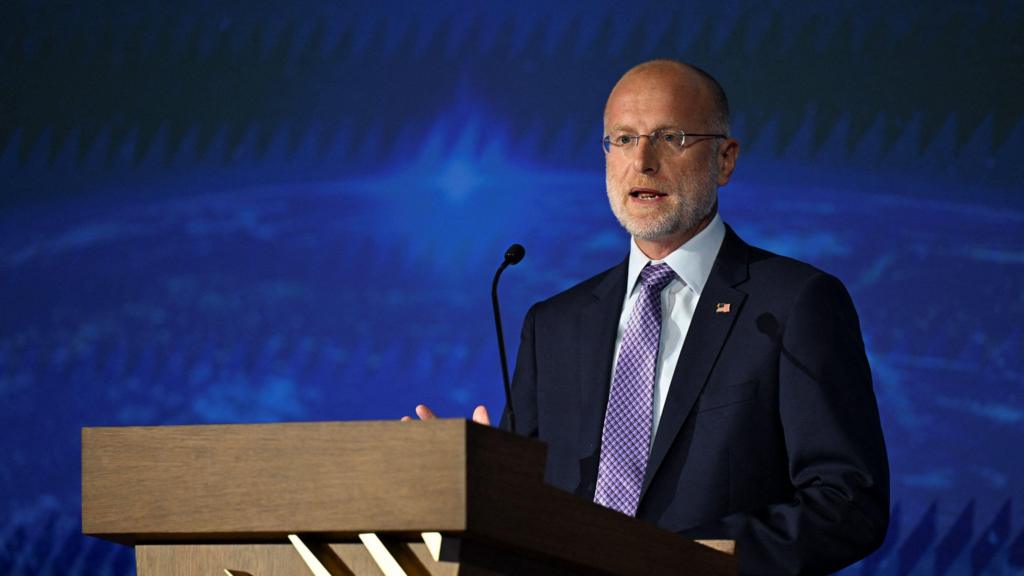
CFTC Chairman Michael Selig, who was confirmed in November 2025 after testifying about his support for prediction markets, issued a statement Thursday declaring that "the CFTC will continue to safeguard its exclusive regulatory authority over these markets and defend market participants against overzealous state regulators." The commission's lawsuits argue that prediction markets are financial instruments rather than gambling operations, placing them squarely under federal oversight.
Trump Administration Escalates Support for Controversial Industry
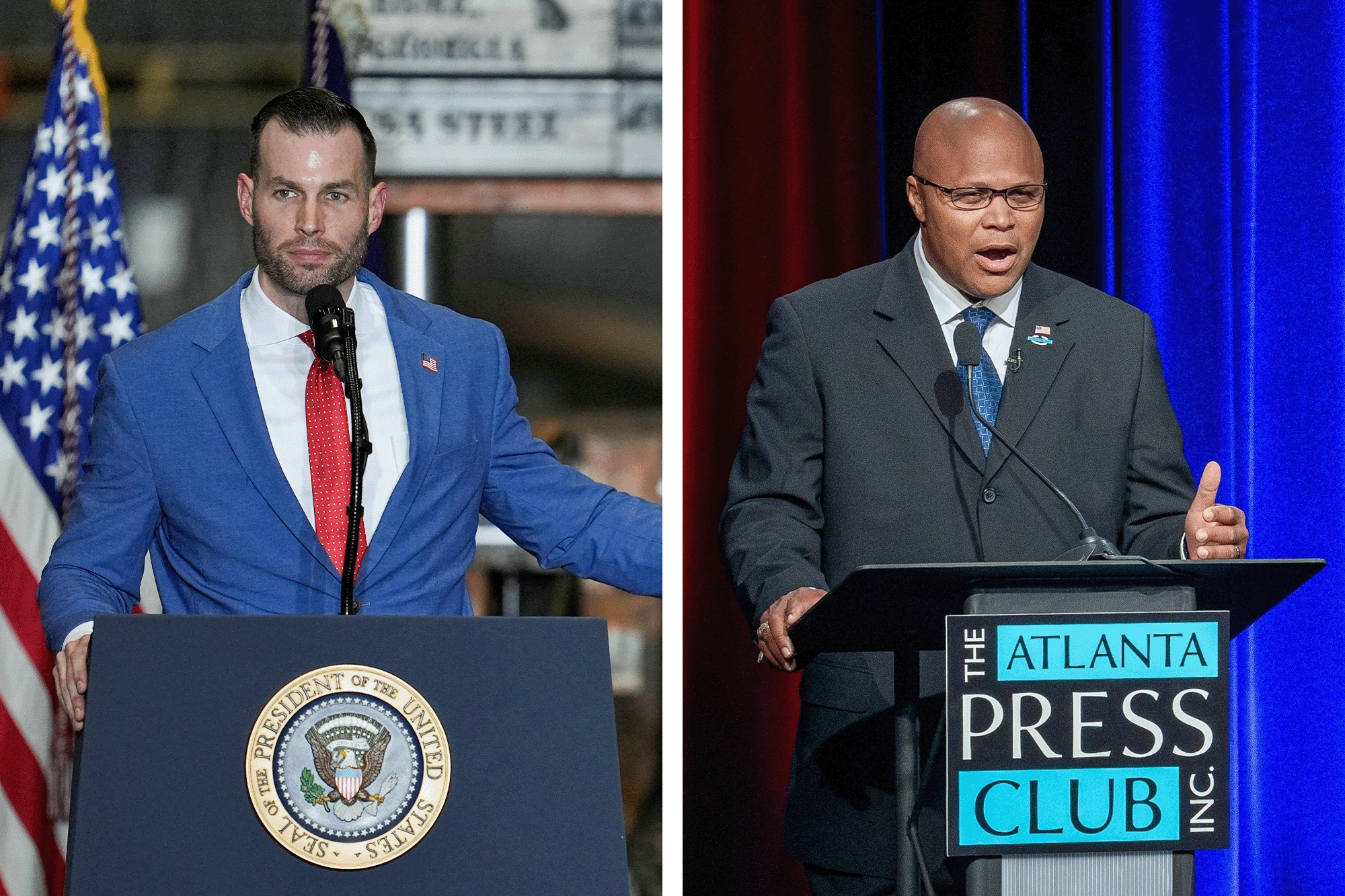
The federal lawsuits represent the Trump administration's most aggressive move yet to assert federal control over the prediction market industry, which has drawn criticism for allowing users to profit from military strikes, famines and political upheavals. Donald Trump Jr. serves as an advisor to both Kalshi and Polymarket, platforms that have hosted markets on whether nuclear detonations will occur and the extent of famine in Gaza. The administration's position marks a significant escalation from its previous rhetorical support, with Todd Phillips, a Georgia State University professor specializing in financial regulation, noting that the lawsuits represent "trying to put a thumb on the scale for prediction markets" rather than simply expressing policy views.
Legal Showdown Looms Over Definition of Finance vs. Gambling
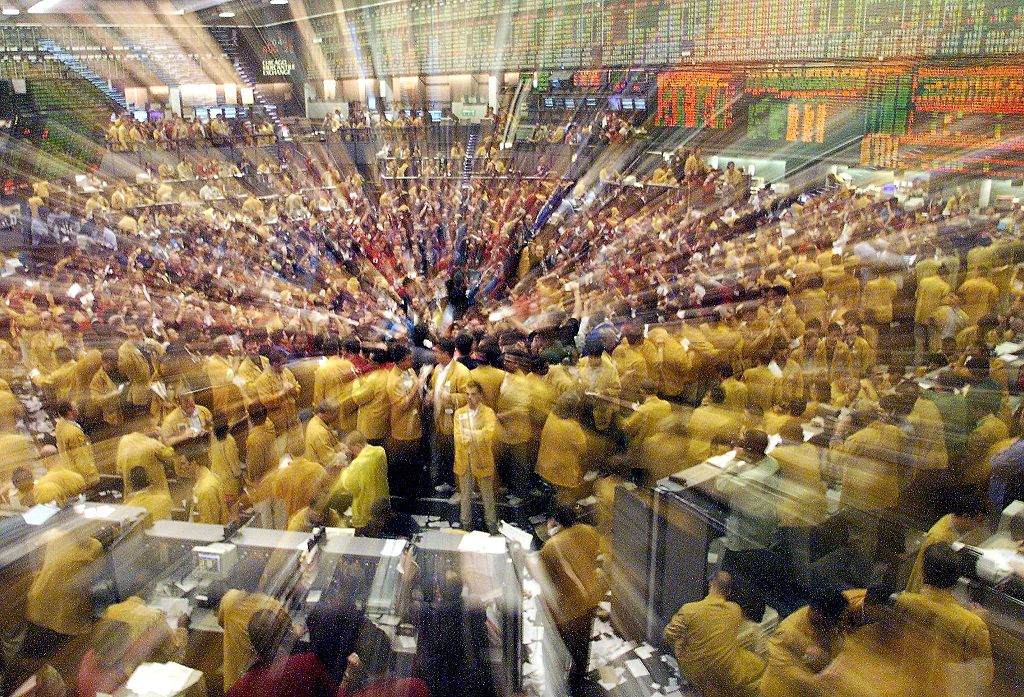
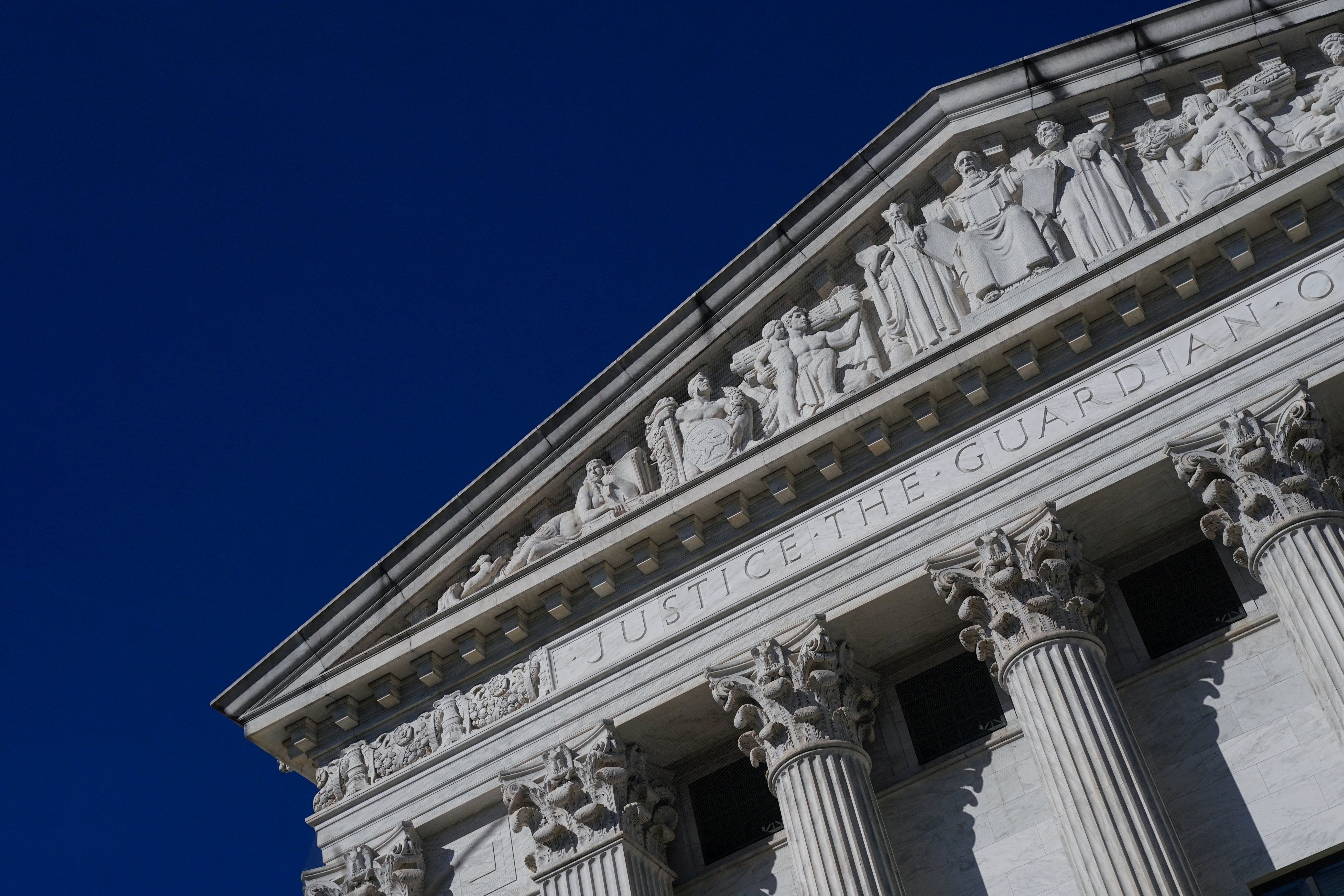
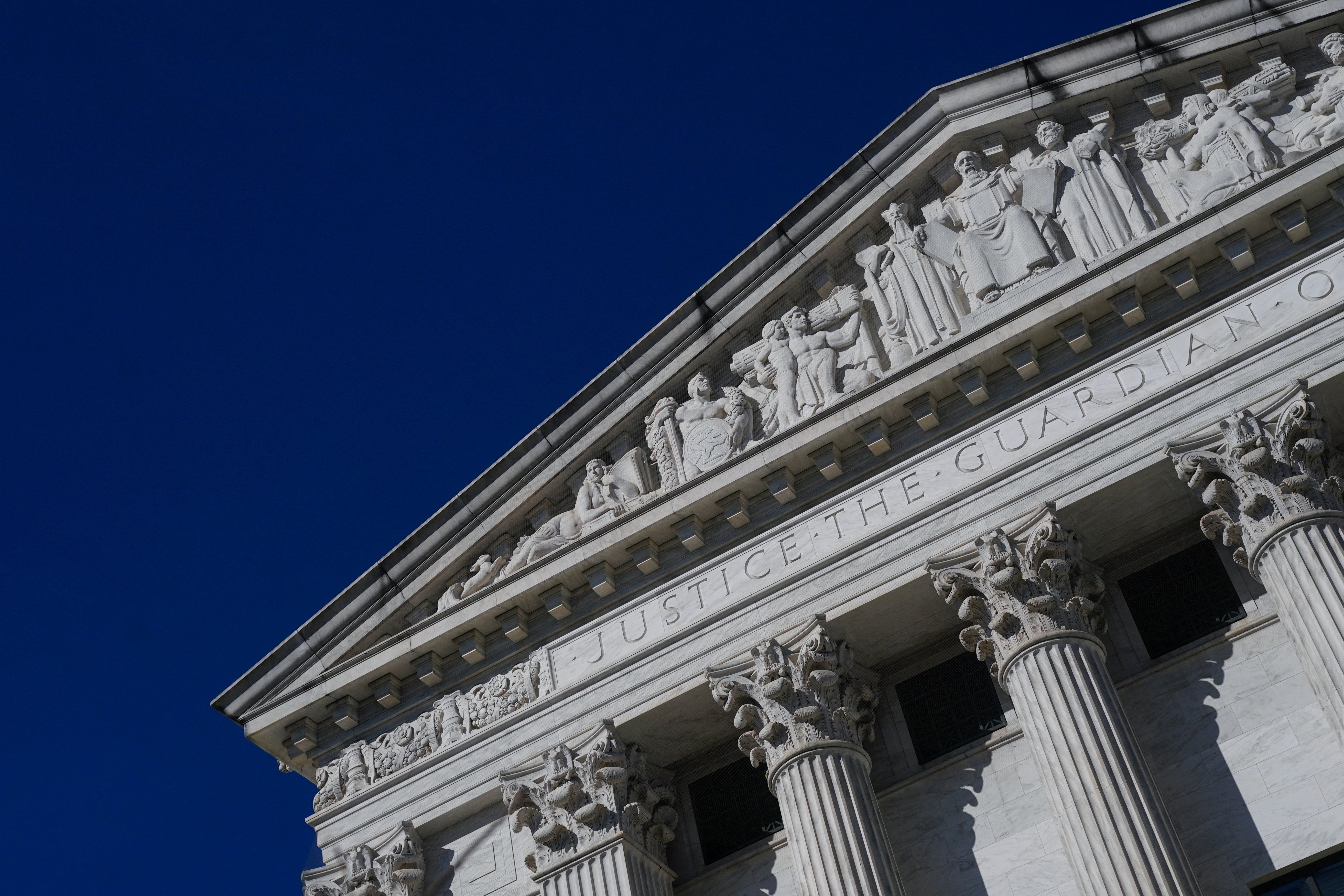
The core legal question facing courts will be whether prediction markets constitute legitimate financial instruments or illegal gambling operations, a distinction that will determine whether states can enforce their gaming laws against platforms operating within their borders. Phillips predicts that multiple pending federal cases will likely reach the Supreme Court. The central question, he said, will be: "do prediction markets fit the definition of finance, or gambling?" Amanda Fischer, former Securities and Exchange Commission chief of staff and current policy director at Better Markets, characterized the platforms' strategy as taking a "catch me if you can approach" by operating in legal gray areas while building enough market share and political influence to force regulatory accommodation.
Industry Defends Federal Oversight as States Push Back
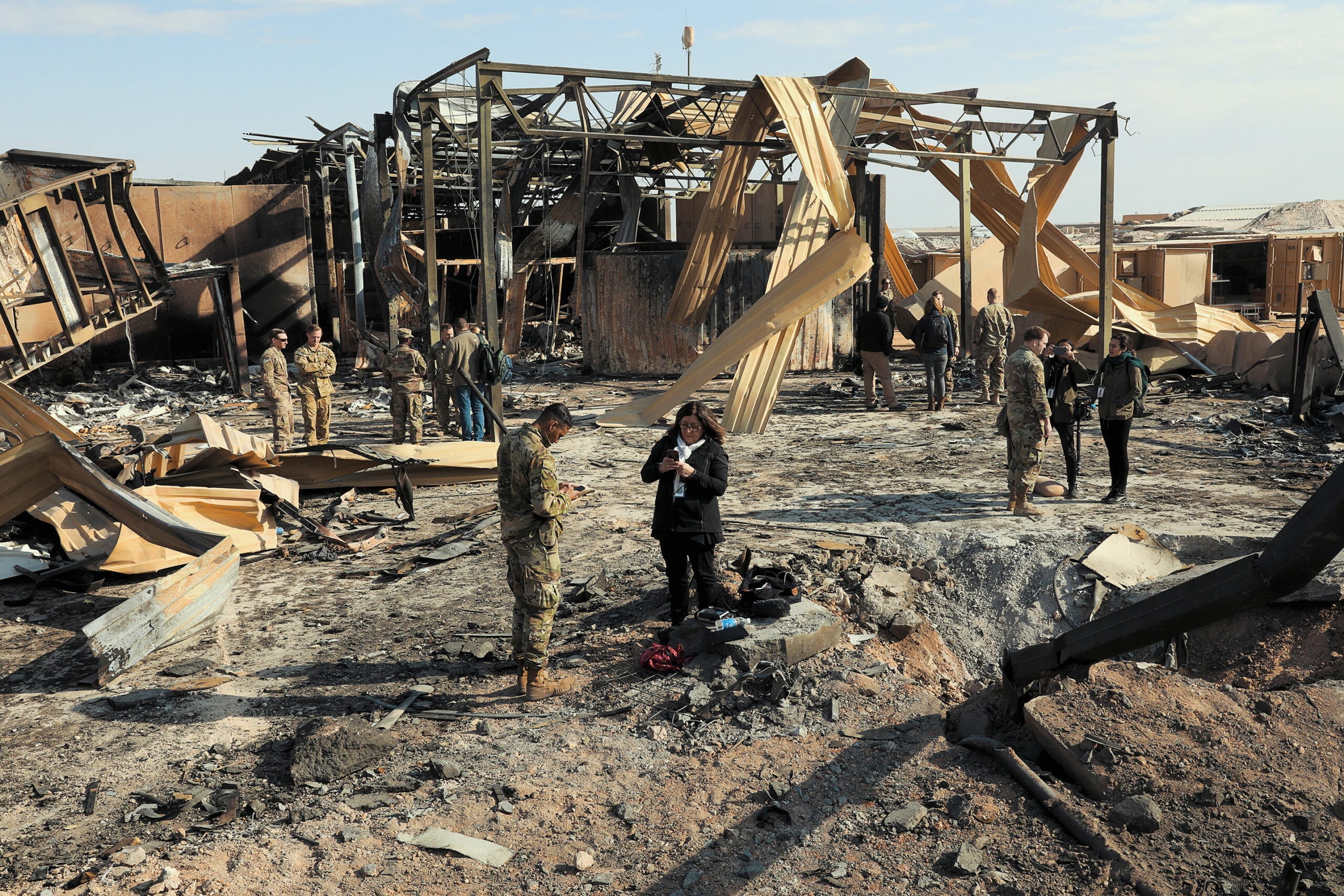
Polymarket, which operates a sports-only exchange in the United States and a larger international platform from Panama, applauded the CFTC's action in a statement saying "prediction markets should be regulated by the federal government." The company has faced particular scrutiny for markets on military strikes in Iran and Venezuela, where traders made hundreds of thousands of dollars based on classified government intelligence. Kalshi declined to comment on the lawsuits, which seek to preempt state enforcement actions that could force the platforms to cease operations in multiple jurisdictions. The federal cases add to an already complex legal landscape that includes state criminal charges, pending federal legislation to prevent government officials from profiting off classified information, and ongoing partnerships between prediction platforms and major news organizations.






































































































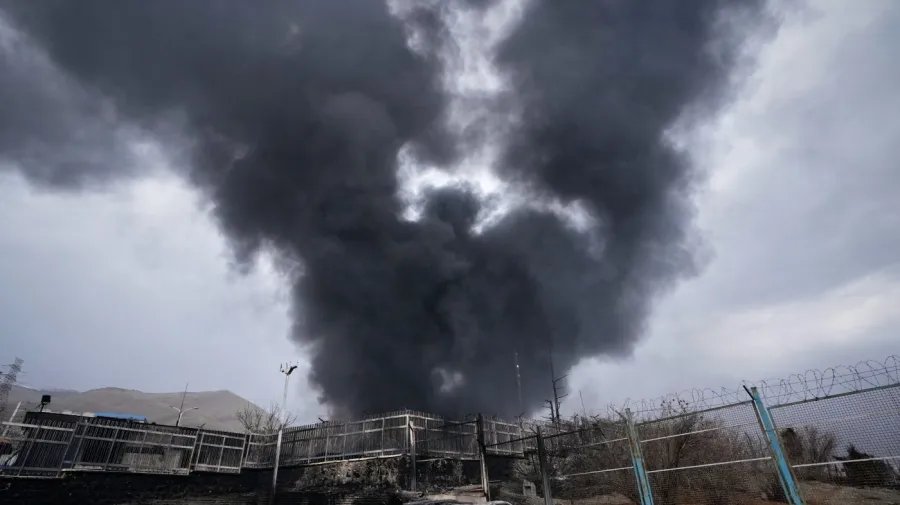




































































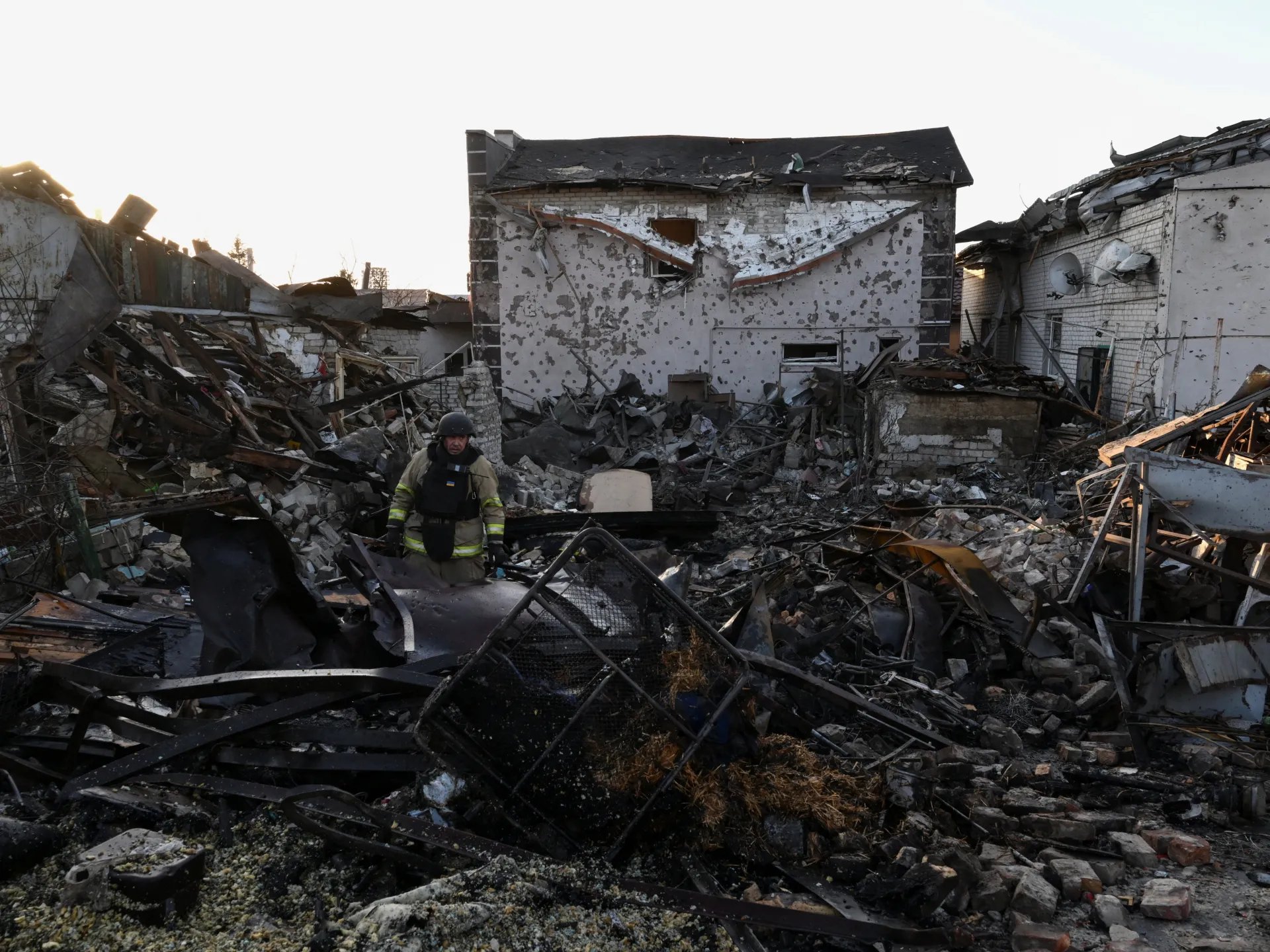







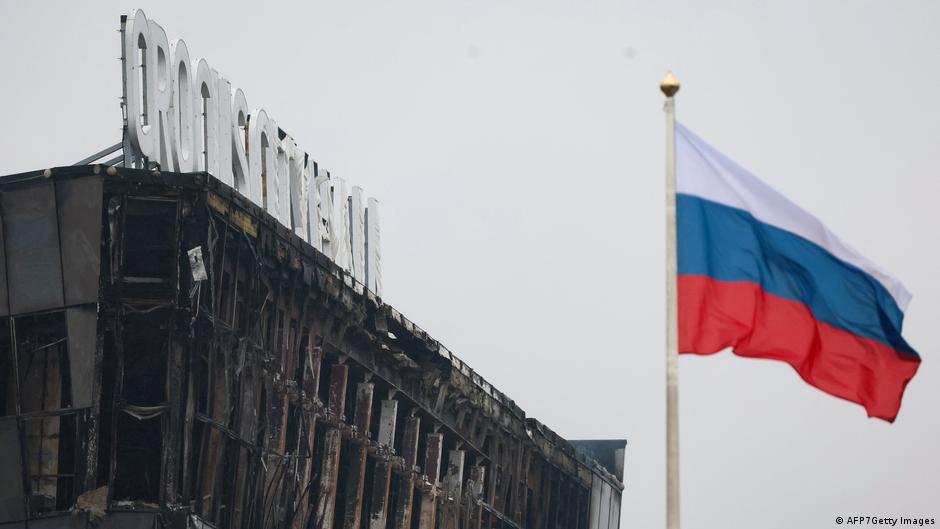






























































For example, Polymarket has hosted markets on 'whether a nuclear detonation will take place and the extent of famine in Gaza,' according to the reporting.