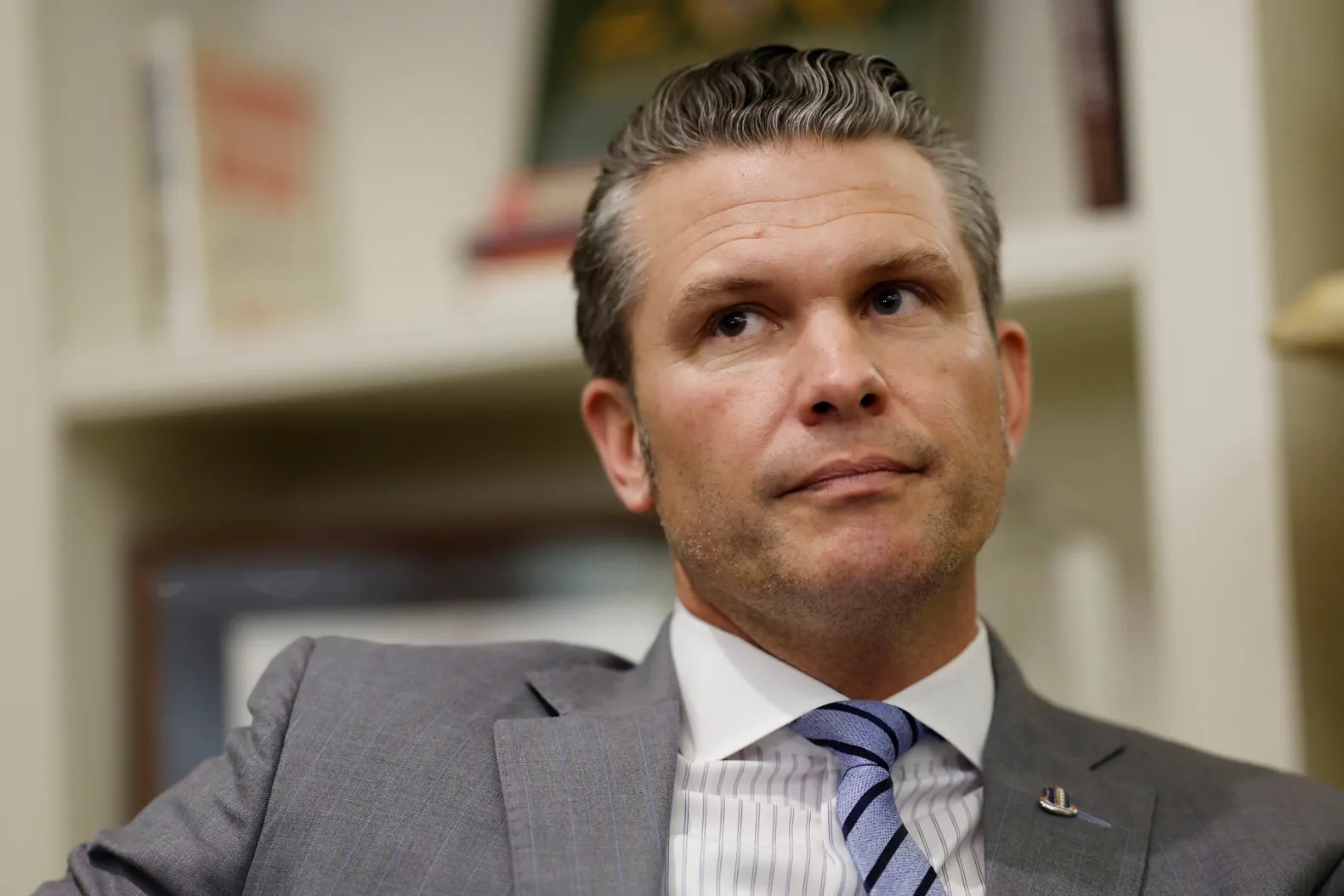
Defense Secretary Pete Hegseth asked Army Chief of Staff Gen. Randy George to retire immediately, according to Pentagon officials. Chief Pentagon spokesperson Sean Parnell announced that George, the 41st Chief of Staff, would leave his position effective immediately.
One source told CBS News that Hegseth seeks an Army leader who will enact President Trump and Hegseth's vision for the service. A senior Defense Department official told CBS News, "We are grateful for his service, but it was time for a leadership change in the Army." George, nominated for his role in 2023 by former President Joe Biden, was set to serve a four-year term that would have continued until 2027.
Senior Army officers expressed anger and frustration over Gen. Randy George's dismissal, viewing it as another assault on the service's stability.
Gen. David Hodne and Maj. Gen. William Green also lost their positions, as confirmed by three sources familiar with the matter. Hodne led the Army's Transformation and Training Command, while Green headed the Chaplain Corps, roles critical to soldier preparation and morale. The Washington Post first noted these removals, underscoring a broader shakeup that extends beyond George's departure.
Hegseth has dismissed more than a dozen senior officers since taking office, including Chairman of the Joint Chiefs of Staff Gen. C.Q. Brown and Chief of Naval Operations Adm. Lisa Franchetti. Air Force Vice Chief of Staff Gen. James Slife and Defense Intelligence Agency head Lt. Gen. Jeffrey Kruse faced similar exits, according to CBS News.
Gen. Christopher LaNeve will serve as acting Army Chief of Staff, having previously been Hegseth's military aide. Parnell described LaNeve as a battle-tested leader with decades of experience, fully trusted to execute the administration's directives. This transition places LaNeve in charge of ongoing operations, including guidance for cadets at West Point, where George recently shared advice during a visit.
George's retirement could influence Army strategies in active conflicts, given his background as a West Point graduate and veteran of the Gulf War, Iraq, and Afghanistan.
Defense Secretary Pete Hegseth asked Army Chief of Staff Gen. Randy George to retire immediately, according to Pentagon officials. Chief Pentagon spokesperson Sean Parnell announced that George, the 41st Chief of Staff, would leave his position effective immediately. This change disrupts the Army's command structure, potentially affecting decisions on force organization and troop deployments that impact national security.
One source told CBS News that Hegseth seeks an Army leader who will enact President Trump and Hegseth's vision for the service. A senior Defense Department official stated that the move reflects a need for leadership change to align with current administration priorities. George, nominated for his role in 2023 by former President Joe Biden, was set to serve a four-year term that would have continued until 2027.
Senior Army officers expressed anger and frustration over Gen. Randy George's dismissal, viewing it as another assault on the service's stability. The Hill reported that the Army did not respond immediately to requests for comment on the ouster. This backlash highlights tensions between Hegseth and military leaders, with officers seeing the action as part of a larger pattern of dismissals.
Gen. David Hodne and Maj. Gen. William Green also lost their positions, as confirmed by three sources familiar with the matter. Hodne led the Army's Transformation and Training Command, while Green headed the Chaplain Corps, roles critical to soldier preparation and morale. The Washington Post first noted these removals, underscoring a broader shakeup that extends beyond George's departure.
Hegseth has dismissed more than a dozen senior officers since taking office, including Chairman of the Joint Chiefs of Staff Gen. C.Q. Brown and Chief of Naval Operations Adm. Lisa Franchetti. Air Force Vice Chief of Staff Gen. James Slife and Defense Intelligence Agency head Lt. Gen. Jeffrey Kruse faced similar exits, according to CBS News. These actions signal a systematic effort to reshape military leadership.
Gen. Christopher LaNeve will serve as acting Army Chief of Staff, having previously been Hegseth's military aide. Parnell described LaNeve as a battle-tested leader with decades of experience, fully trusted to execute the administration's directives. This transition places LaNeve in charge of ongoing operations, including guidance for cadets at West Point, where George recently shared advice during a visit.
George's retirement could influence Army strategies in active conflicts, given his background as a West Point graduate and veteran of the Gulf War, Iraq, and Afghanistan. The Guardian reported that Hegseth's decisions might exacerbate existing conflicts with Army leadership, including efforts to block promotions for certain officers. Taxpayers fund these leadership roles, and shifts like this one could alter how resources support soldier safety and family stability in deployments.
Highlighted text was flagged by the council. Tap to see feedback.