
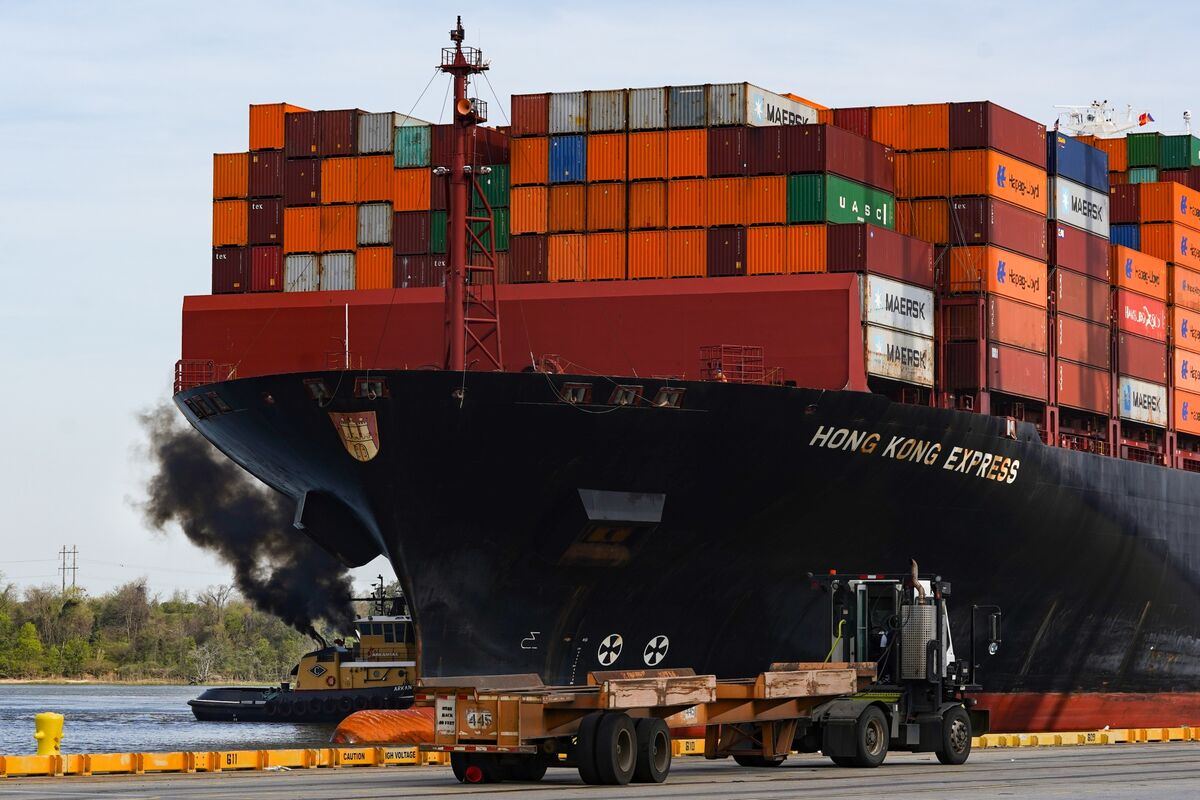




Metals Tariff Restructuring
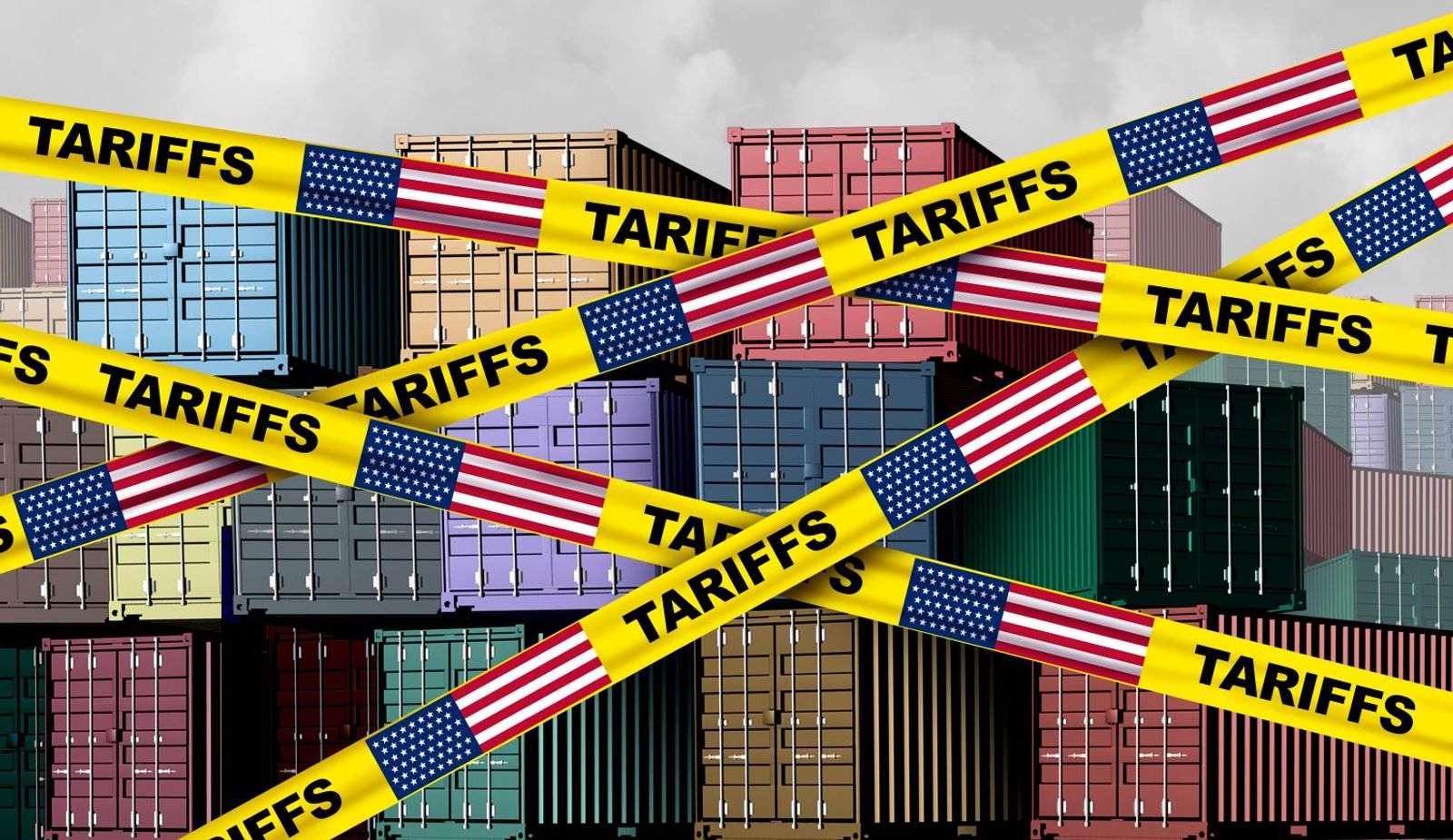
President Trump revamped tariffs on steel, copper, and aluminum through an executive order Thursday. The tariffs are based on the amount the U.S. pays for the import, not the production cost in its country of origin. The administration will maintain 50% tariffs on many imported steel, aluminum and copper products, while simplifying duties for goods made with negligible amounts of the metals.
Drug Tariff Threat
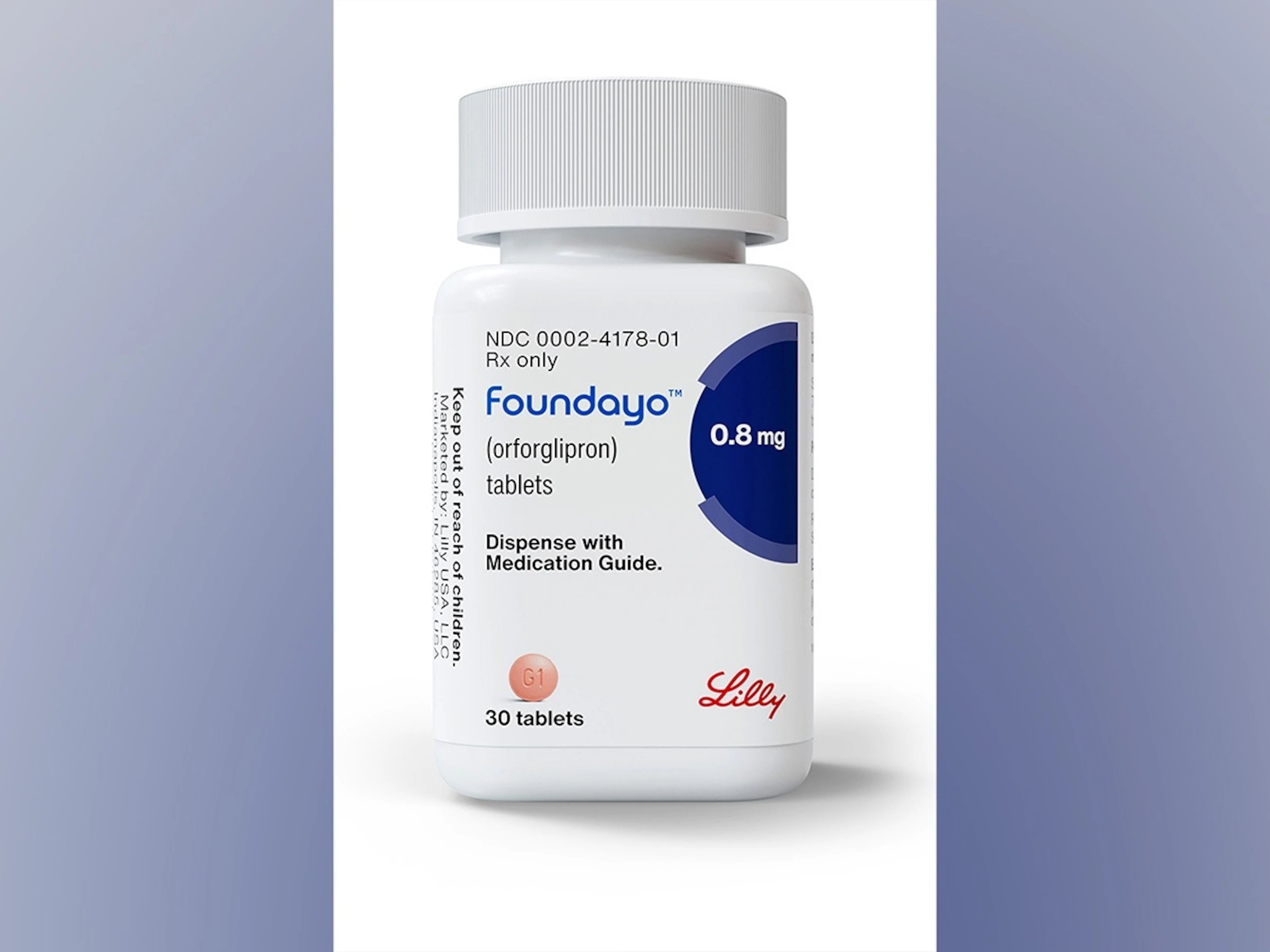
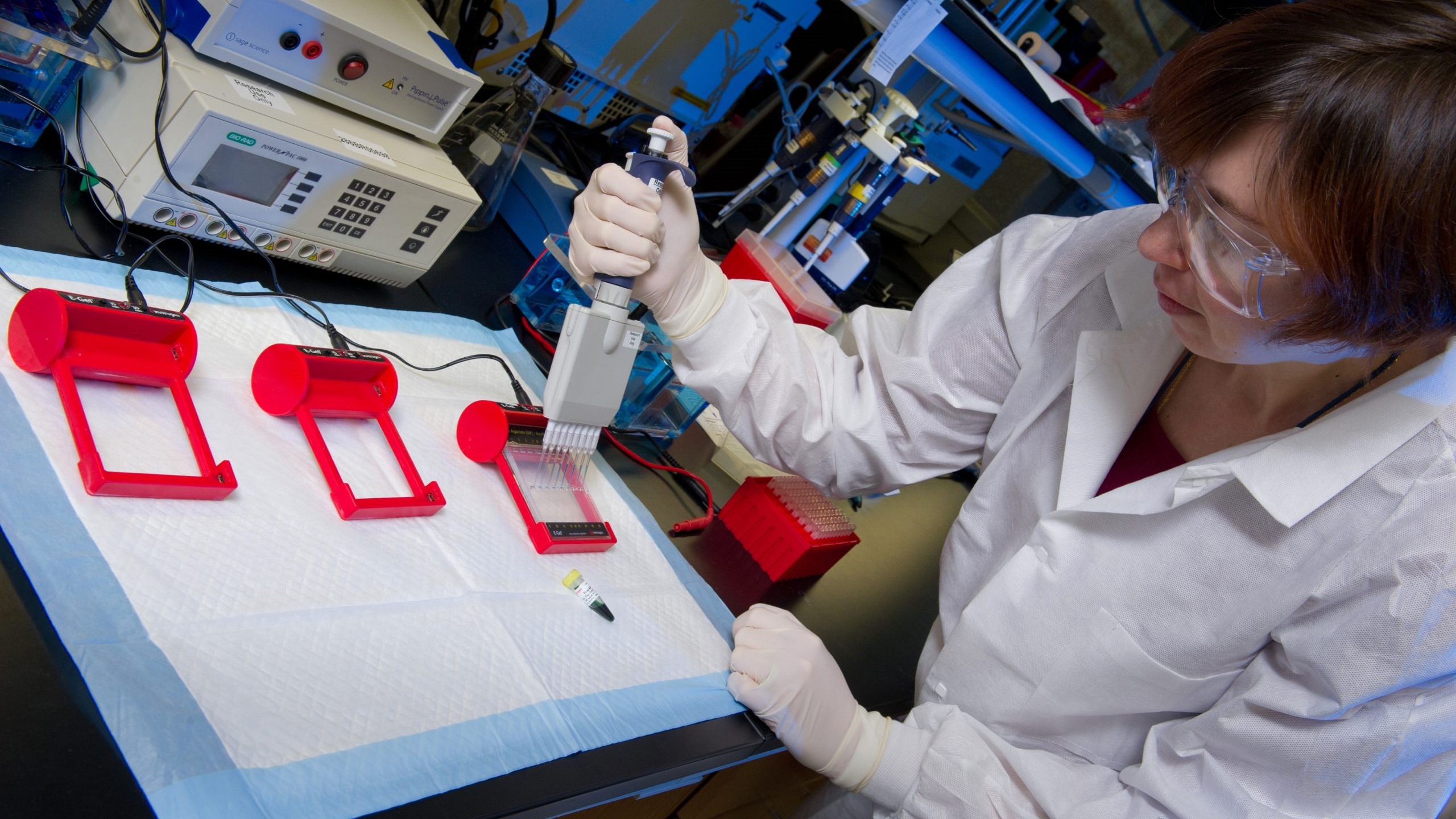
Trump is threatening 100% tariffs on pharmaceutical companies that have not struck deals to lower U.S. drug prices. The tariff will only apply to branded drugs and their active ingredients. Generic drugs, which make up more than 90% of medicines sold in the U.S., will be exempted from tariffs for at least one year.
Exemptions and Negotiations
Drugmakers who enter pricing agreements with the White House and onshore drug production will be exempted from the tariffs. Companies that plan to increase their domestic manufacturing will see a 20% tariff that will increase to 100% in four years. Big drugmakers that have signed deals, which exempt them from tariffs for three years, include Pfizer and Eli Lilly. Large companies have 120 days before the rate goes into effect and can negotiate deals with the White House to skirt the tariff or reduce the levy. Smaller companies will have 180 days to negotiate deals.

The sources also report that the US has already agreed to exemptions for 17 drugmakers, four of which are still being negotiated.
Impact on Companies
The Midsized Biotech Alliance of America (MBAA) stated the executive order risks creating an "unfair two-tiered system of exemptions" benefiting only big companies that have already made most-favored-nation deals with Trump. Alanna Temme, MBAA's president, said mid-sized drugmakers "lack diversified portfolios to absorb these sudden cost increases."
International Agreements
The European Union, Japan, Korea and Switzerland will see a 15% U.S. tariff on patented pharmaceuticals, matching previously agreed rates for most goods. The United Kingdom will get 10%, which Thursday's order noted would "then reduce to zero" under future trade agreements. The UK previously said it secured a zero-percent tariff rate for all British medicines exported to the U.S. for at least three years.
"Liberation Day" Anniversary
The order arrived on the first anniversary of Trump's so-called "liberation day," when the president unveiled sweeping new import taxes on nearly every country in the world.
Criticisms and Concerns
Stephen J Ubl, the CEO of the pharmaceutical company trade group PhRMA, said taxes "on cutting-edge medicines will increase costs and could jeopardize billions in U.S. investments." Bryan Riley, the director of the National Taxpayers Union Foundation's free trade initiative, said tariffs failed to shrink the trade deficit, revitalize manufacturing, and help farmers.



The sources also report that orphan, veterinary, and other specialty drugs are exempt from tariffs if they are from trade deal countries or meet urgent public health needs.