





The Scale of the Pardon
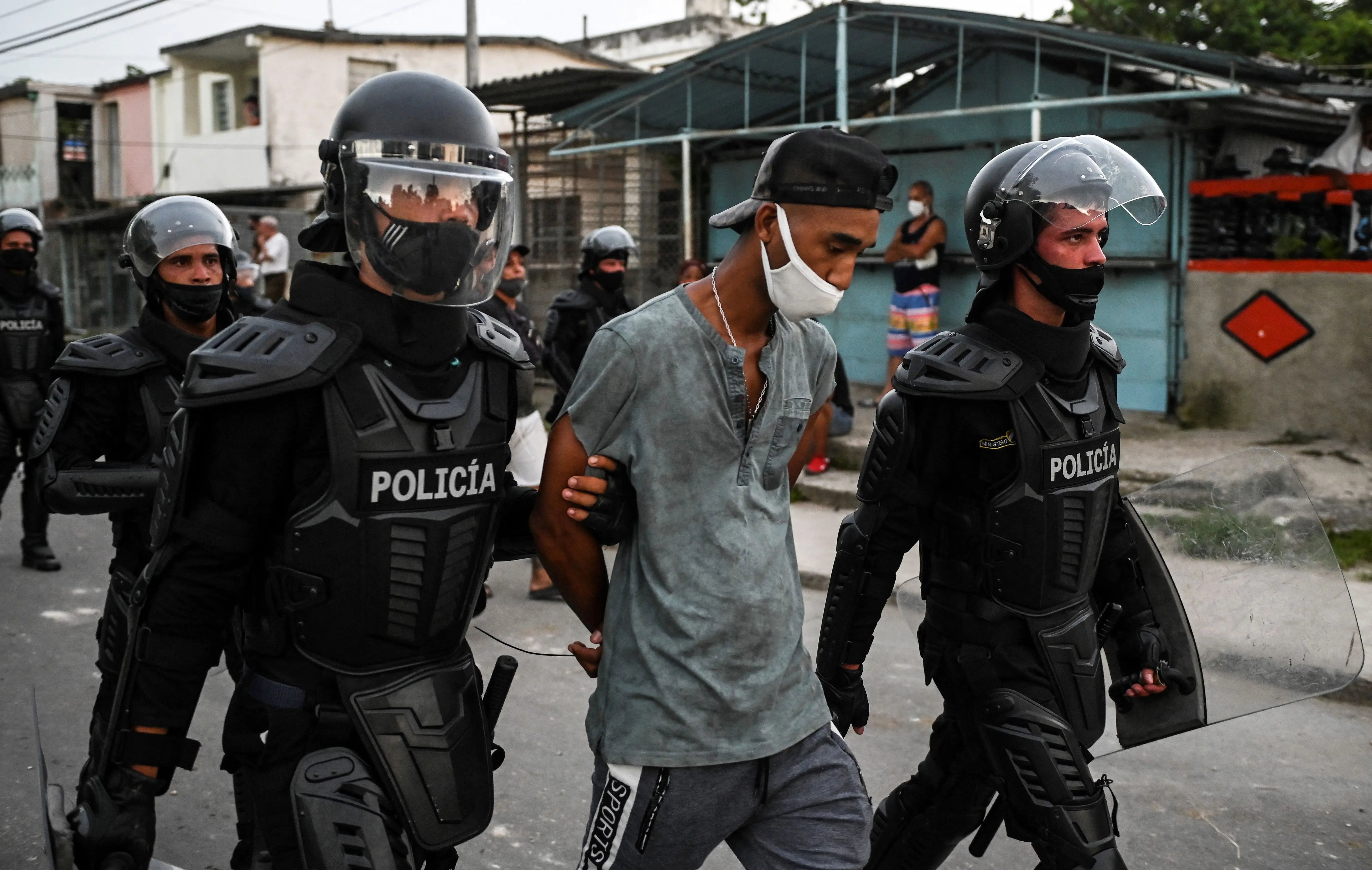
Cuba's government announced Thursday that it was pardoning and releasing 2,010 prisoners. The Cuban government said those freed include women, people over 60, younger people, Cuban citizens living abroad, and foreign nationals. The island has now freed more than 11,000 people total through its pardon program.
The government characterized the releases as a "humanitarian gesture" timed to Holy Week and said the decision was "based on a careful analysis of the characteristics of the crimes committed by those sanctioned, their good behavior in prison, having served a significant portion of their sentence, and their health status." Prisoners convicted of violent crimes were not eligible for release.
Uncertainty Over Political Prisoners
It remains unclear whether any political prisoners were included in the pardon. The nonprofit group Prisoners Defenders has counted 1,211 to 1,214 political prisoners in Cuba, though the Cuban government denies holding any prisoners for political reasons. Michael Bustamante, chair of Cuban studies at the University of Miami, said determining who was released will be essential to understanding the move's political significance.
Cuban authorities provided no details on whether any of those pardoned were protesters convicted and sentenced for terrorism, contempt, or public disorder. The government also did not specify when prisoners were being released or under what conditions.
Oil Blockade and Negotiations
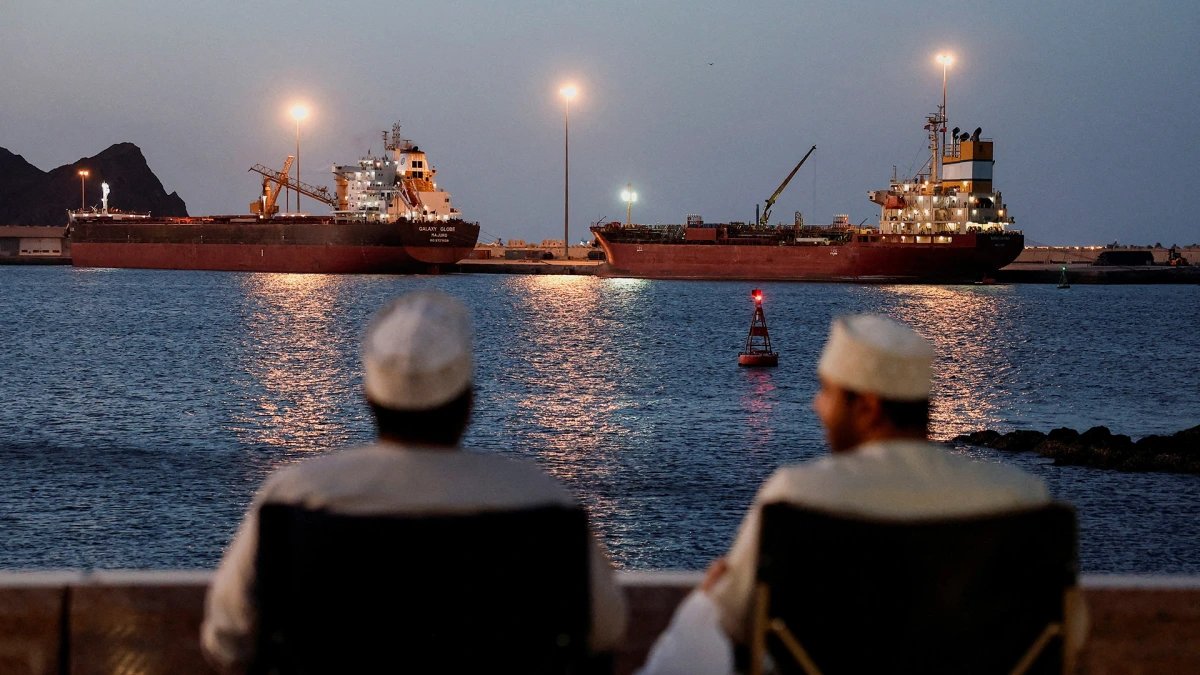
The prisoner releases come days after President Trump allowed a Russian-flagged oil tanker carrying more than 700,000 barrels of crude to dock in Havana, easing months of fuel shortages that have crippled the island. White House press secretary Karoline Leavitt said the Trump administration decided to let the tanker through "for humanitarian reasons," though she stated that future decisions on whether to allow tankers will be made on a "case-by-case basis."
Trump told reporters over the weekend: "We don't mind having somebody get a boatload because they need, they have to survive." Russia has said it plans to send a second tanker to Cuba.
Trump's Pressure Campaign
The Trump administration has placed extreme pressure on Cuba's government in recent months, with Trump suggesting he could "take" the island. "Whether I free it, take it, I think I could do anything I want with it," Trump told reporters last month. On Sunday, he called Cuba a "failing country" and said "Cuba's going to be next" in his administration's foreign policy agenda.
Secretary of State Marco Rubio told Fox News that Cuba needs "economic reforms and political reform" and that "you cannot fix their economy if you don't change their system of government." Rubio called Cuba's leaders "incompetent" and said the country is "in a lot of trouble."
Signs of Dialogue
Despite Trump's aggressive rhetoric, the two sides have engaged in negotiations, with Cuba's former president, Raúl Castro, playing a role. Bustamante said it seems reasonable to think the prisoner release "is a sign that some of the conversation between both governments is advancing. Perhaps slowly, but advancing. To where? Unclear."
Cuba has pushed back against Trump's suggestions about taking control. President Miguel Díaz-Canel Bermúdez warned last month that "any external aggressor will clash with an impregnable resistance."

The sources also report that Cuba released 51 prisoners last month and 553 in January last year after talks with the Vatican.