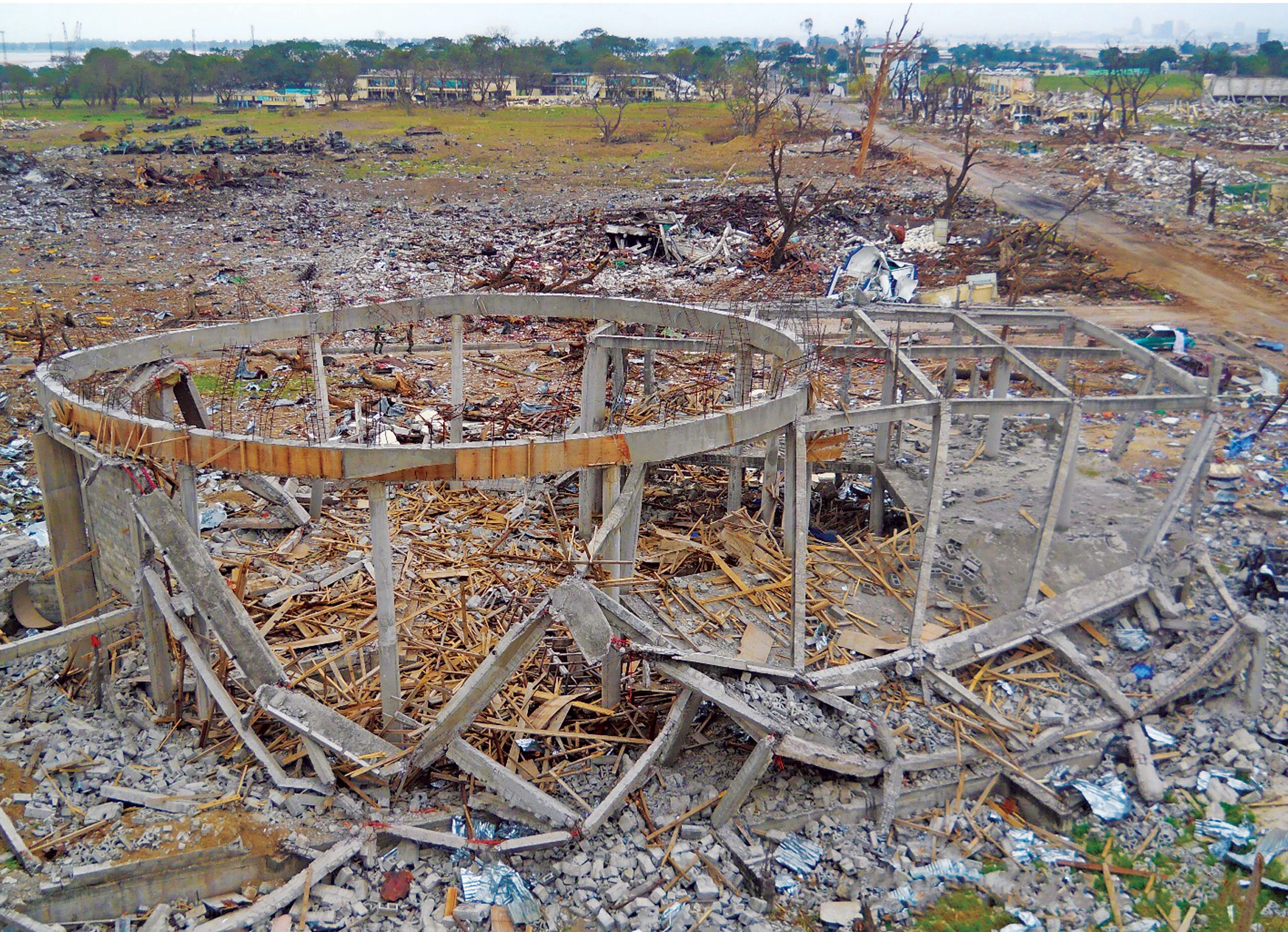
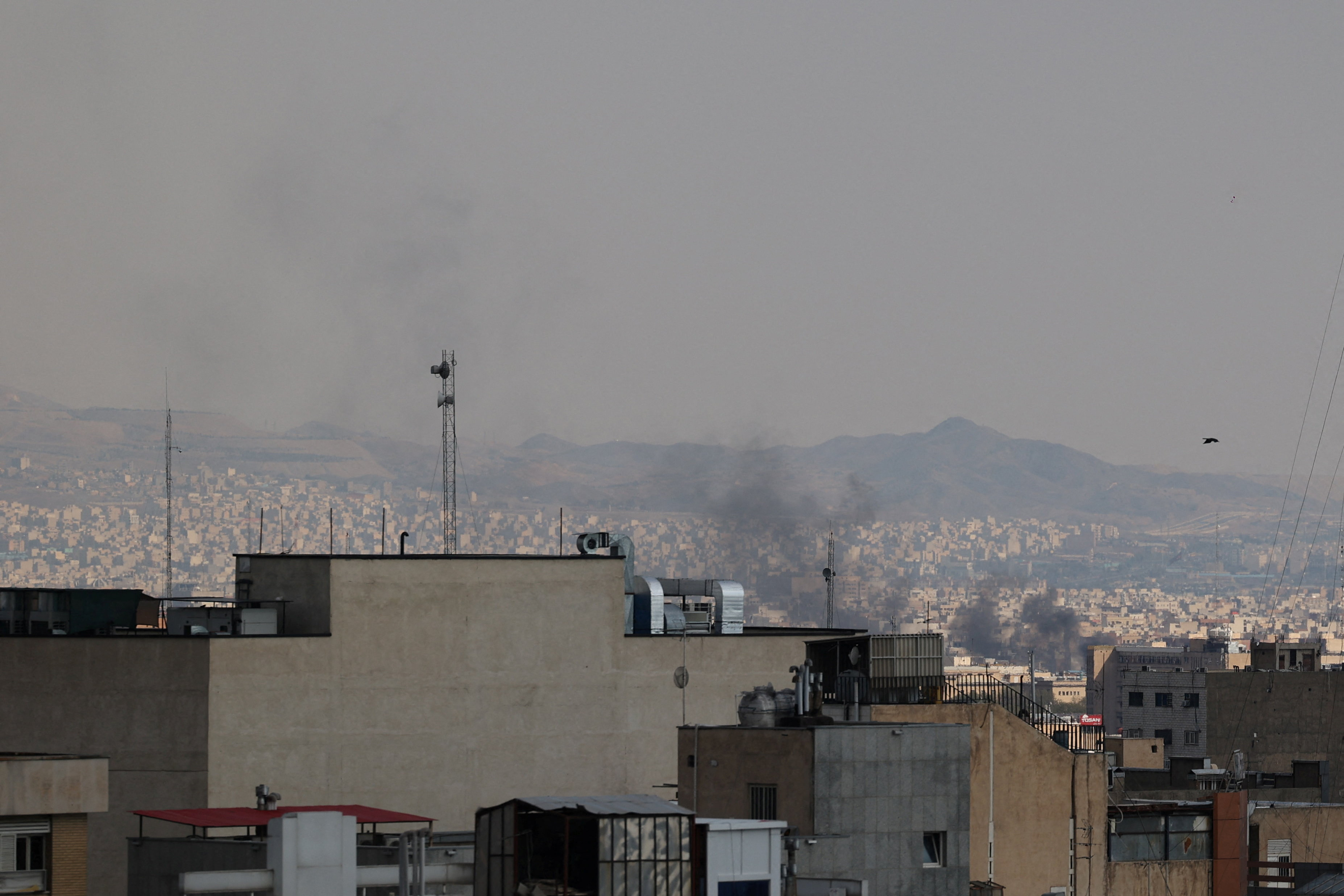
A strike on Iran's tallest bridge killed eight people and wounded 90 others, France 24's Reza Sayah reported. Democratic Rep. Seth Moulton accused President Trump of targeting Iran's energy infrastructure. The Hill noted damage to almost two dozen universities where students had protested the regime.
He warned that assaults on infrastructure "haven't even started," according to Al Jazeera, amid ongoing U.S.-Israeli operations.
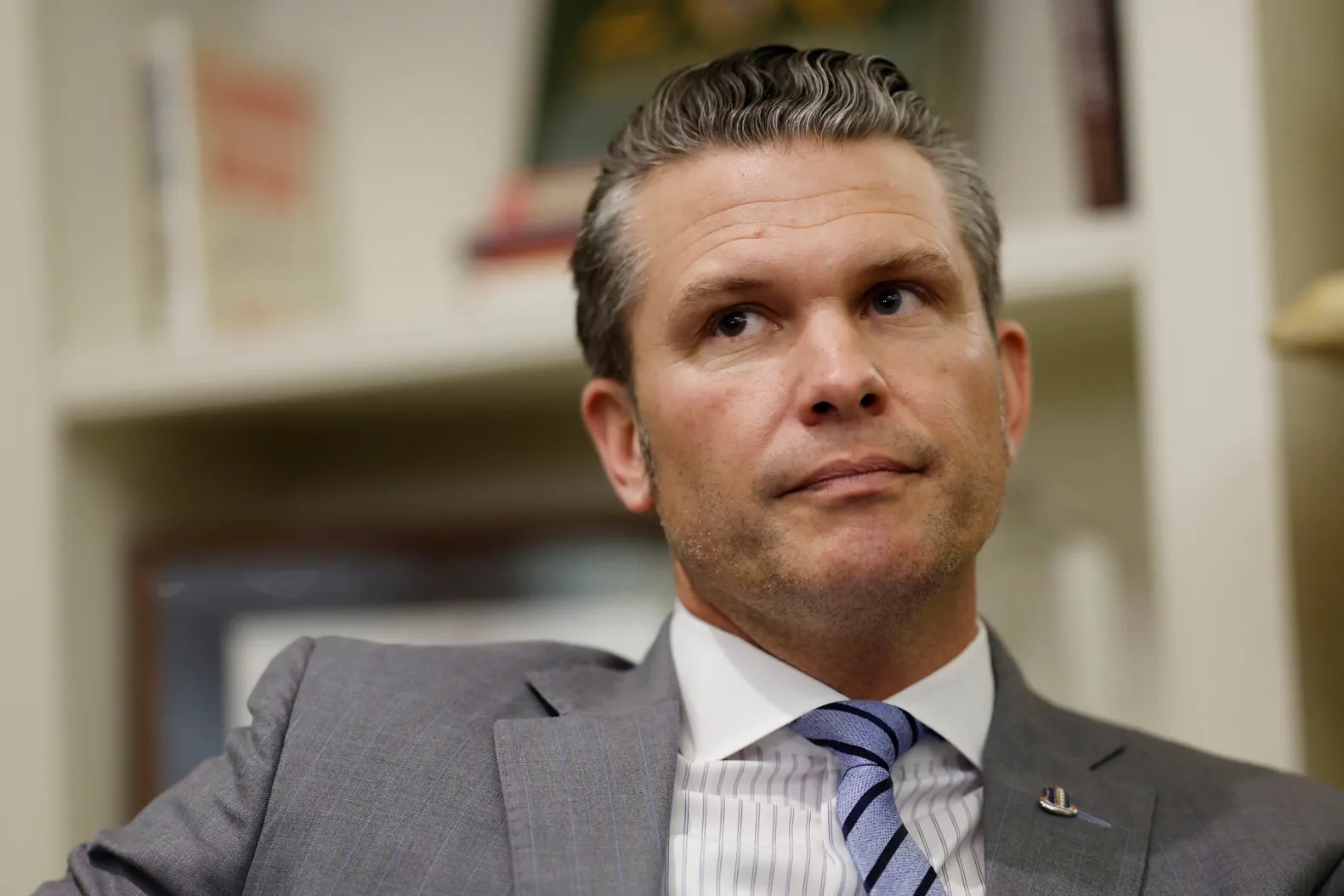
Defense Secretary Pete Hegseth asked Army Chief of Staff Gen. Randy George to retire immediately, making him the latest in a string of removals, Axios confirmed. George, nominated in 2023 and serving as the 41st chief, oversaw the Army Transformation Initiative that cut "outdated" vehicles like AH-64D Apaches. South China Morning Post added that Gen. David Hodne and Maj. Gen. William Green Jr. also left their posts, with Gen. Christopher LaNeve stepping in as acting chief amid the conflict.
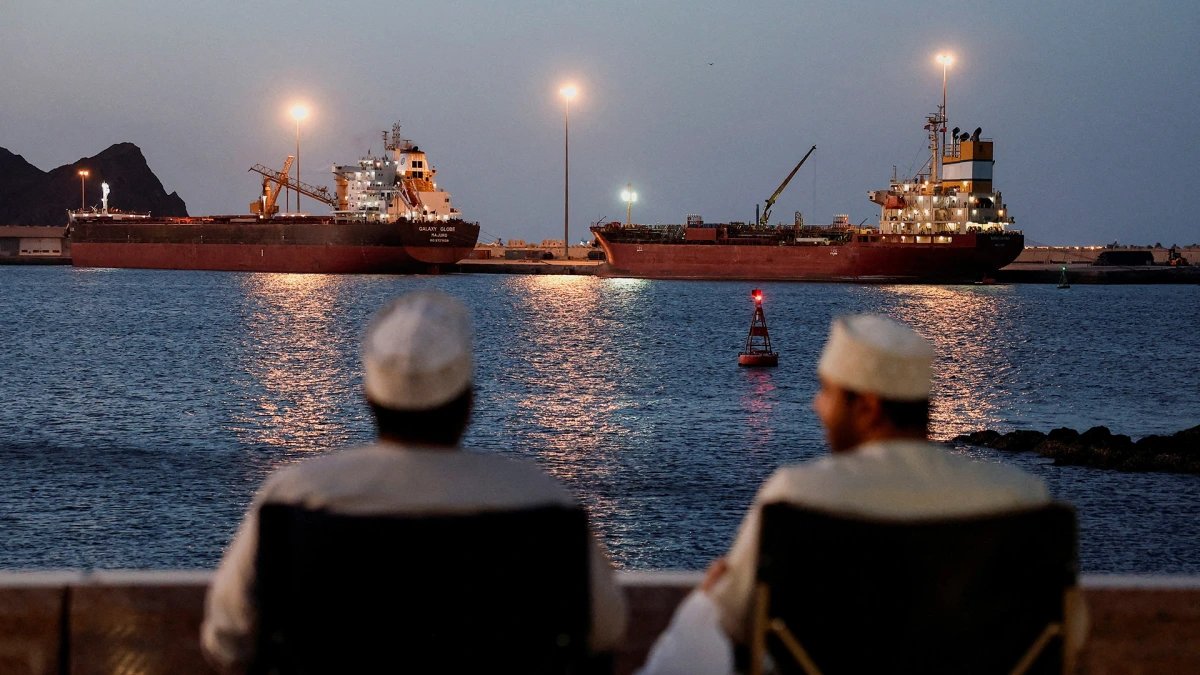
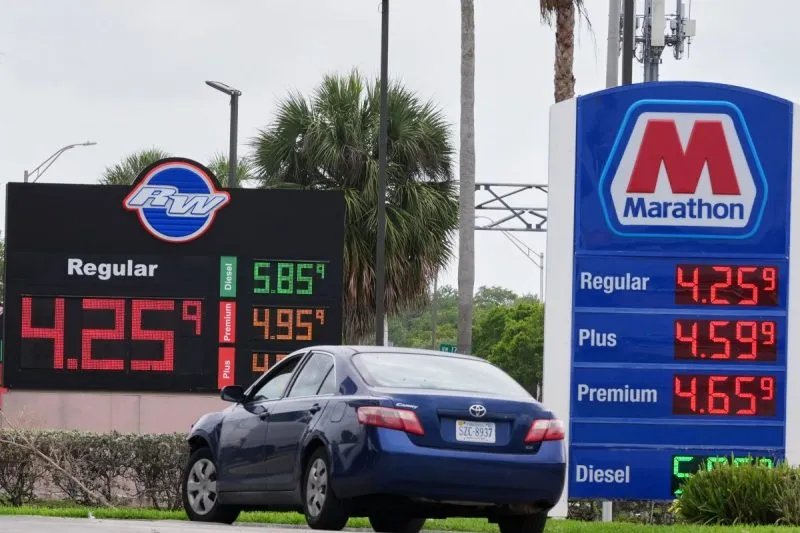
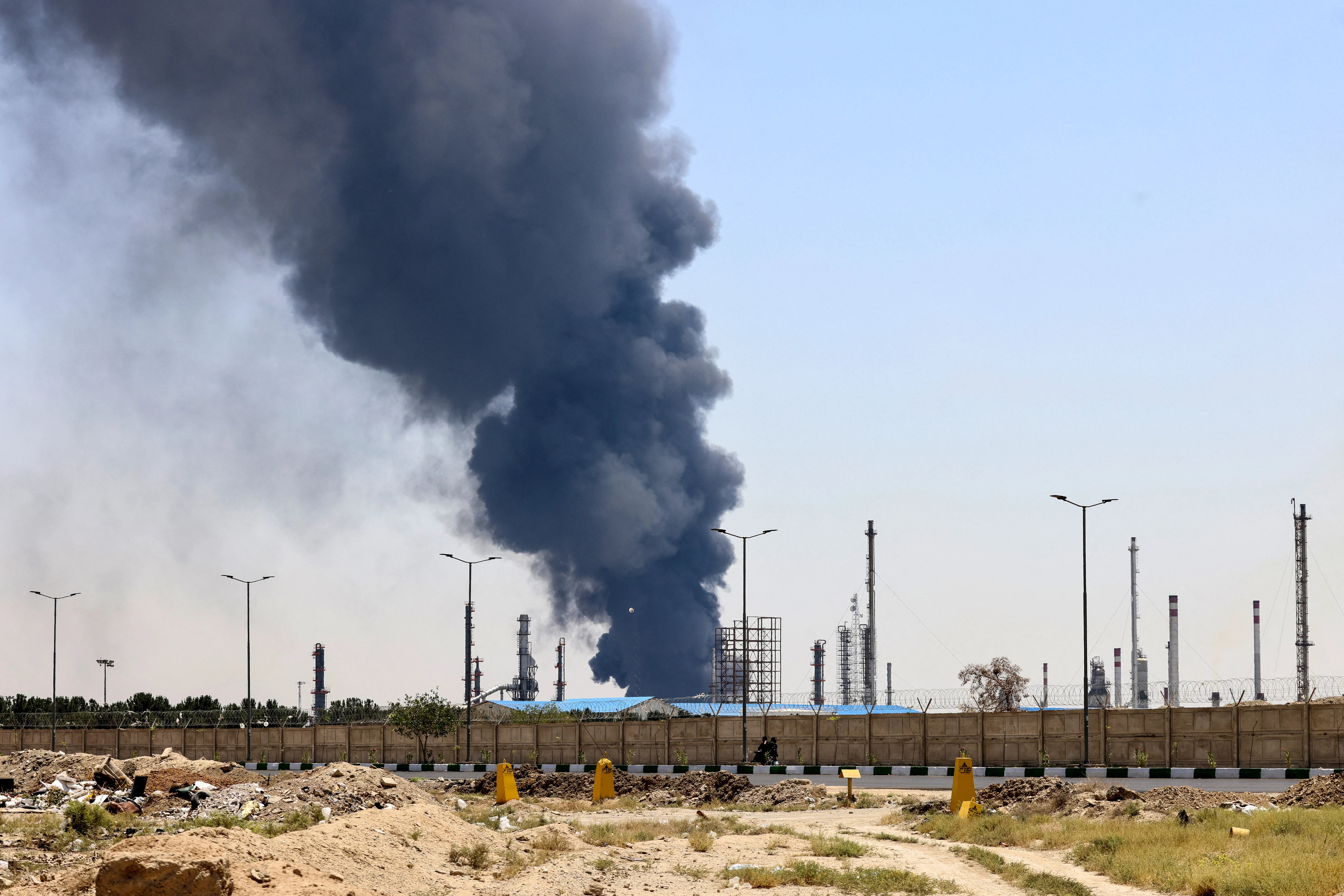
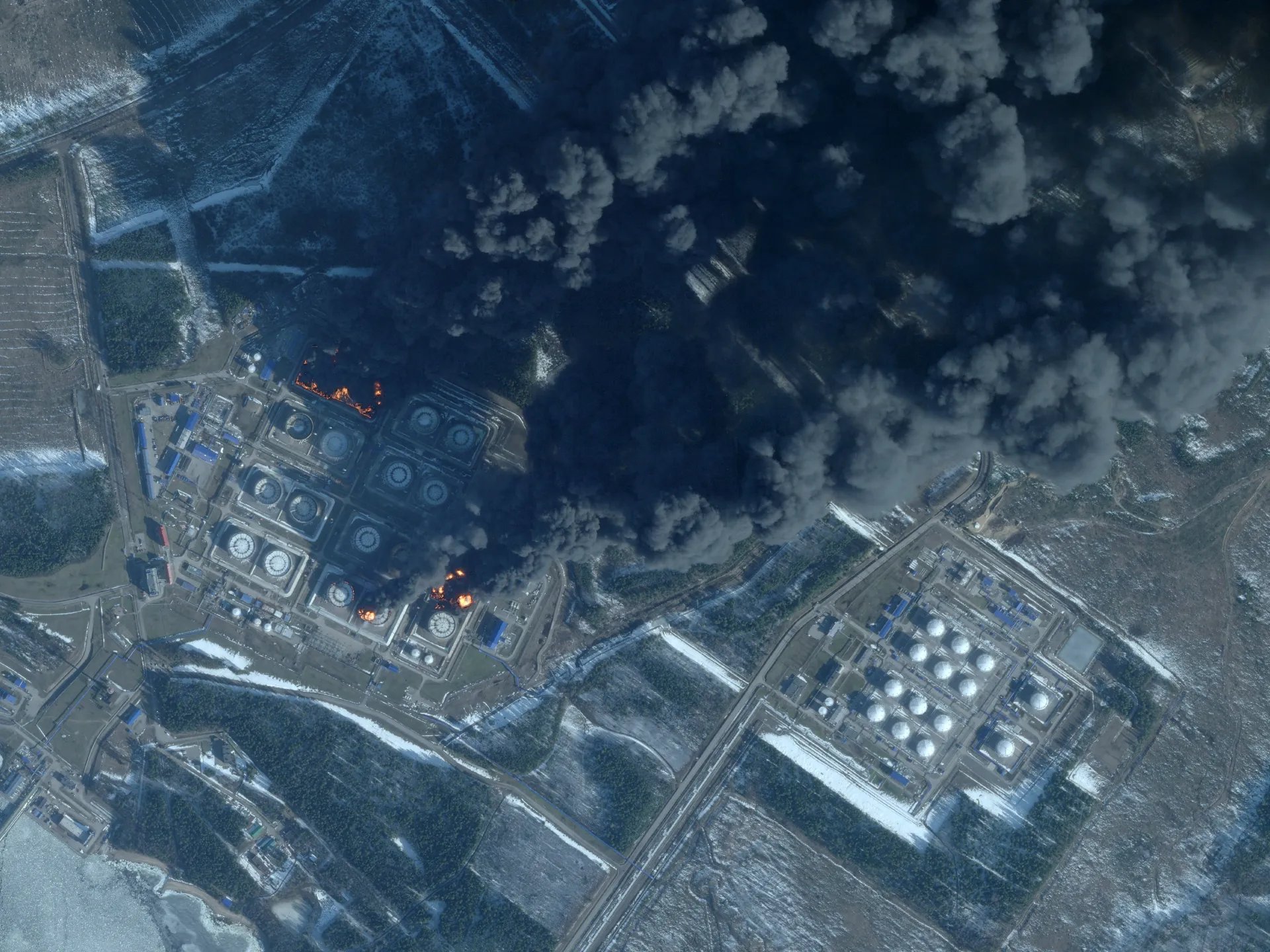
Near-term oil prices reached a record premium over later deliveries after Trump's speech, Reuters reported, with disruptions in the Strait of Hormuz pushing prices higher. The Hill noted the Dow Jones Industrial Average fell 600 points and the S&P 500 dropped 1.3 percent on the same day, while Al Jazeera highlighted fuel shocks rippling worldwide. Goldman Sachs economist Andrew Tilton warned that these spikes could test China's self-reliance, affecting Asian growth as Pakistan faces a gas shortage crisis from collapsed LNG supplies.
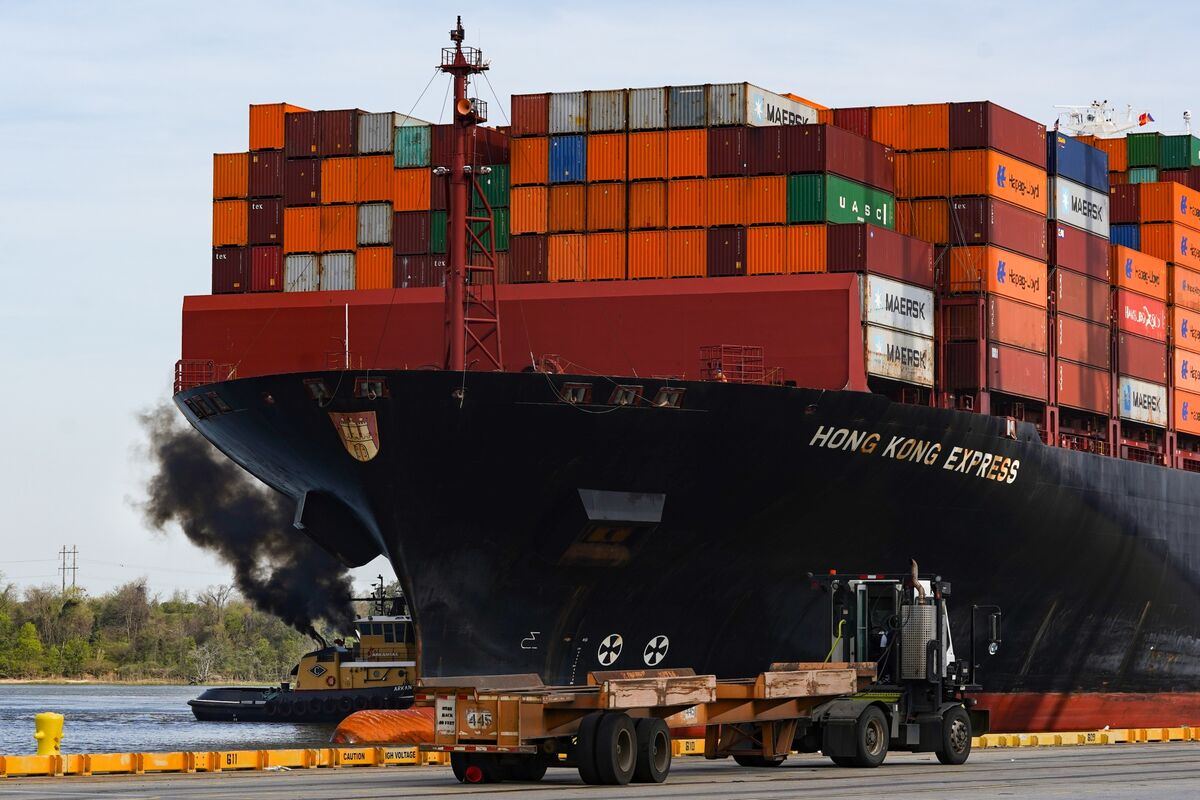
A new CNN poll showed 66 percent of Americans "somewhat disapprove" or "strongly disapprove" of U.S. military action in Iran, up 7 percentage points since the conflict began. House Minority Leader Hakeem Jeffries stated that Americans would "furiously react" to cuts in federal health care funds for Pentagon requests, as The Hill detailed. BBC reported that Iran's two largest steel plants shut down due to air strikes, making beer and bottled water pricier for consumers in countries like India as raw material supplies dwindle.
Families in Tehran held picnics despite the war's disruptions, South China Morning Post observed, illustrating how everyday activities face threats from escalating costs and shortages. This human-scale consequence underscores the need for concrete measures, such as the UN Security Council's vote on a Bahraini resolution to reopen the Strait of Hormuz, as Deutsche Welle noted, to ease global supply crunches and protect household budgets.
Democratic Rep. Seth Moulton charged that President Trump is “resorting to war crimes” by targeting Iran’s energy infrastructure. Experts pointed to strikes on Iranian universities and bridges as potential violations, with France 24’s Reza Sayah reporting that a strike on Iran’s tallest bridge killed eight people and wounded 90 others. These actions raise legal stakes for U.S.–Iran hostilities, as The Hill noted damage to almost two dozen universities where students had protested the regime.
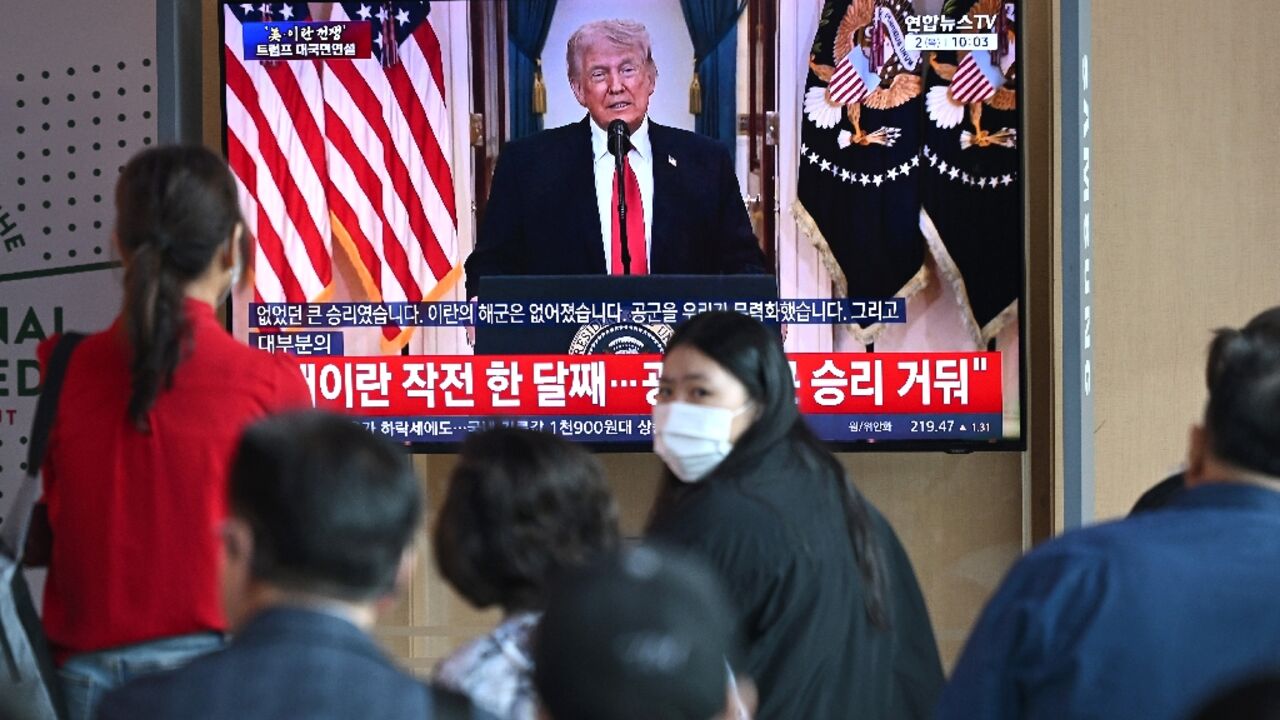
President Trump vowed to strike Iran’s bridges and electric power plants, declaring in a national address that forces would bring the country “back to the Stone Ages.” He warned that assaults on infrastructure “haven’t even started,” according to Al Jazeera, amid ongoing U.S.-Israeli operations. This rhetoric followed Trump’s direction of Operation Epic Fury, which eliminated Iran’s supreme leader, as Times of India reported, potentially prolonging the war despite declining domestic support.
Defense Secretary Pete Hegseth asked Army Chief of Staff Gen. Randy George to retire immediately, making him the latest in a string of removals, Axios confirmed. George, nominated in 2023 and serving as the 41st chief, oversaw the Army Transformation Initiative that cut “outdated” vehicles like AH-64D Apaches. South China Morning Post added that Gen. David Hodne and Maj. Gen. William Green Jr. also left their posts, with Gen. Christopher LaNeve stepping in as acting chief amid the conflict.
Near-term oil prices reached a record premium over later deliveries after Trump’s speech, Reuters reported, with disruptions in the Strait of Hormuz pushing prices higher. The Hill noted the Dow Jones Industrial Average fell 600 points and the S&P 500 dropped 1.3 percent on the same day, while Al Jazeera highlighted fuel shocks rippling worldwide. Goldman Sachs economist Andrew Tilton warned that these spikes could test China’s self-reliance, affecting Asian growth as Pakistan faces a gas shortage crisis from collapsed LNG supplies.
A new CNN poll showed 66 percent of Americans “somewhat disapprove” or “strongly disapprove” of U.S. military action in Iran, up 7 percentage points since the conflict began. House Minority Leader Hakeem Jeffries stated that Americans would “furiously react” to cuts in federal health care funds for Pentagon requests, as The Hill detailed. BBC reported that Iran’s two largest steel plants shut down due to air strikes, making beer and bottled water pricier for consumers in countries like India as raw material supplies dwindle.
Families in Tehran held picnics despite the war’s disruptions, South China Morning Post observed, illustrating how everyday activities face threats from escalating costs and shortages. This human-scale consequence underscores the need for concrete measures, such as the UN Security Council’s vote on a Bahraini resolution to reopen the Strait of Hormuz, as Deutsche Welle noted, to ease global supply crunches and protect household budgets.
Highlighted text was flagged by the council. Tap to see feedback.