Captain Cody Khork, 35. Sergeant Nicole Amor, 39. Sergeant Declan Coady, 20. Sergeant Noah Tietjens, 42.
These four American service members are the first identified casualties of the U.S.-Iran conflict. They died Sunday when an Iranian drone struck a makeshift office space at the Shuaiba port in Kuwait with no apparent warning. Two additional soldiers were killed in the same strike but have not yet been publicly identified.
The four came from Nebraska, Florida, Iowa, and Minnesota. They served with the Army Reserve as part of Operation Epic Fury, working in logistics to keep troops supplied with food and equipment. One was wrapping up his final deployment and hoped to open a martial arts studio after leaving the military.
The strike hit a tactical operations center at the Kuwaiti port on Sunday. The Pentagon characterized it as a direct Iranian attack. The six deaths are the first confirmed American combat fatalities in the widening U.S.-Iran conflict.
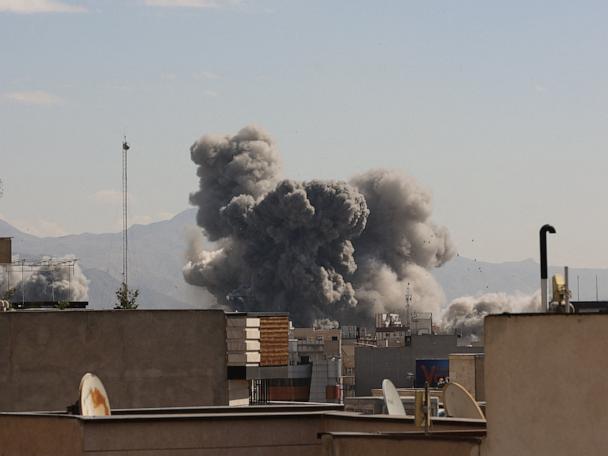
Israeli Prime Minister Benjamin Netanyahu said on Monday that military actions will not become an "endless war." He acknowledged that the strikes have killed hundreds of Iranians. President Trump said there will likely be more service members killed before the conflict ends.
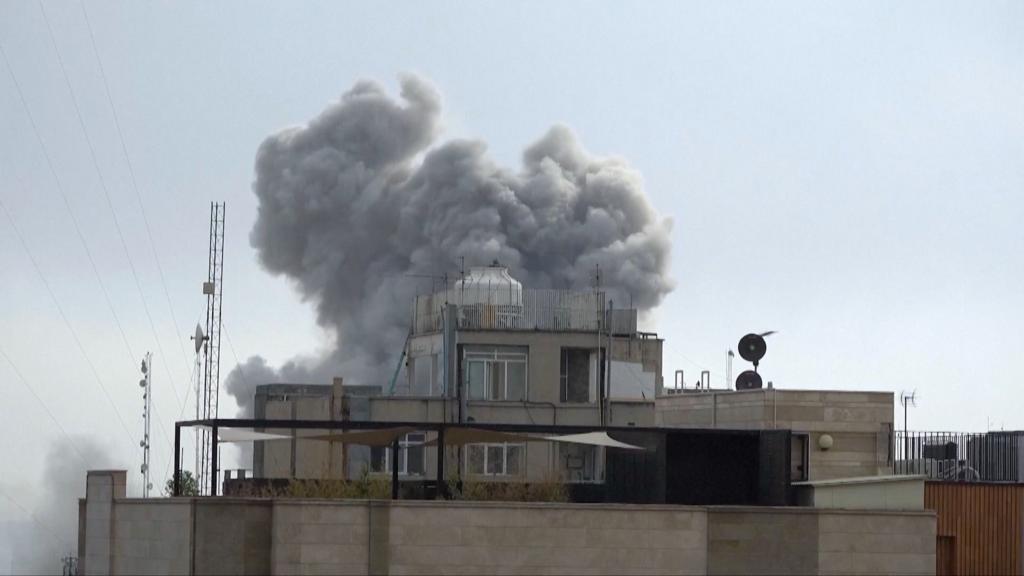
The war has already widened beyond initial strikes. French President Emmanuel Macron ordered the nuclear-powered aircraft carrier Charles de Gaulle to deploy from the Baltic Sea to the Mediterranean. Dubai and some Gulf hubs remain closed or severely restricted for a fourth day. Thousands of travelers are stranded.
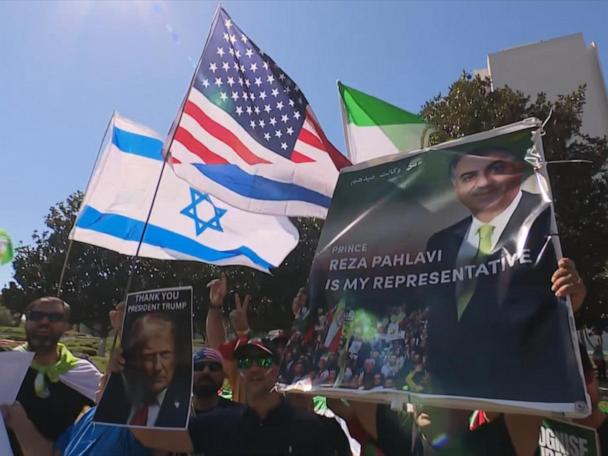
The conflict is dividing Americans at home. A France 24 report citing recent polling found only one in four Americans approved of Trump's attack on Iran. Stephen Zunes, Professor of Politics and Programme Director for Middle Eastern Studies at the University of San Francisco, called the early opposition "remarkable." He noted it includes opposition not only from liberals and the left, but also from members of Trump's own political base.
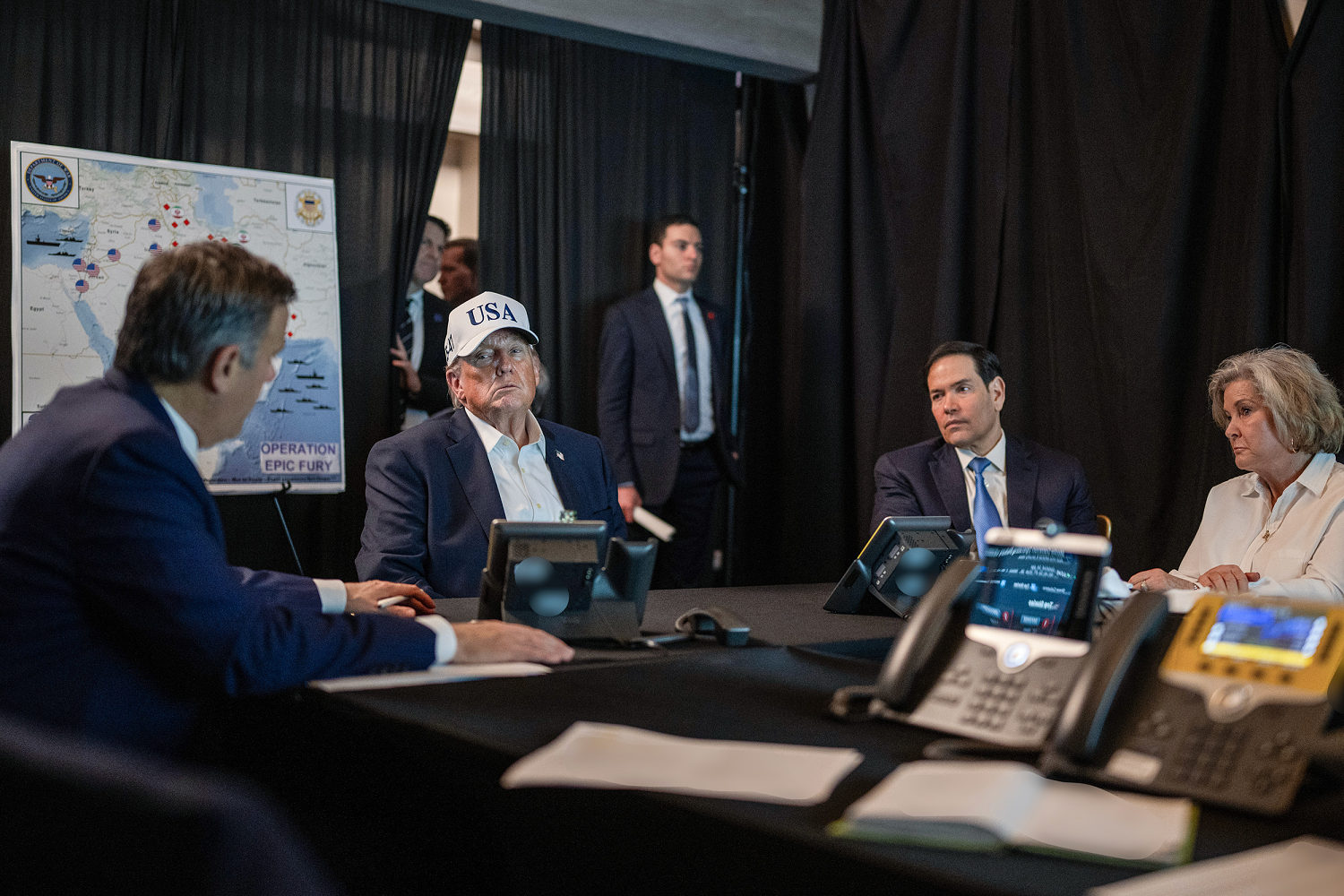
After classified briefings on the war, Democratic senators expressed alarm about potential escalation to include ground troops. Representative Warren Davidson and other Republicans have questioned whether the president has constitutional authority to wage war without a congressional declaration. Davidson stated: "America is a republic, not an empire."
Military commanders have faced scrutiny from watchdog groups and service members. The Military Religious Freedom Foundation, a watchdog group, says it has received more than 200 complaints from service members across all branches of the armed forces. According to the MRFF, complainants allege that commanders invoked Christian rhetoric about biblical "end times" to justify the war to troops.
The conflict is destabilizing financial markets across Asia. Central banks in Indonesia and India have intervened in foreign exchange markets to support their currencies as emerging market assets came under pressure. JPMorgan Head of Asia Economics Sajjid Chinoy characterized the war as a "modest macro-economic shock" unlikely to derail global growth. However, Iran's move to close the Strait of Hormuz could backfire and hurt its own economy.
Their deaths represent the human cost of a war that is reshaping Middle Eastern politics, dividing American voters, and destabilizing global markets all at once.
Captain Cody Khork, 35. Sergeant Nicole Amor, 39. Sergeant Declan Coady, 20. Sergeant Noah Tietjens, 42.
These four American service members are the first identified casualties of the U.S.-Iran conflict. They died Sunday when a Iranian drone struck a makeshift office space at the Shuaiba port in Kuwait with no warning. Two additional soldiers were killed in the same strike but have not yet been publicly identified.
The four came from Nebraska, Florida, Iowa, and Minnesota. They served with the Army Reserve as part of Operation Epic Fury, working in logistics to keep troops supplied with food and equipment. One was wrapping up his final deployment and hoped to open a martial arts studio after leaving the military.
The strike hit a tactical operations center at the Kuwaiti port on Sunday during what the Pentagon describes as a direct Iranian attack. The soldiers had no time to take shelter. The six deaths mark the first confirmed American combat casualties since the U.S. and Israel launched major strikes against Iran on Saturday.
Israeli Prime Minister Benjamin Netanyahu said the military actions, which have killed hundreds of Iranians and Iran's supreme leader, will not become an "endless war." But President Trump warned that more American deaths are likely before the conflict ends.
The war has already widened beyond initial strikes. France deployed its nuclear-powered aircraft carrier Charles de Gaulle from the Baltic Sea to the Mediterranean. Major Gulf airline hubs including Dubai remain closed or severely restricted. Thousands of travelers are stranded.
The conflict is dividing Americans at home. A recent poll showed just one in four Americans approved of Trump's attack on Iran. The opposition is unusual this early in a military conflict. Even controversial wars like Iraq saw initial public support when they began. Stephen Zunes, a professor of Middle Eastern studies, called the early opposition "remarkable," noting it crosses traditional political lines and includes members of Trump's own political base.
Democratic senators expressed alarm after classified briefings on the war, fearing the conflict could escalate to include ground troops. Some Republicans are questioning whether the president has constitutional authority to wage war without a congressional declaration. Representative Warren Davidson said "America is a republic, not an empire."
Military commanders have faced separate scrutiny. The Military Religious Freedom Foundation reports receiving more than 200 complaints from service members across all branches of the armed forces, alleging that commanders invoked extremist Christian rhetoric about biblical "end times" to justify the war to troops.
The conflict is destabilizing financial markets across Asia. Central banks in Indonesia and India have intervened in foreign exchange markets to support their currencies as emerging market assets came under pressure. JPMorgan economists characterized the war as a "modest macro-economic shock" unlikely to derail global growth, though Iran's decision to close the Strait of Hormuz risks severe damage to its own economy.
For the families of the four named soldiers, the next steps involve funeral arrangements and the question of whether more notifications will follow as the Pentagon identifies the two remaining casualties. Their deaths represent the human cost of a war that is reshaping Middle Eastern politics, dividing American voters, and destabilizing global markets all at once.
Highlighted text was flagged by the council. Tap to see feedback.