




The Escalation
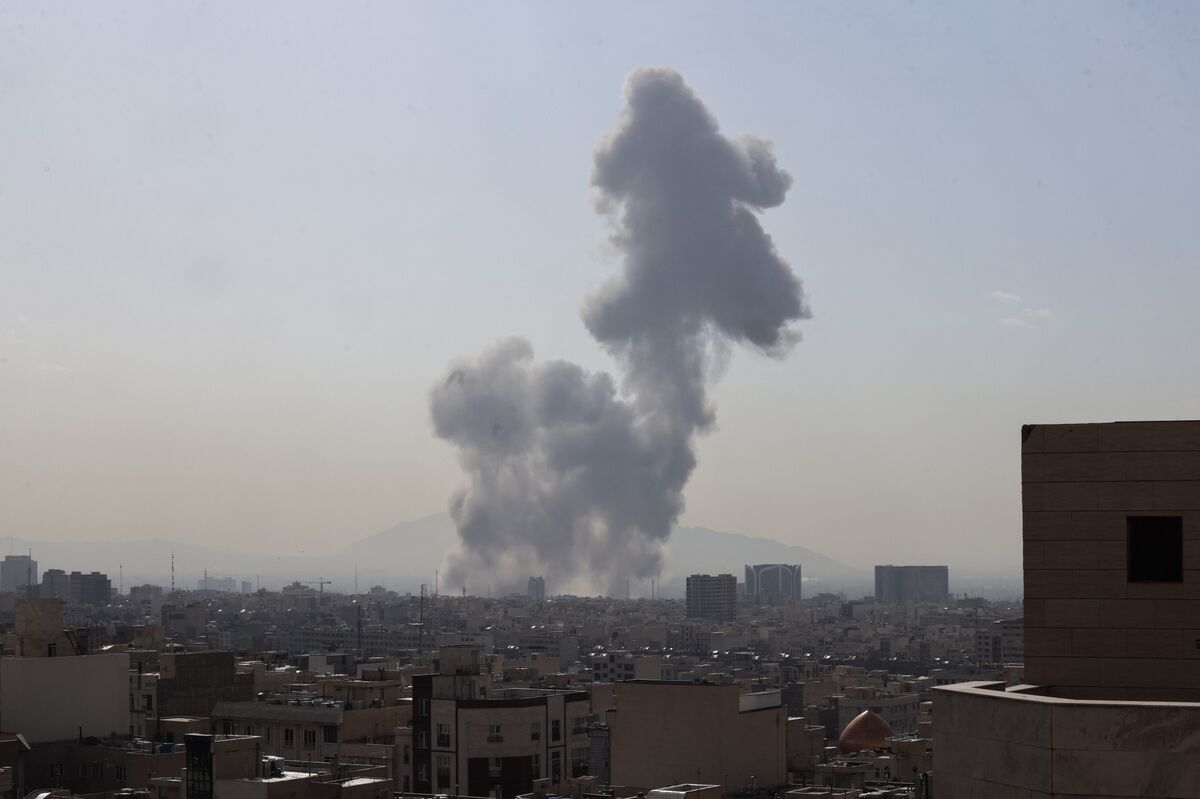
The United States evacuated diplomats and closed embassies across the Persian Gulf on Tuesday as the war with Iran entered its fourth day and showed no signs of slowing. Trump said military operations could last four to five weeks, though he later indicated the military "has the capability to go far longer." The conflict, which began with joint U.S.-Israeli strikes on Saturday, has already consumed at least 11 countries and prompted responses from European allies.
Iran responded to the initial American and Israeli strikes by launching waves of ballistic missiles and drones at Israel, U.S. military bases, and Gulf allies, saying it was retaliating for the attacks on Iranian territory. Two drones struck the U.S. Embassy in Riyadh on Tuesday, forcing diplomats to shelter in place. The State Department issued an urgent alert telling Americans to "depart now" from 13 countries, including Saudi Arabia, the UAE, Israel, Iraq, Kuwait, Lebanon, Qatar, Bahrain, Egypt, Oman, Syria, Yemen, and Jordan.
How Far the War Has Already Spread
The fighting has moved far beyond Iran's borders. Hezbollah launched missiles and drones from Lebanon at Israel on Sunday. Israel responded with massive airstrikes across Lebanon and into Beirut, killing senior Hezbollah commanders. Israel also sent ground troops deeper into Lebanese territory.
On Monday, Iranian drones struck an Aramco oil refinery in Saudi Arabia—the first such attack since 2019. Qatar reported shooting down two Iranian fighter jets. The UAE's air defenses intercepted ballistic missiles. Bahrain sounded sirens across the state. On Tuesday, drones hit a British Royal Air Force base in Cyprus, bringing Europe into active combat for the first time.
In a remarkable development, the Lebanese government voted to ban all Hezbollah military activity on its soil, with Prime Minister Nawaf Salam calling on the group to surrender its weapons immediately.
The Economic Shock
Markets plummeted as investors confronted the prospect of prolonged disruption to global oil supplies. The Dow fell approximately 1,100 points on Tuesday—a 2.3 percent drop, according to reporting on Tuesday morning. The S&P 500 fell 2.2 percent. Oil prices surged as Iran threatened to close the Strait of Hormuz, through which 20 percent of global crude shipments pass. The cost of booking the world's largest oil tankers hit a record high as shipping traffic through the strait nearly halted.
Qatar suspended liquefied natural gas production. Europe's benchmark natural gas price rose more than 40 percent at one point. Global financial markets showed severe disruption. If oil reaches $100 per barrel for an extended period, inflation will likely spike across the U.S. and Europe, according to economic analysts.
Trump's Shifting Goals
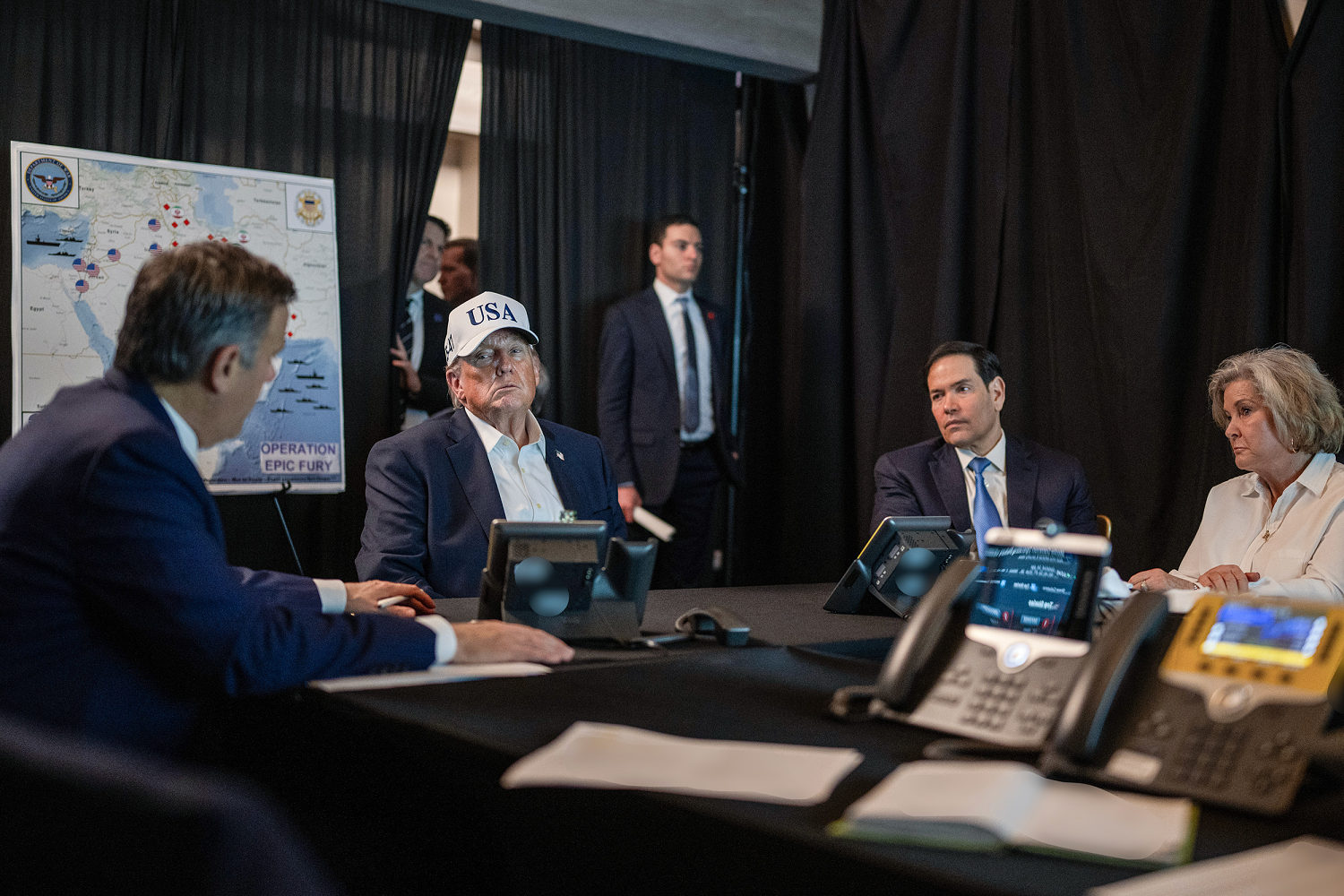
Trump has offered conflicting explanations for why he launched the war and what victory looks like. Trump initially cited "imminent threats" from Iran as justification. However, Pentagon officials briefed congressional staffers after Operation Epic Fury began that there was no intelligence suggesting Iran planned an imminent attack, directly contradicting Trump's stated rationale. Trump has also mentioned regime change as a goal, though he has not consistently defined what that means or how to achieve it.
Secretary of State Marco Rubio told reporters the strikes were based on Israel's pre-planned action. Trump announced the operation as "Operation Epic Fury" and said it could last four to five weeks. On Tuesday, he suggested the military "has the capability to go far longer."
The Political Fracture
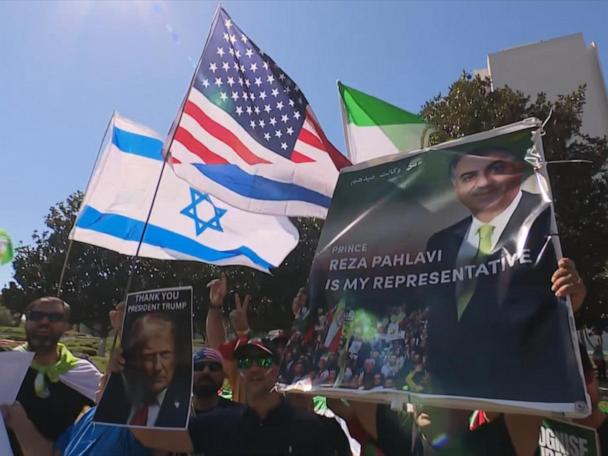
Trump promised his "Make America Great Again" base that he would avoid new wars. Trump voters in one Texas town largely backed his decision, though some comments suggested confusion about his campaign promise to avoid new wars. According to The New York Times, Tucker Carlson met with Trump before the strikes to urge him not to attack Iran.
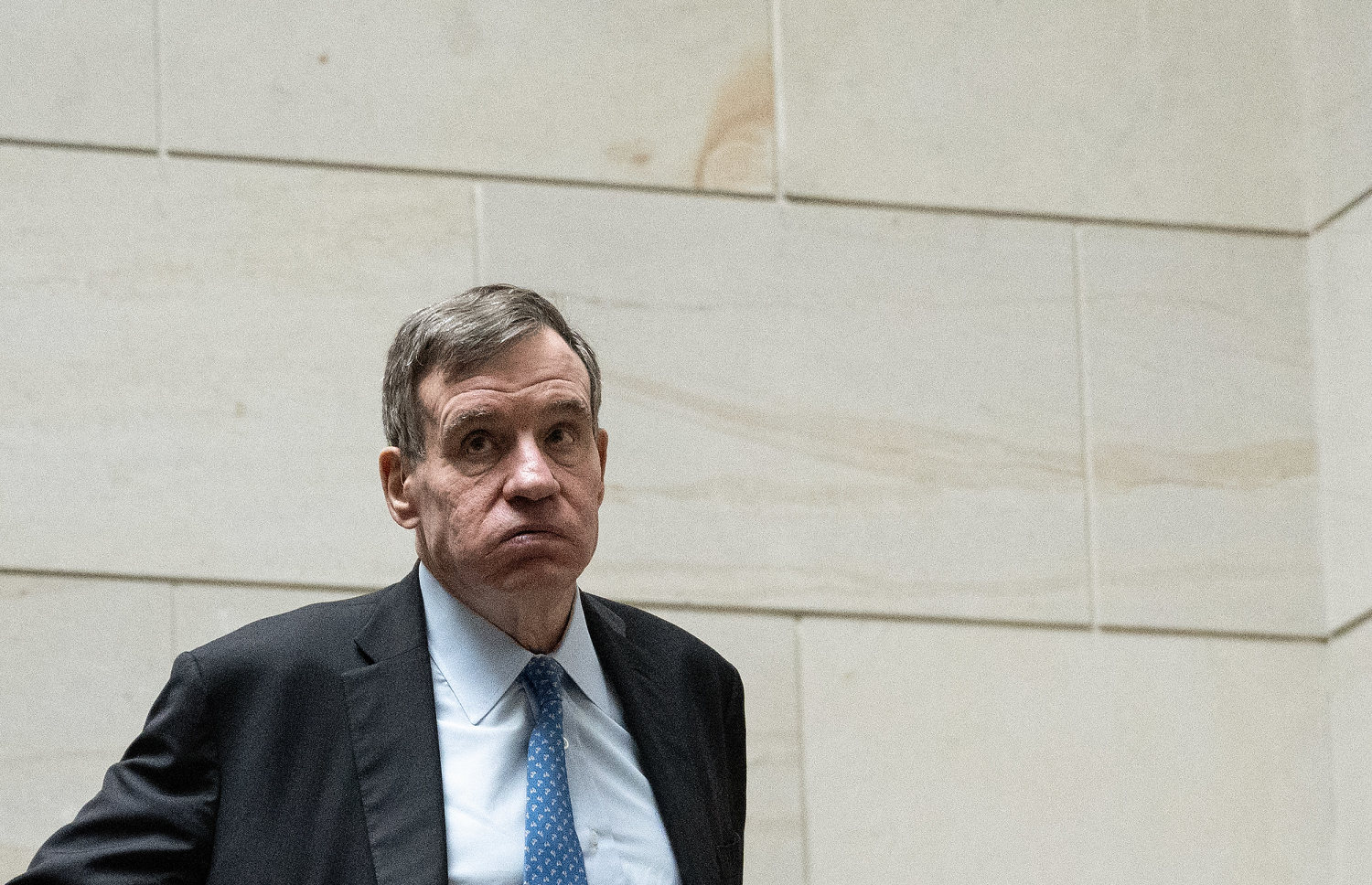
Senate Republicans largely supported the initial strikes but warned Trump against expanding the mission as the death toll rose. Democrats are pushing for votes on resolutions requiring explicit congressional approval for any continued military action. Trump launched the war without a formal congressional declaration of war or consultation with Congress.
Europe's Dilemma
Britain, France, and Germany issued a joint statement saying they would "take steps to defend our interests and those of our allies in the region." British Prime Minister Keir Starmer announced the U.S. could use British air bases to launch strikes on Iranian missile and drone storage sites. These bases could include facilities in Cyprus and Diego Garcia in the Indian Ocean.
The attack on Cyprus, which currently holds the EU's rotating presidency, forced the island to postpone a planned ministerial summit. Greece announced it is sending two frigates and two fighter jets to defend the island. Camille Lons, deputy director of the European Council on Foreign Relations' Paris office, warned that the war is disrupting energy shipments, weapons supplies for Ukraine, and economic interests across the continent.
What Comes Next
Iran has vowed to expand attacks on "all economic centres" in the Gulf if its own targets are hit further. The Iran-backed Houthis in Yemen have signaled through their statements that they are preparing to enter the war. The FBI and Department of Homeland Security placed counter-terrorism teams on high alert, warning of a "heightened threat environment" and potential terror plots or cyberattacks by pro-Iranian hackers.
An Austin mass shooting is being investigated as potential terrorism linked to the conflict. The U.S. Capitol announced heightened security measures. American embassies across the Gulf have closed. The Pentagon used Anthropic's Claude AI model for the initial attack on Iran and continues using it, according to sources familiar with the military's use of artificial intelligence. The conflict has already consumed at least 11 countries and disrupted global energy markets in its first four days.