




The Attack
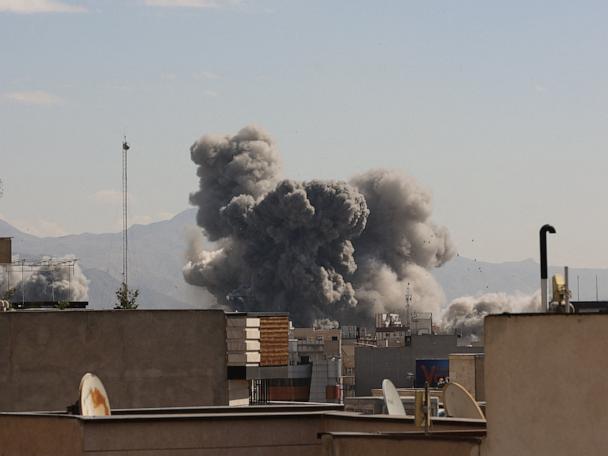
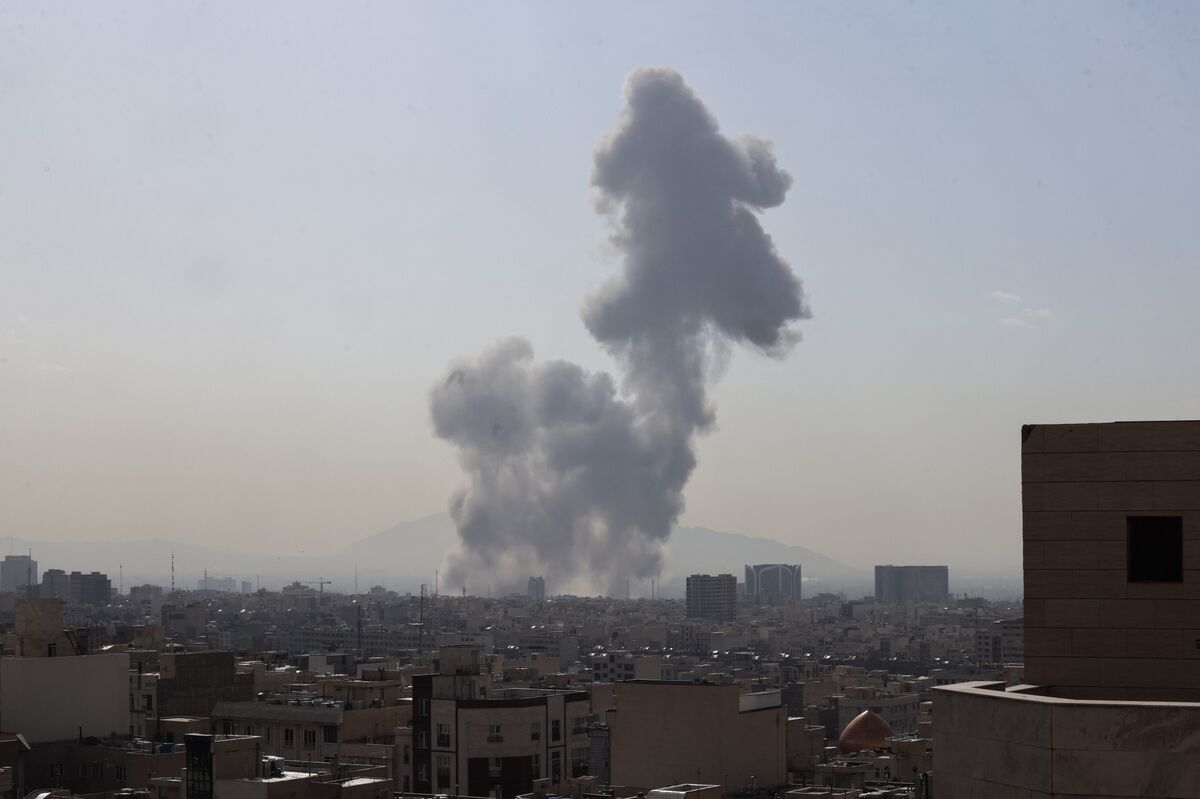
Israel launched strikes against Iran early Saturday; the United States subsequently joined the operation with separate attacks on Iranian missile sites. Israeli warplanes struck multiple locations across Iran, including targets that officials said were struck, such as Supreme Leader Ali Khamenei's residence and government compound in Tehran. Explosions were heard across central Tehran as the operation unfolded.
According to Al Jazeera, the strikes mark the sharpest escalation since a previous bout of fighting in June 2025. Israeli officials say the strikes aim to kill Iran's senior political and military leaders and to create conditions for the regime's downfall. Prime Minister Benjamin Netanyahu said the operation aims to remove an "existential threat," while President Trump declared the start of "major combat operations" and called on Iranians to rise up against their government. Iran has characterized the strikes as an unprovoked attack and promised retaliatory measures, with officials telling Reuters they are preparing a "crushing retaliation."
Who Was Targeted
Israeli officials said they are targeting Iran's entire leadership structure, both political and military. Israeli officials told Axios that President Masoud Pezeshkian, IRGC commander Ahmad Vahidi, Khamenei's security adviser Ali Shamkhani and former president Mahmoud Ahmadinejad are on the target list; it is not yet known which, if any, have been killed or injured. Israeli officials acknowledged they still lack clarity on which leaders have been killed and said it will take several more hours to assess the results.
A senior U.S. official told Axios that American strikes concentrate on Iran's missile launchers, while Israeli jets are simultaneously trying to kill Iranian leaders and hit missile sites. An Israeli official said the goal is to "create all the conditions for the downfall of the Iranian regime," with success depending partly on whether the Iranian people rise up against the government. Iran has not responded to calls for internal uprising, and the legitimacy of external military intervention to achieve regime change remains contested under international law.
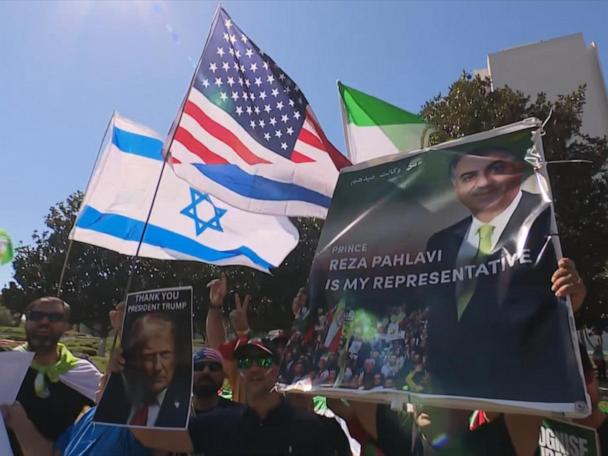
In a video statement, Netanyahu appealed directly to Iran's ethnic groups, saying: "The time has come for all parts of the people of Iran — Persians, Kurds, Azeris, Baluchis, and Ahwazis — to cast off the yoke of tyranny and bring about a free and peace-seeking Iran." There is no immediate reporting on whether Iranian ethnic groups or opposition movements have responded to this call. Trump urged Iranians to remain in their homes during the bombing and told them: "When we are finished, take over your government, it will be yours to take. This will be probably your only chance for generations." Iran has characterized such statements as foreign interference in its internal affairs.
The Immediate Fallout
At least eight countries, including Iran, Israel, Jordan, and Qatar, closed their airspace in response to the strikes. Air travel was severely disrupted as airlines halted flights across the region. Air India's Tel Aviv flight turned around midway through its journey.
Sirens blared across Israel warning of possible Iranian retaliatory missile attacks. Iran struck a U.S. military base in Bahrain with missiles, as reported in video from Al Jazeera. Iranian officials told Reuters they are preparing additional "crushing retaliation" and have promised further retaliatory measures against both Israel and the United States.
Lebanon's Hezbollah said it views an attack on Iran's leader as a "red line." Israel has previously warned Lebanon of heavy strikes if Hezbollah becomes involved, raising the risk of a broader regional conflict.
Economic Ripples
The strike and Iran's retaliatory response immediately rippled through global energy markets. OPEC+ delegates indicated the organization will consider a larger oil supply increase when key members meet on Sunday. The move signals concern that the conflict could disrupt Iran's oil exports and drive prices higher.
On Friday the State Department authorized non-emergency U.S. personnel and family members to leave Israel, citing the complex security environment. Multiple countries closed their airspace and halted flights as the region prepared for potential further conflict. The security situation remains volatile. Iran has already struck a U.S. military base in Bahrain and has promised additional retaliatory measures against both Israel and the United States.