




The Strike That Changed Everything
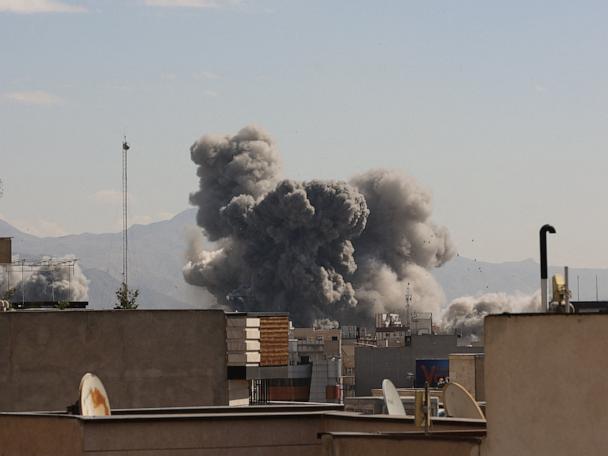
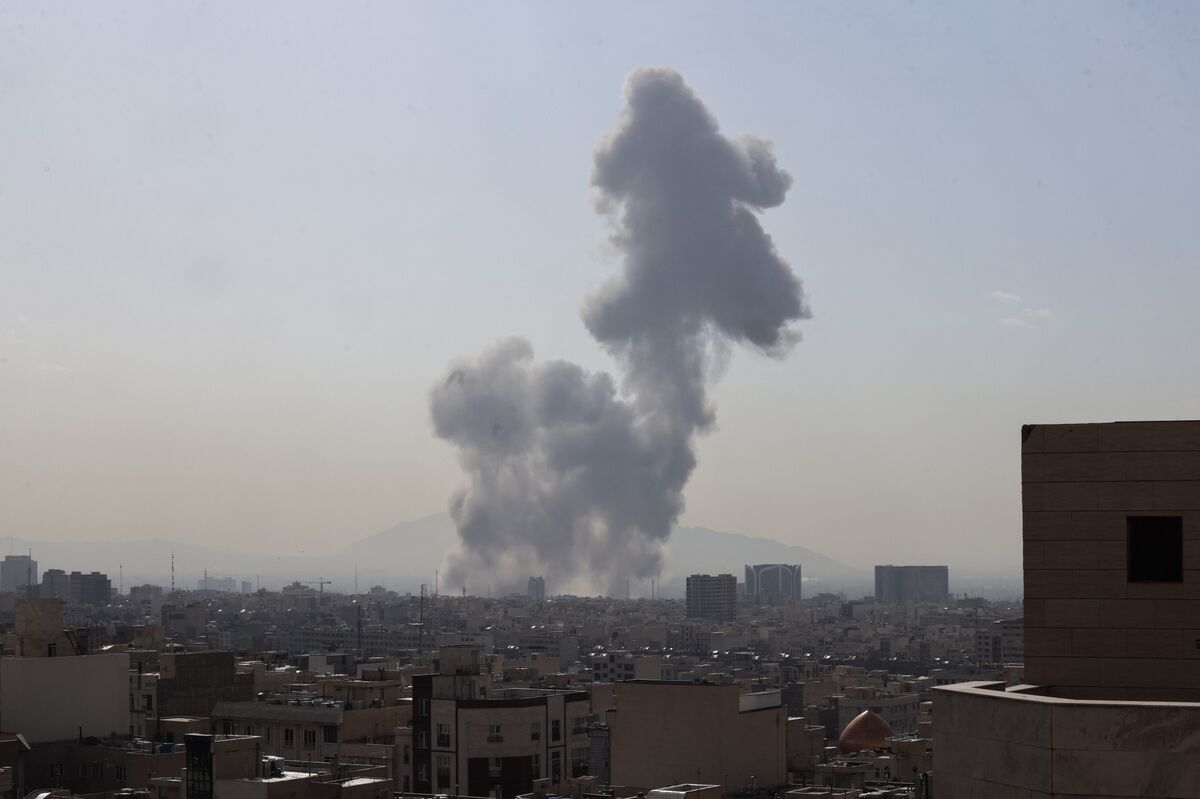
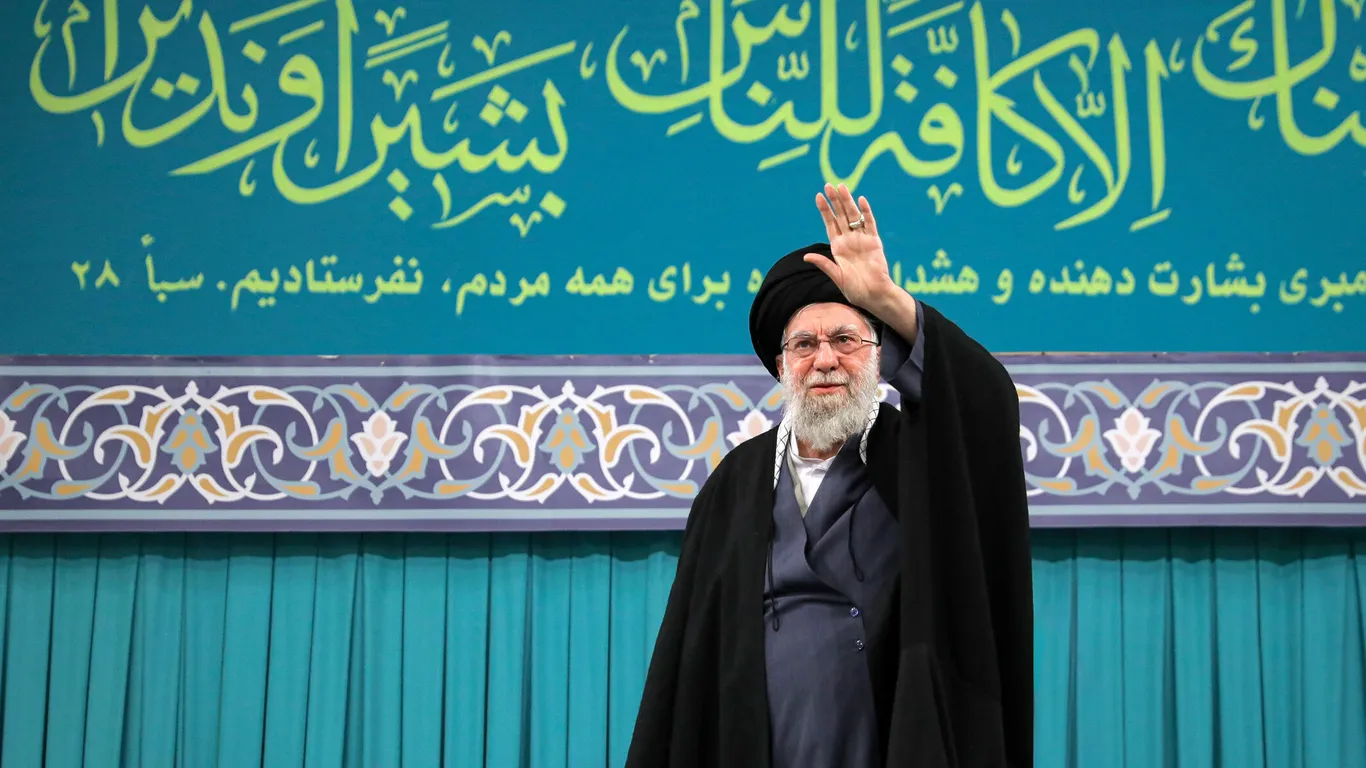
U.S. and Israeli strikes targeted Iran's Supreme Leader Ayatollah Ali Khamenei on Saturday in a coordinated military operation, with officials saying he was likely killed, according to President Trump's announcement. The operation has triggered immediate retaliation and raised the risk of a wider regional war. President Trump announced the strikes at 2:30 a.m. EST in a video posted to social media. Defense Secretary Pete Hegseth later described the operation as the "most lethal, most complex, and most-precision aerial operation in history."
According to U.S. and Israeli officials, the strikes targeted Iran's military command posts, missile sites, and leadership compounds across the country. According to preliminary reports, the U.S. and Israeli strikes killed at least 201 people in Iran, at least nine in Israel, and three American service members, according to U.S. Central Command. The operation showed a change in Trump's approach to Iran after weeks of stalled nuclear negotiations. According to U.S. and Israeli officials, their intelligence determined there was a narrow window to strike Iran's top leaders as they gathered in person at a compound in Tehran.
Iran Launches Retaliatory Strikes Across the Region
Iran responded to the strikes by launching missiles and drones at targets across the Middle East, including Israel, Saudi Arabia, the United Arab Emirates, Kuwait, Qatar, Bahrain, and Iraq, framing the attacks as retaliation for the killing of Khamenei. Explosions were reported in multiple cities. A huge fire erupted at Bahrain's Salman Port, home to the U.S. Navy's Fifth Fleet. Iranian drones struck Camp Buehring, a U.S. military facility in northwestern Kuwait, and the Al Salam Naval Base in Abu Dhabi.
Iranian Foreign Minister Abbas Araghchi told ABC News that his country would do "whatever it takes" to defend itself in response to the strikes. "We are defending ourselves whatever it takes, and we see no limit for ourselves to defend our people," he said. Iran's government signaled the retaliation could intensify further. President Trump responded on Sunday with a warning, stating: "Iran just stated that they are going to hit very hard today, harder than they have ever hit before. THEY BETTER NOT DO THAT."
The Toll on Daily Life Across the Globe
The conflict has disrupted travel and daily life across the Middle East, with nearly 2,000 flights cancelled and thousands of travelers stranded. Thousands of Americans are scrambling to leave the region, with travelers stranded at airports as airspace closures spread. Some travelers, including a U.S. women's basketball player, are navigating bomb shelters in Jerusalem with no clear timeline for returning home.
Shipping companies are rerouting vessels away from the Strait of Hormuz, the world's most critical oil chokepoint, amid the ongoing military conflict and Iran's historical threats to block the vital waterway. The world's largest container carriers are avoiding the Persian Gulf entirely, posing risks to global merchandise trade. Oil prices surged on Sunday, while stock futures slid. Japanese shares are poised to open lower as the crisis saps risk appetite. Global equity traders are shifting toward safe-haven assets including U.S. Treasuries, gold, and the Swiss franc, according to market analysts.
A cricket match between Pakistan Shaheens and England Lions scheduled for Abu Dhabi has been cancelled due to security concerns. Iran's football federation expressed a dim World Cup outlook, with the federation president saying the team cannot look forward with hope.
Congress Splits Along Party Lines
Republicans, including Senators Tom Cotton, Lindsey Graham, and Ted Cruz, backed the operation. Cotton, who chairs the Senate Intelligence Committee, said U.S. military strikes over the coming week will focus on destroying Iran's cache of "thousands" of missiles, including sites where those projectiles are deployed and manufactured. Graham said the U.S. would not "occupy" Iran but would "give the people of Iran a chance to do something they've never had."
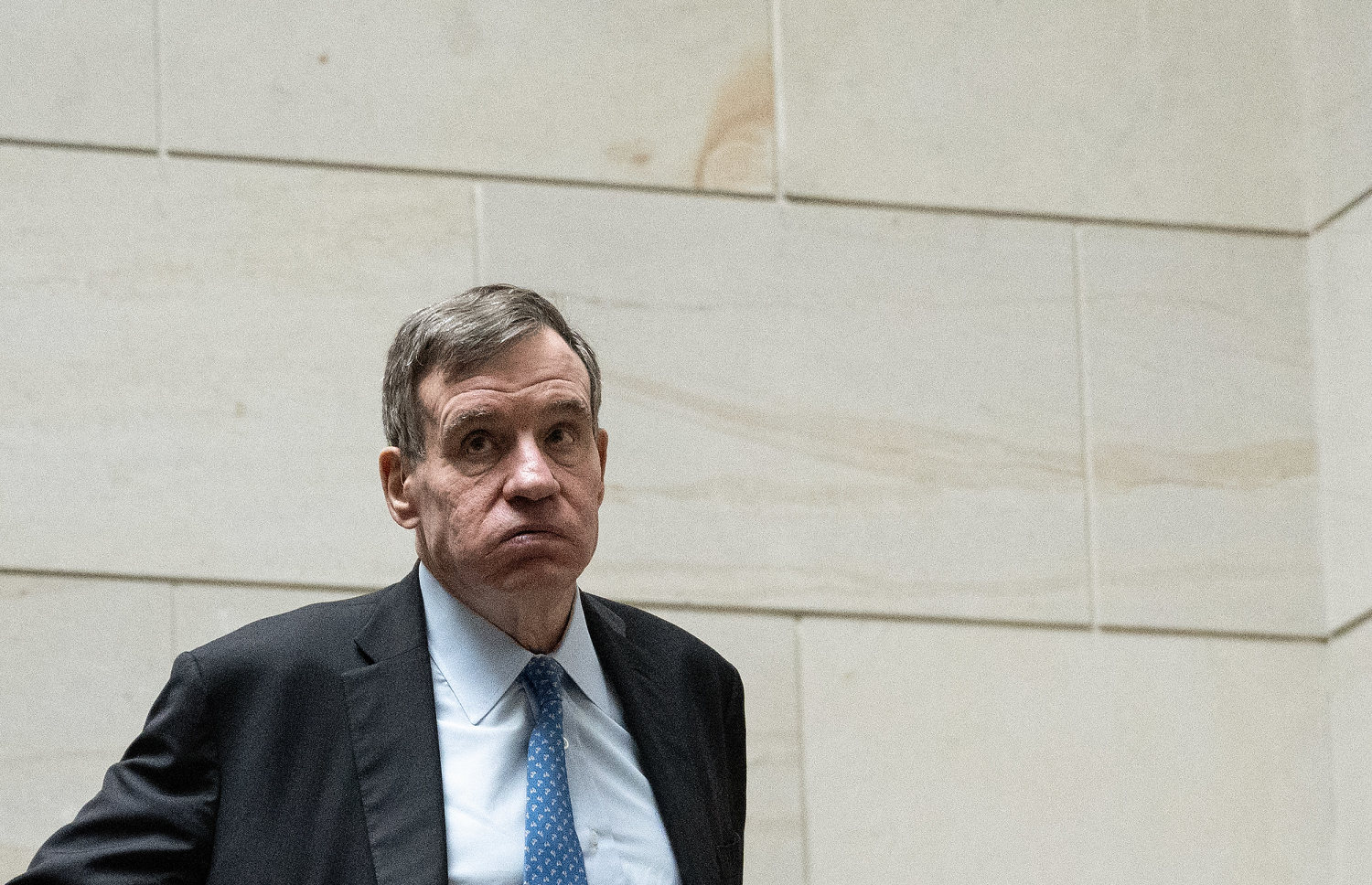
While Republicans praised the operation, Democrats raised concerns about the lack of congressional approval and warned of escalating conflict without clear objectives. Senator Chris Murphy warned that military intervention without a political strategy risks empowering even more hardline elements within Iran. Senator Mark Warner, vice-chairman of the Intelligence Committee, welcomed the removal of Khamenei but said the administration must answer vital questions about congressional approval and the duration of the military campaign.
A Divided World Reacts
The United Nations Security Council held an emergency meeting. UN Secretary-General António Guterres condemned both the U.S.-Israeli strikes and Iran's retaliatory attacks as violations of international law, warning of a wider conflict. He said the U.S. and Israeli airstrikes violated the U.N. Charter and warned that escalation risks "grave consequences for civilians and regional stability." Guterres also condemned Iran's retaliatory attacks for violating the sovereignty and territorial integrity of Bahrain, Iraq, Jordan, Kuwait, Qatar, Saudi Arabia, and the United Arab Emirates.
Prime Minister Keir Starmer announced that Britain has allowed the U.S. to use British military bases to destroy Iranian missile depots, characterizing this as a "specific and limited defensive purpose."
In Los Angeles, Iranian Americans expressed mixed reactions. Some, like Alaleh Kamran, saw the strikes as an opportunity for regime change. Others expressed concern for relatives still in Iran, according to interviews with the Iranian diaspora. In Iran itself, crowds toppled monuments to Khamenei in southern cities, while surviving leaders scrambled to project control and security.
Exiled opposition figure Reza Pahlavi called the strikes the "beginning of the very end" for the regime, estimating a transition to democracy would take "a couple of years at the most." However, analysts including Sanam Vakil, Director of the Middle East and North Africa Programme at Chatham House, cautioned that Iran's state system remains robust and the coming days will determine whether surviving leadership can maintain control.
What Comes Next
Trump has signaled openness to talks with new Iranian leadership, but the immediate focus is on military objectives. The conflict has already stretched into a second day, with Israeli forces launching additional waves of strikes in the heart of Tehran. President Trump's administration has not publicly specified how long the campaign will last or what conditions would trigger a ceasefire.
The stakes are global. A wider regional conflict could disrupt energy supplies, destabilize international trade, and draw in proxy forces. Iran has proxy groups including Hezbollah in Lebanon, the Houthis in Yemen, and Shiite militias in Iraq that could target U.S. service members and allies. Analysts warn the conflict could escalate further depending on the scope and duration of U.S.-Israeli strikes.