




The Impact of Khamenei's Death on Global Stability
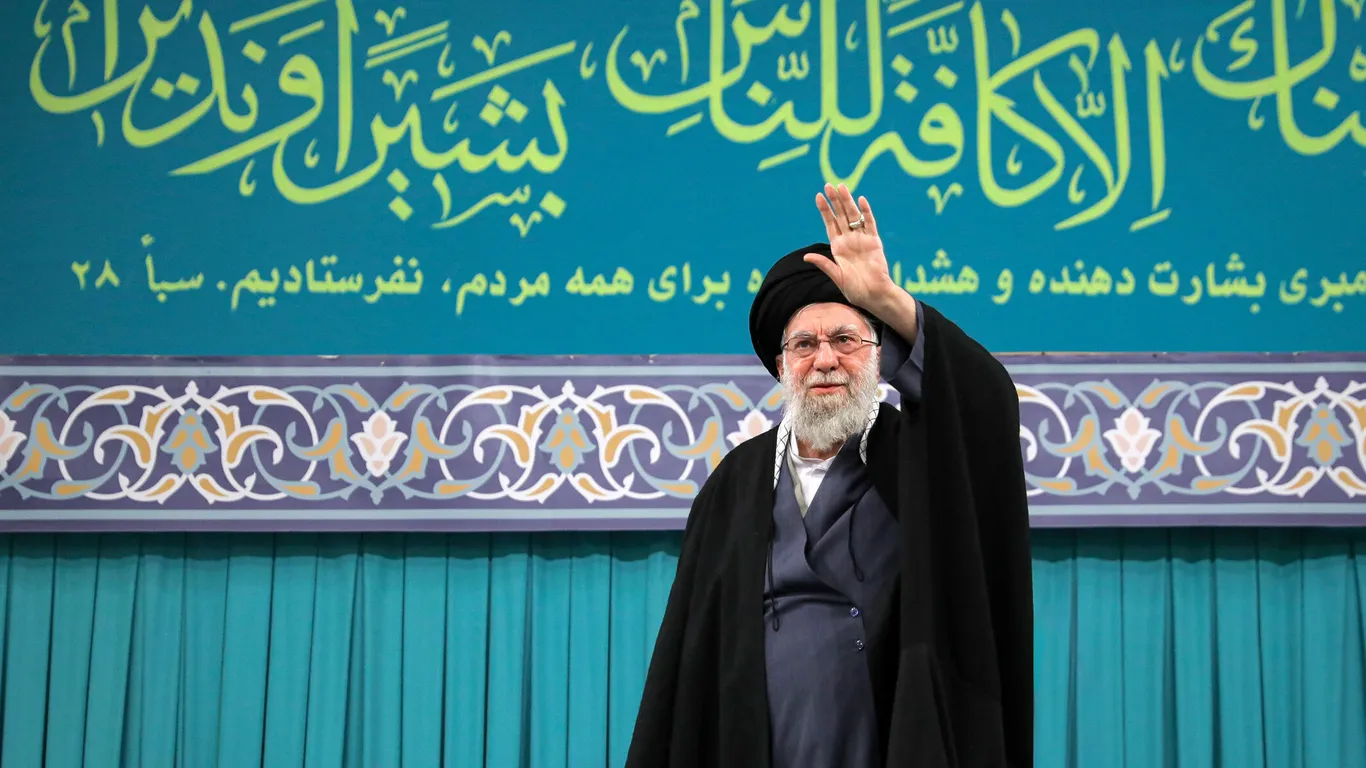
President Trump and Israeli officials say Ayatollah Ali Khamenei was killed in Saturday's coordinated military strikes. Iran's foreign minister insists the supreme leader is alive. Khamenei's reported death raises immediate concerns about Iran's stability and the potential for widespread conflict. For citizens across the globe, the strikes could escalate tensions, disrupt oil supplies, and ignite further violence in an already volatile region.
Operation Epic Fury: What Happened
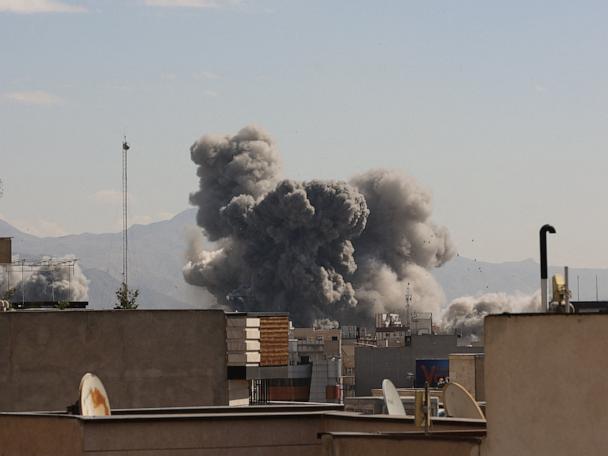
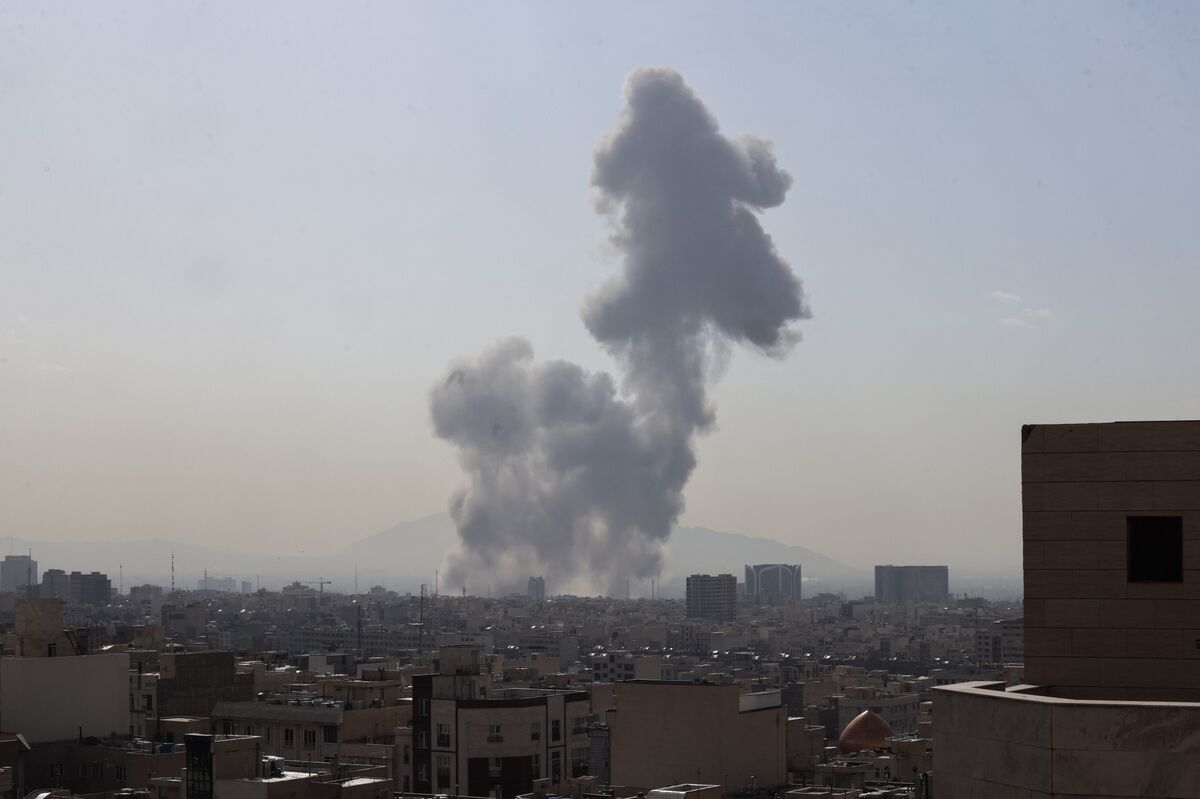
Early Saturday morning, the U.S. and Israel launched "Operation Epic Fury," a massive assault targeting Iranian leadership, including Khamenei and other senior military officials. President Trump confirmed the operation via social media, stating that the strikes aimed to eliminate Iran's nuclear ambitions, end its support for terrorism, and achieve regime change. Trump explicitly called on the Iranian people to "take over your government."
The strikes killed over 200 people and injured more than 700, according to Iranian state media; independent verification is not yet available. Iranian state media report that a strike hit a girls' school in Minab and claim at least 100 students were killed; the claim could not be independently verified. Other reports cited lower figures ranging from 51 to 85 students.
Immediate Aftermath: Iranian Retaliation
Iran swiftly retaliated with missile and drone strikes targeting U.S. military bases in Bahrain, Kuwait, Qatar, and Iraq, as well as Israel and other Gulf states including Saudi Arabia and the UAE. Reports indicate that Iranian missiles and drones caused panic across the Gulf states, with debris landing in populated areas. Citing unconfirmed reports of student deaths, an Iranian spokesman vowed: "Iran will punish those who kill our children." This retaliatory action has heightened fears of a broader conflict, drawing in regional allies and adversaries alike.
Global Reactions: Mixed Responses from World Leaders
European leaders, including those from France, Germany, and the UK, largely called for restraint and a return to diplomacy. Russia condemned the strikes as "a preplanned and unprovoked act of armed aggression." Some allies, including Canada and Australia, expressed support for the operation. UN Secretary-General António Guterres condemned the military action, urging for a cessation of hostilities. The potential for wider conflict has increased as nations assess the ramifications of the strikes and Iranian retaliation.
The Succession Crisis: Who Follows Khamenei?
If Khamenei is confirmed dead, Iran would face a leadership succession process. Under Iran's constitution, an interim council assumes power while the Assembly of Experts selects a new supreme leader. However, Khamenei's status remains disputed, with Iranian officials claiming he is alive. Israeli officials claim that the strikes have decimated the existing leadership structure, complicating any succession process. Potential successors, including Khamenei's son, are under scrutiny as the nation grapples with internal dissent and external pressures.
Domestic Reactions in Iran: Hope and Fear
Iranian-American activist Masih Alinejad told CBS News that Iranians are experiencing "a range of emotions, including hope and concern," with some concerned that the attack may not lead to regime change. Iranian activists have called on the populace to rise against the regime, echoing sentiments of previous protests. However, the regime's history of violent suppression raises concerns about the potential for further bloodshed in the streets.
Economic Ramifications: The Oil Market in Turmoil
The strikes and subsequent conflict are poised to disrupt global oil markets significantly. Vessels transiting the Strait of Hormuz reportedly received radio warnings attributed to Iran's Revolutionary Guards stating passage is prohibited, though Iran has not officially confirmed issuing such orders. Iran has previously threatened to close the strait. Energy experts predict that oil prices could surge as tensions escalate, impacting consumers worldwide. With the ongoing uncertainty, markets are bracing for potential supply shocks that could ripple through the global economy.
What Comes Next: The Path Forward
As the dust settles on this unprecedented military engagement, the world watches closely. Trump stated that bombing would "continue, uninterrupted throughout the week or as long as necessary," but also told Axios he has "off ramps" and could "end it in two or three days" depending on developments. The question remains: what will be the long-term implications for Iran, the region, and the international community? The strikes have raised concerns about potential escalation, with Iran retaliating against multiple countries and regional tensions heightening.