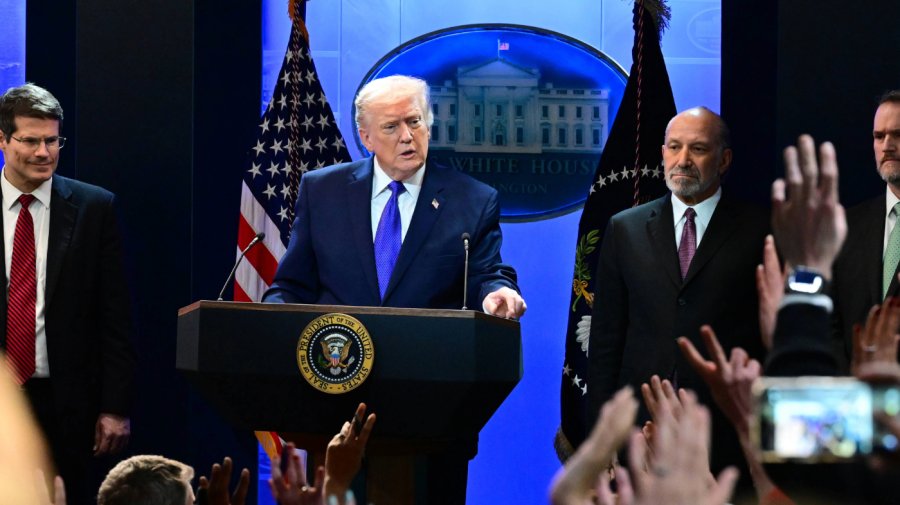
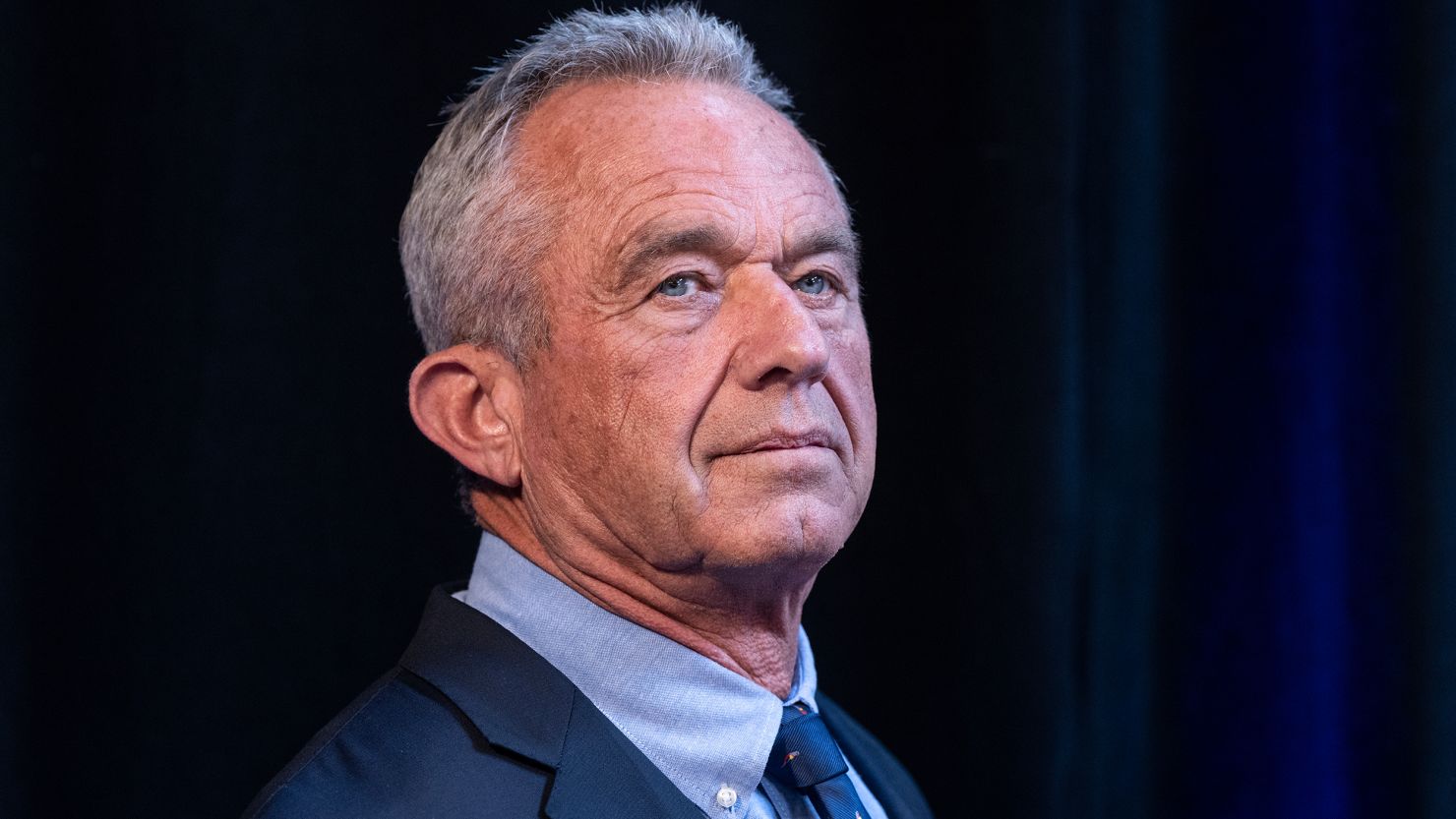
The U.S. administration has initiated discussions with pharmaceutical companies to implement the Most Favored Nation (MFN) pricing policy. This policy aims to align U.S. drug prices with the lowest prices paid in other developed countries, potentially altering the landscape of medication affordability for American consumers.
If enacted, the MFN pricing policy could lead to substantial changes in out-of-pocket costs for patients. This could particularly benefit those with chronic conditions who require ongoing treatment.
Pharmaceutical companies have expressed mixed reactions to the proposed policy. Some industry representatives argue that implementing MFN pricing could stifle innovation and investment in new drug development. They warn that linking U.S. prices to those in other countries may disincentivize research and development, ultimately impacting the availability of new treatments.
The administration has not publicly disclosed a specific timeline for when the MFN pricing policy might take effect. However, sources indicate that discussions with drug manufacturers are progressing swiftly, with potential legislative action anticipated in the coming months. This urgency reflects the administration's commitment to addressing rising healthcare costs, which have become a focal point for voters concerned about affordability and access to medications.
The engagement of drugmakers in this policy shift emphasizes a growing focus on healthcare reform within the U.S. political landscape. As healthcare costs continue to rise, both parties recognize the need for solutions that can provide relief to consumers. The MFN pricing policy could serve as a catalyst for broader reforms aimed at enhancing transparency and competition in the pharmaceutical market, potentially reshaping how drugs are priced in the future.
As the administration moves forward with discussions on MFN pricing, consumers are encouraged to stay informed about potential changes that could impact their healthcare costs. Advocates for affordable medication emphasize the importance of public engagement in the process, urging individuals to voice their concerns and support policies that prioritize patient access to essential treatments. The outcome of these discussions could have lasting effects on healthcare affordability in the United States.
The U.S. administration has initiated discussions with pharmaceutical companies to implement the Most Favored Nation (MFN) pricing policy, originally proposed by former President Donald Trump. This policy aims to align U.S. drug prices with the lowest prices paid in other developed countries, potentially altering the landscape of medication affordability for American consumers. The administration's engagement signals a significant shift in drug pricing strategy, which could affect millions reliant on prescription medications.
If enacted, the MFN pricing policy could lead to substantial changes in out-of-pocket costs for patients. Currently, prescription drug prices in the U.S. are among the highest globally, often placing a financial burden on individuals and families. By adopting the MFN model, the administration anticipates that Americans could see a reduction in prices, making essential medications more accessible. This could particularly benefit those with chronic conditions who require ongoing treatment.
Pharmaceutical companies have expressed mixed reactions to the proposed policy. Some industry representatives argue that implementing MFN pricing could stifle innovation and investment in new drug development. They warn that linking U.S. prices to those in other countries may disincentivize research and development, ultimately impacting the availability of new treatments. However, proponents of the policy argue that it is necessary to rein in excessive drug costs and ensure fair pricing for consumers.
The administration has not publicly disclosed a specific timeline for when the MFN pricing policy might take effect. However, sources indicate that discussions with drug manufacturers are progressing swiftly, with potential legislative action anticipated in the coming months. This urgency reflects the administration's commitment to addressing rising healthcare costs, which have become a focal point for voters concerned about affordability and access to medications.
The engagement of drugmakers in this policy shift emphasizes a growing focus on healthcare reform within the U.S. political landscape. As healthcare costs continue to rise, both parties recognize the need for solutions that can provide relief to consumers. The MFN pricing policy could serve as a catalyst for broader reforms aimed at enhancing transparency and competition in the pharmaceutical market, potentially reshaping how drugs are priced in the future.
As the administration moves forward with discussions on MFN pricing, consumers are encouraged to stay informed about potential changes that could impact their healthcare costs. Advocates for affordable medication emphasize the importance of public engagement in the process, urging individuals to voice their concerns and support policies that prioritize patient access to essential treatments. The outcome of these discussions could have lasting effects on healthcare affordability in the United States.
Highlighted text was flagged by the council. Tap to see feedback.