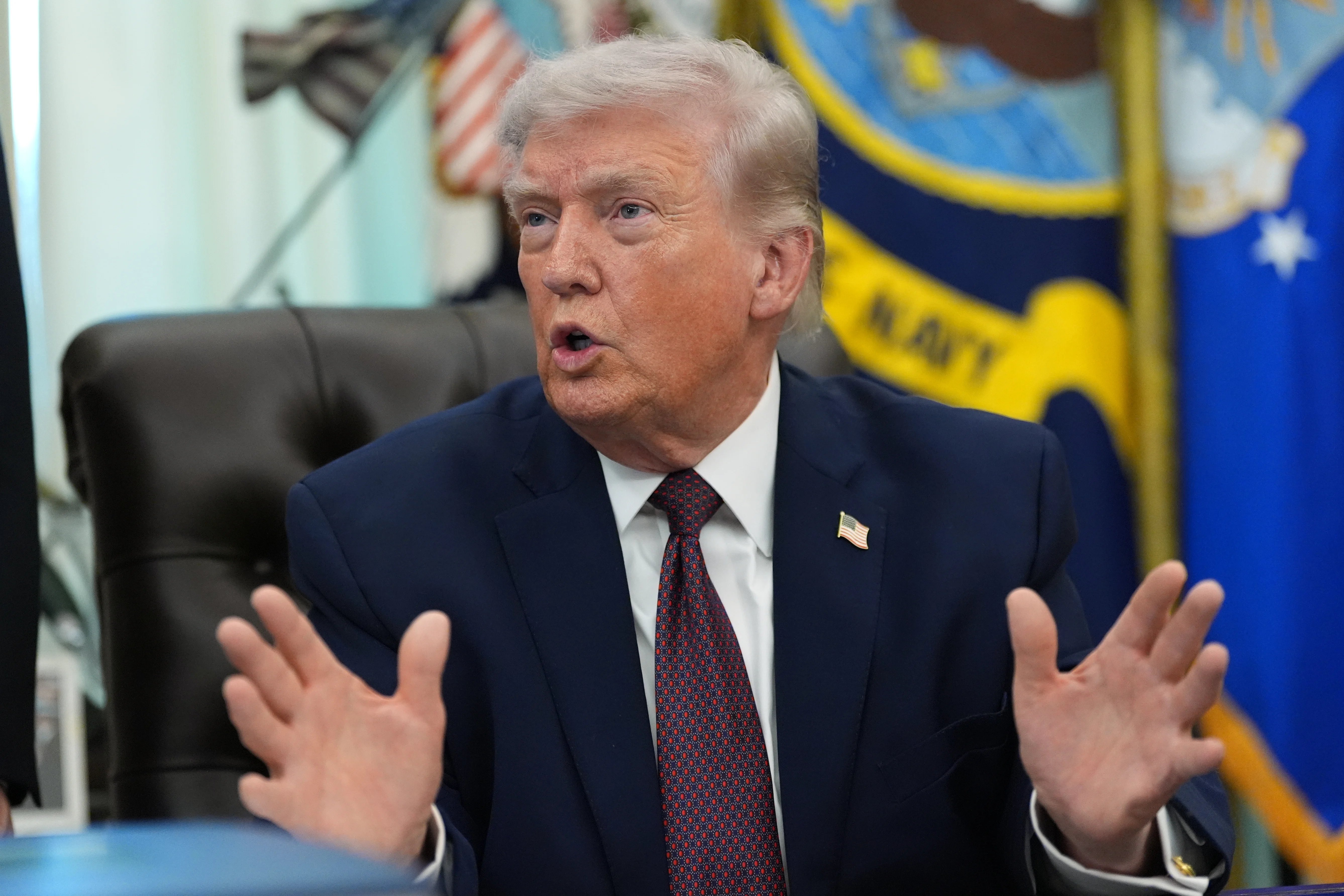
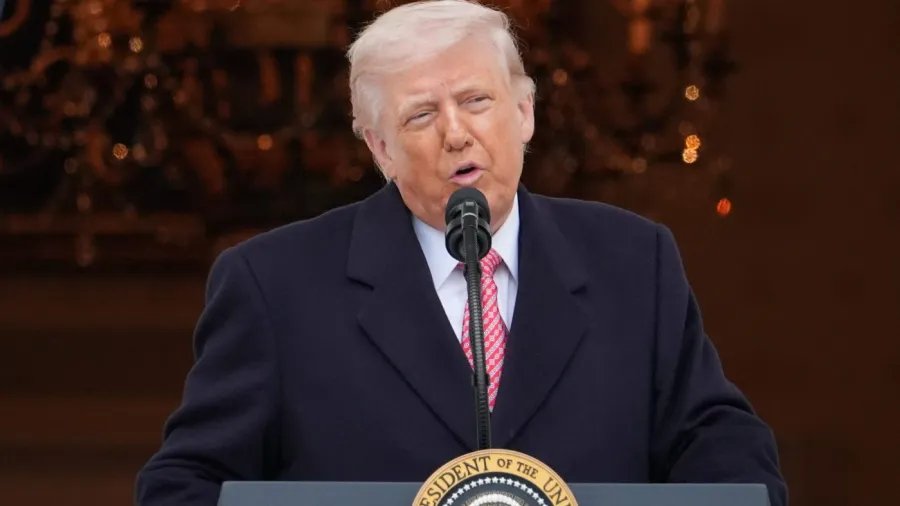
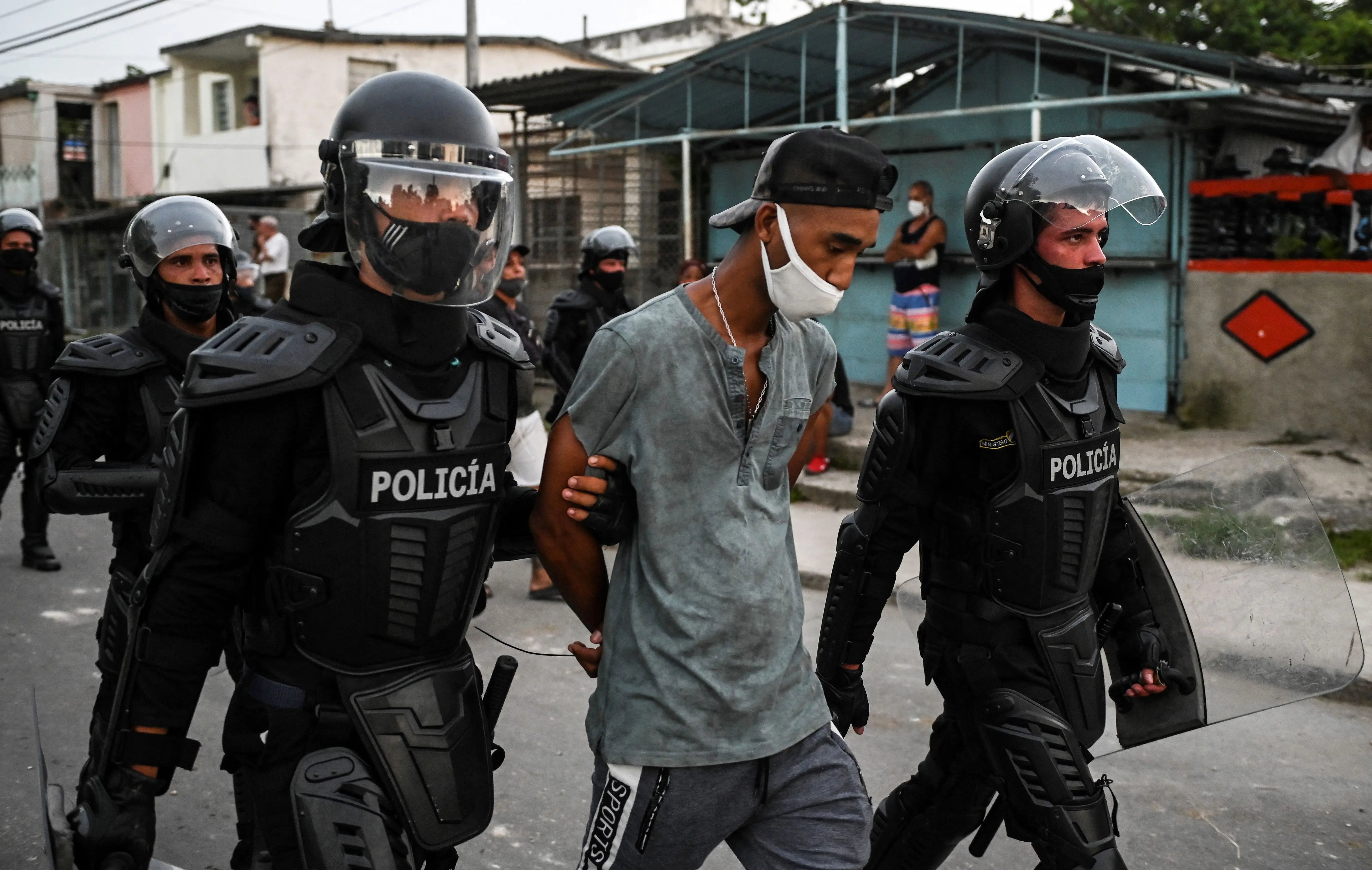
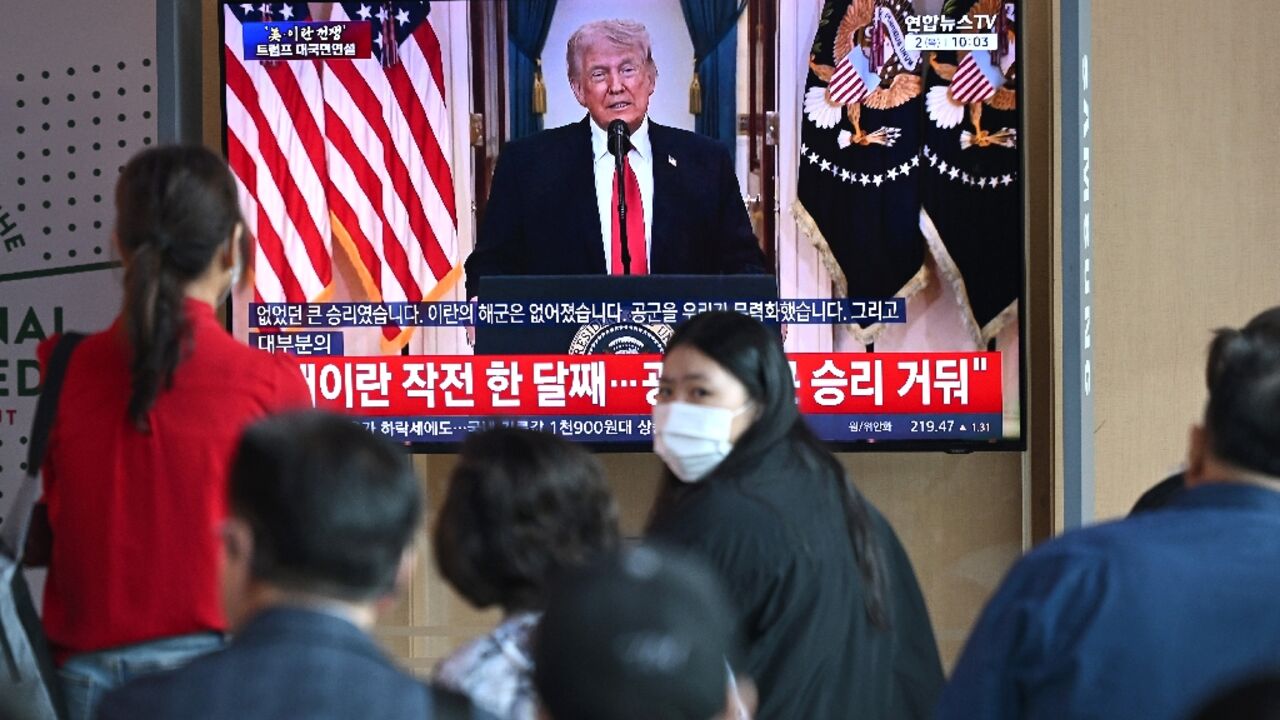
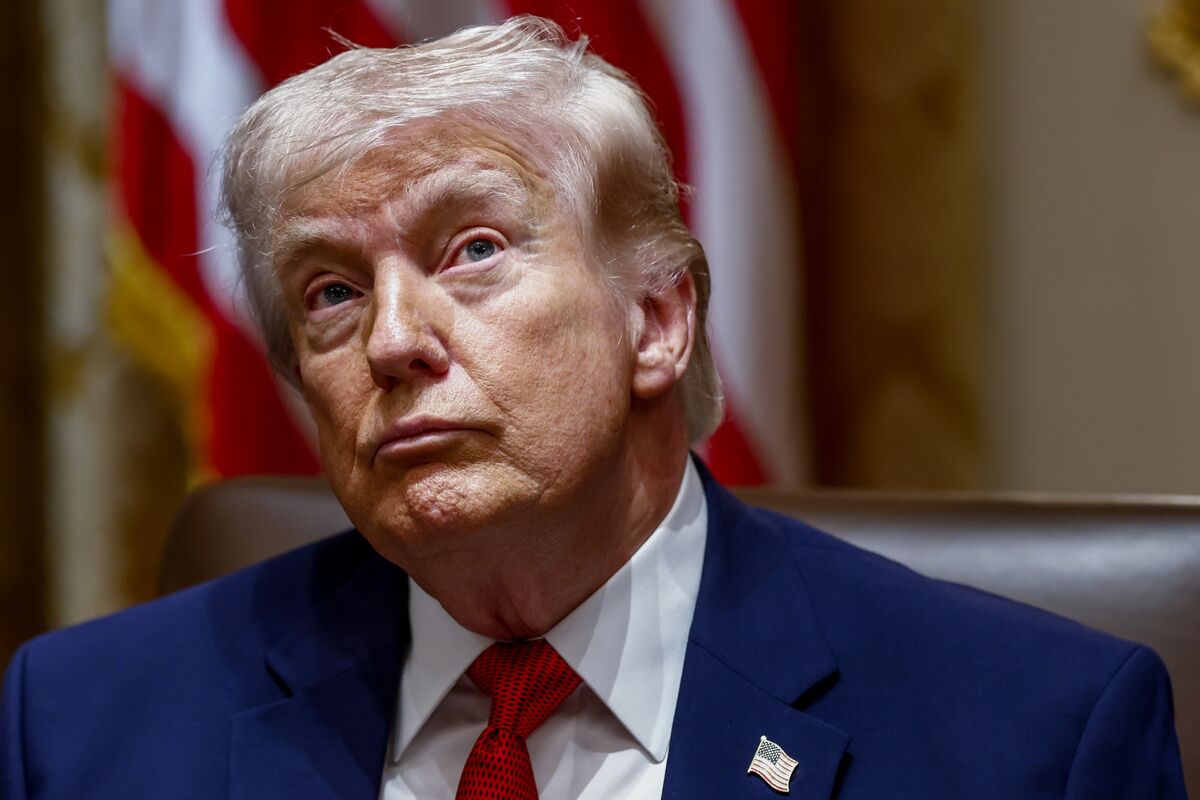
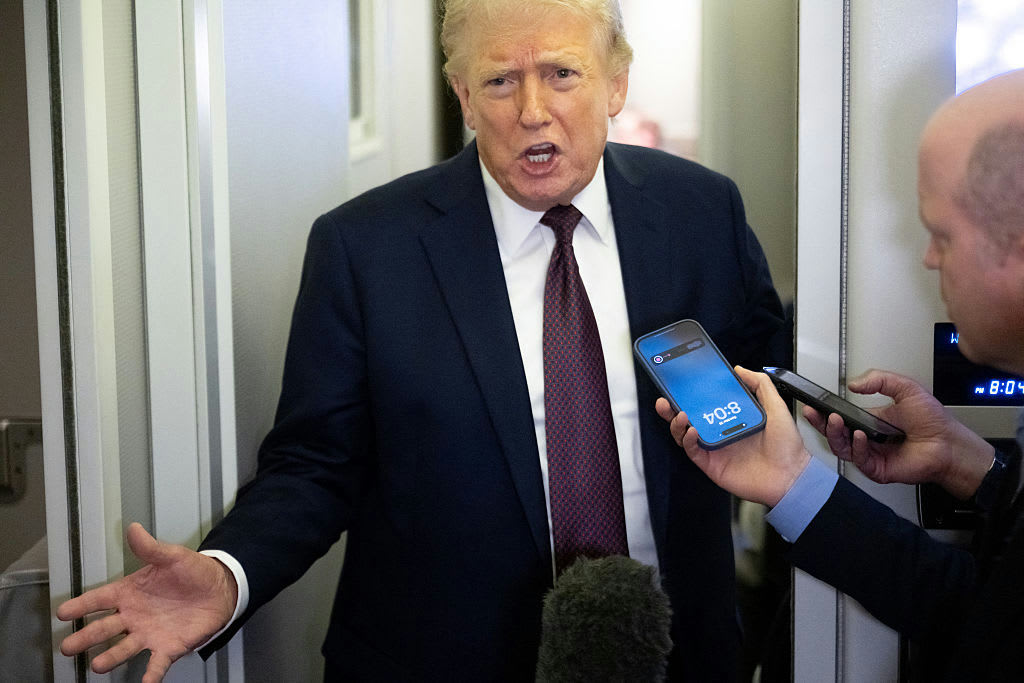
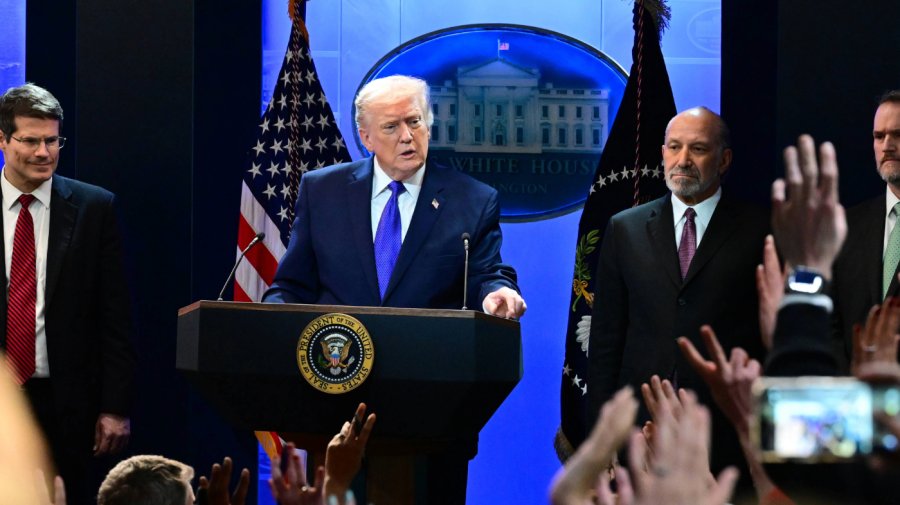
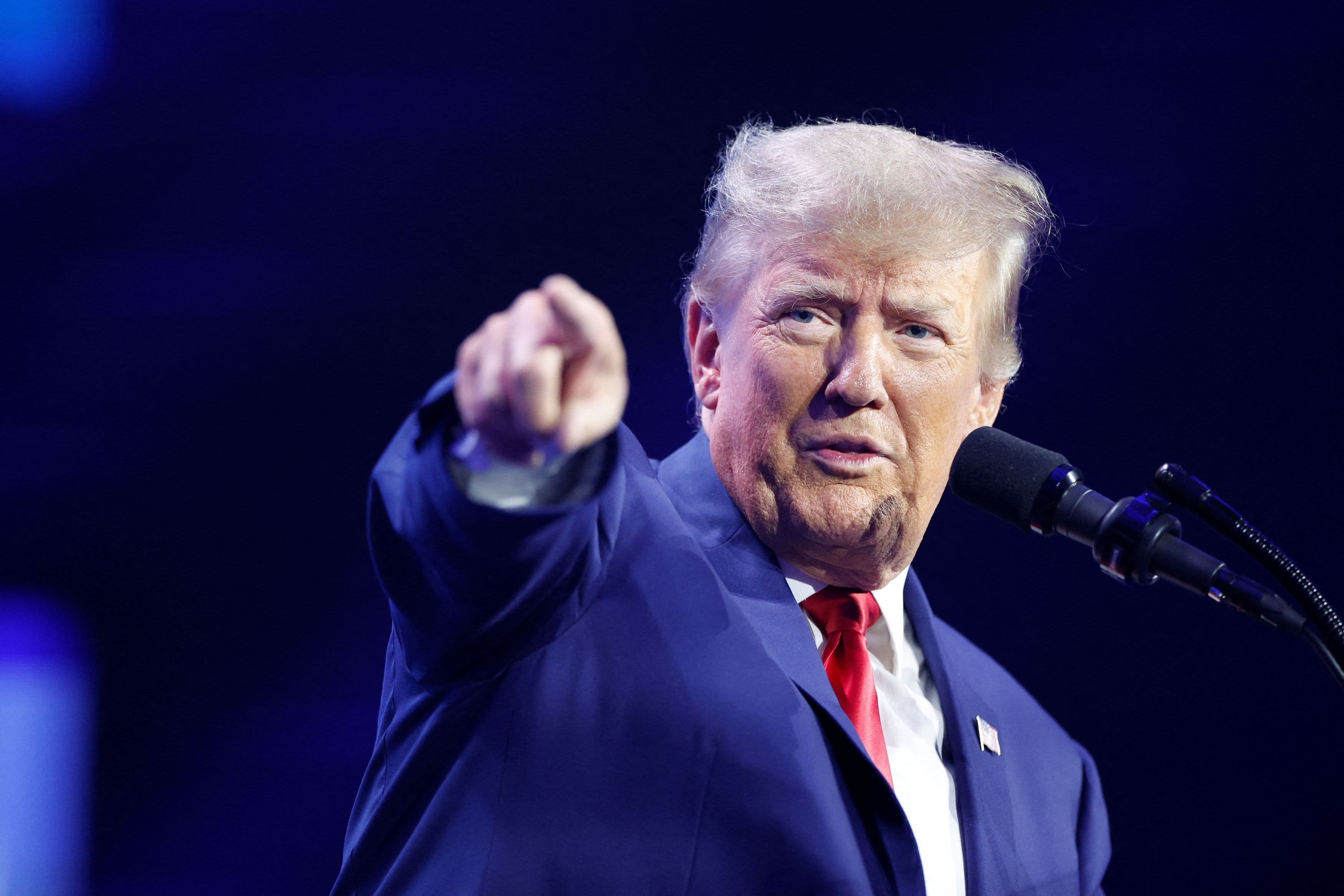
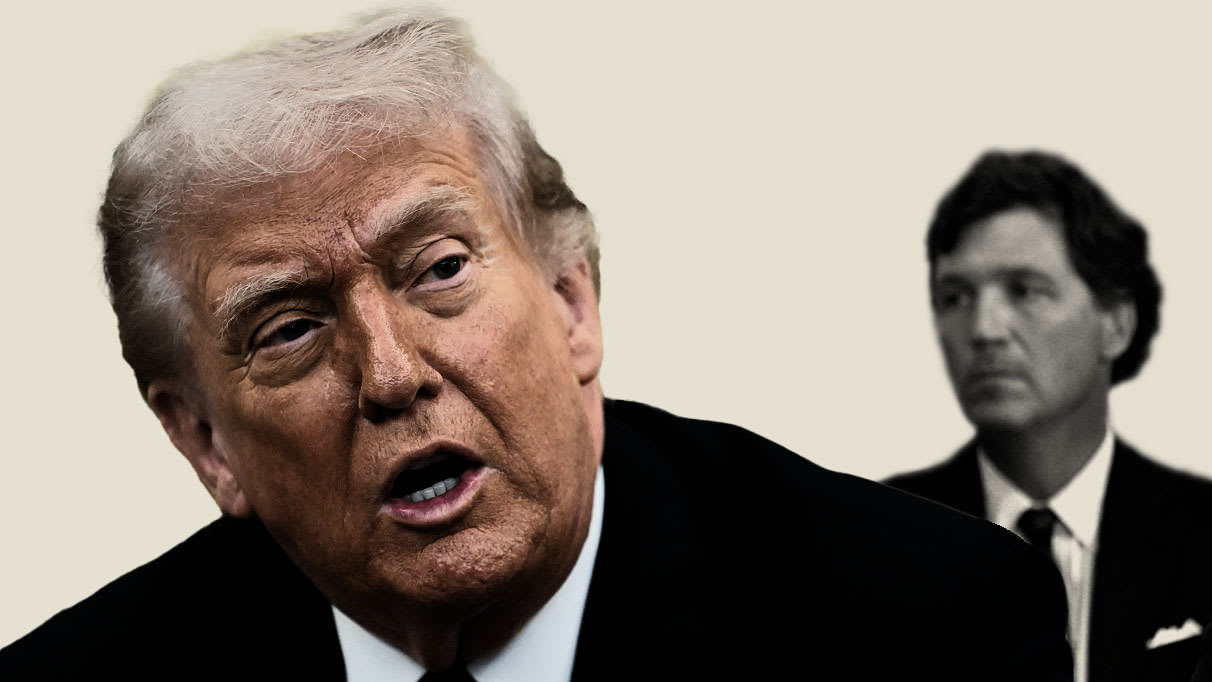
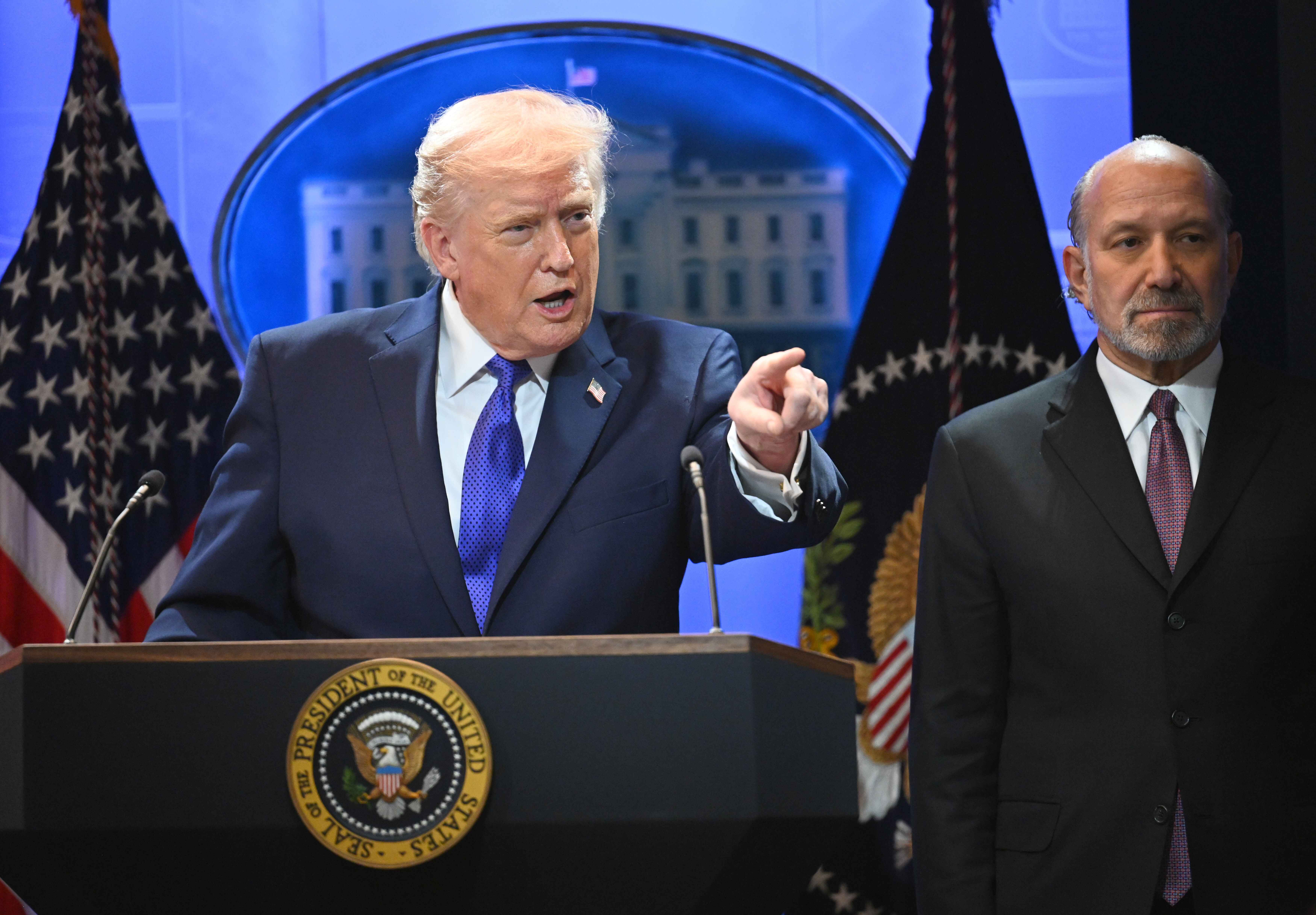
Cuba's government has announced the release of 2,010 prisoners as a "humanitarian gesture," coinciding with the religious observances of Holy Week. This decision comes amid heightened pressure from the U.S. government, particularly under President Donald Trump's administration, which has implemented an effective oil blockade against the island. The release includes foreign nationals, young individuals, women, and prisoners aged over 60, as stated by the Cuban embassy in the U.S.
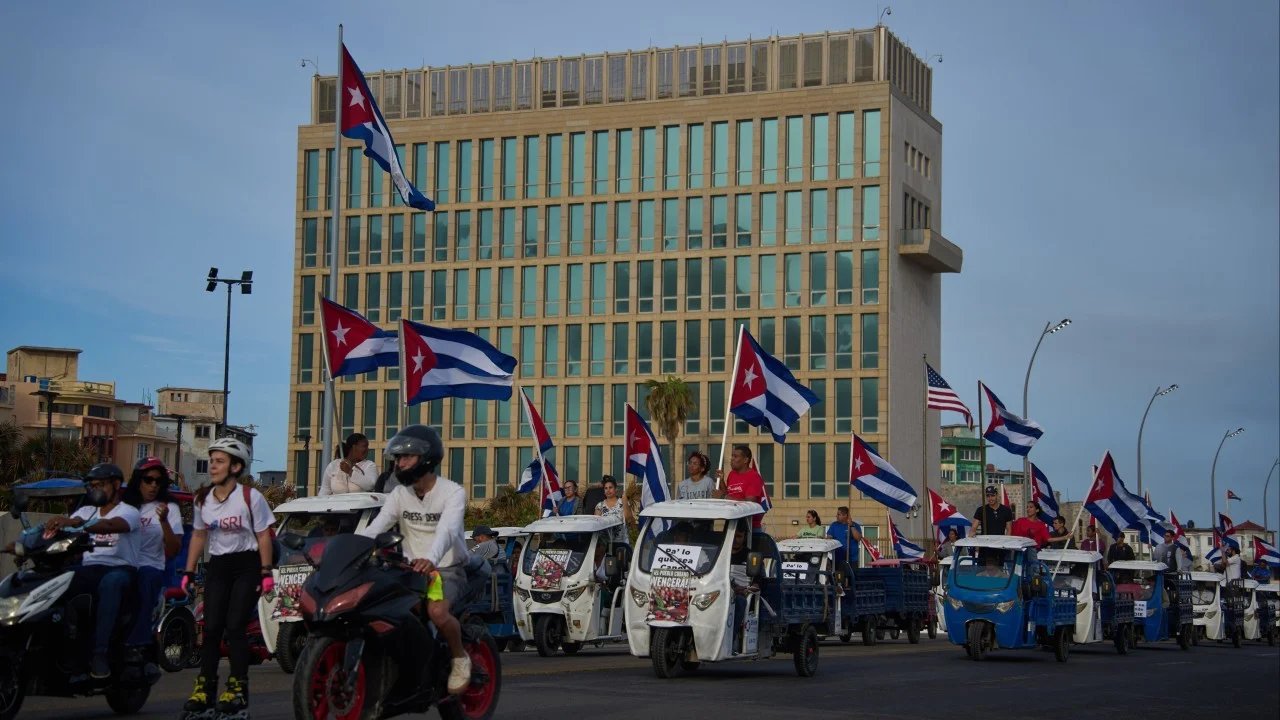
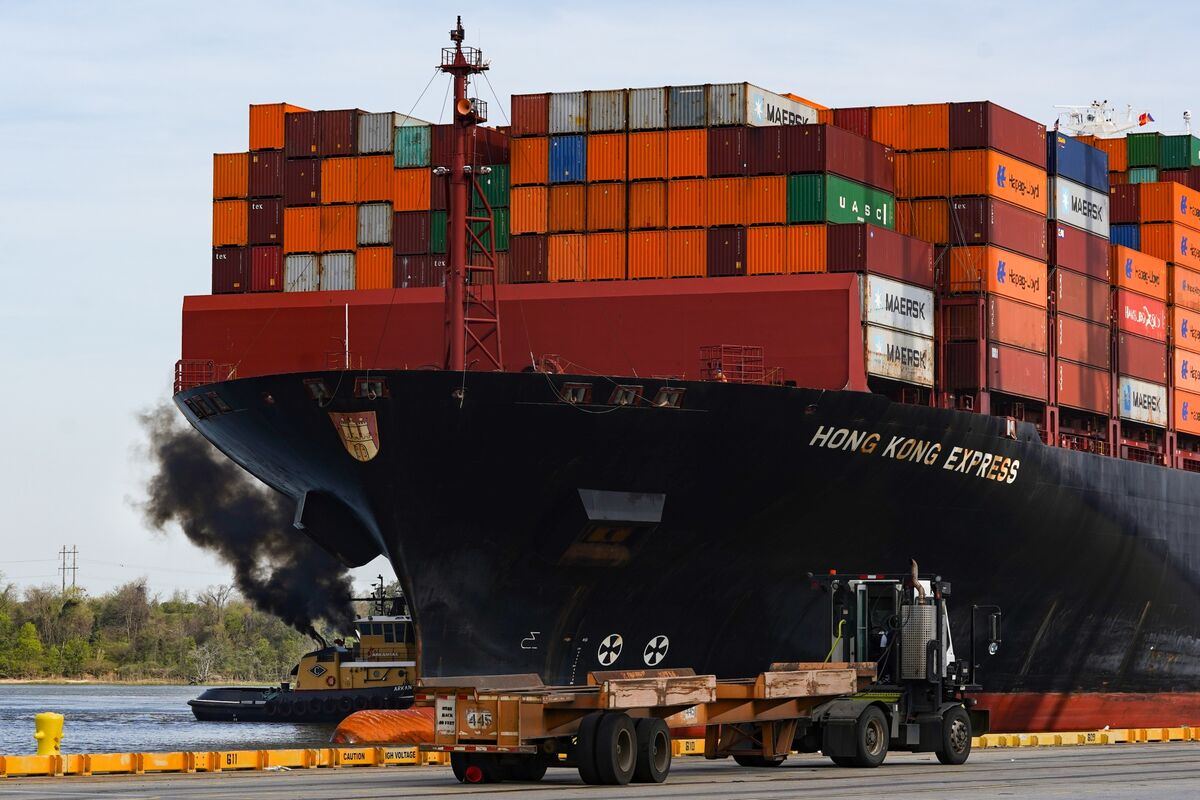
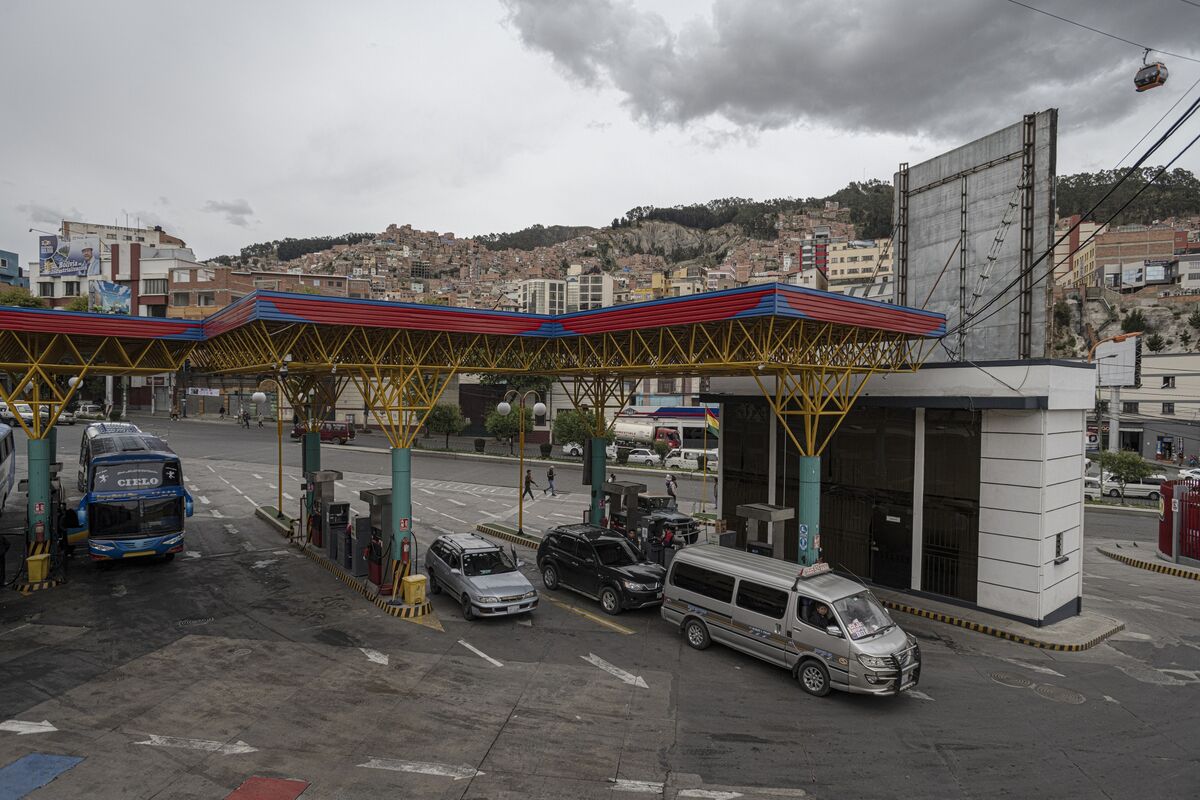
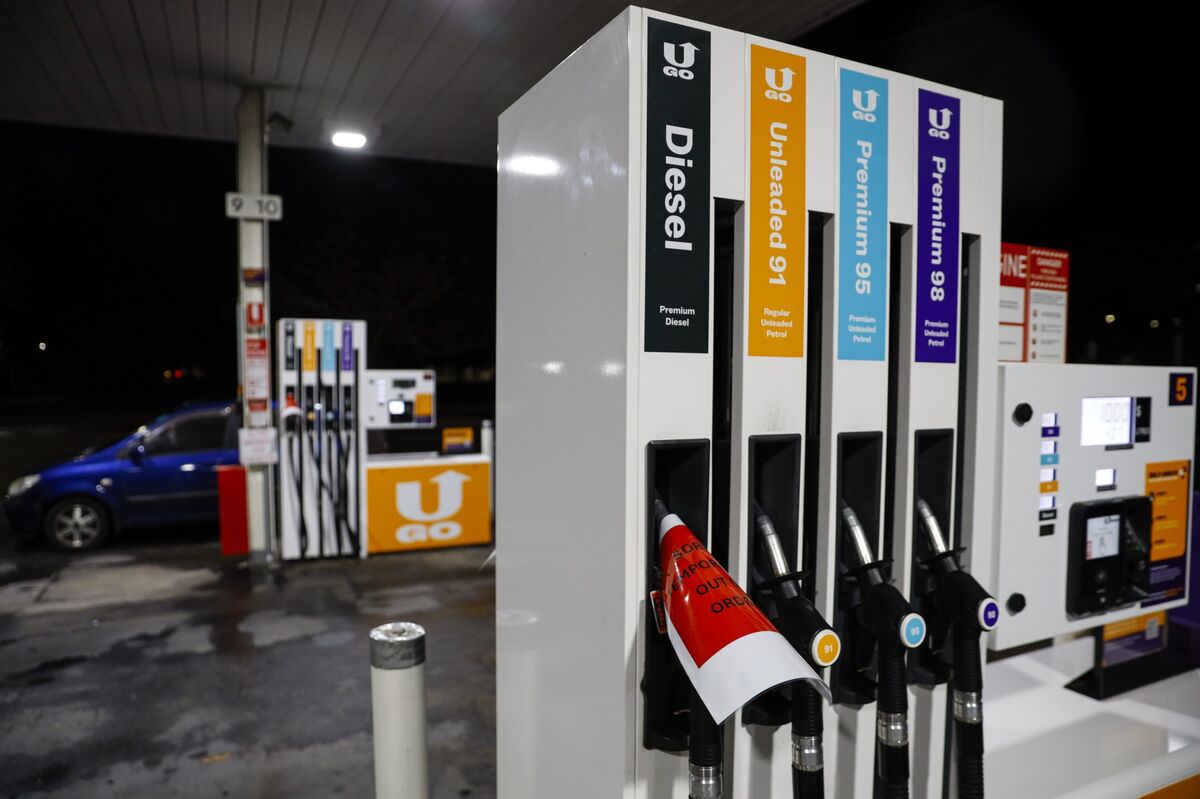
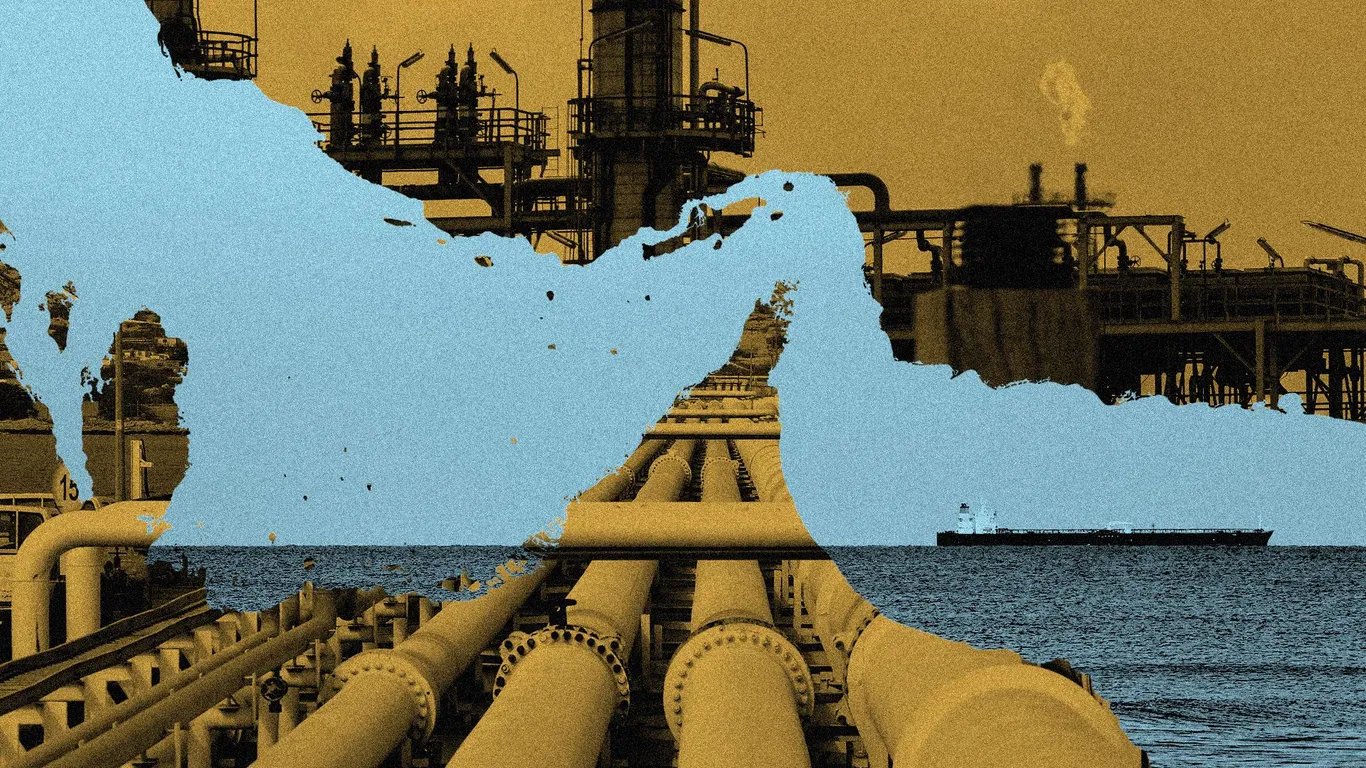
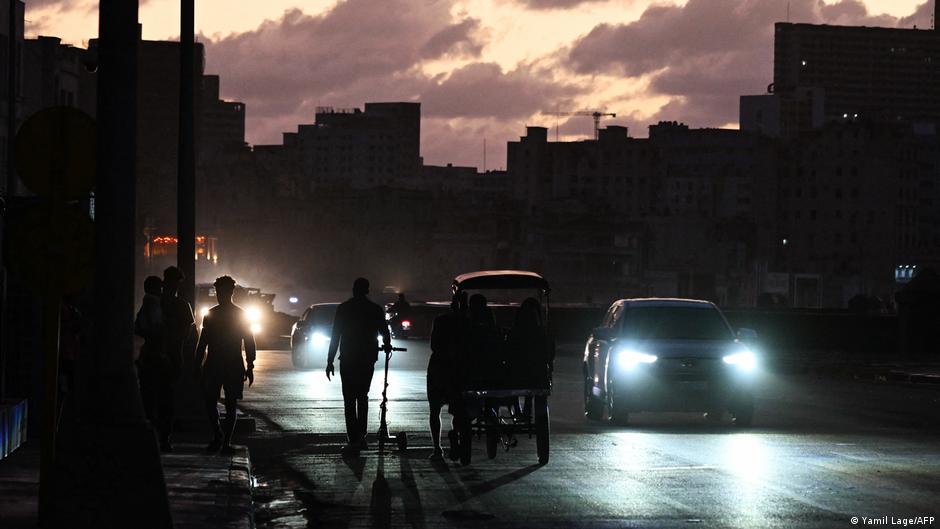
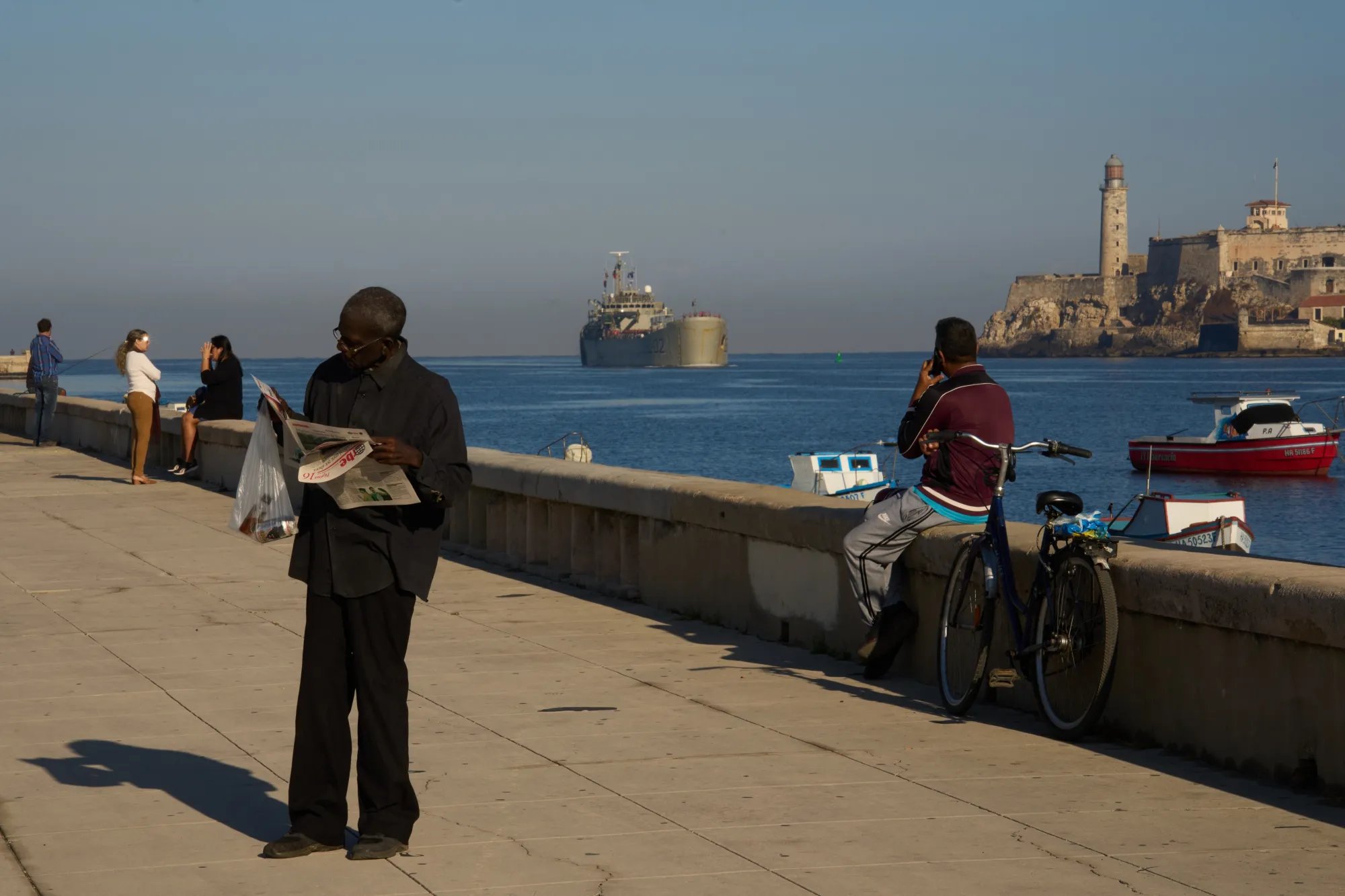
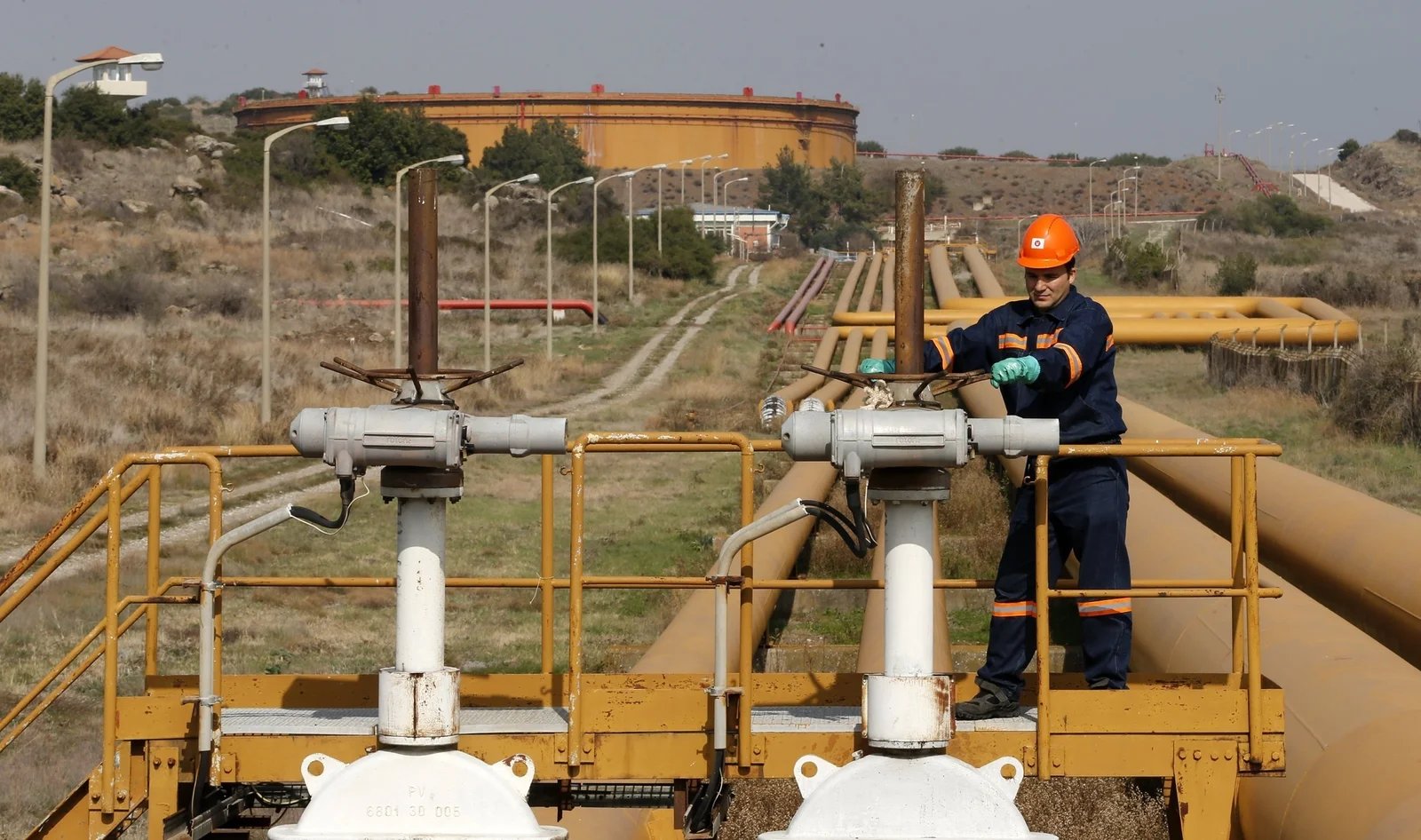
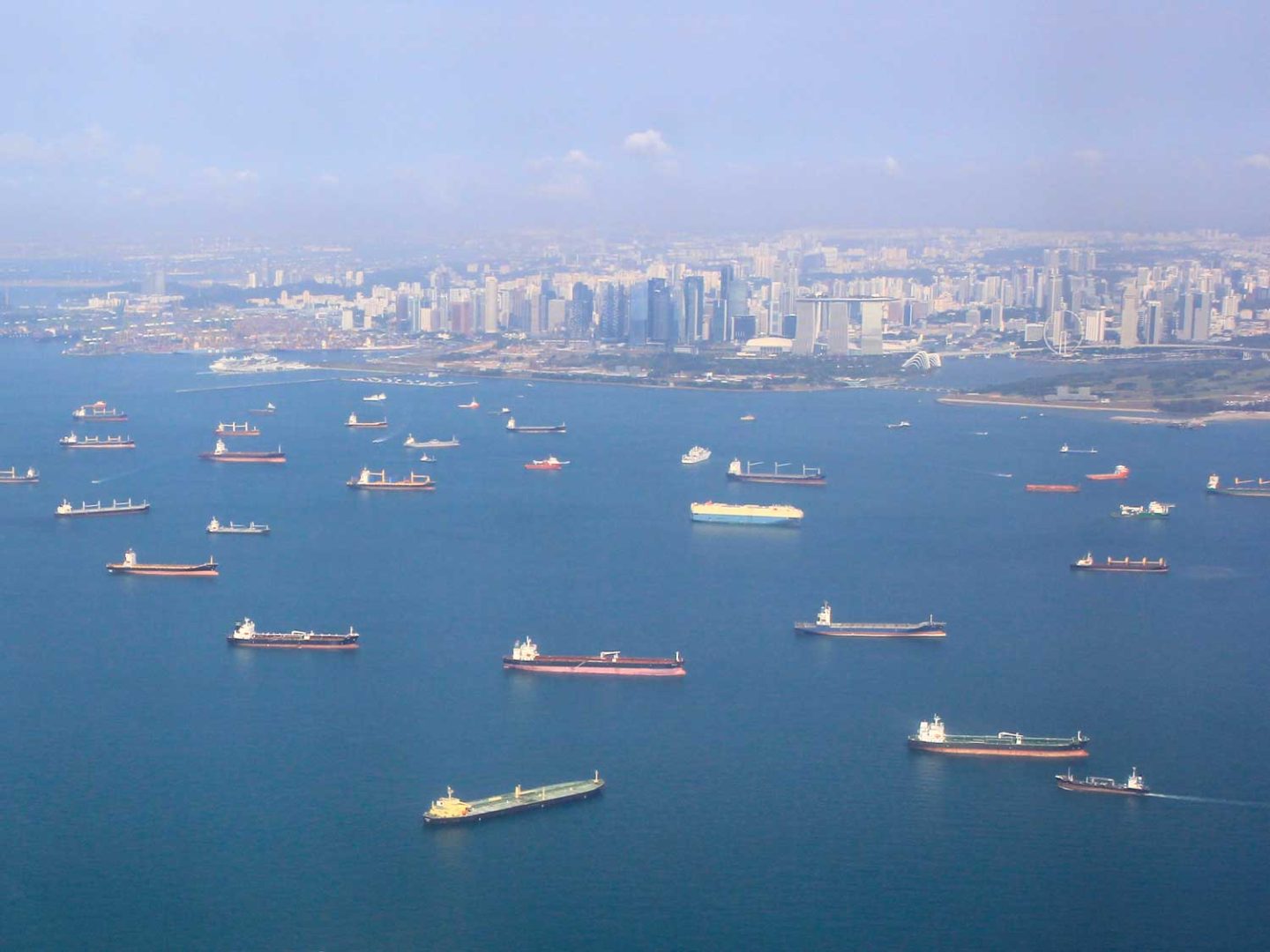
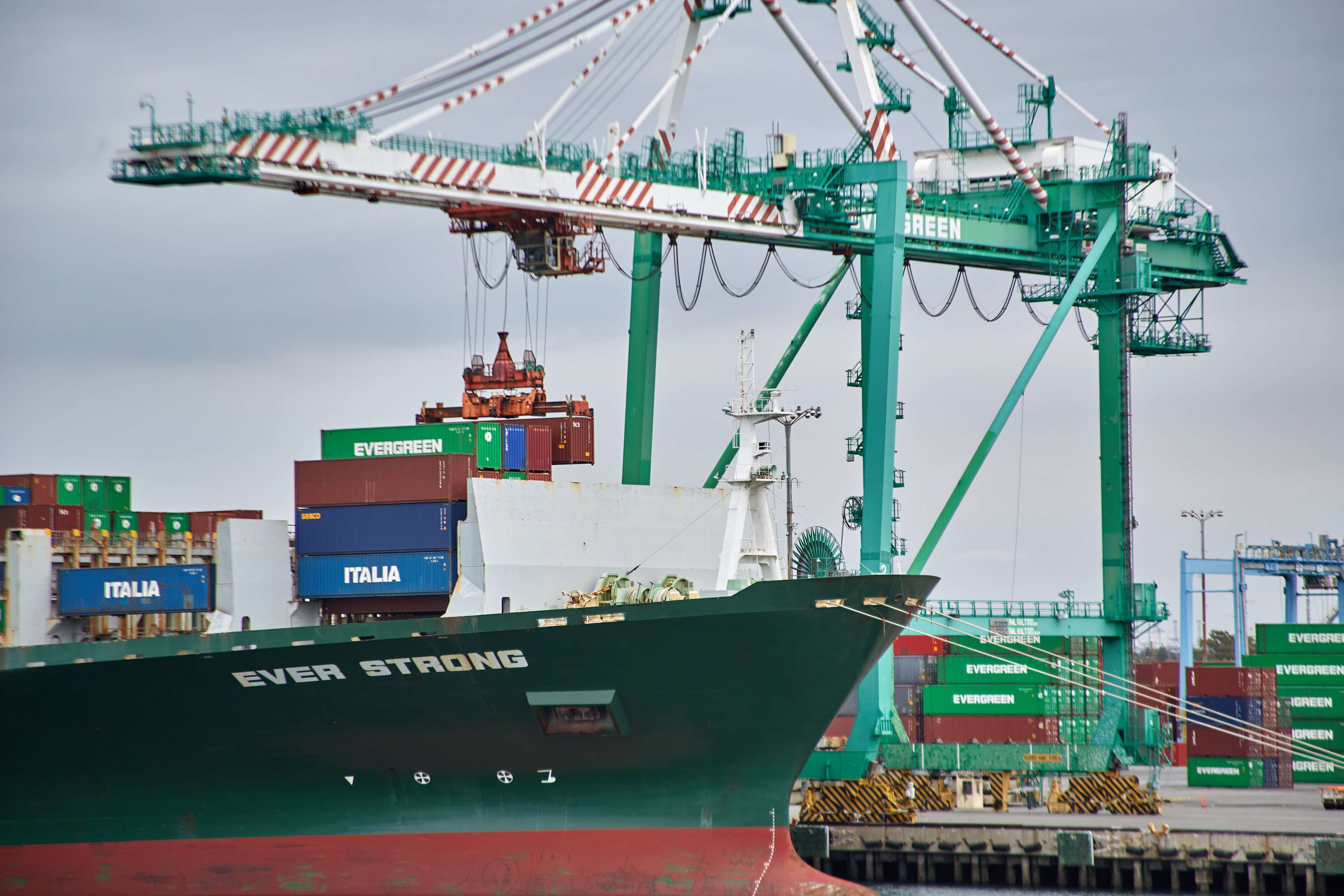
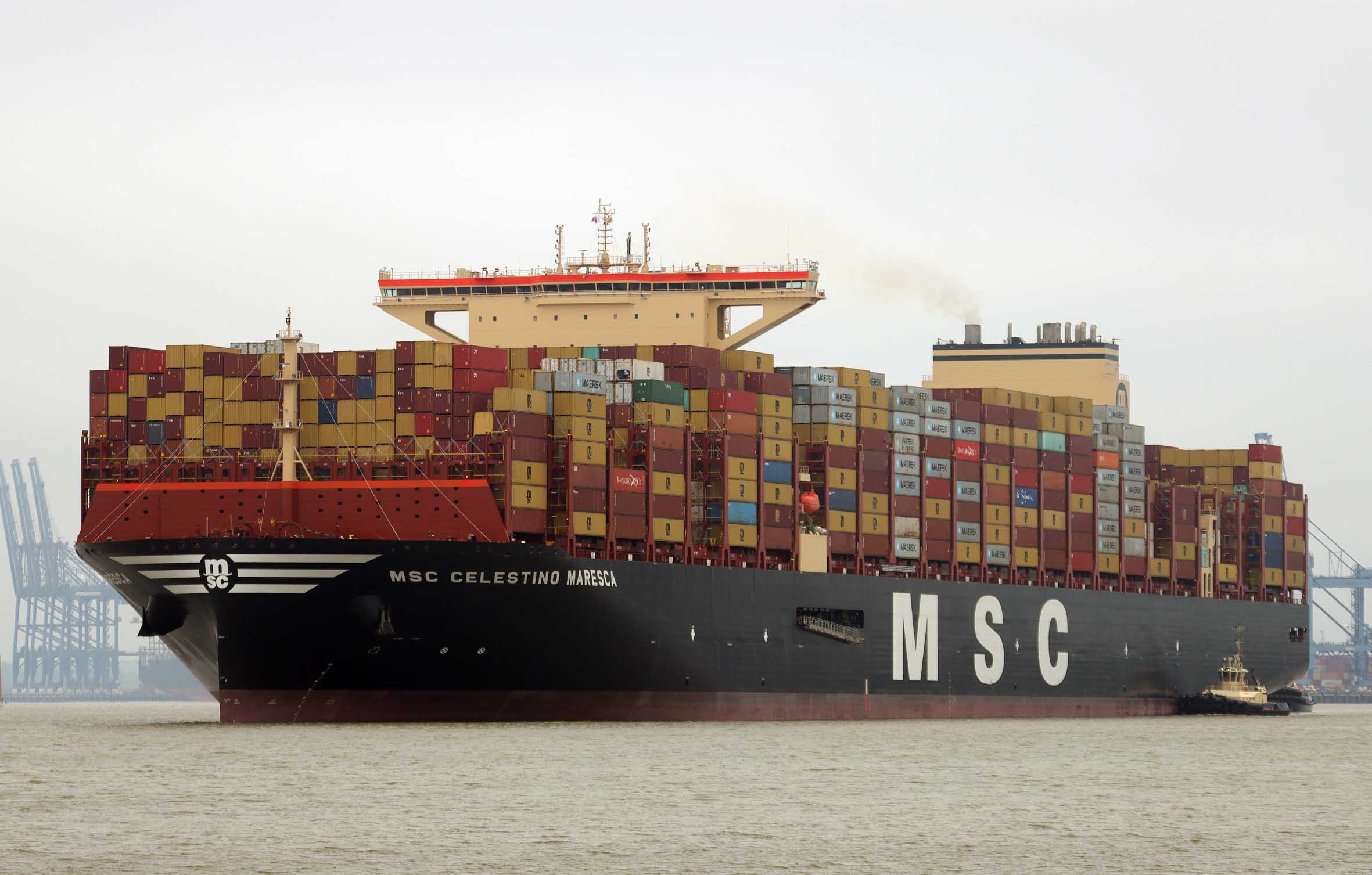
The announcement follows a period of significant economic strain in Cuba, exacerbated by the U.S. oil embargo. The blockade has led to severe fuel shortages and rolling blackouts affecting millions of residents. Recently, a Russian-owned tanker, carrying approximately 730,000 barrels of crude oil, became the first to dock in Cuba since January, following Trump's easing of the oil blockade to allow the shipment. This action has raised questions regarding the timing of the prisoner release and the ongoing negotiations between the two nations.
Cuba's decision to pardon prisoners was based on a "careful analysis" of their offenses, good conduct in prison, and the length of their sentences served. The government specified that those released would not include individuals convicted of serious crimes such as murder or sexual assault. This amnesty marks the second instance this year where Cuba has announced a prisoner release, with a previous release of 51 inmates occurring in March, following discussions with the Vatican.
Michael Bustamante, chair of Cuban studies at the University of Miami, indicated that the release could reflect advancing dialogue between the two governments. However, the Cuban government has consistently denied that its decisions are influenced by U.S. pressure. The timing of the amnesty is notable, as it follows calls from the Trump administration for political reform in Cuba and a change in its leadership.
This recent announcement represents the fifth such amnesty by Cuba since 2011, with over 11,000 individuals pardoned in total. The government has faced scrutiny for holding hundreds of political prisoners, which remains a core demand from the U.S. in discussions regarding human rights and governance reforms.
As the release of these prisoners unfolds, their families and communities await the impact of this decision. The Cuban government has not disclosed specific details about the individuals being pardoned, leaving questions about the potential political significance of those released.
Cuba's government has announced the release of 2,010 prisoners as a “humanitarian and sovereign gesture,” coinciding with the religious observances of Holy Week. This decision comes amid heightened pressure from the U.S. government, particularly under President Donald Trump's administration, which has implemented an effective oil blockade against the island. The release includes foreign nationals, young individuals, women, and prisoners aged over 60, as stated by the Cuban embassy in the U.S.
The announcement follows a period of significant economic strain in Cuba, exacerbated by the U.S. oil embargo. The blockade has led to severe fuel shortages and rolling blackouts affecting millions of residents. Recently, a Russian-owned tanker, carrying approximately 730,000 barrels of crude oil, became the first to dock in Cuba since January, following Trump's easing of the embargo to allow the shipment. This action has raised questions regarding the timing of the prisoner release and the ongoing negotiations between the two nations.
Cuba’s decision to pardon prisoners was based on a “careful analysis” of their offenses, good conduct in prison, and the length of their sentences served. The government specified that those released would not include individuals convicted of serious crimes such as murder or sexual assault. This amnesty marks the second instance this year where Cuba has announced a prisoner release, with a previous release of 51 inmates occurring in March, following discussions with the Vatican.
Experts suggest that the release may signal some progress in U.S.-Cuba negotiations, albeit slowly. Michael Bustamante, chair of Cuban studies at the University of Miami, indicated that the release could reflect advancing dialogue between the two governments. However, the Cuban government has consistently denied that its decisions are influenced by U.S. pressure. The timing of the amnesty is notable, as it follows calls from the Trump administration for political reform in Cuba and a change in its leadership.
This recent announcement represents the fifth such amnesty by Cuba since 2011, with over 11,000 individuals pardoned in total. The Cuban presidency highlighted that this release aligns with a customary practice within their criminal justice system, particularly during Holy Week, underscoring a humanitarian aspect of their governance. The government has faced scrutiny for holding hundreds of political prisoners, which remains a core demand from the U.S. in discussions regarding human rights and governance reforms.
As the release of these prisoners unfolds, their families and communities await the impact of this decision. The Cuban government has not disclosed specific details about the individuals being pardoned, leaving questions about the potential political significance of those released. Observers will be closely monitoring the situation, including the response from the U.S. government and any further developments in negotiations between the two nations.
Highlighted text was flagged by the council. Tap to see feedback.























































































The sources also report that Cuba specified those released would exclude individuals convicted of murder, sexual assault, drug-related crimes, theft, illegal slaughter of livestock, and crimes against authority.