




The immediate hit to your wallet
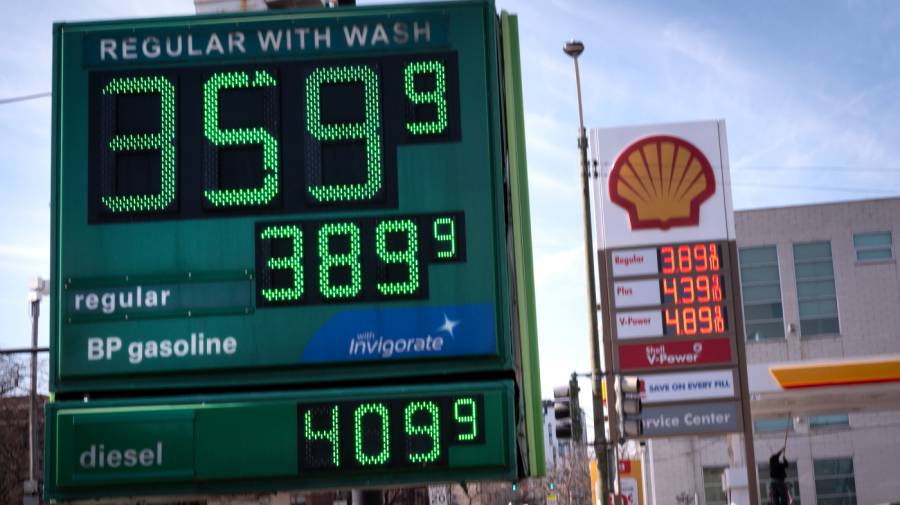
If you filled up your car this week, you felt it. U.S. regular gasoline averaged $3.11 per gallon Tuesday, up from just under $3 at the start of the week, according to AAA. Europe's benchmark Dutch TTF front-month natural-gas futures jumped 40 percent in Monday trading, exchange data show. Heating your home, driving to work, flying across the country—all just got more expensive, and the bill could keep climbing if the conflict in the Middle East drags on.
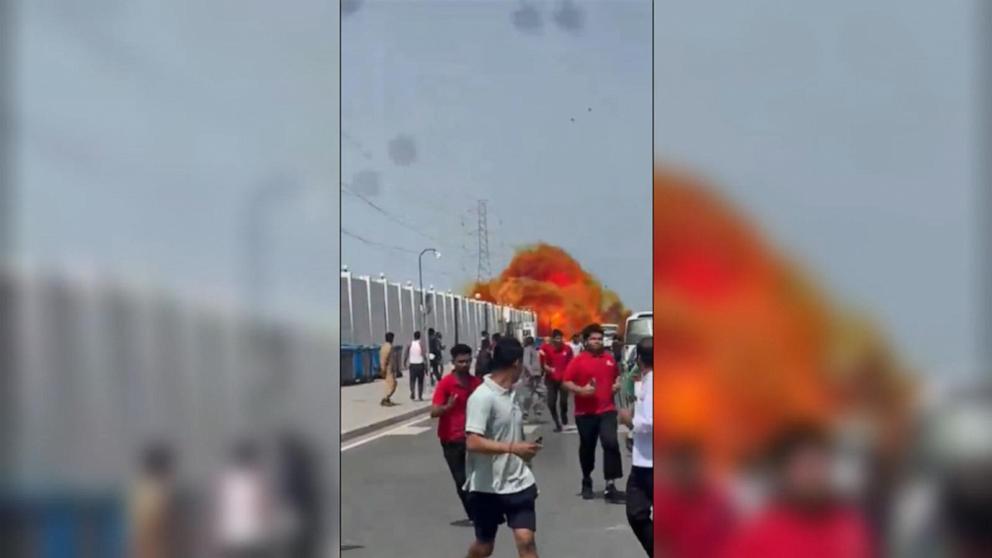
The reason is simple: military operations in the Middle East are disrupting some of the world's most critical energy chokepoints. Tanker traffic through the Strait of Hormuz, which handles a quarter of all seaborne oil globally, has collapsed as ships reroute to avoid both US-Israeli strikes on Iran and Iranian retaliatory attacks on regional targets. Qatar halted production at the world's largest liquefied natural gas facility after Iranian drone attacks on its Ras Laffan export site. Saudi Arabia's massive Ras Tanura refinery sustained damage when debris from an intercepted Iranian drone strike fell on the facility, according to Saudi state news. The military operations are pushing oil to its highest price in recent weeks.
Why oil hasn't spiked even higher yet
Brent crude settled at $83.02 a barrel Tuesday, up $10.12 from a week earlier and 11 percent since Sunday night's reopening, ICE data show. That's sharp, but not catastrophic. Analysts say the market is being surprisingly restrained given the scale of the risk.
Bob McNally, president of Rapidan Energy Group, argues the market is being too restrained. He points out that when Russia invaded Ukraine in February 2022, Brent crude hit an intraday high above $139 a barrel and settled above $120 in the first weeks, exchange records show. Russia's oil exports were only a fifth of what flows through Hormuz, yet prices today are rising more slowly. McNally believes traders have developed a "boy who cried wolf" mentality after years of geopolitical crises that didn't actually disrupt supply.
However, other analysts note that traders have been vindicated in their caution, as past geopolitical crises often failed to produce sustained supply disruptions. Ben Cahill, a senior associate at the Center for Strategic and International Studies, argues the market is finally paying attention after witnessing sustained shipping disruptions and direct attacks on major refineries and export terminals. McNally predicts oil could hit $100 per barrel if the Strait of Hormuz remains blocked for an extended period, though this outcome depends on how long disruptions persist. Analysts at RBC Capital Markets and McNally predict potential spikes to triple digits if major Gulf oil infrastructure sustains successful attacks.
How the war is rippling through markets
Stock markets have absorbed the shock in waves. The Dow Jones Industrial Average fell as much as 1,137 points, or 2.3 percent, in Tuesday's session before closing down 400 points, or 0.8 percent, according to S&P Dow Jones Indices. The S&P 500 and Nasdaq fell roughly 2 percent in morning trading before recovering to close down approximately 0.9 percent and similar levels, respectively. The FTSE 100 in London was on track for its worst day in 11 months. Japan's Nikkei and South Korea's Kospi also declined as investors braced for sustained economic damage.
Higher energy prices feed into inflation, which analysts warn could force the Fed to hold rates steady or even raise them further, making mortgages, car loans, and credit card debt more expensive for American households.
What the Trump administration is doing
President Trump announced he is ordering the U.S. Development Finance Corporation to provide political risk insurance for shipping companies traveling through the Persian Gulf, intended to give maritime operators financial protection to keep vessels moving. Trump also committed to providing naval escorts and insurance guarantees for oil tankers through the Strait of Hormuz.
Secretary of State Marco Rubio told reporters Tuesday that the Energy and Treasury Departments would unveil measures aimed at easing energy prices, though he offered no details. The U.S. has no immediate plan to tap the Strategic Petroleum Reserve, Bloomberg reported Monday, citing unnamed officials. However, ING analysts noted that if Middle East disruptions persist, coordinated emergency releases from multiple countries become more likely.
The global ripple effects
Europe faces particular vulnerability. The continent's natural gas prices surged more than 40 percent as Qatar's LNG halt threatened supplies. Germany and other nations that reduced Russian gas imports may be more exposed to supply shocks. China could face methanol shortages if shipping disruptions through Hormuz persist, threatening industries from paint manufacturing to plastics production. India imports roughly 90 percent of its crude oil, with 45 to 50 percent sourced from the Middle East. Only 40 percent of its total crude imports pass through the Strait of Hormuz, giving it some cushion but not immunity.
Aluminum traders are bracing for widespread contract suspensions unless flows resume quickly. Airline ticket prices on Asia-Europe routes have soared following Gulf airport closures. The conflict has widened to hit energy infrastructure across the region: a fuel tank at Oman's Duqm port was struck, and fires broke out at the United Arab Emirates' Fujairah, one of the world's key regional oil hubs.
An Islamic Revolutionary Guard Corps general threatened that Iran would target "all economic centres" in the Gulf if its main facilities are attacked further, warning that oil could reach $200 per barrel and that the Strait of Hormuz has been effectively closed. Prime Minister Narendra Modi spoke over the weekend with the leaders of Qatar, Oman, and Kuwait, his office said, urging de-escalation and pledging to safeguard Indian citizens in the region. African leaders have also called for dialogue, though military operations continue.
The next few weeks will determine whether this becomes a temporary spike or a sustained crisis. If the Strait of Hormuz remains open and military operations don't expand, analysts say prices may stabilize. If the conflict widens to hit more infrastructure, analysts say oil could breach $100 per barrel within days.