




Markets Reel From Supply Shock
Crude oil surged more than 7% in Asian trading Sunday night as U.S. and Israeli strikes on Iran sent shockwaves through global energy markets. Brent crude traded at $78.26 per barrel as of 8:10 p.m. Eastern Sunday, up more than $4 from Friday's close, though it had initially opened above $81 before declining. The spike signals that gas prices at American pumps will likely rise in the coming weeks, though the full impact depends on how long the conflict persists and whether either side targets oil infrastructure.
The surge was first reflected in Asian trading Sunday night, where traders immediately repriced energy risk. But the pain is spreading globally. Stock markets across Asia, India, and emerging economies fell Monday as investors shifted to safer assets. India's Sensex dropped 1.1% and the MSCI EM index slid 2.3% in opening trade, while the Indian rupee fell to 91.32 against the U.S. dollar, pressured by rising crude costs that will inflate India's import bill. Emerging-market currencies and stocks slumped across the board as traders braced for sustained supply disruptions.
The Strait of Hormuz Becomes a Chokepoint
The main risk involves the Strait of Hormuz, the narrow waterway between Iran and the Arabian Peninsula that handles about one-fourth of the world's seaborne oil trade, according to Axios. Ships are already avoiding the strait. Hundreds of vessels have dropped anchor outside the waterway rather than risk transit through contested waters.
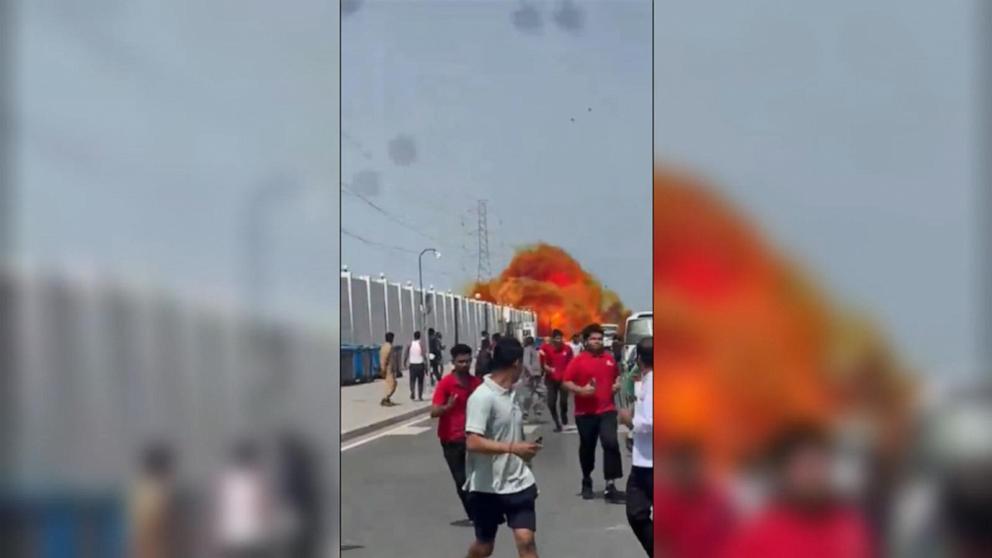
Three oil tankers were damaged in the Gulf on Sunday. Insurance rates for tankers moving crude and petroleum products through the region have skyrocketed, making transit prohibitively expensive even for ships willing to take the risk. At least one seafarer was killed in the attacks near the strait. Tehran announced it has closed navigation through the strait following the bombardment, according to France 24. The extent of any actual blockade is unclear from available reports.
The longer ships avoid the route, the tighter global supplies become. Oil analyst Ellen Wald told Axios that sustained military activity in the Gulf for four weeks could bring serious price hikes and potentially even shortages in Asian countries. Even though the U.S. has ample domestic oil reserves, a global market means American consumers will feel the pain at the pump.
Travel Chaos Strands Thousands
The conflict has already crippled air travel across the region. More than 2,400 flights were canceled Sunday across Middle Eastern airports, according to flight tracker FlightAware. Airlines extended blanket flight suspensions as airspace closures left thousands of Americans stranded or scrambling to leave. Carriers across the Persian Gulf have suspended operations, trapping travelers and disrupting business travel and tourism.
Asian airline shares fell sharply on the disruptions and oil price surge. The combination of grounded fleets and rising fuel costs threatens carrier profitability across the region.
What Happens Next
The duration of the conflict will determine how severe the economic damage becomes. President Trump said Sunday the fighting could span up to four weeks, according to CBS News. If oil infrastructure remains untouched, prices may stabilize. But analysts at the Center for Strategic & International Studies warn that both sides could escalate to energy targets to gain leverage. The odds of direct attacks on oil production or export facilities rise with each passing week of fighting.