





The 60-Day Shipping Waiver
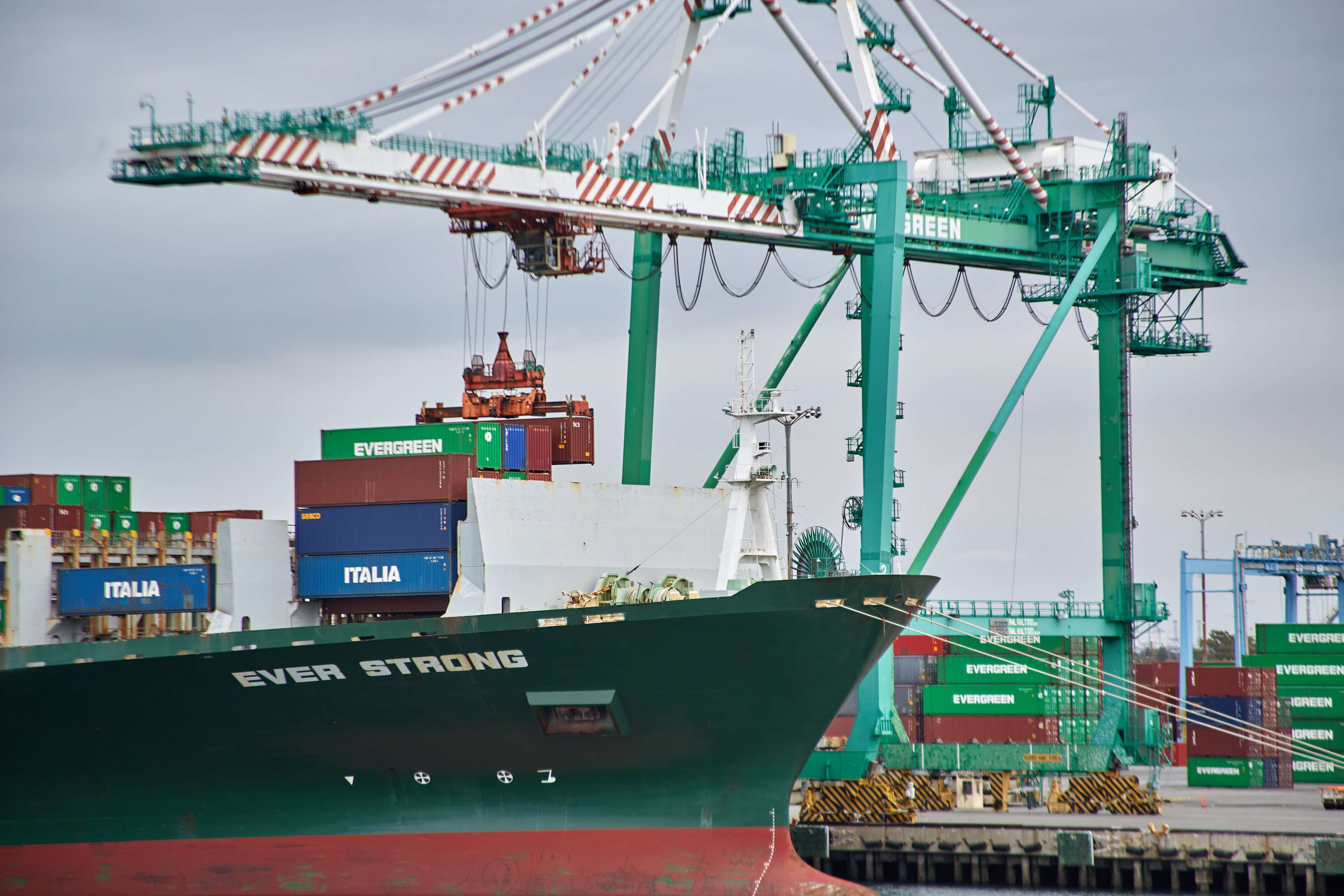
President Trump issued a 60-day waiver of the Jones Act on Wednesday, temporarily allowing foreign-flagged vessels to carry cargo between U.S. ports. White House press secretary Karoline Leavitt said the move aims to "mitigate the short-term disruptions to the oil market as the U.S. military continues meeting the objectives of Operation Epic Fury." The waiver permits oil, natural gas, fertilizer, and coal to move more freely to American ports as the conflict with Iran drives up energy costs nationwide.
The Jones Act, enacted in 1920, requires all goods shipped between U.S. ports to travel on vessels that are American-built, American-crewed, and American-flagged. The restriction has made domestic shipping significantly more expensive than international routes. According to Colin Grabow, associate director at the Cato Institute's Herbert A. Stiefel Center for Trade Policy Studies, U.S.-built ships cost about five times more than those built overseas and roughly four times more to operate.
Limited Impact on Pump Prices
Experts warn the temporary waiver will do little to ease the pain at the gas pump. William Doyle, a former commissioner of the U.S. Federal Maritime Commission, said any savings would amount to "just fractions of a penny per gallon." He noted that oil prices are set independently of transportation costs and that world market prices account for 40 to 50 percent of gasoline costs, making the Jones Act's role negligible.
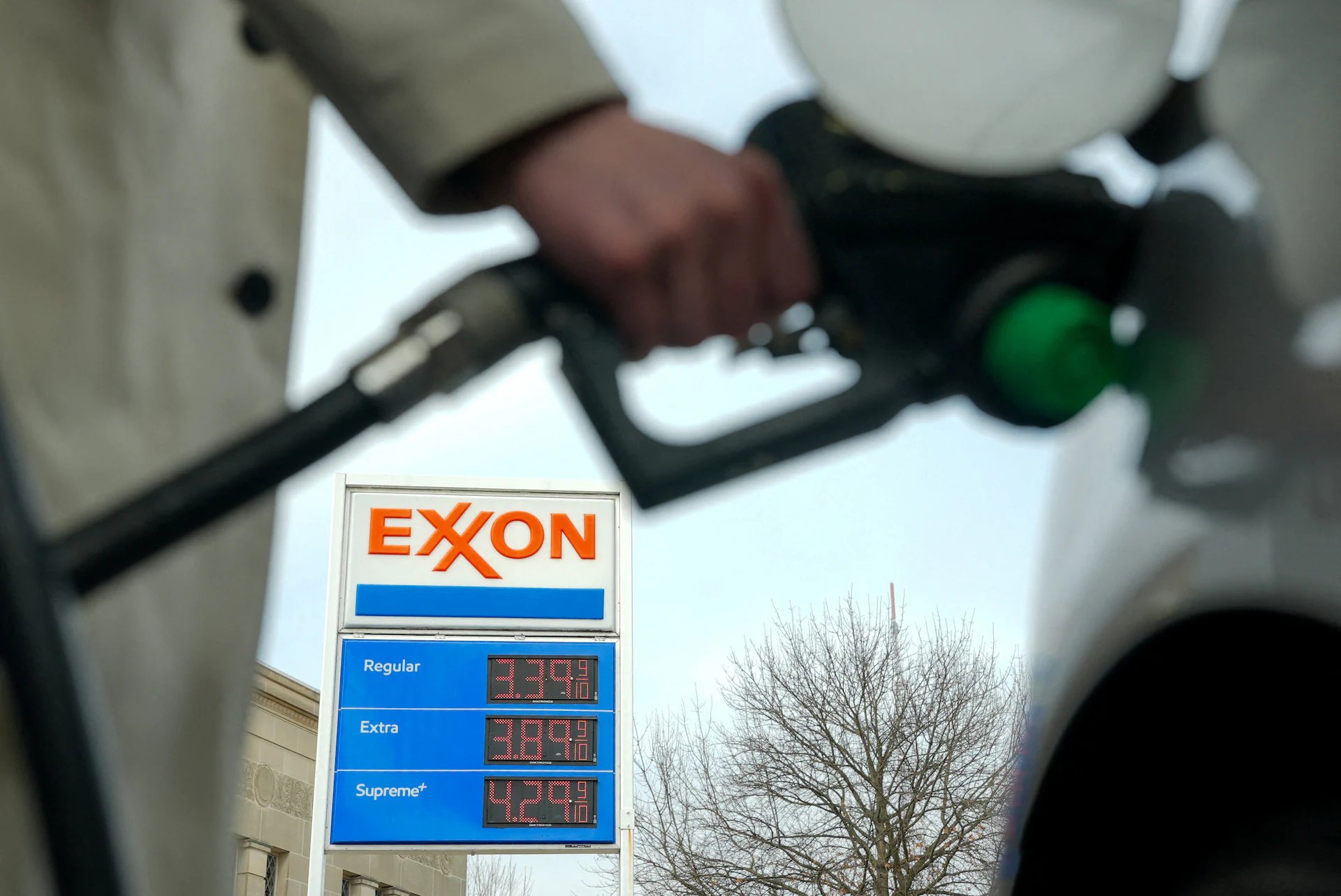
The American Maritime Partnership, a maritime industry lobbying group, stated the waiver "will not reduce gas prices" and claimed "the maximum potential impact of domestic shipping on the cost of gasoline nationwide is less than one penny per gallon." National average gasoline prices now stand at $3.84 per gallon according to AAA, up nearly a dollar from a month earlier as the Iran war has intensified.
The Broader Energy Crisis
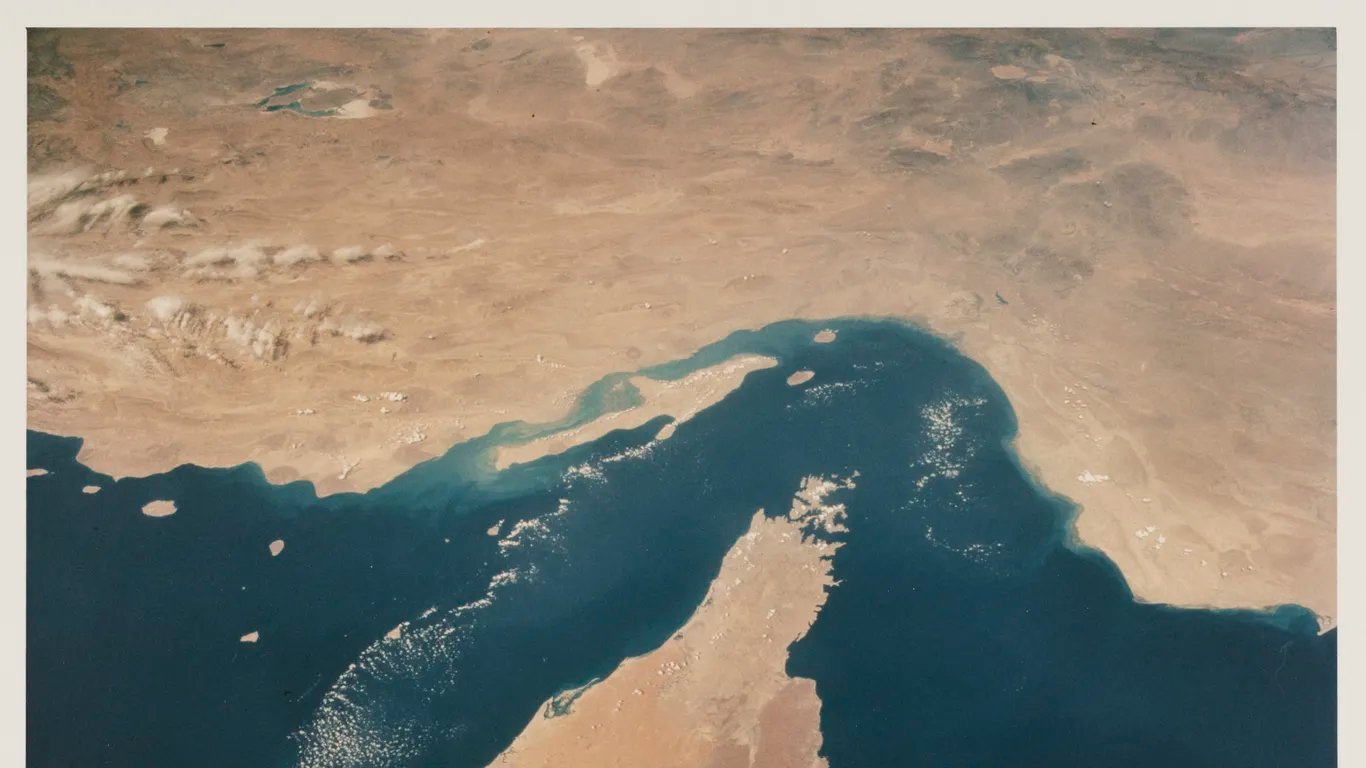
Iran has throttled the Strait of Hormuz, disrupting global energy supplies. The waterway, through which approximately 20 percent of the world's oil passes, remains disrupted. International Energy Agency head Fatih Birol said there is no way to compensate for the choking of this critical waterway. Oil prices have continued climbing, with Brent crude rising over $5 to roughly $109 per barrel on Wednesday after the Israeli Air Force struck Iranian natural gas processing facilities in southwestern Iran—the first Israeli strikes on Iran's natural gas infrastructure.
The U.S. and other governments are releasing oil from emergency stockpiles to ease disruptions. Torbjorn Soltvedt, principal Middle East analyst at risk intelligence company Verisk Maplecroft, said the Israeli strikes "mark a step up in U.S. and Israeli operations" and represent "the opposite signal" for anyone seeking signs of de-escalation.
Voters Feel the Squeeze
In Millersburg, Pennsylvania, a working-class town in the 10th Congressional District that gave Trump more than 70 percent of its votes in 2024, frustration is mounting. Amanda Robbins, a 35-year-old resident who voted for Trump three times, said "That was my bad. Apparently, I'm an idiot." She described the president with an expletive and said rising gas prices make it harder to pay her bills and stretch her grocery budget.
Not all Trump voters remain committed to Republicans. Roy Strohecker, a 66-year-old retired farmer in Halifax, voted for Trump and backs the Iran war but said the cost of fuel going up is hurting his pocket. On a fixed income, he has been disappointed by continued inflation in the year and a half since voting for Trump. He said he does not expect to vote in November's midterm elections.
The 10th District, represented by Rep. Scott Perry since 2013, is rated by the nonpartisan Cook Political Report as one of 17 pure toss-ups. Perry narrowly defeated Democrat Janelle Stelson by just over 1 point in 2024, and Stelson is running again this year. Republicans hold a narrow 218-214 House majority, making districts like this crucial for maintaining control.
The Case for Permanent Change
Colin Grabow told Reason magazine that Trump's action is "essentially an admission that the law doesn't work" and that if the law must be suspended during crises, "that's a clear sign it serves no useful purpose and should be repealed." The National Taxpayers Union Association has documented repeated waivers granted by various presidents following hurricanes and other emergencies, each reinforcing arguments for permanent repeal.
Grabow noted the absurdity of current shipping rules: California routinely imports gasoline from Texas and Louisiana only after fuel is shipped to the Bahamas, transferred between vessels, and sent back to the U.S. A recent lawsuit challenging the Jones Act pointed out it costs roughly three times as much to ship rum from Hawaii to Los Angeles as to ship the same goods from Los Angeles to Australia, despite the international route being significantly longer.

The American Maritime Partnership, a maritime industry lobbying group, stated the waiver "will not reduce gas prices" and claimed "the maximum potential impact of domestic shipping on the cost of gasoline nationwide is less than one penny per gallon."