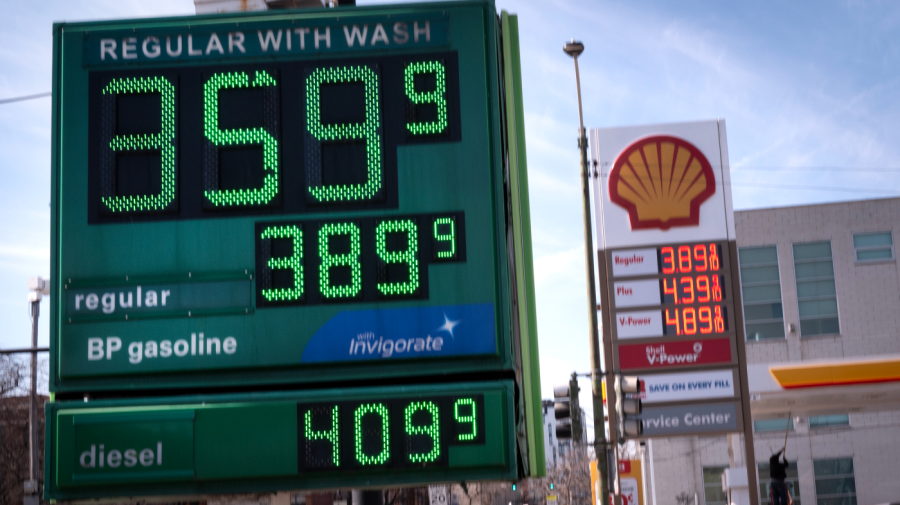
If you're filling up your gas tank or booking a flight, you could face higher costs. Goldman Sachs on Tuesday raised its Q2 Brent oil price forecast by $10 to $76 a barrel, a shift that could ripple through energy markets and consumer prices. This change reflects the US-Israeli military actions against Iran disrupting Middle East supply.
The oil price spike has already begun to affect global markets. Investors and U.S. crude producers are rushing to lock in prices, according to traders quoted by Reuters. Airlines, which already hedge fuel costs, may adjust coverage if prices stay elevated. With oil prices climbing, these businesses may pass costs onto consumers in the form of higher ticket prices or increased fuel surcharges.
The increase in oil prices is largely driven by fears of supply disruptions due to the US-Israeli military actions against Iran. Goldman Sachs' CEO said markets may take a couple of weeks to digest the impact of the Iran war. Oil price volatility will persist as long as regional tensions remain elevated.
Higher oil prices can add roughly 0.3 percentage points to annual inflation, raising the cost of groceries and heating before employers raise wages. Energy-intensive manufacturers and shipping firms face slimmer margins as costs climb. Asian technology stocks have already experienced volatility due to oil shock fears, according to market reports.
The energy sector is likely to see increased activity as investors look to capitalize on the price surge. Goldman Sachs strategists told clients to treat any Iran- or AI-related dip as a buying opportunity, viewing current volatility as a potential opportunity rather than a sign of a bear market.
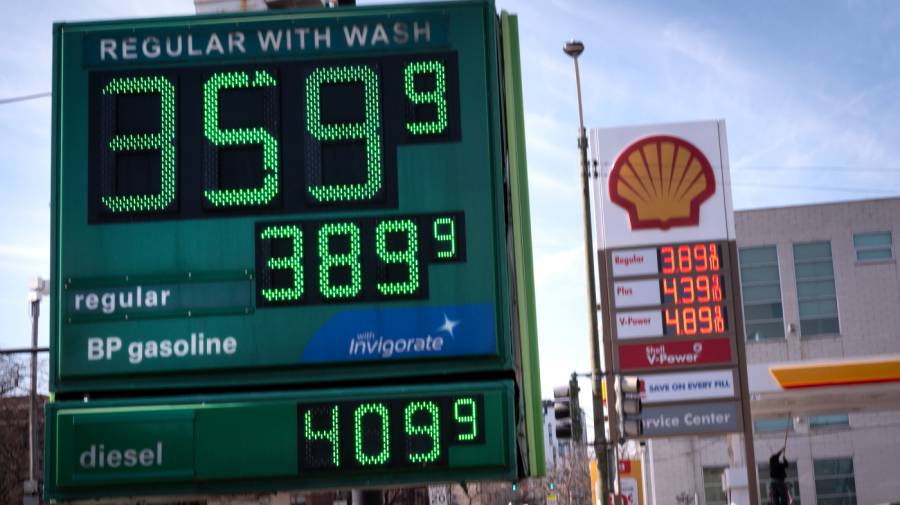
For consumers and businesses alike, Goldman Sachs' revised oil price forecast signals a shift in the economic landscape. A two-car household could pay about $20 more per month if gasoline follows Brent crude's $10 rise. As the situation develops, the energy market will remain a focal point for both immediate financial implications and long-term economic strategies.
If you’re filling up your gas tank or booking a flight, brace for higher costs. Goldman Sachs has increased its Q2 Brent oil price forecast by $10 to $76 a barrel, a shift that could ripple through energy markets and consumer prices. This change reflects growing concerns over supply disruptions stemming from escalating tensions in the Middle East, particularly related to the ongoing conflict involving Iran.
The oil price spike has already begun to affect global markets. Investors and U.S. crude producers are scrambling to lock in profits, while airlines and other industries that rely heavily on fuel are revisiting their hedging strategies. With oil prices climbing, these businesses may pass costs onto consumers in the form of higher ticket prices or increased fuel surcharges.
The increase in oil prices is largely driven by fears of supply disruptions due to geopolitical tensions, particularly the conflict between the U.S. and Iran. Goldman Sachs' CEO noted that markets may take time to fully digest the impact of these events. As the crisis unfolds, the potential for further disruptions looms large, adding uncertainty to future price projections.
Higher oil prices do not just affect transportation costs; they can also influence inflation rates and consumer spending. Analysts warn that as energy prices rise, they could squeeze household budgets, making everyday expenses more burdensome. Additionally, sectors like technology, which rely on stable energy costs, may experience volatility as investors react to rising oil prices.
The energy sector is likely to see increased activity as investors look to capitalize on the price surge. Goldman Sachs has advised clients to consider buying into dips in the stock market, viewing current volatility as a potential opportunity rather than a sign of a bear market. This approach could lead to a more dynamic trading environment as the situation evolves.
For consumers and businesses alike, Goldman Sachs' revised oil price forecast signals a shift in the economic landscape. With mounting pressures on fuel prices, you may need to adjust your budget accordingly. As the situation develops, the energy market will remain a focal point for both immediate financial implications and long-term economic strategies.
Highlighted text was flagged by the council. Tap to see feedback.