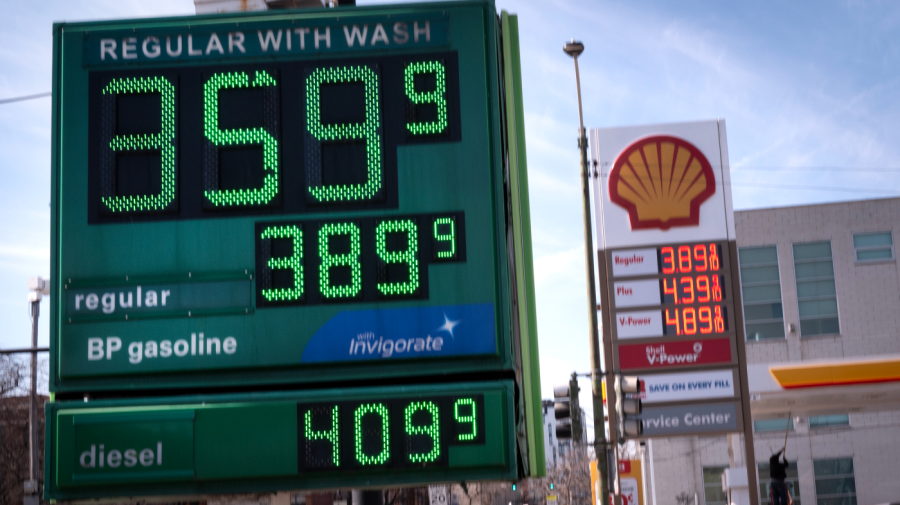
If you're heading to work or running errands, that extra 11 cents per gallon at the pump could add up fast. Gas prices across the U.S. have climbed following U.S.-Israel strikes on Iran, leaving drivers to shoulder higher costs for everyday travel and potentially straining household budgets in the process.
Military strikes between Israel, the U.S., and Iran have pushed crude oil prices higher. The global benchmark Brent Crude oil was at $77 per barrel on Monday, a sharp rise from $71 just a week earlier and $66 a month ago. Market analysts attribute the volatility to concerns about potential supply disruptions affecting fuel imports and refinery operations.
The 11-cent jump means an immediate increase for millions of Americans who rely on their cars. According to AAA, this price hike reflects broader market concerns, turning a routine fill-up into a noticeable expense for commuters and small businesses alike. In states with long driving distances, such as California and Texas, drivers may feel the impact more acutely.
Stock markets fell as investors reacted to fears of a prolonged Middle East conflict. Energy shares initially rose on higher crude prices, while broader markets slipped on escalation fears. Oil companies saw their values fluctuate amid uncertainty about future supply chains.
The Hill reports that costs for consumers at the pump are expected to rise as the conflict continues, though the future remains uncertain. That might force families to rethink summer travel plans or cut back on other expenses to cover the added fuel costs. For now, drivers can expect these pressures to persist, making every mile a reminder of how international tensions affect everyday life.
If you're heading to work or running errands, that extra 11 cents per gallon at the pump could add up fast. Gas prices across the U.S. surged overnight due to escalating tensions in the Middle East, leaving drivers to shoulder higher costs for everyday travel and potentially straining household budgets in the process.
U.S.-Israel strikes on Iran have sent crude oil prices soaring, directly pushing up what you pay for gas. The global benchmark Brent Crude oil hit $77 per barrel on Monday, a sharp rise from $71 just a week earlier and $66 a month ago. This volatility stems from the ongoing conflict, which experts link to broader supply disruptions that affect fuel imports and refinery operations.
The 11-cent jump means an immediate increase for millions of Americans who rely on their cars, with families in suburban and rural areas likely facing the biggest pinch. According to AAA, this price hike reflects broader market jitters, turning a routine fill-up into a noticeable expense for commuters and small businesses alike. In states like California and Texas, where driving distances are long, the added cost could mean an extra $5 or more per tank for the average sedan.
Stock markets tumbled as investors reacted to fears of a prolonged Middle East conflict, with energy shares leading the decline. Oil companies saw their values drop amid uncertainty about future supply chains, while broader indices fell by double digits in early trading. This ripple effect highlights how global events can quickly translate into higher prices at local gas stations, affecting everything from delivery trucks to ride-sharing services.
As the conflict shows no immediate signs of easing, experts predict gas prices could climb further if disruptions continue. That might force families to rethink summer travel plans or cut back on other expenses to cover the added fuel costs. For now, drivers can expect these pressures to persist, making every mile a reminder of how international tensions hit home.
Highlighted text was flagged by the council. Tap to see feedback.