Lebanon's War Displaces 850,000 in 10 Days, Straining Communities
Revised after bias review
 Council News





The humanitarian crisis worsens in Lebanon, with over 850,000 displaced. This is a concrete change in the humanitarian situation.
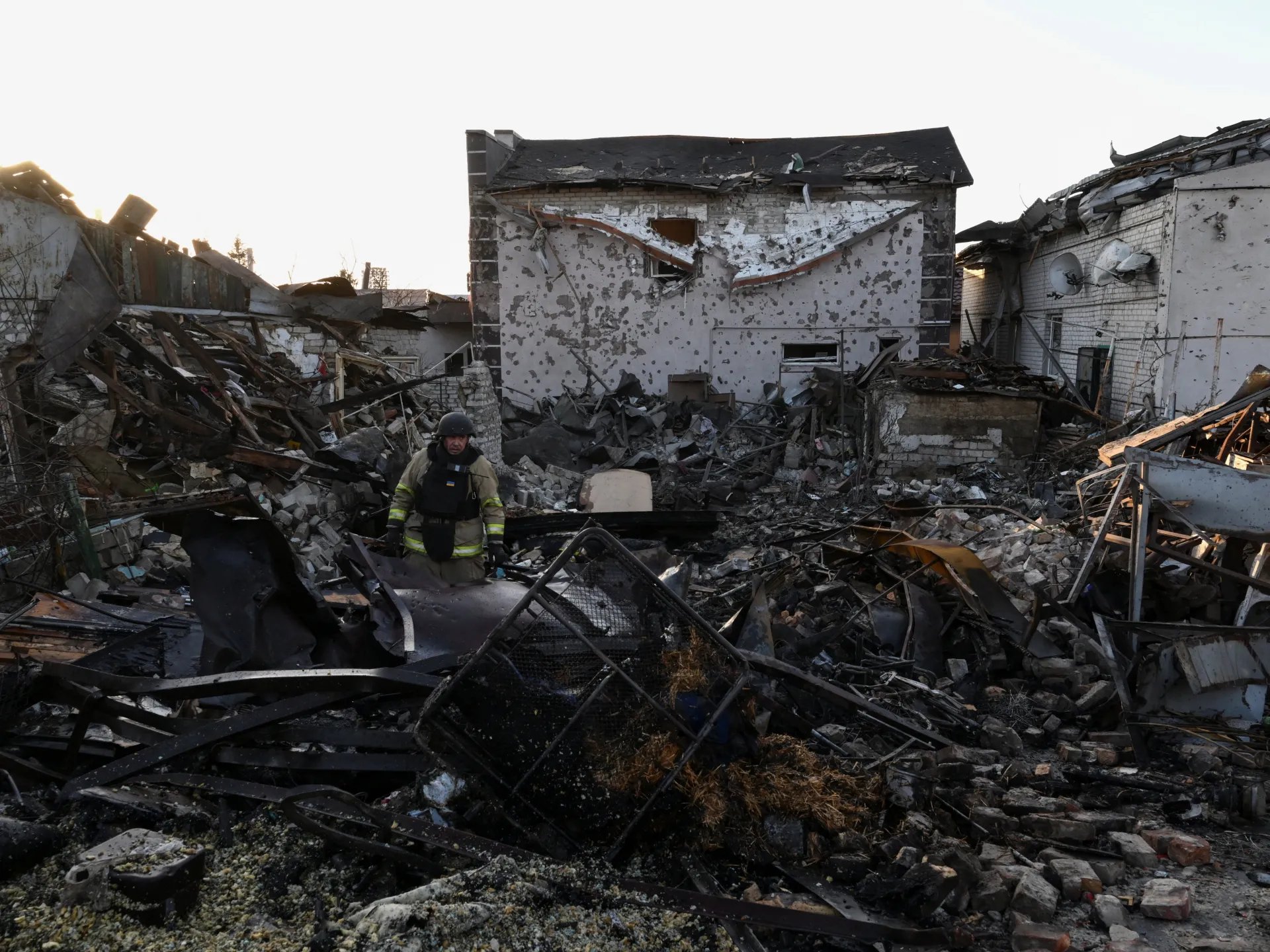
Over 850,000 Lebanese displaced by war in 10 days is a concrete humanitarian crisis with measurable population displacement and infrastructure collapse.
Lebanese government figures show 850,000 people—one in seven citizens—have been displaced by the war in the past ten days, a measurable humanitarian shift.
More than 800,000 people in Lebanon have been displaced by war in the past 10 days, according to the Health Ministry. Kevin Charbel, head of Première Urgence Internationale mission in Lebanon, highlighted the rapid escalation of the crisis.
Israeli strikes have killed 826 people since the conflict reignited on March 2, with 106 children and 65 women among the dead. The Health Ministry documented these losses as fighting between Hezbollah and Israel intensifies.
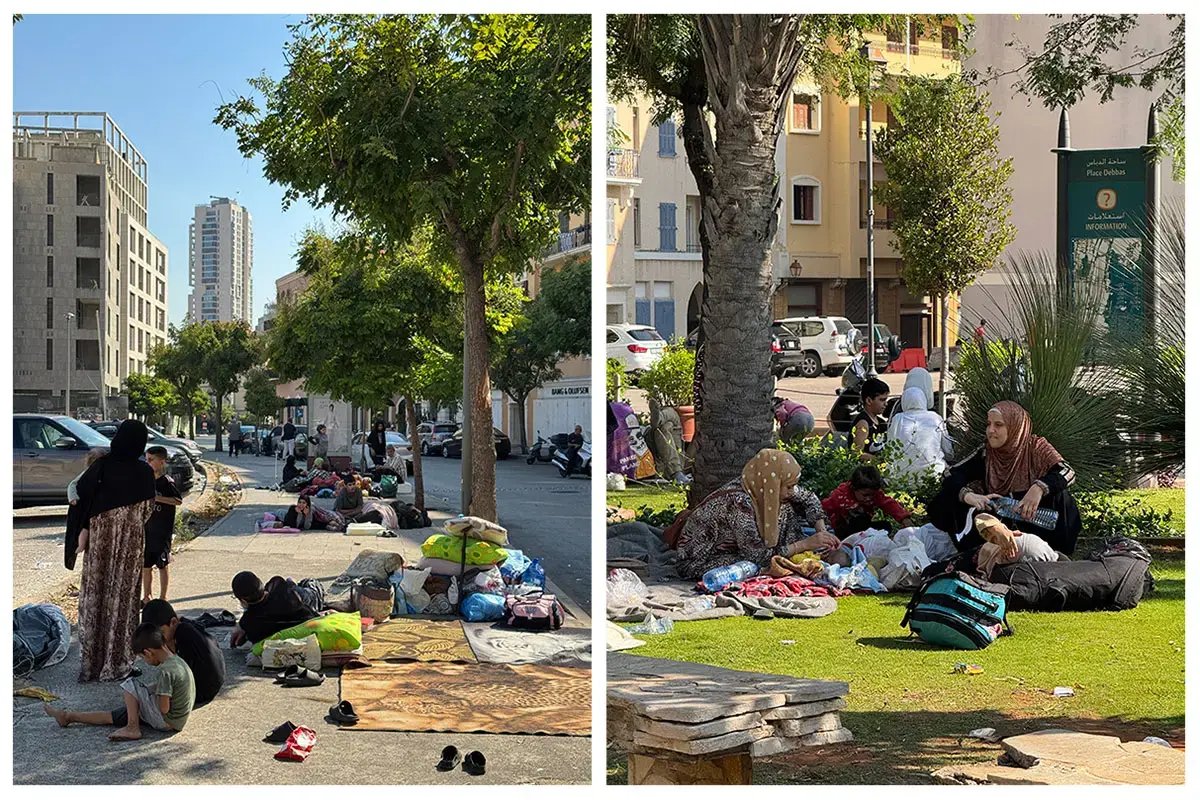
Displaced families in Sidon are converting vehicles into temporary homes, draping them with tarp to block rain. Hundreds of thousands lack access to formal shelters, as local schools reach capacity amid the offensive. These families face daily hardships with no immediate alternatives for protection.
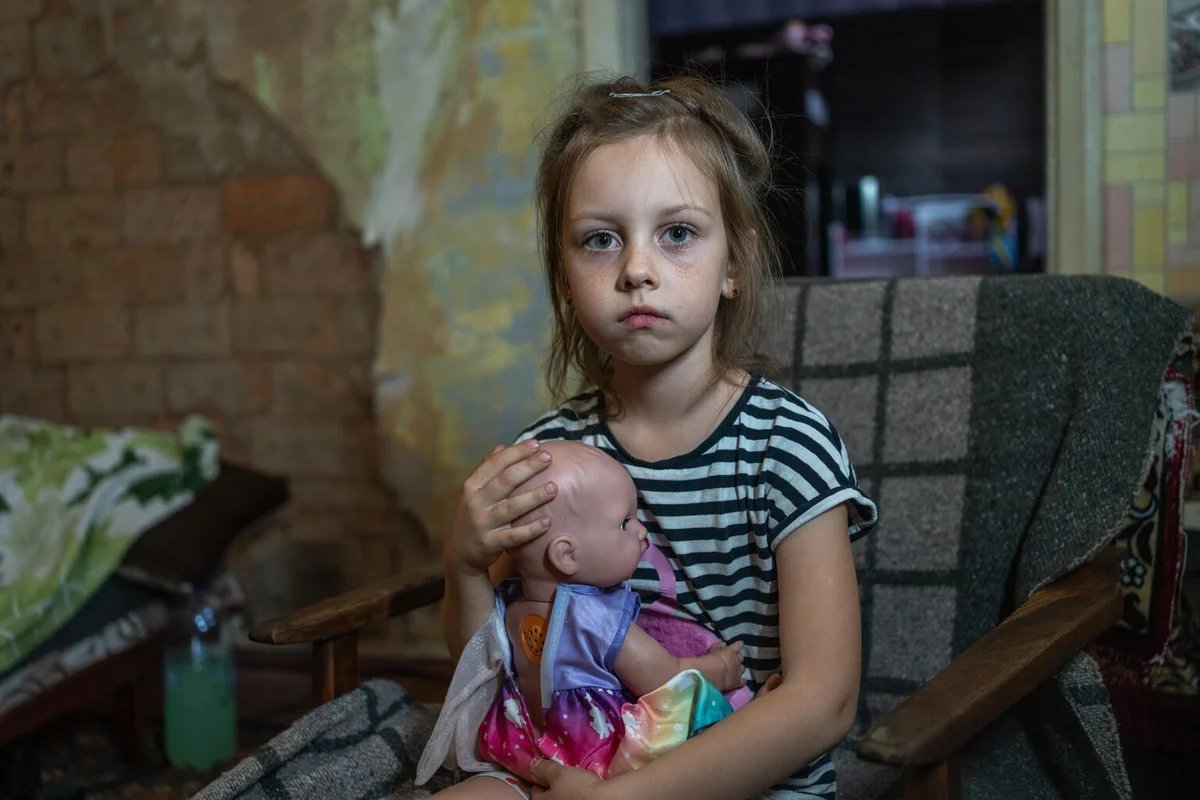
Children and women bear a heavy burden in the displacement, mirroring patterns in other conflicts.
The war has forced families to abandon homes and livelihoods, leading to immediate financial losses. In Sidon, people like those turning vehicles into shelters must forgo work and resources. This upheaval affects everyday stability, as the Health Ministry's figures underscore the scale of interrupted lives.
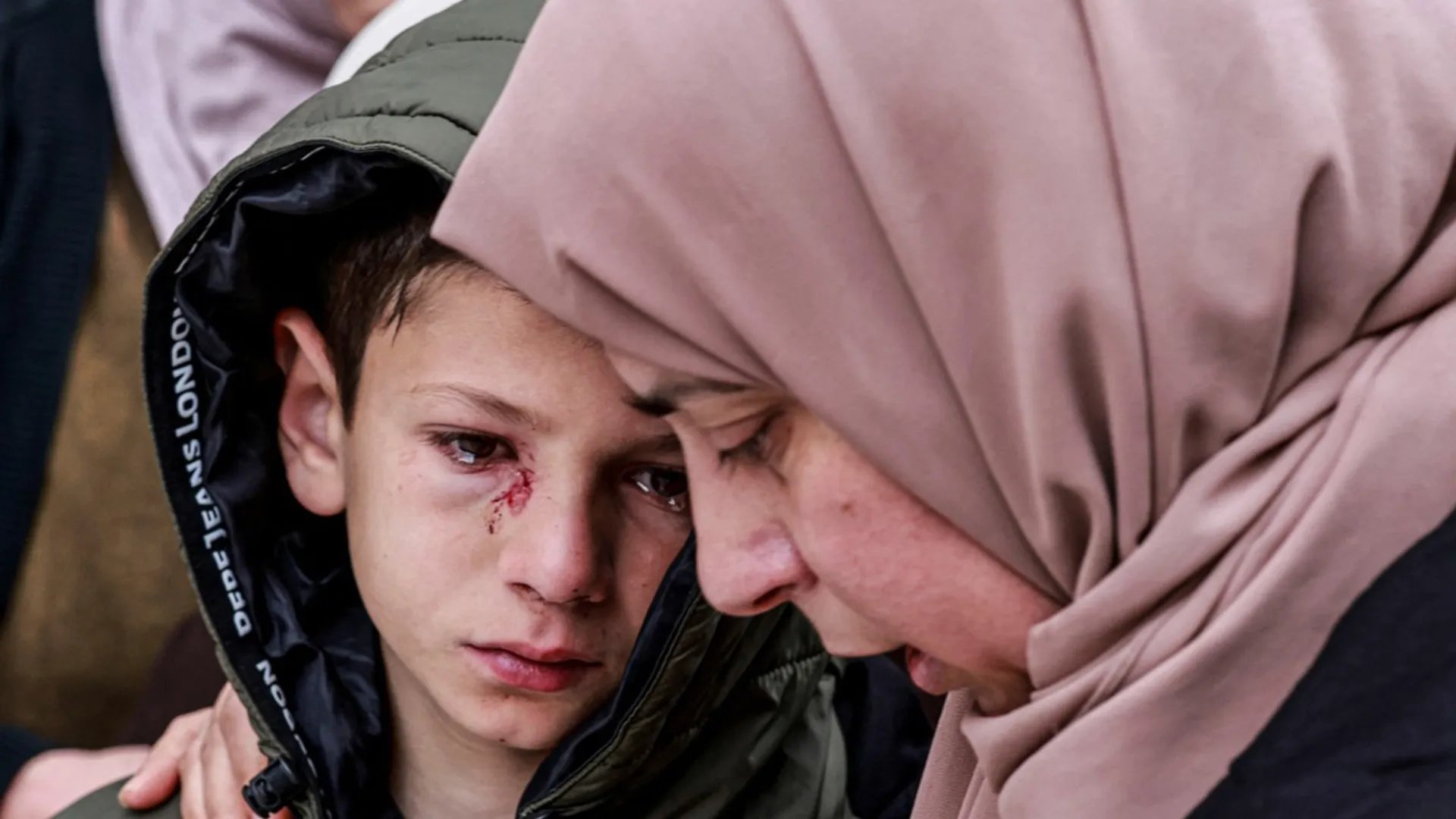
Women and children face heightened dangers in crowded conditions, with strikes adding to their vulnerabilities. The conflict has exposed 106 children to direct violence, as reported in official counts. Families in makeshift setups, such as those in Sidon, struggle with exposure and limited support.
Première Urgence Internationale, led by Kevin Charbel, is responding to the crisis with on-the-ground assistance. The organization addresses the needs of over 850,000 displaced individuals through emergency services. However, the sheer number of people complicates aid delivery in affected areas.
The displacement will reshape local dynamics, as families adapt to ongoing instability. Official reports indicate that 826 deaths represent a fraction of the broader suffering. In places like Sidon, the use of vehicles as shelters signals a shift in how people survive day to day.
Cross-referenced to ensure accuracy