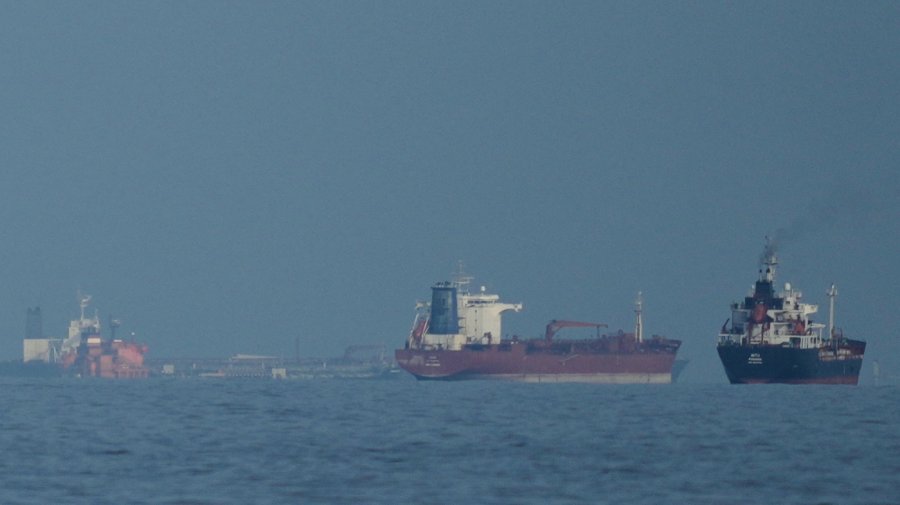
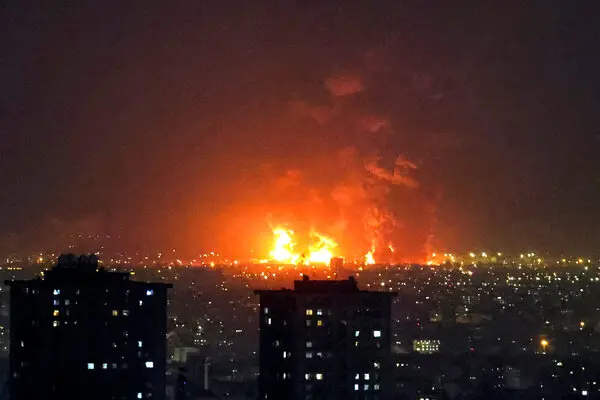
Drones hit Oman's Port of Salalah on March 11, igniting fuel tanks and starting a fire that authorities are working to contain. The evacuation of the key oil export terminal followed the strikes, with two crude tankers struck in nearby Iraqi waters.
The strikes deepened risks to energy supplies, forcing ships to reroute and delay deliveries. These disruptions hit global trade by tightening export capacity in the Gulf, where ports already face strain from ongoing regional conflicts.
The drone attack on Salalah disrupted vital shipping routes that carry oil and goods to Europe and Asia, highlighting threats to energy infrastructure. Iran denied any role in the strikes, as stated by officials in Tehran, while the incident reflects a pattern of attacks involving unmanned vehicles in the area.
Oman's government confirmed the fire at Salalah and mobilized teams to extinguish it, with local firefighters reporting progress by March 12. The FBI warned California police departments in late February about Iran's alleged aspirations to use unmanned vehicles against targets like those on the California coast.
The strikes at Salalah reduced oil-product export capacity. Bloomberg reports indicate two tankers carried 2 million barrels of crude, with hits causing spills that could harm marine environments. This situation leaves energy markets vulnerable, potentially leading to shortages that affect fuel prices and availability for drivers and industries in the coming days.
Drones hit Oman's Port of Salalah on March 11, igniting fuel tanks and starting a fire that authorities are working to contain. The incident shut down a key logistics hub that handles millions of tons of cargo annually, including oil products. This event affects everyday consumers by raising the cost of fuel and goods, as the port serves as a vital link in international shipping routes that supply markets worldwide.
Oman evacuated its key oil export terminal at Salalah in response to the drone strikes, with two crude tankers struck in nearby Iraqi waters. The strikes deepened risks to energy supplies, forcing ships to reroute and delay deliveries. These disruptions hit global trade by tightening export capacity in the Gulf, where ports already face strain from ongoing regional conflicts.
The drone attack on Salalah disrupted vital shipping routes that carry oil and goods to Europe and Asia, highlighting threats to energy infrastructure. Iran denied any role in the strikes, as stated by officials in Tehran, while the incident reflects a pattern of attacks involving unmanned vehicles in the area. This escalation means higher shipping insurance rates and longer wait times for imports, directly increasing costs for businesses and households dependent on stable supply chains.
Oman's government confirmed the fire at Salalah and mobilized teams to extinguish it, with local firefighters reporting progress by March 12. The FBI shared warnings about similar drone threats elsewhere, noting Iran's alleged aspirations to use unmanned vehicles against targets like those on the California coast. These developments underscore efforts by security forces to address aerial attacks, though details on specific preventive measures remain limited to official statements.
The strikes at Salalah reduced oil-product export capacity, compounding issues in the Gulf where disruptions at the Strait of Hormuz have already slowed flows. Bloomberg reports indicate two tankers carried 2 million barrels of crude, with hits causing spills that could harm marine environments. This situation leaves energy markets vulnerable, potentially leading to shortages that affect fuel prices and availability for drivers and industries in the coming days.
Highlighted text was flagged by the council. Tap to see feedback.