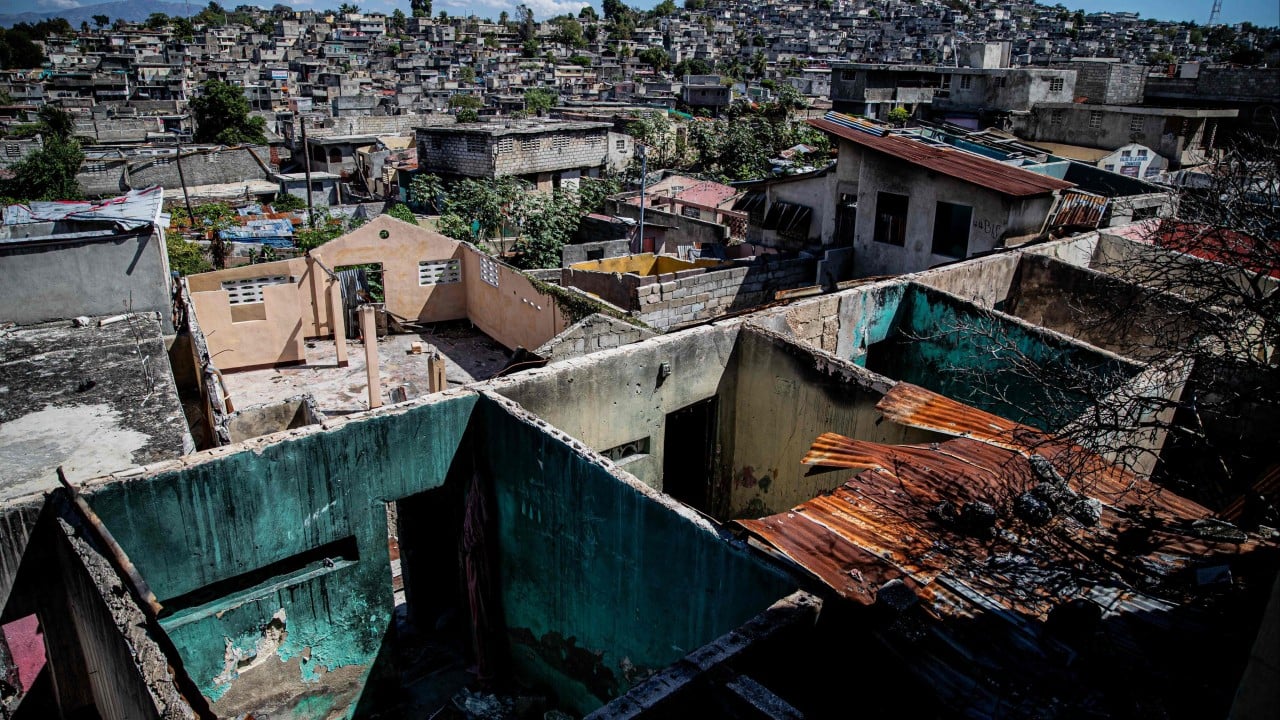
Drone strikes carried out by Haitian security forces and private contractors have killed at least 1,243 people and injured 738 since March of last year, according to a report released Tuesday by Human Rights Watch. The campaign targets criminal gangs that control roughly 90 percent of Port-au-Prince. Haitian security forces, with support from Vectus Global, have carried out these anti-gang operations, with 57 attacks reported from November through late January compared to 29 attacks from August through October.
The operations rely on quadcopter drones strapped with explosives, often deployed in densely populated neighborhoods. Vectus Global is a private US-based military company led by Blackwater founder Erik Prince, according to the South China Morning Post.
Among those killed are 43 adult civilians and 17 children who Human Rights Watch determined had no connection to criminal groups. A September 20 strike in the Simon Pele neighborhood killed nine people, including three children, and injured at least eight others. The attack occurred as the gang leader prepared to distribute gifts to children in the area.
One resident recounted to HRW how the explosion severed both feet of a baby. A six-year-old girl was among those killed, her mother telling researchers: "In the spaces where the gangs are, there are innocent people, people who raise their children, who follow normal paths." The families of victims reported that the criminal group controlled access to funerals for the dead.
Human Rights Watch researchers analyzed seven videos of drone strikes uploaded to social media or shared directly with the organization, geolocating four of them to Port-au-Prince. The videos show quadcopter drones repeatedly attacking vehicles and people. Human Rights Watch concluded that those targeted appeared to pose no imminent threat to life.
Juanita Goebertus, Americas director at HRW, stated: "Haitian authorities should urgently rein in the security forces and private contractors working for them before more children die." She told Reuters that her organization had documented unlawful use of lethal force and called on Haiti's international partners to suspend collaboration with its security forces until safeguards protecting civilians are implemented. The UN's high commissioner for human rights said in October that the drone strikes were disproportionate and likely unlawful.
The United Nations Integrated Office in Haiti reported last month that it had found no indications the deaths and injuries were being investigated. Haiti's prime minister's office, defence minister, national police, Vectus Global, and the US State Department did not respond to requests for comment. A spokesperson for the UN-backed Gang Suppression Force in Haiti declined to comment.
Drone strikes carried out by Haitian security forces and private contractors have killed at least 1,243 people and injured 738 since March of last year, according to a report released Tuesday by Human Rights Watch. The campaign, which targets criminal gangs that control roughly 90 percent of Port-au-Prince, has accelerated dramatically in recent months, with 57 attacks reported from November through late January compared to 29 attacks from August through October.
The operations rely on quadcopter drones strapped with explosives, often deployed in densely populated neighborhoods. Vectus Global, a United States-licensed private military firm led by Blackwater founder Erik Prince, provides support to Haitian security forces in these operations. The US charge d'affaires in Haiti confirmed to a Senate committee last month that the State Department had licensed Vectus to export its services to Haiti.
Among those killed are 43 adult civilians and 17 children who Human Rights Watch determined had no connection to criminal groups. A September 20 strike in the Simon Pele neighborhood killed nine people, including three children, and injured at least eight others. The attack occurred as the gang leader prepared to distribute gifts to children in the area.
One resident recounted to HRW how the explosion severed both feet of a baby. A six-year-old girl was among those killed, her mother telling researchers: "In the spaces where the gangs are, there are innocent people, people who raise their children, who follow normal paths." The families of victims reported that the criminal group controlled access to funerals for the dead.
Human Rights Watch researchers analyzed seven videos of drone strikes uploaded to social media or shared directly with the organization, geolocating four of them to Port-au-Prince. The videos show quadcopter drones repeatedly attacking vehicles and people, but the group found that those targeted "none who appear to be engaged in violent acts or pose any imminent threat to life."
Juanita Goebertus, Americas director at HRW, stated: "Haitian authorities should urgently rein in the security forces and private contractors working for them before more children die." She told Reuters that her organization had documented unlawful use of lethal force and called on Haiti's international partners to suspend collaboration with its security forces until safeguards protecting civilians are implemented. The UN's high commissioner for human rights said in October that the drone strikes were disproportionate and likely unlawful.
The United Nations Integrated Office in Haiti reported last month that it had found no indications the deaths and injuries were being investigated. Haiti's prime minister's office, defence minister, national police, Vectus Global, and the US State Department did not respond to requests for comment. A spokesperson for the UN-backed Gang Suppression Force in Haiti declined to comment.
Despite support from Kenya, the United States, and the United Nations, armed gangs have expanded beyond the capital and security forces have yet to capture a major gang leader. The gangs have killed thousands, displaced over a million people, and crippled Haiti's economy.
Highlighted text was flagged by the council. Tap to see feedback.