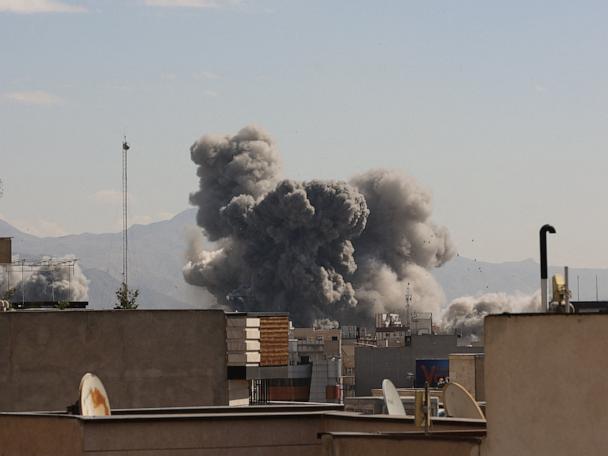
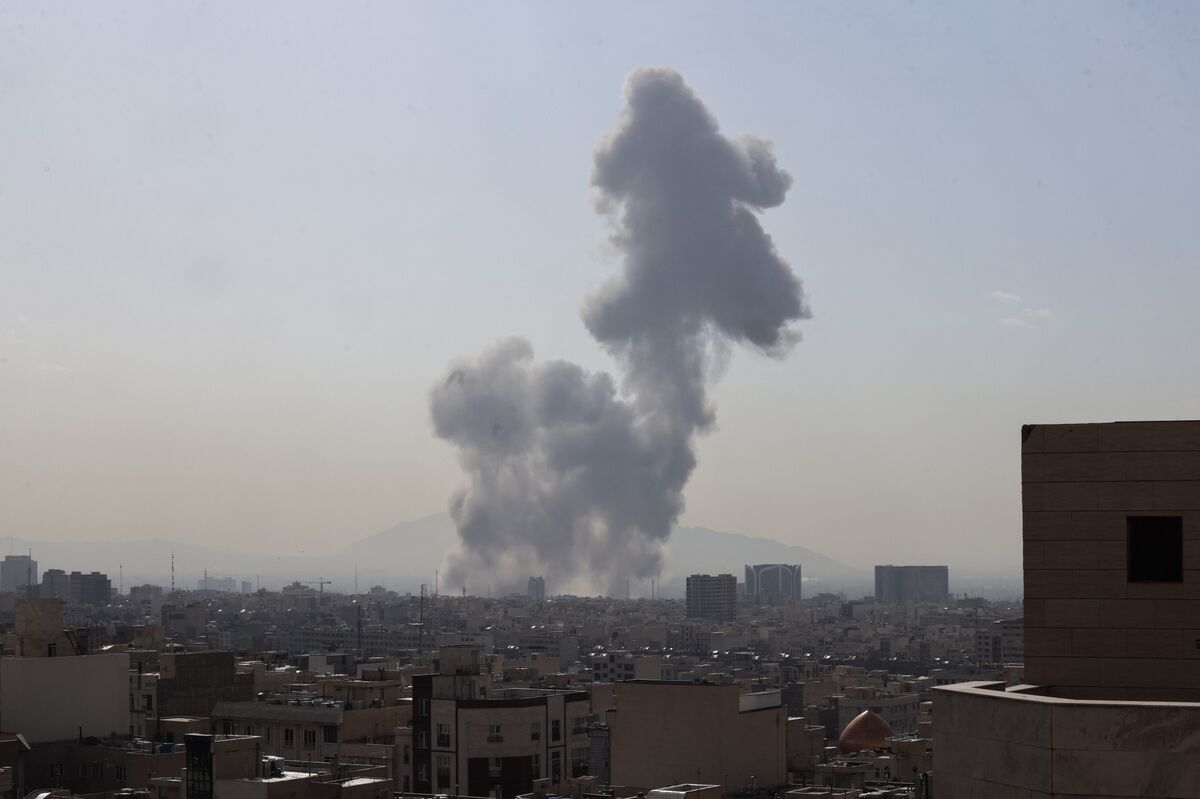
More than 100 people were reported killed in a strike on a girls' school in Minab, Iran, though Iranian officials alleged the death toll exceeded 150. Iran's foreign minister publicly decried the incident as a war crime, and images of freshly dug graves have surfaced, underscoring the human cost of this violence.
Iran's foreign minister accused the United States and Israel of orchestrating the attack, claiming it was a direct assault on civilian infrastructure, which is prohibited under international law. The U.S. Central Command stated it is reviewing reports of civilian harm but has not addressed whether U.S. forces were involved. According to PolitiFact, unverified social media posts claim the Islamic Revolutionary Guard Corps (IRGC) mistakenly bombed the school, though Iranian authorities have made no such admission.
The strike prompted calls for investigations into the incident. Human rights organizations have called for accountability, emphasizing the need to protect civilians and uphold international law during military operations. International responses will likely depend on investigations into who was responsible for the strike.
The Iranian government's response to the incident remains unclear, with competing accounts about responsibility. Families affected by the tragedy are seeking justice and answers. The outcome of investigations into responsibility will likely shape international responses.
More than 150 lives were lost in a devastating strike on a girls' school in Minab, Iran, marking one of the deadliest attacks in the ongoing conflict. This tragedy has shocked the nation and drawn international condemnation, as families mourn the loss of children and young adults who were gathered for education. The Iranian foreign minister has publicly decried the incident as a war crime, and images of freshly dug graves have surfaced, underscoring the profound human cost of this violence.
Iranian authorities have accused the United States and Israel of orchestrating the attack, claiming it was a direct assault on civilian infrastructure, which is prohibited under international law. However, the U.S. Central Command has stated that it is reviewing reports of civilian harm but has not confirmed any involvement in the strike. Meanwhile, the Iranian regime has suggested that the Islamic Revolutionary Guard Corps (IRGC) mistakenly targeted the school, raising questions about accountability and the safety of civilians in conflict zones.
The strike has ignited outrage both within Iran and globally, prompting calls for investigations into the incident. Human rights organizations are pressing for accountability, emphasizing the need to protect civilians and uphold international law during military operations. The international community is now facing a critical juncture in its response to Iran's escalating humanitarian crisis and the broader implications for regional stability.
As the death toll rises, the Iranian government is likely to intensify its rhetoric against perceived foreign aggressors, potentially leading to further escalations in military actions. For the families affected, the immediate future is filled with uncertainty as they seek justice and answers. The world watches closely, knowing this tragedy could reshape international relations and humanitarian efforts in the region.
Highlighted text was flagged by the council. Tap to see feedback.