




Death sentence commuted hours before scheduled nitrogen gas execution
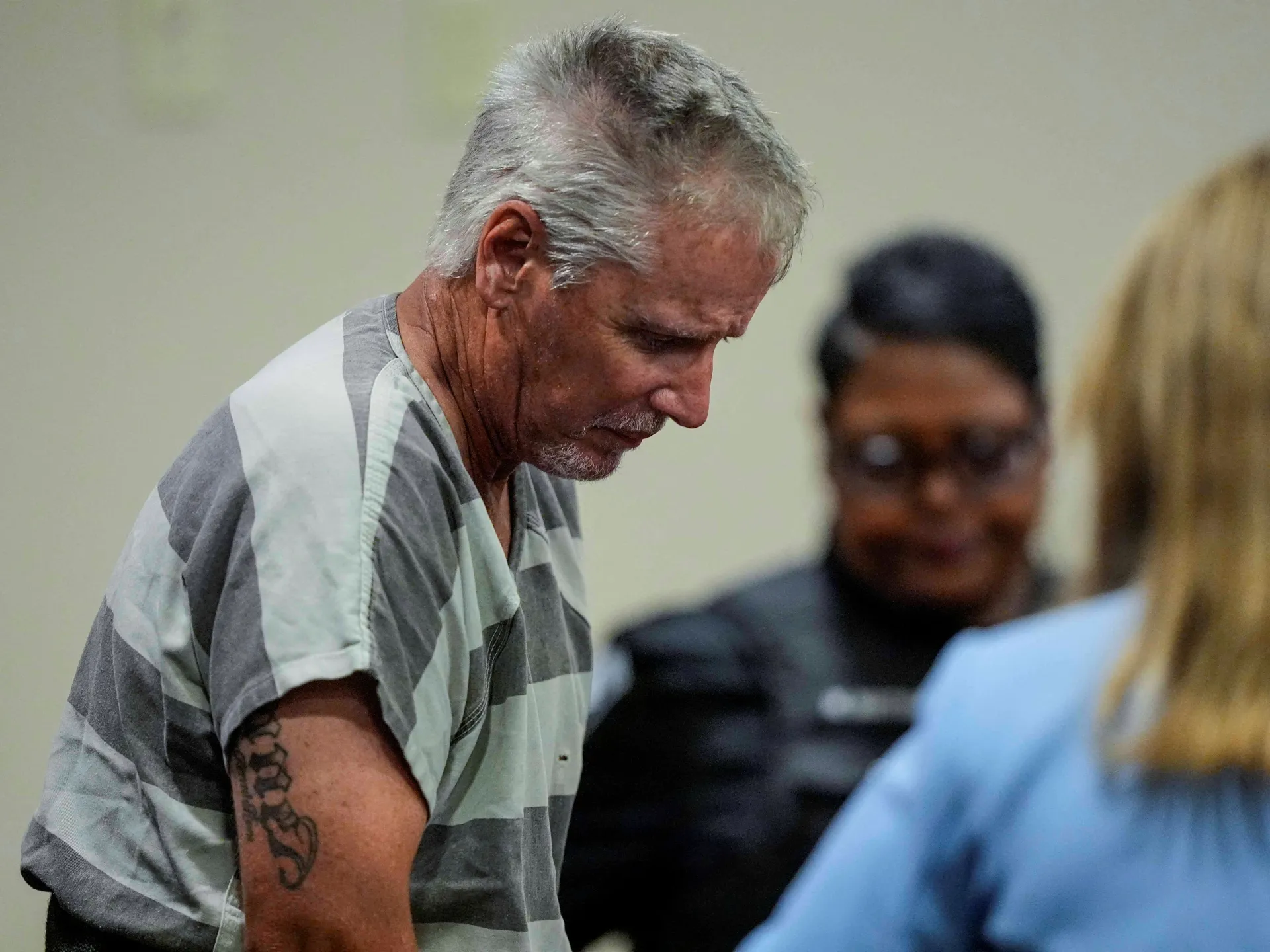
Alabama Gov. Kay Ivey commuted the death sentence of Charles "Sonny" Burton on Tuesday, hours before he was scheduled to be executed by nitrogen gas on Thursday. Burton, 75, was set to die for his role in a 1991 robbery at an AutoZone auto parts store in Talladega, even though he was not inside the building when the fatal shot was fired.
Ivey, a Republican who has presided over 25 executions since taking office in 2017, said she could not proceed with the execution in good conscience. "I believe it would be unjust for one participant in this crime to be executed while the participant who pulled the trigger was not," she said in a statement.
The crime and the shooter who escaped execution
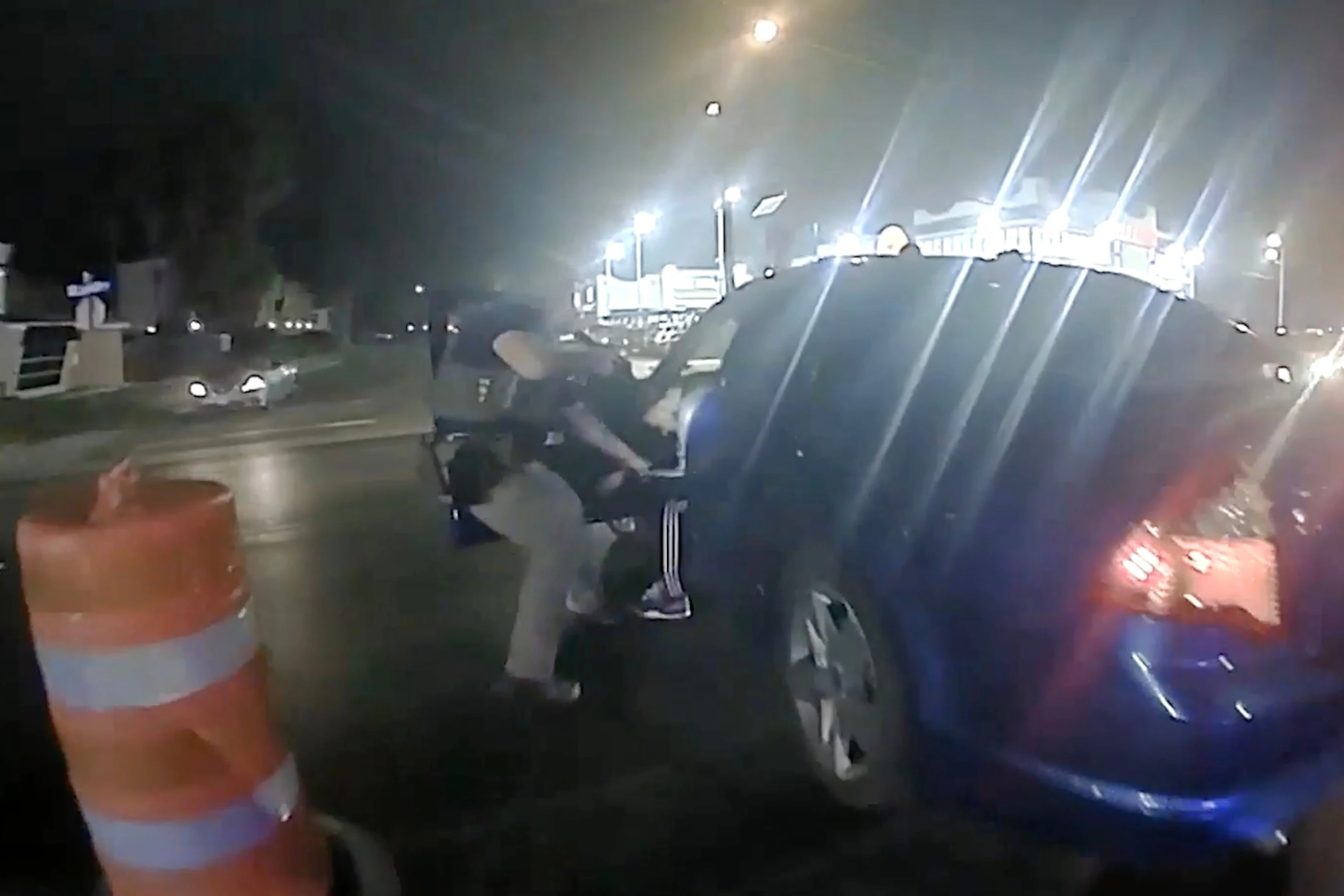
On Aug. 16, 1991, Burton and other robbers entered the AutoZone store during a robbery. When customer Doug Battle arrived and exchanged words with accomplice Derrick DeBruce, Burton and the other robbers had already left the building. DeBruce shot Battle in the back. Years later, DeBruce's death sentence was reduced on appeal to life in prison.
Burton told the Associated Press that he learned of the shooting only after the robbery was complete. "I didn't know anything about nobody getting hurt until we were on the way back. No, nobody supposed to get hurt," he said in a telephone interview from Alabama's Holman Correctional Facility.
A juror's reversal and the victim's daughter's plea
In January, juror Priscilla Townsend published an essay saying she was wrong to recommend Burton receive the death penalty. "Mr. Burton was not inside the AutoZone at the time of the murder. He was not the shooter, and yet the state sought and secured a death sentence against him anyway," Townsend wrote. She said prosecutors had portrayed Burton as the "ring leader," which shaped how evidence was viewed and responsibility was assigned at trial.
Battle's daughter also urged Ivey to grant clemency, asking in her letter "how does it legally make sense" to execute Burton. Multiple jurors from Burton's 1992 trial joined supporters and family members in urging the governor to spare his life.
A rare act of clemency
Ivey's decision marks only the second time she has commuted a death row inmate's sentence since 2017. The governor stated she firmly believes in the death penalty as "just punishment for society's most heinous offenders," but said it must be administered fairly and proportionately.
Burton's sentence was reduced to life in prison without possibility of parole. According to the American Civil Liberties Union, 27 states allow execution for participation in a felony that results in death, even without directly killing anyone. Alabama has carried out 83 executions since 1976.