




The numbers that defied predictions
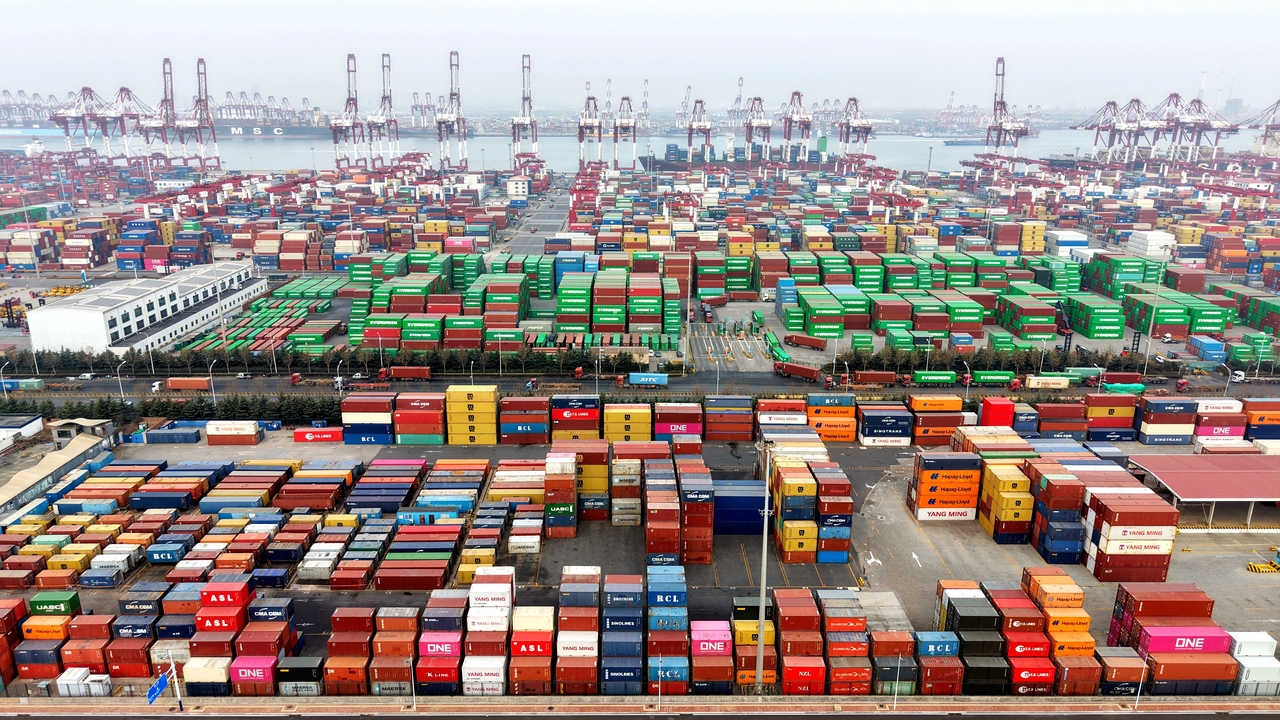
China's exports surged 21.8 percent in January and February 2026, hitting $656.58 billion and marking the fastest pace in four years, according to customs data released Tuesday. The jump far exceeded economist expectations, according to BBC reporting. It came despite an 11 percent drop in shipments to the United States after President Donald Trump imposed new tariffs. Beijing combines the first two months to smooth out Lunar New Year distortions, but Macquarie Group chief China economist Larry Hu said holiday timing "could not fully account" for the strength.
Where the new demand is coming from
European Union orders rose 27.8 percent, while exports to the 10-nation ASEAN bloc—including Thailand, Singapore and the Philippines—climbed almost 30 percent. Electronics led the charge, with AI-related hardware shipments accelerating as global tech investment booms. Agricultural and manufactured goods also contributed to the gains, customs officials said.
Factory workers see none of the windfall
Bloomberg interviews with workers in Guangdong and Jiangsu reveal wages falling and permanent jobs being replaced by temporary contracts even as export revenues set records. One Shenzhen electronics assembler, 42-year-old Lin Mei, saw her monthly pay cut 12 percent to 4,200 yuan ($580) despite overtime quotas rising.
Fentanyl fight complicates Trump's April trip
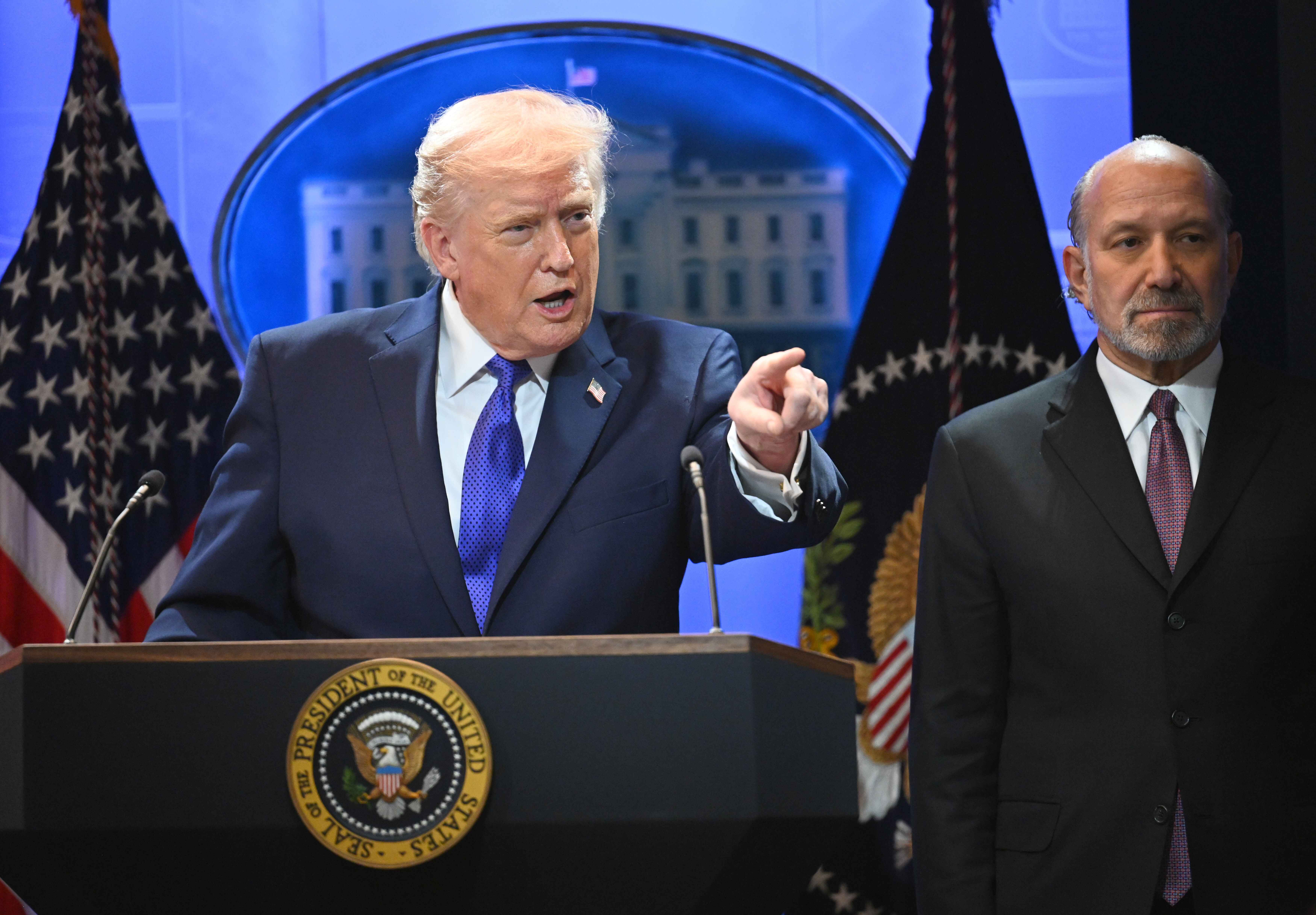
At a UN drug meeting in Vienna Monday, White House drug-policy director Sara Carter accused China of allowing "millions of tonnes" of fentanyl precursors to reach cartels through "weak export controls." China called the claim false and labeled US policies "irresponsible." The spat looms over Trump's planned visit to China in early April to meet Xi Jinping under a South Korea-brokered deal that trades tariff relief for Beijing's promise to curb precursor sales and keep rare-earth exports flowing. The US Supreme Court last month struck down a separate 10 percent fentanyl-linked emergency tariff Trump had imposed.
What Beijing will tell its own people
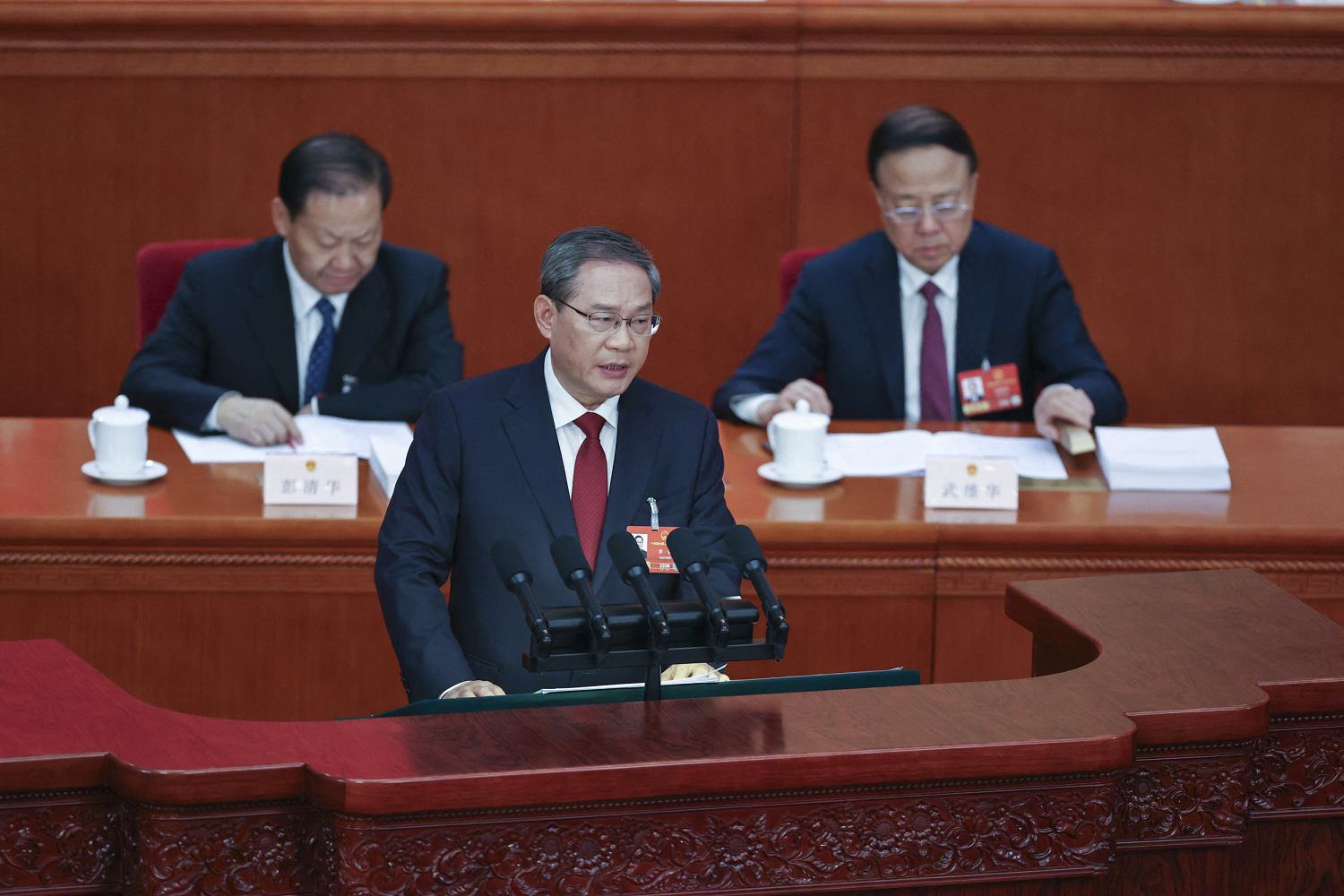
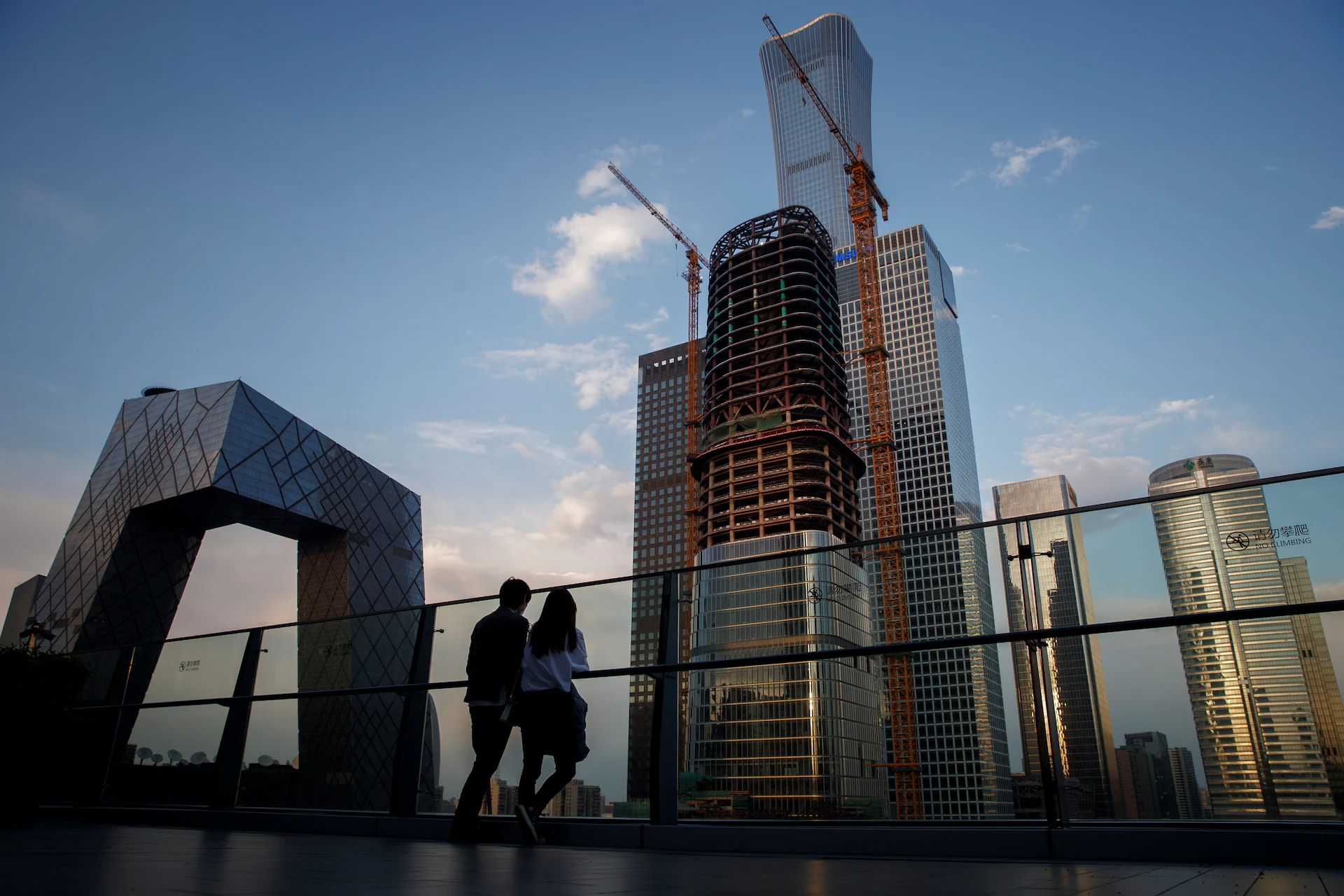
The trade boom gives Xi room to argue that China can hit its lowered 2026 growth target of 4.5-5 percent even as domestic consumption stays weak and property developers default. Last year the economy met its 5 percent goal only because exports offset slumping home sales.