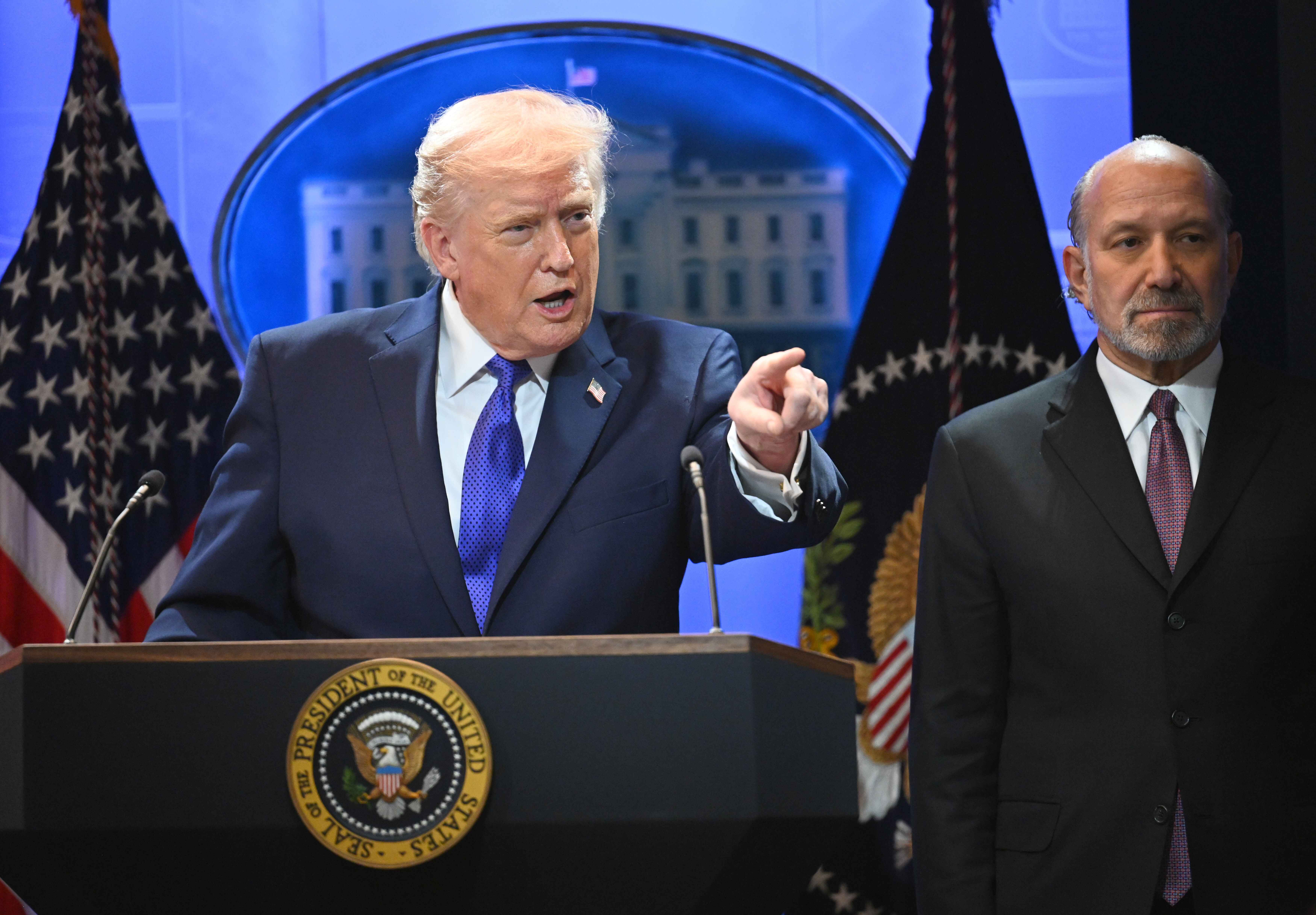
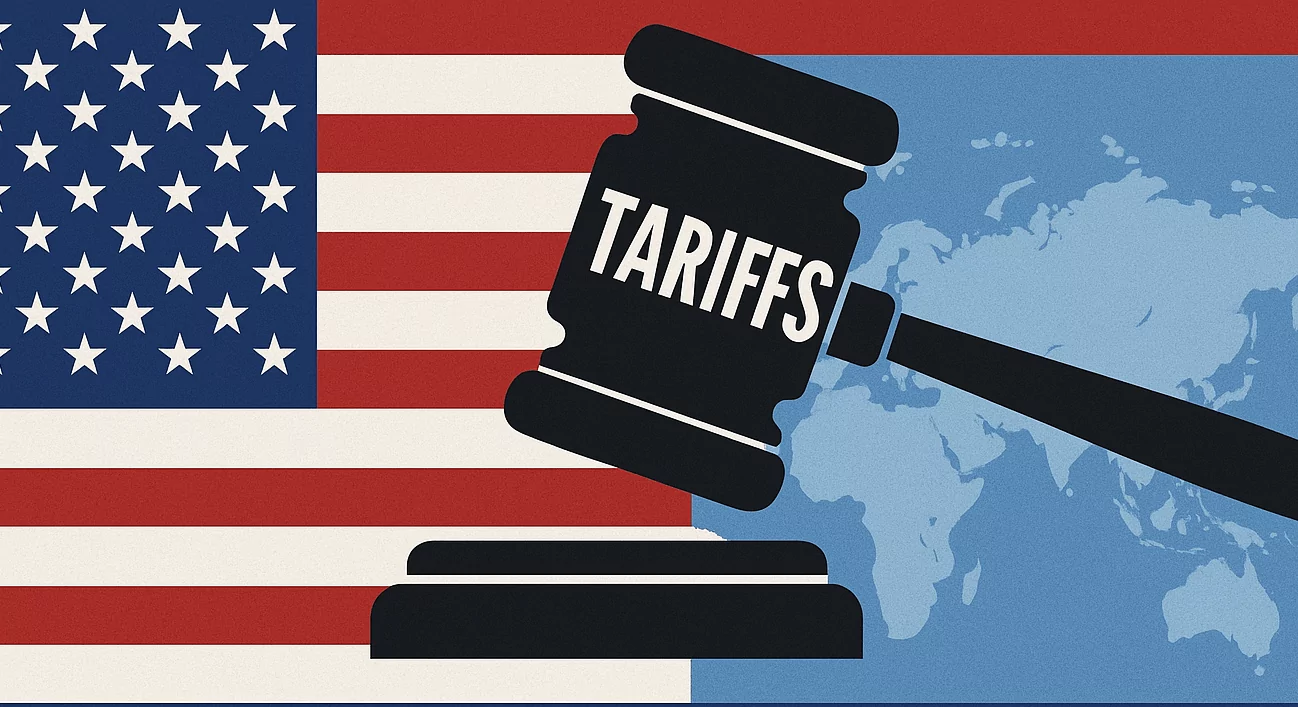
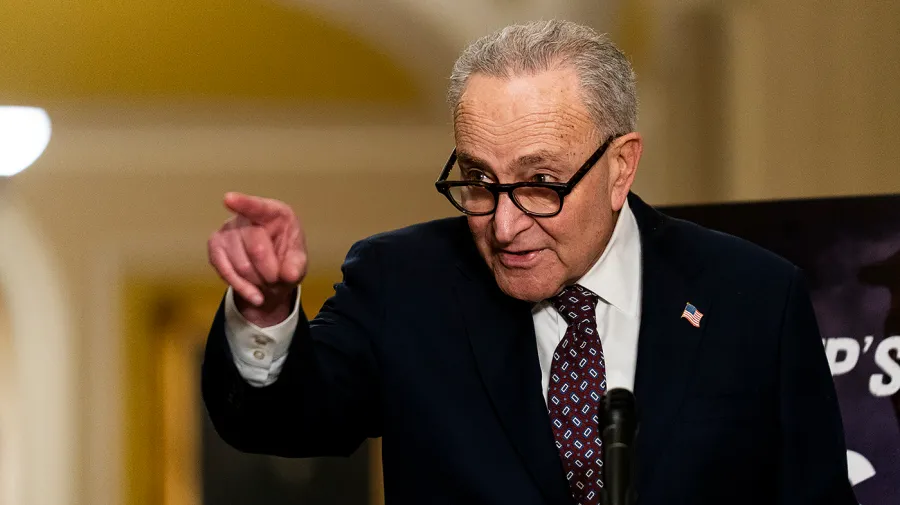
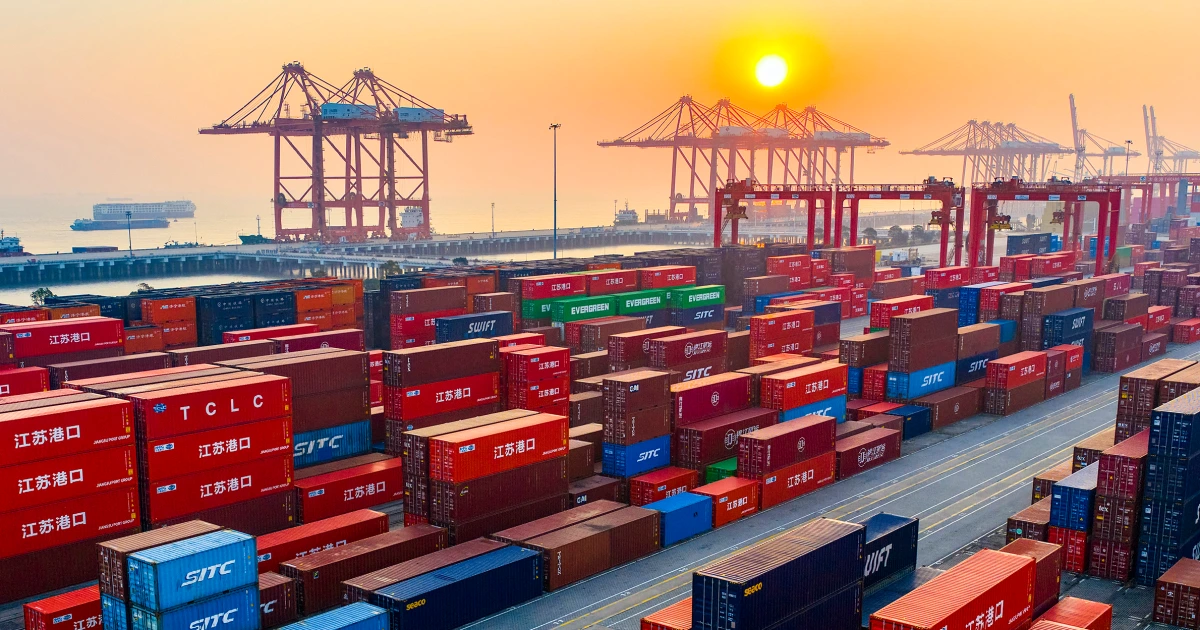
Attorneys general from 24 states filed suit challenging the Trump administration's newly imposed 10 percent global tariffs. The tariffs, which could rise to 15 percent, are the subject of the first major legal challenge since the Supreme Court struck down the administration's previous tariff authority last month.
Attorneys general from states like New York, California, and Oregon filed the suit in the U.S. Court of International Trade, claiming President Trump is overstepping his authority under Section 122 of the 1974 Trade Act. They argue the tariffs, meant for short-term monetary emergencies, are being misused to address routine trade deficits, which they claim violates the Constitution's separation of powers. This challenge underscores a pattern of executive overreach.
The Trump administration defends the tariffs as a way to boost U.S. revenue, pointing to $287 billion collected in customs duties in 2025 as evidence of their economic benefits. Officials, including White House spokesperson Kush Desai, assert these measures address balance-of-payments issues and promote fair trade, though studies show consumers and businesses bear the brunt of the costs. The court's upcoming hearings will determine if these tariffs stand, potentially reshaping import policies and protecting state economies from further strain.
New global tariffs from the Trump administration are already driving up costs for everyday items, forcing families to pay more for clothes, electronics, and groceries imported from abroad. With 24 states launching a lawsuit, these levies could add hundreds of dollars to annual household expenses, as businesses pass on the extra fees to buyers. The tariffs, starting at 10% and potentially rising to 15%, highlight how unchecked executive actions disrupt personal budgets.
Attorneys general from states like New York, California, and Oregon filed the suit in the U.S. Court of International Trade, claiming President Trump is overstepping his authority under Section 122 of the 1974 Trade Act. They argue the tariffs, meant for short-term monetary emergencies, are being misused to address routine trade deficits, violating the Constitution's separation of powers. This challenge underscores a pattern of executive overreach.
The Trump administration defends the tariffs as a way to boost U.S. revenue, pointing to $287 billion collected in customs duties last year as evidence of their economic benefits. Officials, including White House spokesperson Kush Desai, assert these measures address balance-of-payments issues and promote fair trade, though studies show consumers and businesses bear the brunt of the costs. The court's upcoming hearings will determine if these tariffs stand, potentially reshaping import policies and protecting state economies from further strain.
Highlighted text was flagged by the council. Tap to see feedback.