




How This Ruling Hits Your Wallet
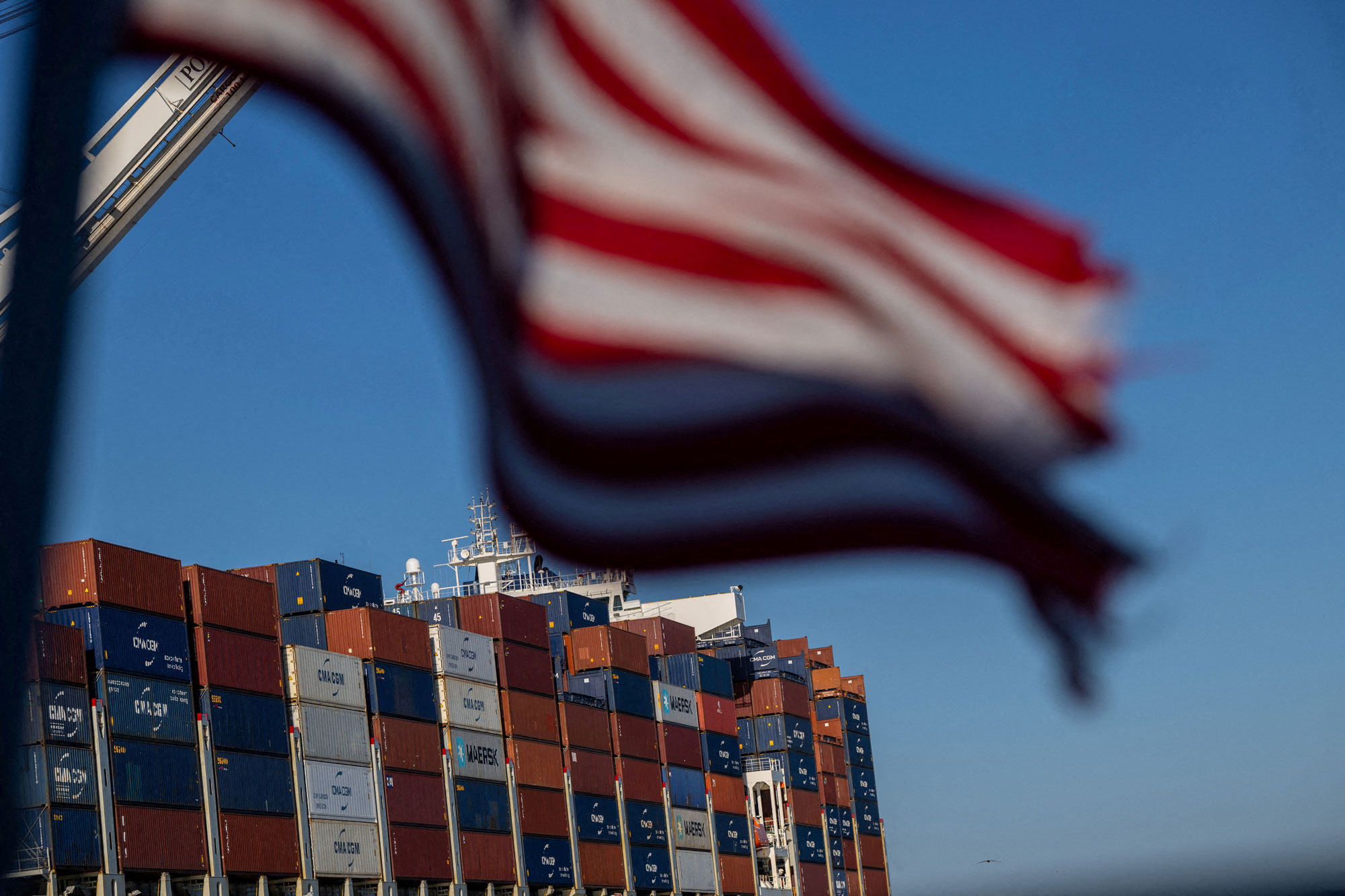
If you're shopping for clothes, cars, or farm goods, your prices could soon change. The Supreme Court voided President Donald Trump's sweeping tariffs, opening the door for refunds and cheaper imports that could lead to lower prices on some goods. But as businesses rush to reclaim billions in overpaid duties, the uncertainty is adding to financial pressures on American households.
China's Unexpected Windfall
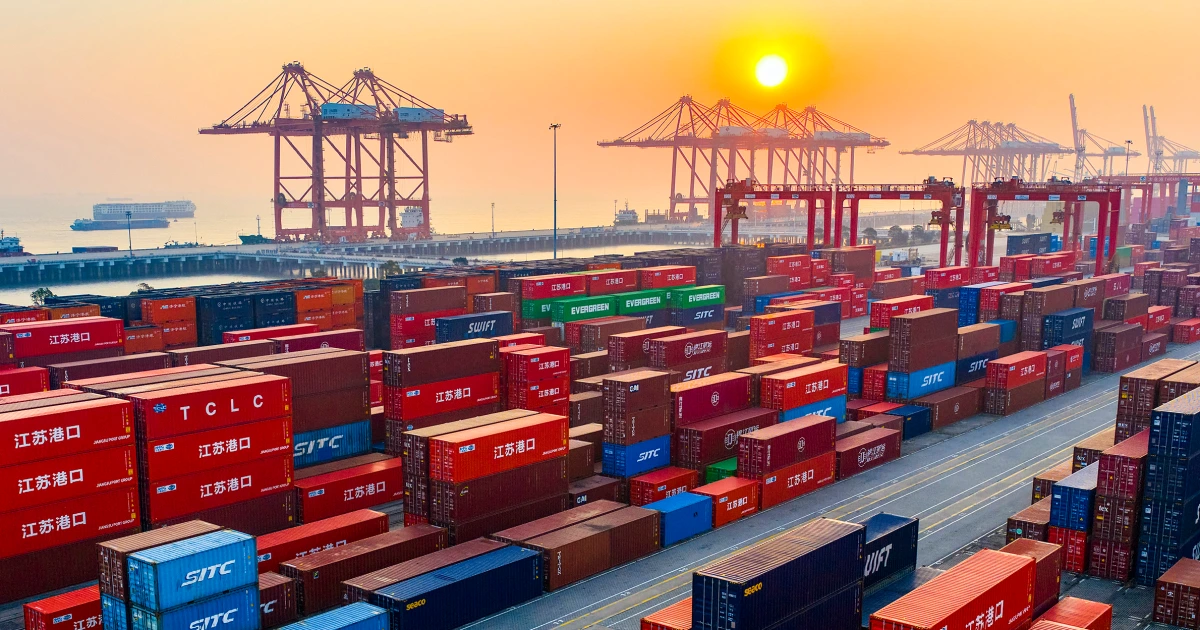
The decision hands China a major advantage in global trade, letting its exporters dodge the high taxes that once protected U.S. industries. Businesses worldwide are now scrambling to adapt to this shift, with China positioned to offer goods at lower prices. That means U.S. consumers might see deals on electronics and other imports, but it also risks undercutting domestic producers who relied on those tariffs for a level playing field.
Small Businesses Lead the Refund Charge
A Michigan auto parts store and a New York wine importer are leading efforts to recover the tariffs they paid under Trump's policies. Many other businesses are also seeking refunds for the now-invalidated duties. These lawsuits could return significant funds to affected companies, which could give some companies room to lower prices or increase investment, though any consumer benefit remains uncertain.
Farmers Face Mounting Instability
U.S. farmers face new uncertainty after the ruling, as lower-priced foreign competition threatens export markets they depend on. With tariffs lifted, foreign competitors may sell crops more cheaply, while U.S. farmers could gain better access to overseas markets now that retaliatory tariffs might also be lifted. Rural communities dependent on farming face income pressure from increased competition, though the full impact on local economies remains uncertain.
What's Next for Trade and Your Bills
As courts begin to process refund requests, the broader impact on shoppers and households could take months to emerge. The ruling creates divergent outcomes: businesses seeking refunds may gain relief, while farmers face new competitive pressures from lower-priced imports.