Governor Kathy Hochul is demanding the Trump administration return $13.5 billion after a Supreme Court ruling declared most tariffs unconstitutional. If refunds are issued, the money could indirectly benefit New York residents, potentially easing the burden of higher costs for everyday items like clothes and electronics. The fight centers on returning money that tariffs cost families and small businesses.
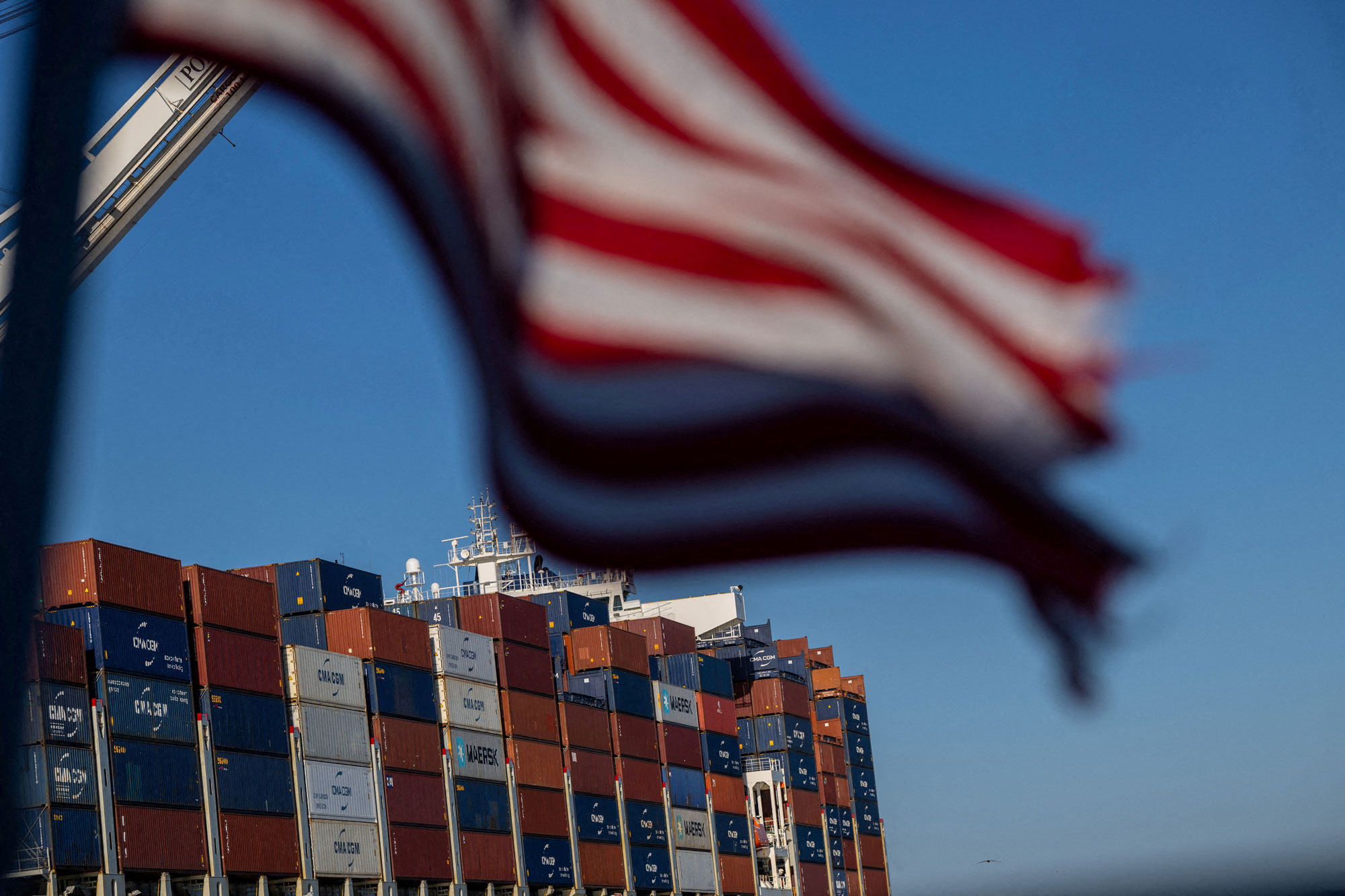
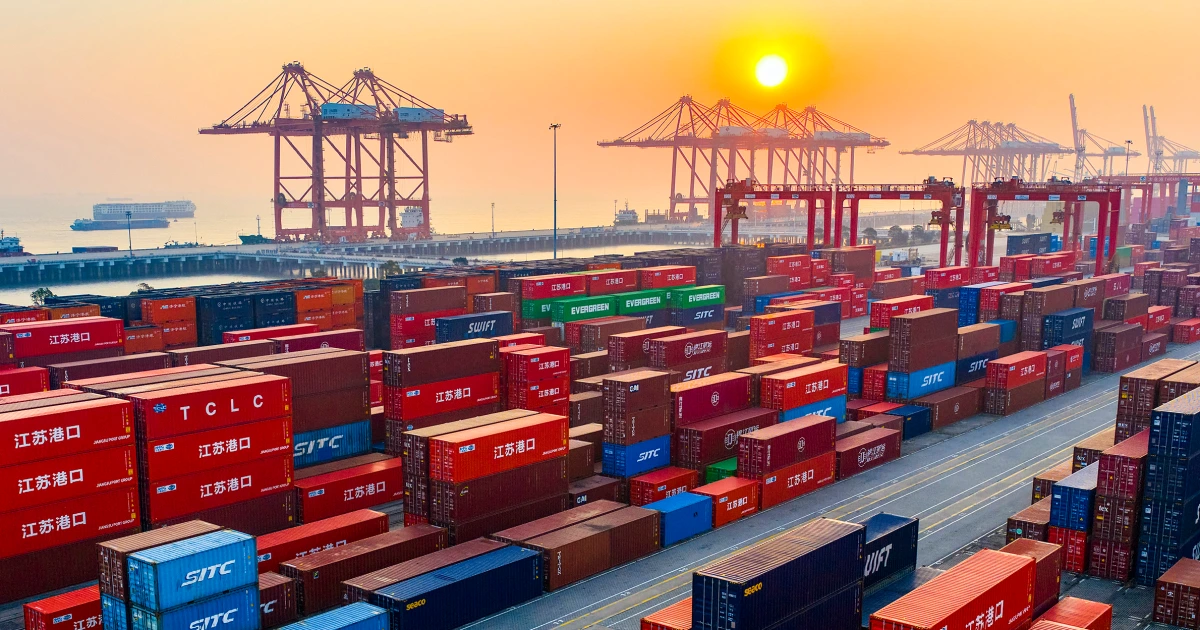
Trump's tariffs on imports from countries like China and members of the European Union likely drove up costs for New Yorkers, as businesses passed on added fees to shoppers. Farmers in upstate New York saw their equipment prices climb. Small retailers in Brooklyn and Manhattan struggled with inflated bills for clothing and gadgets. Hochul's call highlights that these tariffs potentially cost state residents about $13.5 billion, money that could now return if refunds move forward. The tariffs affected local economies, with some families cutting back on discretionary spending.
The Supreme Court last week struck down the bulk of Trump's tariffs, ruling them unconstitutional. Businesses and states challenged the tariffs in court. In New York, the ruling opened the door for Hochul to demand refunds, describing the tariffs as an unconstitutional burden on citizens. The court's action now forces the administration to address the legal questions raised in the lawsuits.
The Trump administration has pledged to refund companies that paid the unlawful tariffs, but officials now warn that processing claims could drag on for years, leaving individuals and businesses in limbo. This delay means New Yorkers might not see refunds returned anytime soon, even as Hochul presses for swift action. Some state lawmakers argue the delay protects the administration from immediate political consequences. Hochul's demand could pressure other states to follow suit, amplifying calls for faster refunds across the country.
New York farmers and small business owners support Hochul's initiative. Some argue that refunds would complicate ongoing negotiations and drain resources needed for border security. The administration maintains that the tariffs were essential for national security. This divide shows how the issue pits local economic relief against federal priorities, with real people caught in the middle.
As Hochul's demand gains momentum, the next step depends on the administration's response. For New Yorkers, refunds could offset some of the costs imposed by tariffs, depending on how the administration proceeds.
If you're a New Yorker, that $13.5 billion in potential refunds could put hundreds of dollars back into your household budget, easing the sting of higher costs for everyday items like clothes and electronics. Governor Kathy Hochul is demanding the Trump administration return this money after a Supreme Court ruling declared most of the tariffs unconstitutional, exposing how these levies acted as a hidden tax on consumers and small businesses. The fight isn't just about big numbers—it's about reclaiming cash that families lost to policies that raised prices without delivering the promised economic boost.
Trump's tariffs on imports from countries like China and Europe drove up costs for New Yorkers, adding extra fees that businesses passed straight to shoppers. Farmers in upstate New York saw their equipment prices climb, while small retailers in Brooklyn and Manhattan struggled with inflated bills for clothing and gadgets. Hochul's call highlights that these tariffs funneled about $13.5 billion out of state residents' pockets, money that could now return if refunds move forward. This push underscores a growing realization: what started as a trade strategy ended up as a direct hit to local economies, forcing families to cut back on groceries or skip vacations.
The Supreme Court last week struck down the bulk of Trump's tariffs, ruling them unconstitutional because they bypassed congressional approval and overstepped executive authority. This decision came after years of legal battles led by businesses and states arguing that the levies were unfair and ineffective. In New York, the ruling opened the door for Hochul to demand refunds, framing the tariffs as an illegal burden on citizens rather than a legitimate policy tool. The court's action now forces the administration to address promises it made during the lawsuits, potentially reshaping how future trade measures are implemented.
The Trump administration has pledged to refund companies that paid the unlawful tariffs, but officials now warn that processing claims could drag on for years, leaving individuals and businesses in limbo. This delay means New Yorkers might not see that $13.5 billion returned anytime soon, even as Hochul presses for swift action to prioritize consumers over corporate red tape. Critics, including state lawmakers, argue this foot-dragging protects the administration from immediate fallout, but it risks fueling broader discontent among voters feeling the pinch of unresolved economic policies. Hochul's demand could pressure other states to follow suit, amplifying calls for faster refunds across the country.
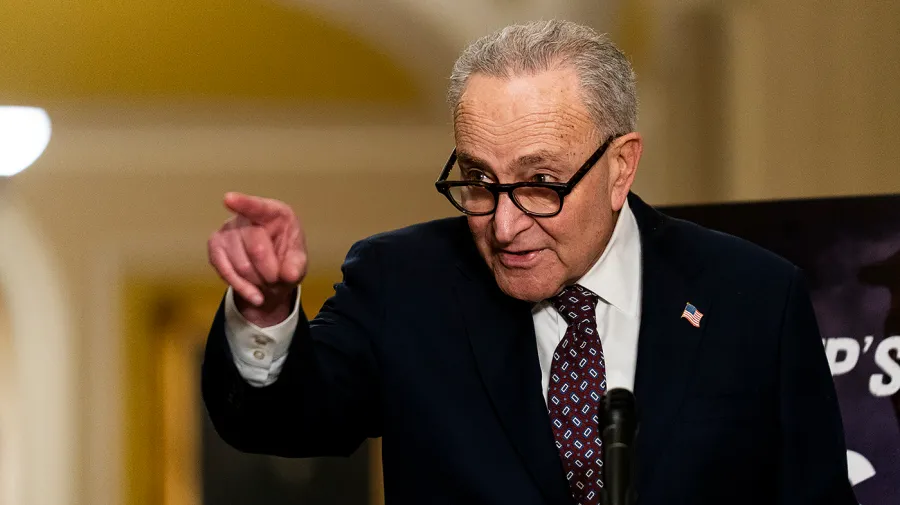
New York farmers and small business owners are rallying behind Hochul's initiative, with groups like the New York Farm Bureau estimating that refunds could average $500 per household in affected areas. Opponents, including some federal trade officials, counter that refunds would complicate ongoing negotiations and drain resources needed for border security. Senator Chuck Schumer has backed the governor, calling it a "necessary correction" to flawed policies, while administration supporters maintain that the tariffs were essential for national security. This divide shows how the issue pits local economic relief against federal priorities, with real people caught in the middle.
As Hochul's demand gains momentum, the next key step is for the administration to outline a clear refund timeline, potentially starting with public hearings in the coming months. For the average New Yorker, that could mean finally offsetting years of higher expenses, giving families a tangible win in an uncertain economy. This story isn't just about policy—it's about putting money back where it belongs, in the hands of those who need it most.
Highlighted text was flagged by the council. Tap to see feedback.