The Treasury Department authorized Petróleos de Venezuela, S.A. (PdVSA) and its majority-owned entities to sell Venezuelan oil on Wednesday. This license aims to increase global oil supply amid tensions with Iran.
PdVSA can sell oil to U.S. companies and global markets under the eased sanctions. The policy bars sales to Russia, Iran, North Korea, and certain Chinese entities to limit risks. U.S. officials will oversee cash flow from these transactions through a special account, ensuring funds do not support restricted activities.
The easing of sanctions seeks to tame rising oil prices linked to the Iran conflict, which could reduce costs at the pump for millions. Federal Reserve Chairman Jerome Powell noted that uncertainty from the war might keep inflation elevated in the near term.
The Federal Reserve left rates unchanged for a second straight meeting on Wednesday, expecting only one rate cut this year due to war-related uncertainty. Powell told reporters the U.S. economy is performing well overall, but the Iran situation creates unknowns that could influence oil markets. This decision ties into broader efforts to manage inflation, which intersects with the sanctions relief for Venezuela.
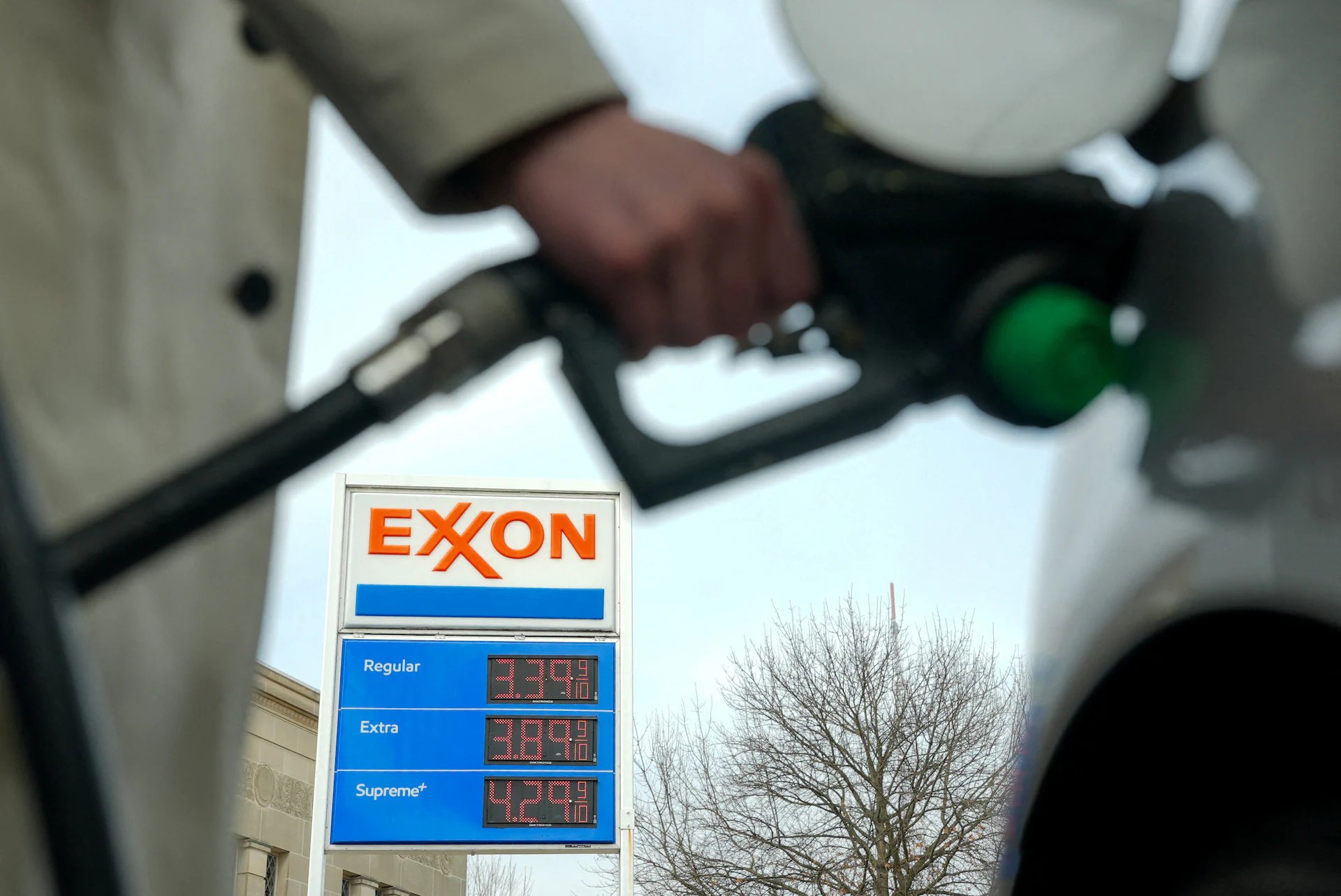
The Treasury Department authorized Petróleos de Venezuela, S.A. (PdVSA) and its majority-owned entities to sell Venezuelan oil on Wednesday. This license aims to increase global oil supply amid tensions with Iran. American drivers now face $3.84 per gallon for regular gas, the highest mark since 2023, putting pressure on household budgets.
PdVSA can sell oil to U.S. companies and global markets under the eased sanctions. The policy bars sales to Russia, Iran, North Korea, and certain Chinese entities to limit risks. U.S. officials will oversee cash flow from these transactions through a special account, ensuring funds do not support restricted activities.
The easing of sanctions seeks to tame rising oil prices linked to the Iran conflict, which could reduce costs at the pump for millions. Jerome Powell, Federal Reserve Chairman, noted in his statement that uncertainty from the war might keep inflation elevated in the near term, affecting economic stability. Families spending more on fuel may see relief as Venezuelan crude enters markets, though limitations could slow the impact.
The Federal Reserve left rates unchanged for a second straight meeting on Wednesday, expecting only one rate cut this year due to war-related uncertainty. Powell told reporters the U.S. economy is performing well overall, but the Iran situation creates unknowns that could influence oil markets. This decision ties into broader efforts to manage inflation, which intersects with the sanctions relief for Venezuela.
With gas prices at $3.84 per gallon, everyday commuters in places like the Bay Area feel the strain on their finances. The eased sanctions might bring Venezuelan oil into play, potentially easing costs for routine trips and family travel. As a result, households could redirect savings toward essentials, offering a tangible step toward financial relief in the current economic climate.
Highlighted text was flagged by the council. Tap to see feedback.








For example, the U.S. Treasury Department will control the cash flow from transactions involving Petróleos de Venezuela, S.A. (PdVSA) through a special account to prevent funds from supporting restricted activities.