




A partnership that changes the energy math
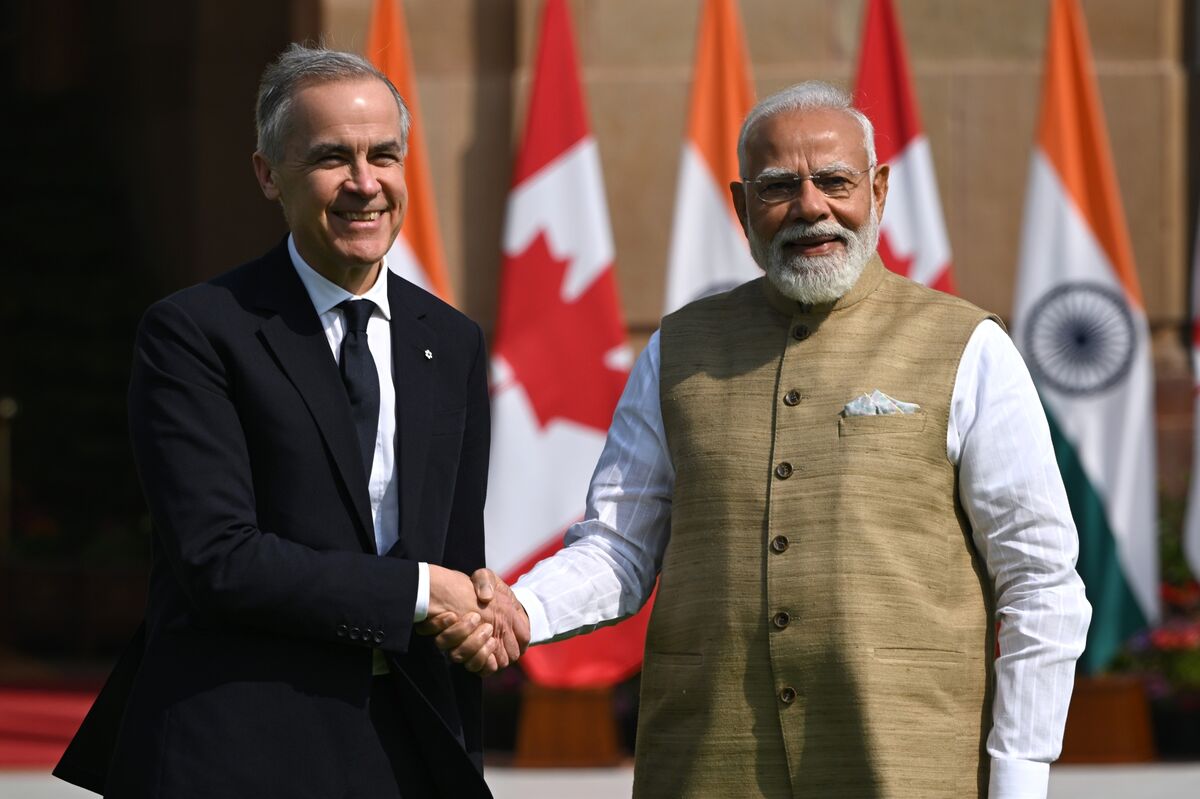
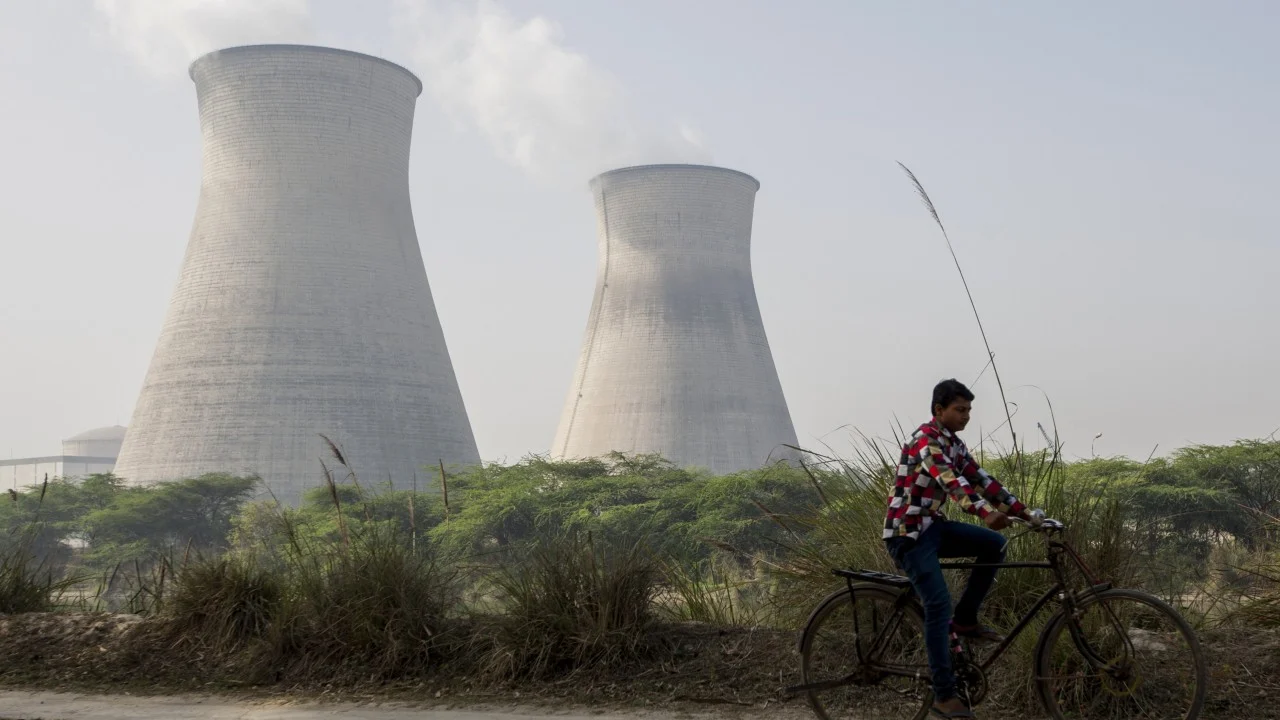
India requires uranium to fuel its nuclear power expansion. The country has set an ambitious target: 100 gigawatts of nuclear power capacity by mid-century. It currently has roughly 8 gigawatts. The gap between those numbers represents a significant constraint on India's nuclear expansion plans. Domestic uranium production alone cannot fill it. On Monday, Canada and India signed a 10-year uranium supply agreement. Prime Minister Mark Carney arrived in New Delhi to sign with Indian counterpart Narendra Modi, establishing a new energy partnership between the two nations and signaling a reset in their relationship after recent tensions.
The deal is more than a transaction. Long-term supply agreements like this one make massive infrastructure projects possible. Without reliable fuel, nuclear reactors are just expensive buildings. With it, India can pursue its goal of quadrupling its nuclear capacity.
What the agreement includes
The uranium supply deal anchors a broader package of cooperation. India and Canada also agreed to collaborate on critical mineral extraction and technology sharing. The countries committed to promoting renewable energy alongside nuclear expansion. Modi and Carney both called the pacts a fresh start, an effort to rebuild mutual trust after recent diplomatic tensions.
The timing matters. India is racing to meet climate targets while powering an economy that demands more electricity every year. Nuclear energy offers carbon-free baseload power. But it requires fuel from somewhere. Canada, one of the world's largest uranium producers, holds what India needs.
Why this matters now
India's nuclear ambition is not theoretical. The country has already built 8 gigawatts of capacity. Reaching 100 gigawatts requires not just capital and political will, but certainty. A 10-year agreement with a stable, reliable partner provides that certainty. Investors need to know the fuel will arrive. Engineers need to know they can plan projects years in advance.
For Canada, the deal opens a major market. For India, the agreement provides a reliable uranium supply for its nuclear expansion. For both nations, it represents a deliberate choice to deepen ties and move past recent disagreements. After recent diplomatic tensions, Monday's announcements signal both governments want to reset ties.
The agreement, signed Monday, sets the legal framework for Canadian uranium to be delivered to India over the next decade, subject to final regulatory clearances on both sides. With the agreement in place, India gains a long-term foreign fuel source to underpin its nuclear expansion plans.