France is preparing to expand its nuclear arsenal for the first time since 1992 and deploy nuclear-armed aircraft to allied countries, President Emmanuel Macron announced Monday. The move represents an effort to reshape Europe's security architecture as the continent grows uncertain about relying on the United States for protection.
Eight European countries have signaled they will participate in what Macron calls a "forward" nuclear deterrence strategy. The group includes Germany, Poland, Sweden, and Britain. France will retain sole decision-making power over when and how to use its nuclear weapons, but the agreement signals a fundamental shift: France is offering its own atomic umbrella to European neighbors.
Macron cited Europe's uncertain geopolitical environment and the need to reduce dependence on American nuclear guarantees as rationale for the expansion. The continent cannot assume the United States will always prioritize European defense.
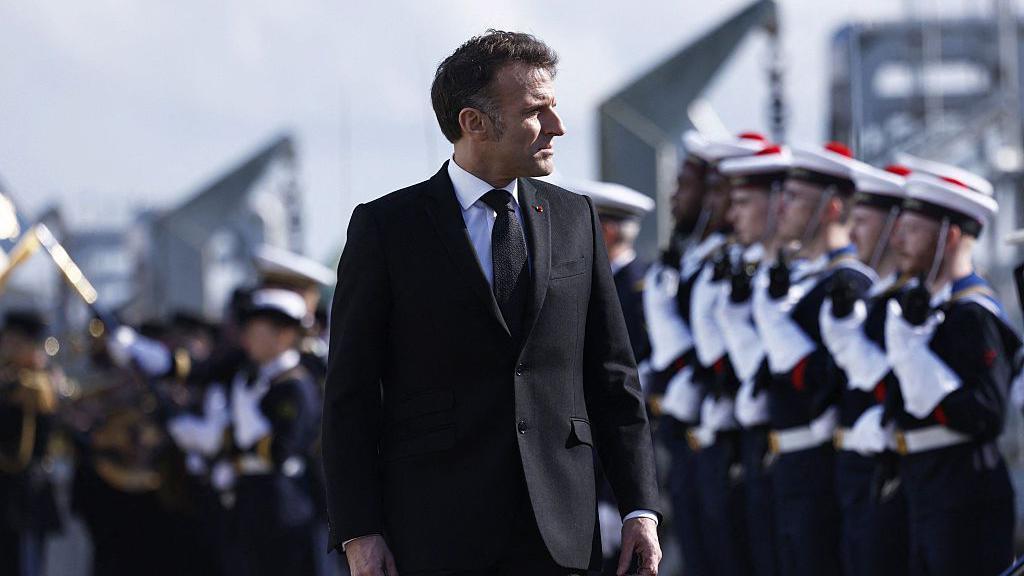
The announcement came from the Ile Longue nuclear submarine base. Macron made the announcement late in his presidency.
For the first time, nuclear-armed French aircraft could, for the first time, be deployed to allied territory. This breaks with decades of French nuclear doctrine that kept atomic weapons under strict national control. The eight participating countries gain the reassurance of French nuclear protection. They retain sovereignty and do not host permanent weapons on their soil.
Germany's inclusion among the eight countries signals broad continental support. As Europe's largest economy and a NATO member, Germany's participation is notable.
France maintains complete control over its nuclear arsenal. No allied country can trigger a French nuclear response. Macron's announcement makes clear that France decides when, where, and whether to deploy its atomic weapons. The extended deterrence is a promise of protection, not a shared button.
This arrangement gives European allies the reassurance of French nuclear protection. The eight countries will participate in what Macron describes as a "forward" deterrence posture, but France's finger remains on the trigger.
The proposed arsenal expansion and deployment arrangements could reshape European security calculations. Nuclear expansion could become a key part of his security legacy.
France will expand its nuclear arsenal for the first time since 1992 and deploy nuclear-armed aircraft to allied countries, President Emmanuel Macron announced Monday. The move represents an unprecedented effort to reshape Europe's security architecture as the continent grows increasingly uncertain about relying on the United States for protection.
Eight European countries have already agreed to participate in what Macron calls a "forward" nuclear deterrence strategy. The group includes Germany, Poland, Sweden, and Britain. France will retain sole decision-making power over when and how to use its nuclear weapons, but the agreement signals a fundamental shift: Europe is building its own atomic umbrella.
Europe's confidence in American security guarantees has eroded. The continent faces a more volatile geopolitical environment and cannot assume the United States will always prioritize European defense. By expanding its arsenal and extending its nuclear umbrella, France is positioning itself as Europe's primary atomic guarantor.
The announcement came from the Ile Longue nuclear submarine base, a symbolic location that underscores the seriousness of the commitment. Macron made the announcement as his presidency winds down, cementing nuclear expansion as a legacy policy.
For the first time, nuclear-armed French aircraft could be deployed to allied territory. This breaks with decades of French nuclear doctrine that kept atomic weapons under strict national control. The eight participating countries gain the psychological reassurance of French nuclear protection without surrendering their own sovereignty or hosting permanent weapons on their soil.
Germany's participation is particularly significant. As Europe's largest economy and a NATO member, German agreement to the arrangement signals broad continental support for reducing dependence on American nuclear guarantees.
France maintains complete control over its nuclear arsenal. No allied country can trigger a French nuclear response. Macron's announcement makes clear that France decides when, where, and whether to deploy its atomic weapons. The extended deterrence is a promise of protection, not a shared button.
This arrangement gives European allies a seat at the table without surrendering decision-making authority to Paris. The eight countries will participate in what Macron describes as a "forward" deterrence posture, but France's finger remains on the trigger.
The expanded arsenal and new deployment arrangements will reshape European security calculations for decades. As Macron's term ends, nuclear expansion becomes the defining security legacy of his presidency and a turning point for how Europe defends itself.
Highlighted text was flagged by the council. Tap to see feedback.